Backyard Learning Center

Learn practical backyard skills one project at a time through beginner-friendly articles, seasonal tips, and step-by-step guides that help you build, grow, raise, and thrive.

Where Should You Put a Beehive?

Choosing the Perfect Location
(July 2026 – Estimated Reading Time: 9 Minutes)

Backyard Hive

One of the biggest decisions you’ll make before your bees even arrive has nothing to do with the hive itself.

It’s deciding where to put it.

A good location helps your colony thrive, makes routine inspections easier, and reduces the chances of problems with neighbors, pets, and wildlife.

The encouraging news is that honey bees are remarkably adaptable. They don’t require acres of farmland or a secluded forest. Many healthy colonies live in suburban backyards, small homesteads, and even urban neighborhoods.

If you’re planning your first hive, here’s what you should know before choosing the perfect spot.

Why Hive Location Matters

A hive isn’t something you’ll want to move every few weeks.

Once bees establish themselves, relocating a hive becomes much more difficult.

Taking a little extra time to choose the right location now can save countless headaches later.

A well-placed hive provides:

  • Better colony health
  • Easier inspections
  • Reduced moisture problems
  • Improved honey production
  • Happier neighbors
  • Less work for you

Fortunately, selecting a good location is easier than most beginners think.

Give Your Bees Morning Sun

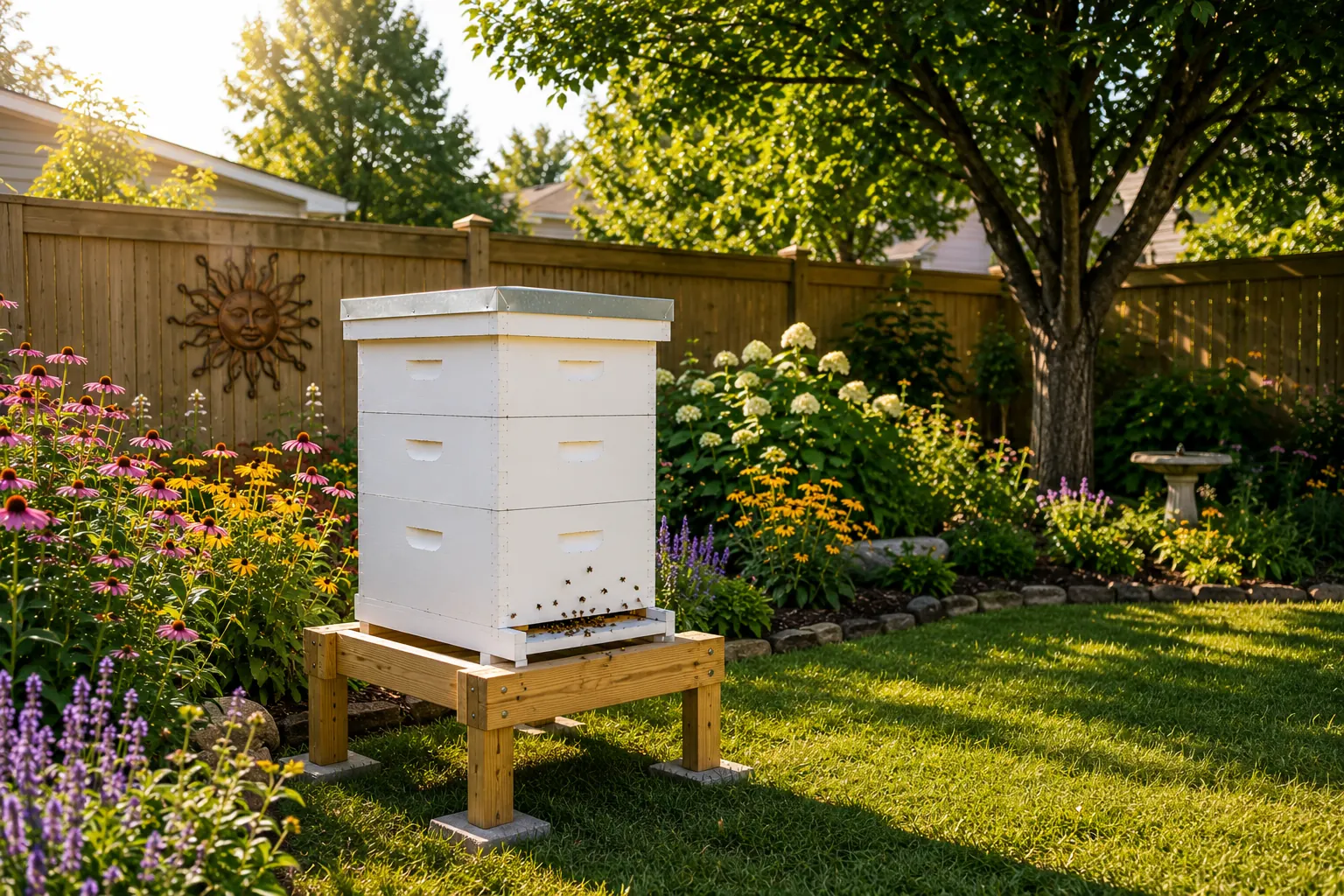
If you could only choose one feature for your hive location, morning sunlight would be near the top of the list.

Early sunshine warms the hive after cool nights and encourages bees to begin foraging earlier in the day.

Colonies that receive morning sun often become active sooner than those sitting in deep shade.

Morning Beehive

In very hot climates, however, some afternoon shade can help prevent excessive heat buildup during the hottest part of the day.

For many beekeepers, the ideal location receives:

  • Full morning sun
  • Light afternoon shade
  • Plenty of open air circulation

Avoid Low, Wet Areas

Honey bees dislike damp conditions almost as much as people do.

A hive sitting in standing water or constantly wet ground can develop moisture problems that affect the health of the colony.

Look for ground that:

  • Drains well after rain
  • Stays relatively dry
  • Doesn’t collect puddles
  • Remains stable throughout the year

If necessary, consider placing your hive on a stand to keep it several inches above the ground.

A simple hive stand also makes inspections more comfortable.

Protect the Hive from Strong Winds

Strong winds force bees to work harder simply to leave and return to the hive.

Constant wind can also cool the colony during colder months.

Natural windbreaks work well, including:

  • Fences
  • Shrubs
  • Trees
  • Garden sheds
  • Privacy walls

The goal isn’t to completely block airflow.

Good ventilation remains important.

Instead, you’re simply reducing the force of prevailing winds hitting the hive entrance.

Make Hive Inspections Easy

It’s tempting to place a hive in the farthest corner of your property where no one will notice it.

That sounds like a good idea until you’re carrying hive equipment across a wet yard in the middle of July.

Remember that you’ll visit your hive regularly throughout the year.

Choose a location that’s easy to reach with:

  • Your smoker
  • Hive tools
  • Feeders
  • Extra equipment
  • Honey harvesting supplies

If getting to the hive becomes inconvenient, inspections are more likely to be delayed.

Convenience helps you become a better beekeeper.

Face the Entrance Carefully

The direction your hive entrance faces isn’t as critical as many beginners believe, but there are a few guidelines worth considering.

Many beekeepers prefer entrances facing:

  • East
  • Southeast
  • South

These directions allow the morning sun to warm the hive entrance early in the day.

More important than compass direction is avoiding situations where the entrance points directly into strong prevailing winds.

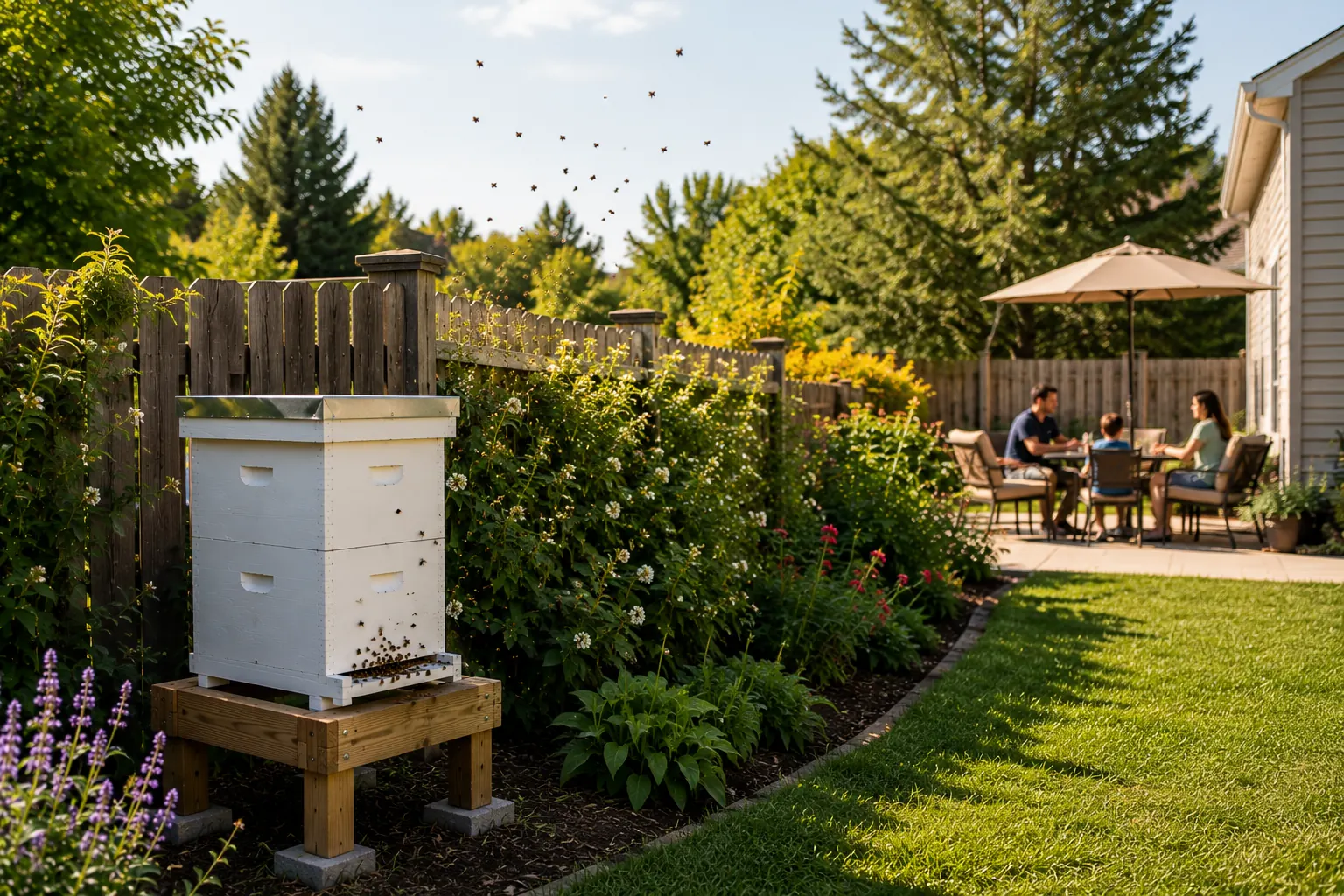
Give Bees a Clear Flight Path

Bees Flight Path

Every day, thousands of bees leave the hive to gather nectar and pollen.

They appreciate an unobstructed flight path.

Avoid placing the hive where bees must immediately navigate around:

  • Children’s play areas
  • Patios
  • Sidewalks
  • Swimming pools
  • Frequently used walkways

One simple solution is placing a fence or hedge several feet in front of the hive.

This encourages departing bees to quickly fly upward, reducing interactions with people nearby.

Think About Your Neighbors

Most honey bees are remarkably gentle while foraging.

Even so, it’s wise to consider how your hive might affect nearby neighbors.

Good neighbor practices include:

  • Positioning entrances away from neighboring yards.
  • Providing a nearby water source so bees aren’t attracted to swimming pools or birdbaths.
  • Maintaining healthy colonies that are less likely to become defensive.
  • Keeping the apiary neat and well maintained.

A little consideration goes a long way toward creating positive relationships.

Some neighbors may even become eager customers when you begin harvesting honey.

Always Provide Water

Honey bees need water throughout the year.

They use it to:

  • Cool the hive
  • Feed developing larvae
  • Dilute stored honey
  • Maintain humidity inside the colony
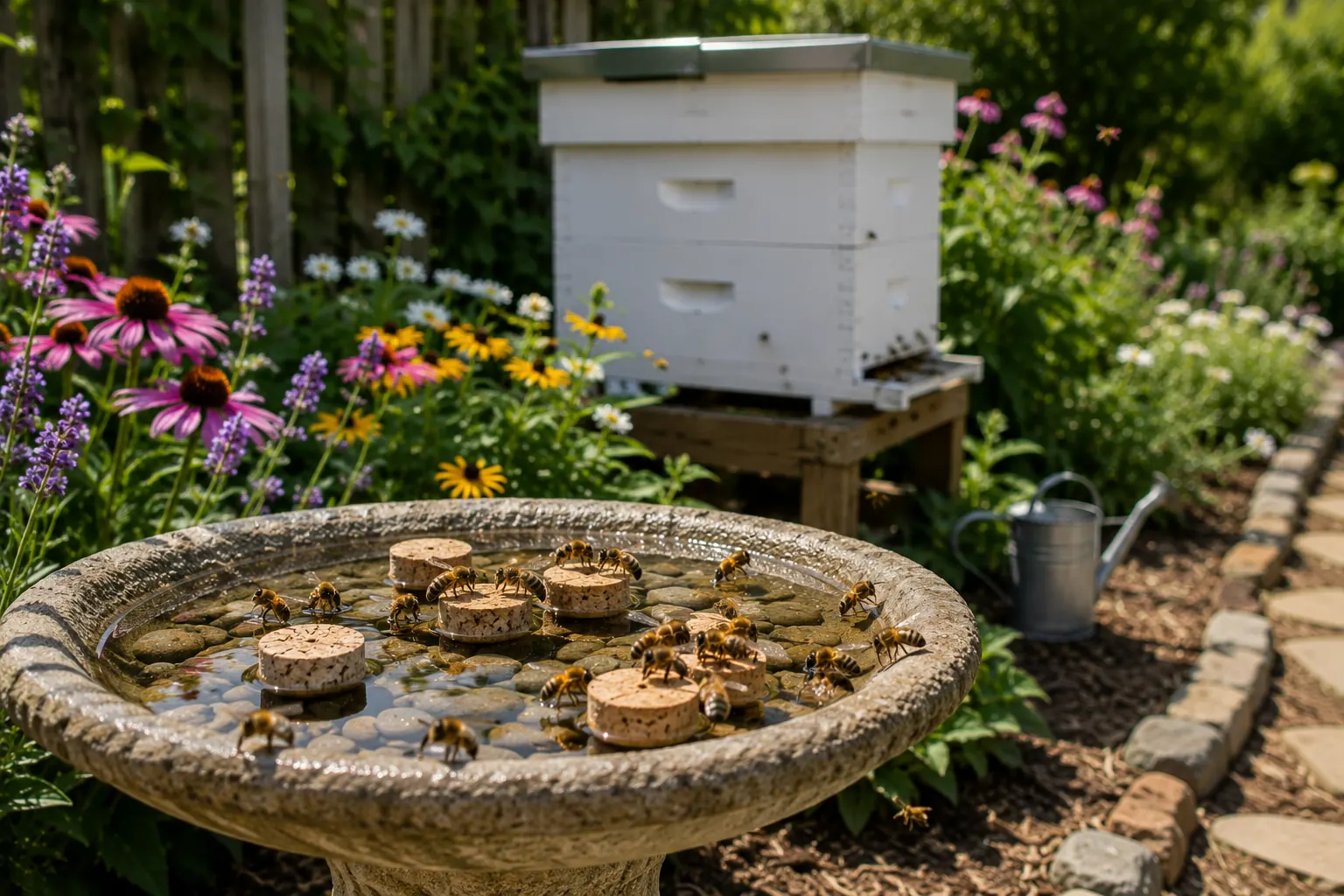
Watering Station for Bees

If you don’t provide water, your bees will simply find their own.

That might be:

  • A neighbor’s swimming pool
  • A birdbath
  • Pet water bowls
  • Air conditioner drainage
  • Decorative fountains

A shallow water source near the hive with floating corks, pebbles, or sticks gives bees a safe place to land while drinking.

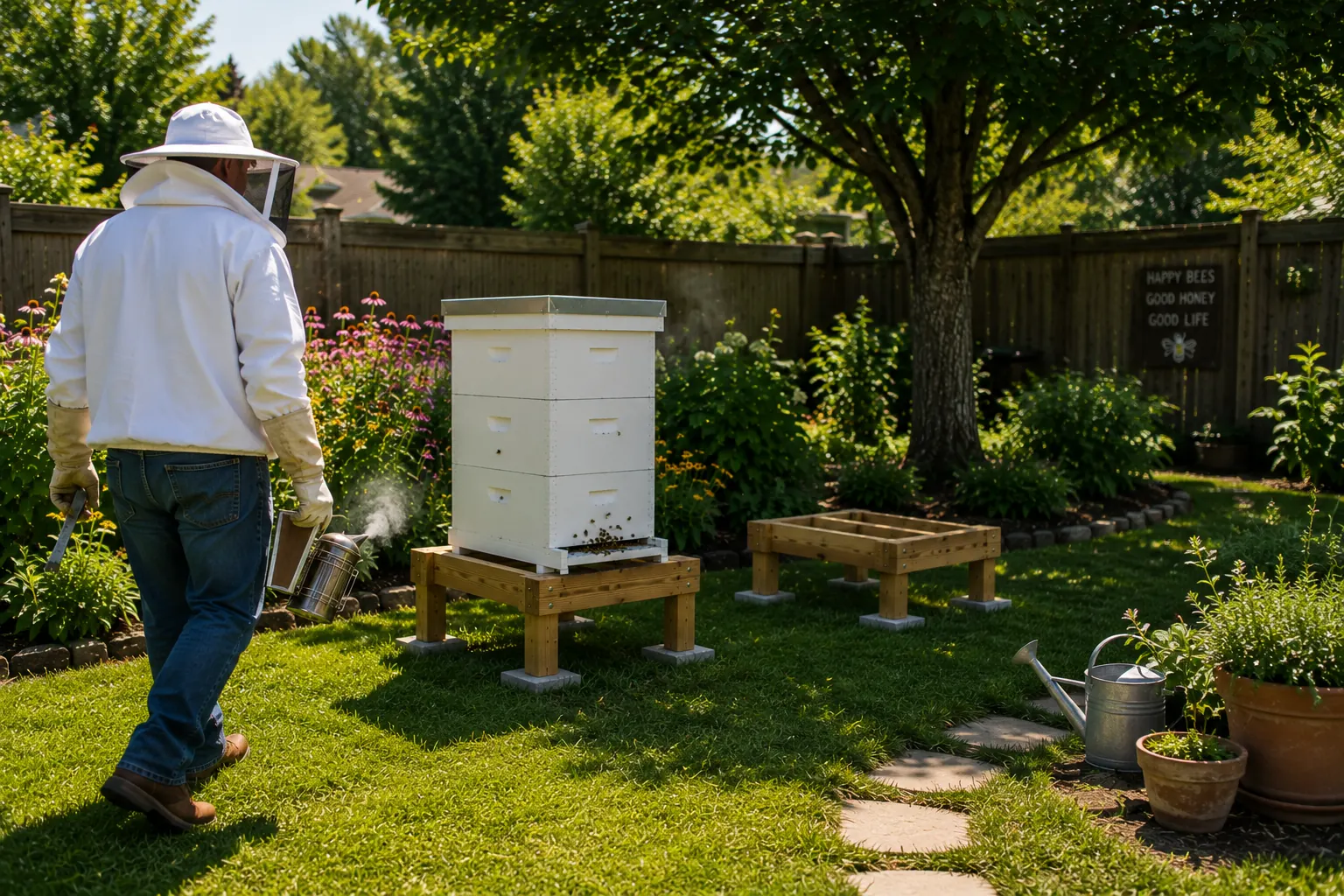
Should You Put the Hive Near Your Garden?
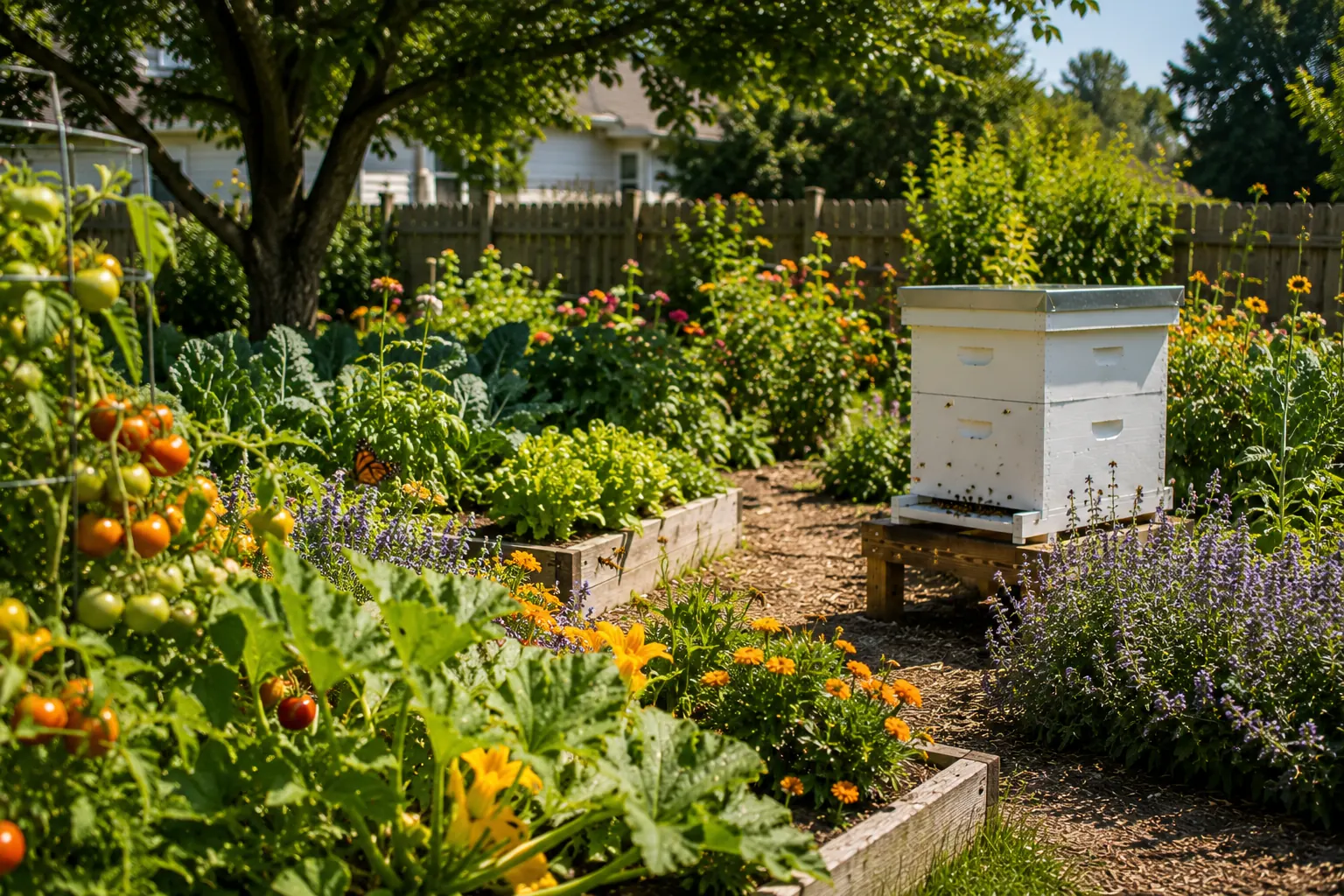
Beehive in the Garden

Absolutely.

In fact, many gardeners begin beekeeping specifically to improve pollination.

Nearby bees can increase pollination for many fruits, vegetables, and flowering plants.

Just avoid placing the hive directly in the middle of your primary gardening area where you’ll frequently be mowing, weeding, or harvesting crops within a few feet of the entrance.

A short distance away is usually ideal.

Should You Hide the Hive?

Some new beekeepers assume the hive should be hidden behind shrubs or tucked deep into the woods.

While privacy can be helpful, complete isolation often creates new problems.

Hidden hives can be:

  • Harder to inspect
  • Easier for wildlife to disturb
  • More difficult to monitor
  • Less convenient during honey harvests

Instead, choose a quiet area that’s accessible without making the hive difficult to reach.

Check Local Regulations First

Before purchasing bees, spend a few minutes checking your local rules.

Some communities regulate:

  • Number of hives allowed
  • Property setbacks
  • Water requirements
  • Registration requirements
  • Hive placement
  • Homeowners association restrictions

Many areas actively encourage backyard beekeeping, but it’s always better to understand the rules before bringing home your first colony.

Common Hive Placement Mistakes

Many first-year beekeepers discover these lessons the hard way.

Placing the Hive in Deep Shade

Too much shade can leave the hive damp and slow morning activity.

Choosing Poor Drainage

Standing water creates unnecessary moisture problems.

Blocking the Entrance

Tall grass, weeds, or equipment can interfere with normal bee traffic.

Keep the entrance clear throughout the season.

Ignoring Accessibility

If reaching the hive feels like hiking through the wilderness, routine inspections become much less enjoyable.

Forgetting Future Growth

Many people begin with one hive.

Then they discover how enjoyable beekeeping can be.

If possible, leave enough room for a second hive later.

Many experienced beekeepers smile when they say, “One hive rarely stays one hive.”

The Ideal Backyard Setup

A simple beginner apiary might look something like this:

  • Morning sun
  • Afternoon shade
  • Well-drained ground
  • Hive stand 12 to 18 inches above the ground
  • Entrance facing east or southeast
  • Water source nearby
  • Easy walking access
  • Natural wind protection
  • Plenty of room behind the hive for inspections

It doesn’t have to be perfect.

Honey bees are adaptable and can thrive in many different environments.

Happy Beekeeper

Final Thoughts

Choosing the right location is one of the easiest ways to give your bees a strong start.

You don’t need a massive property or a secluded meadow.

What matters most is providing a location that’s dry, accessible, protected from extreme conditions, and convenient enough that you’ll enjoy visiting your hive throughout the year.

Take a little extra time to select the right spot before your bees arrive.

It’s one decision that will benefit both you and your colony for years to come.

Ready to Build Your Beekeeping Skills?
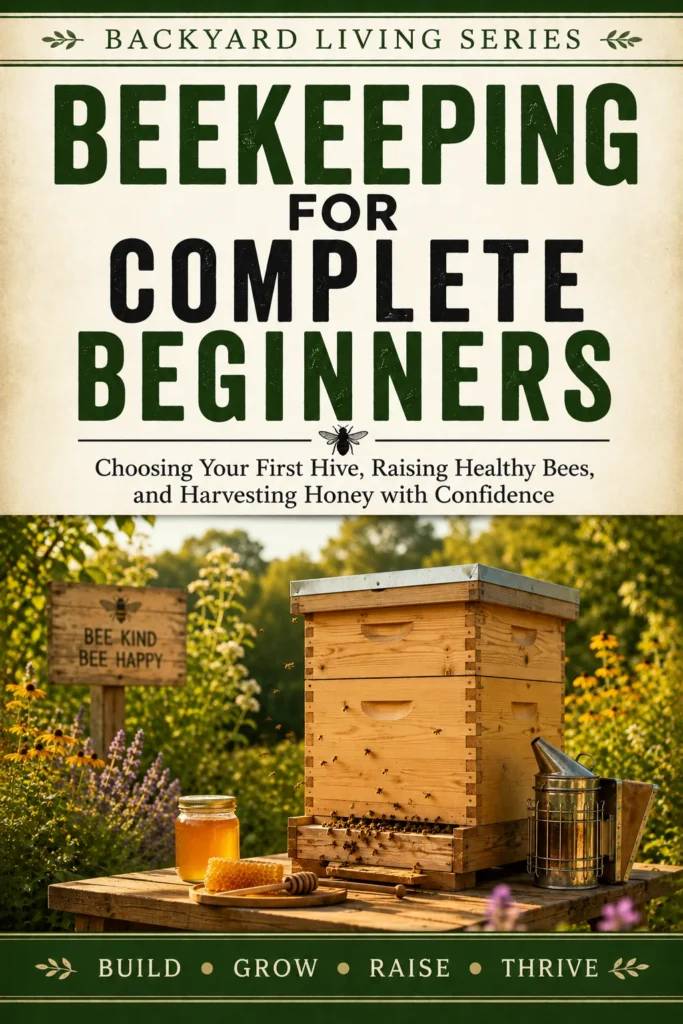
Beekeeping for Complete Beginners expands on each of these topics with clear, step-by-step guidance designed specifically for first-time beekeepers. From selecting your first hive and installing bees to seasonal care, honey harvesting, pest management, and troubleshooting common problems, the book provides practical instruction to help you build a thriving colony with confidence. 🐝

More Beekeeping Articles

Get Your FREE Backyard Starter Toolkit

Download our free Backyard Starter Toolkit, packed with printable planners, checklists, and beginner resources to help you build, grow, raise, and thrive.

Download Your Free Toolkit

About the Author

Steve McChesney is the founder of Backyard Living Books and has spent decades helping homeowners build, grow, raise, and preserve more from their own backyards. Through practical, beginner-friendly guides, he encourages people to tackle one backyard project at a time and enjoy the satisfaction that comes with learning new skills.

Scroll to Top