Backyard Learning Center

Learn practical backyard skills one project at a time through beginner-friendly articles, seasonal tips, and step-by-step guides that help you build, grow, raise, and thrive.

Choosing the Right Beehive

Langstroth vs. Top-Bar vs. Warre vs. Flow Hive
(July 2026 – Estimated Reading Time: 8 Minutes)

Bee Hive Styles

If you’ve decided to get started in beekeeping, congratulations! You’re about to begin one of the most rewarding hobbies around. Before you order your bees, however, there’s one important decision to make:

Which type of hive should you buy?

A quick online search reveals dozens of options, and it doesn’t take long before you’re wondering if you’ve accidentally stumbled into an engineering class.

The truth is that there isn’t one “perfect” hive. Each design has its own strengths, and the best choice depends on your goals, your budget, and how you plan to manage your bees.

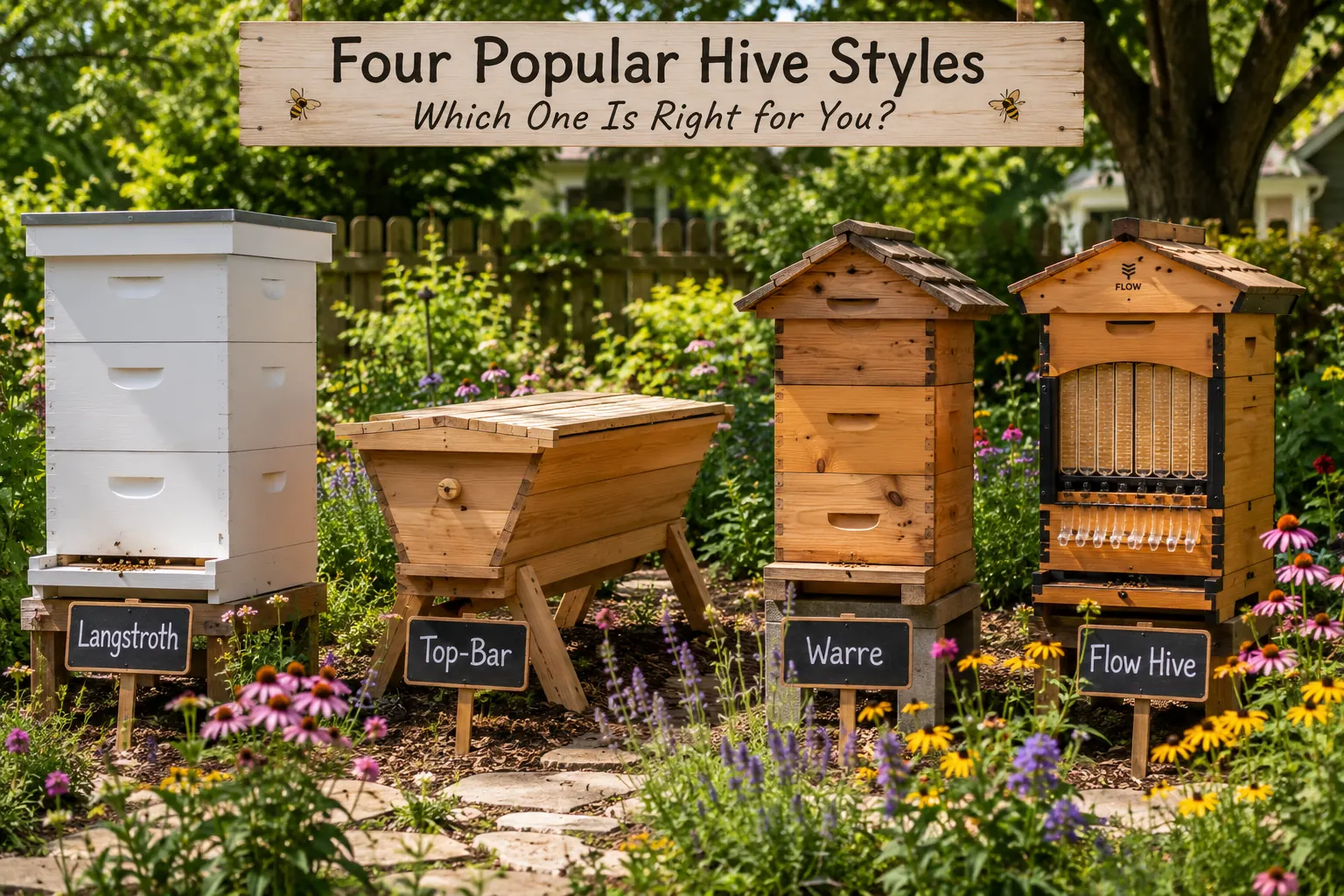
Let’s look at the four most popular hive styles so you can decide which one is right for you.

Why Your Hive Choice Matters

Your hive becomes your bees’ home, but it also determines how you’ll inspect the colony, harvest honey, expand your apiary, and perform routine maintenance.

Some hive designs prioritize maximum honey production.

Others focus on natural beekeeping.

Still others emphasize convenience.

Fortunately, all four of the hive styles below have been used successfully by thousands of beekeepers.

The Langstroth Hive

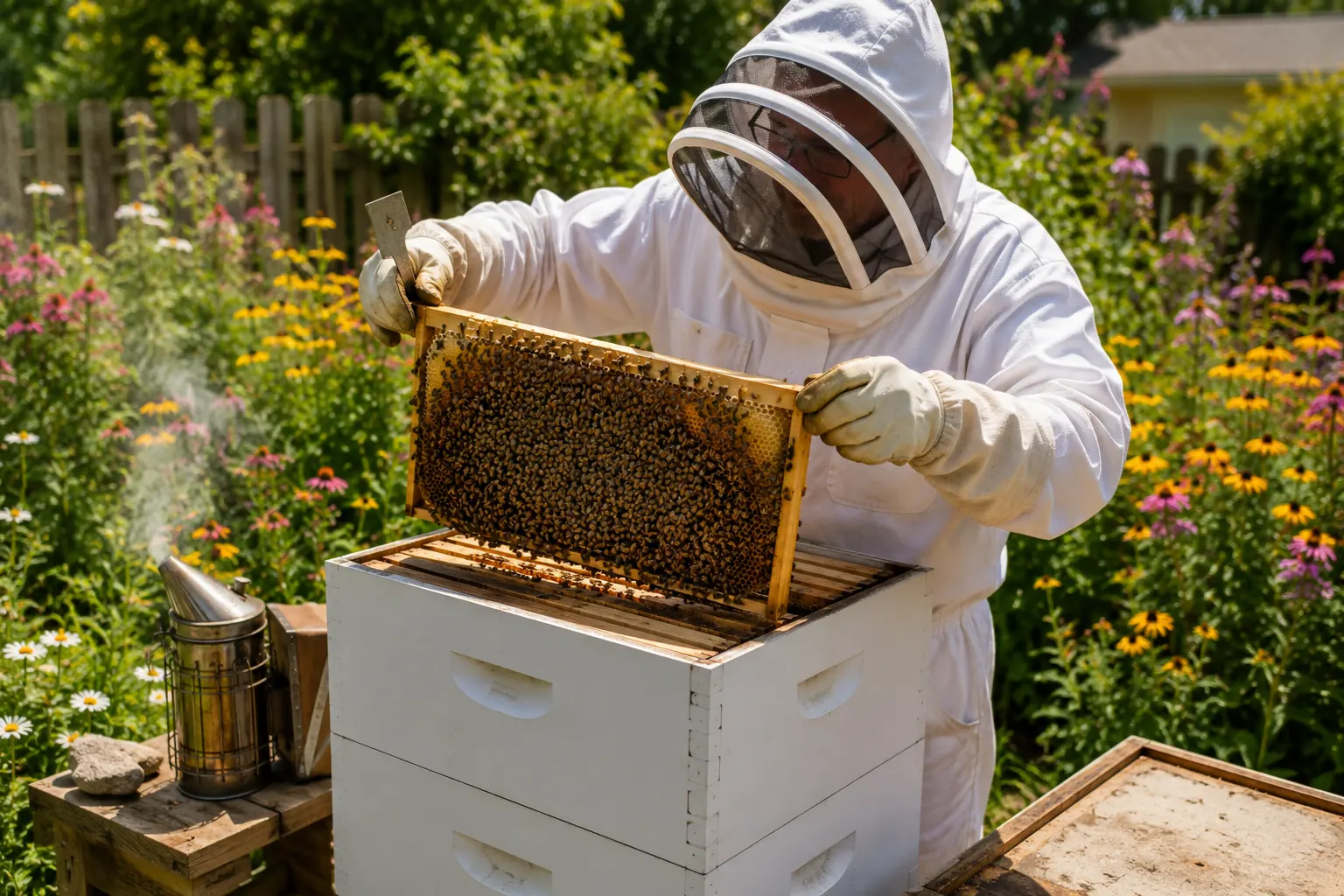
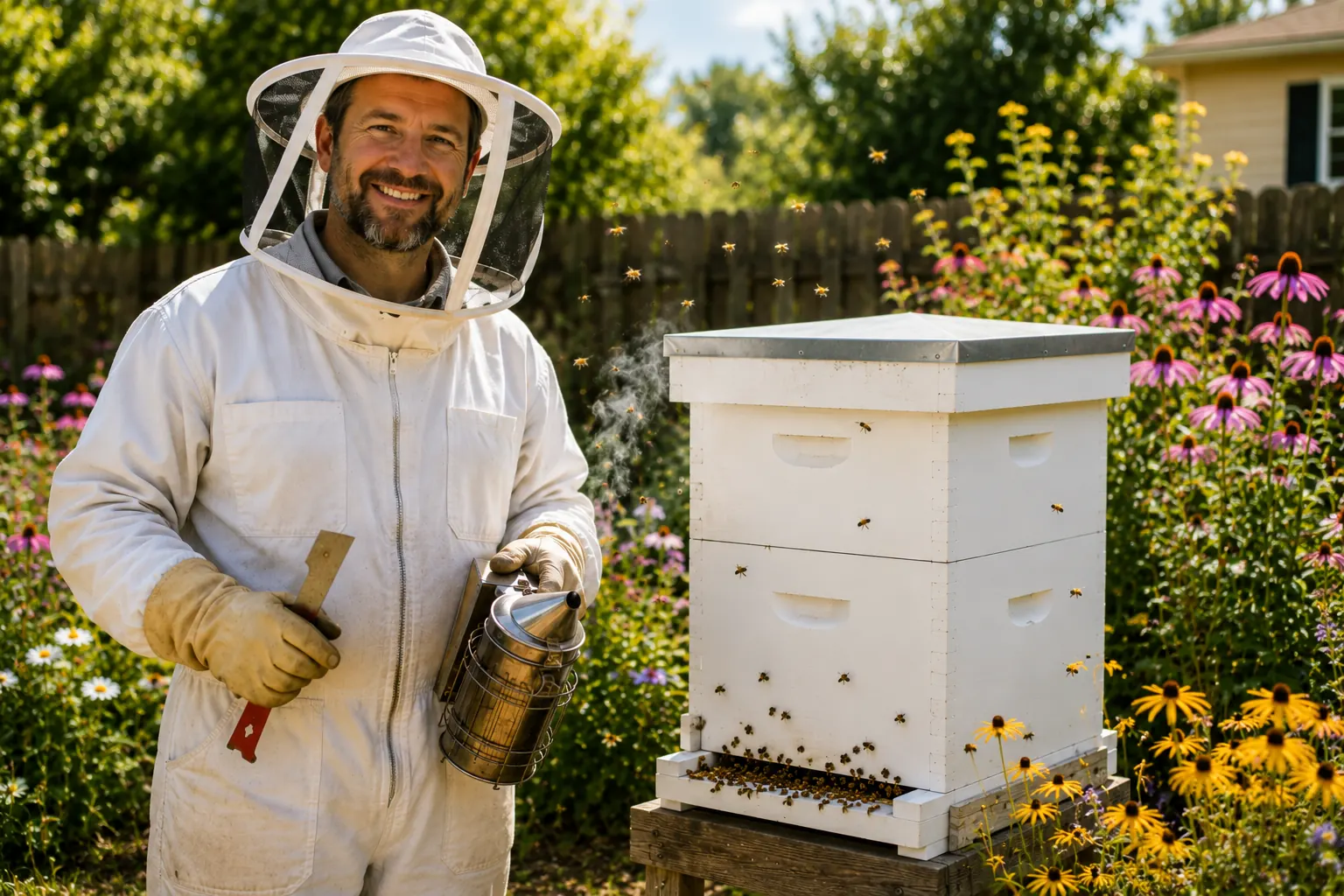
The Langstroth hive is by far the most popular hive in North America and is considered the standard for modern beekeeping.

Originally developed in the 1850s by Reverend Lorenzo Langstroth, its removable frame design revolutionized beekeeping and remains the foundation for most commercial operations today.

Langstroth Hive

How It Works

The hive is made up of stacked wooden boxes.

The bottom boxes serve as the brood chamber, where the queen lays eggs and young bees develop.

Additional boxes, called honey supers, are added as the colony grows.

Each box contains removable wooden frames that allow beekeepers to inspect every section of the hive without destroying the honeycomb.

Advantages

  • Easy to find equipment
  • Widely supported by books, videos, and local clubs
  • Excellent honey production
  • Expandable as colonies grow
  • Easy to inspect for pests and diseases
  • Replacement parts are available almost everywhere

Because it’s so common, you’ll also find it easier to receive advice from experienced beekeepers.

Disadvantages

  • Honey-filled boxes can weigh 60 to 90 pounds
  • Requires lifting stacked boxes during inspections
  • More equipment than some alternative hive styles

For most beginners, these drawbacks are minor compared to the many advantages.

Best For

  • First-time beekeepers
  • Maximum honey production
  • Anyone wanting the largest selection of equipment and educational resources

The Top-Bar Hive

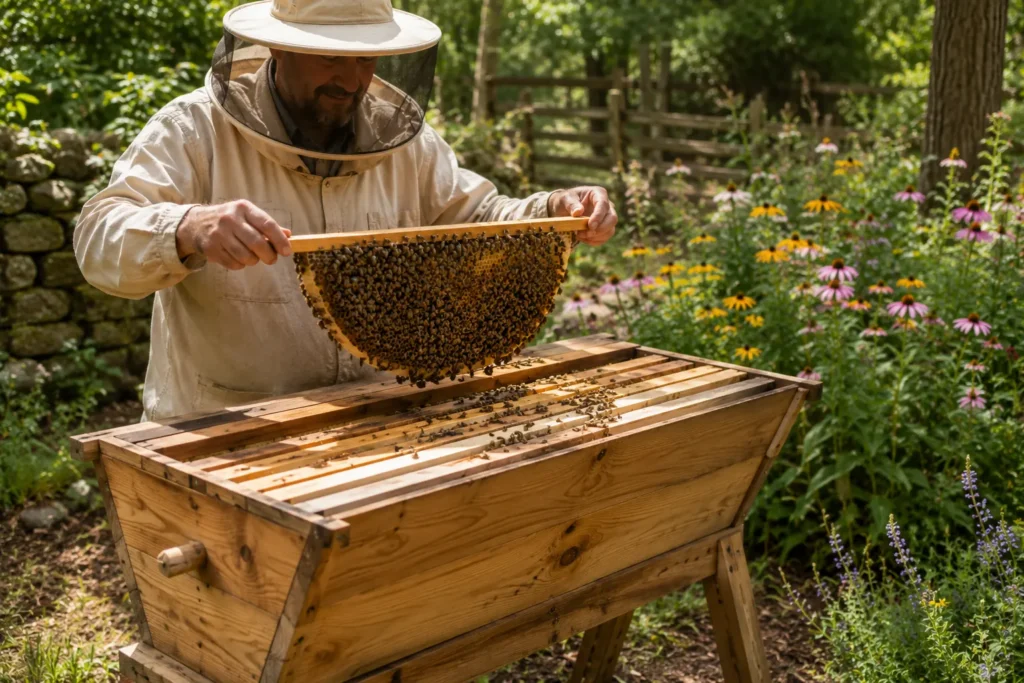
Top Bar Hive

The Top-Bar hive takes a very different approach.

Instead of stacking boxes vertically, the hive is one long horizontal box.

Bees build their comb downward from individual wooden bars placed across the top.

Each comb is inspected one at a time rather than lifting entire hive boxes.

Advantages

  • No heavy lifting
  • Simple construction
  • Lower startup cost
  • Comfortable working height
  • Encourages more natural comb building

Many hobbyists enjoy the slower pace and simplicity of working with Top-Bar hives.

Disadvantages

  • Lower honey production
  • Fragile natural comb can break during inspections
  • Fewer commercially available accessories
  • Less common among local beekeepers

Top-Bar hives also require a slightly different management style than Langstroth hives.

Best For

  • Backyard hobbyists
  • Those interested in natural beekeeping
  • Anyone unable to lift heavy hive boxes

The Warre Hive

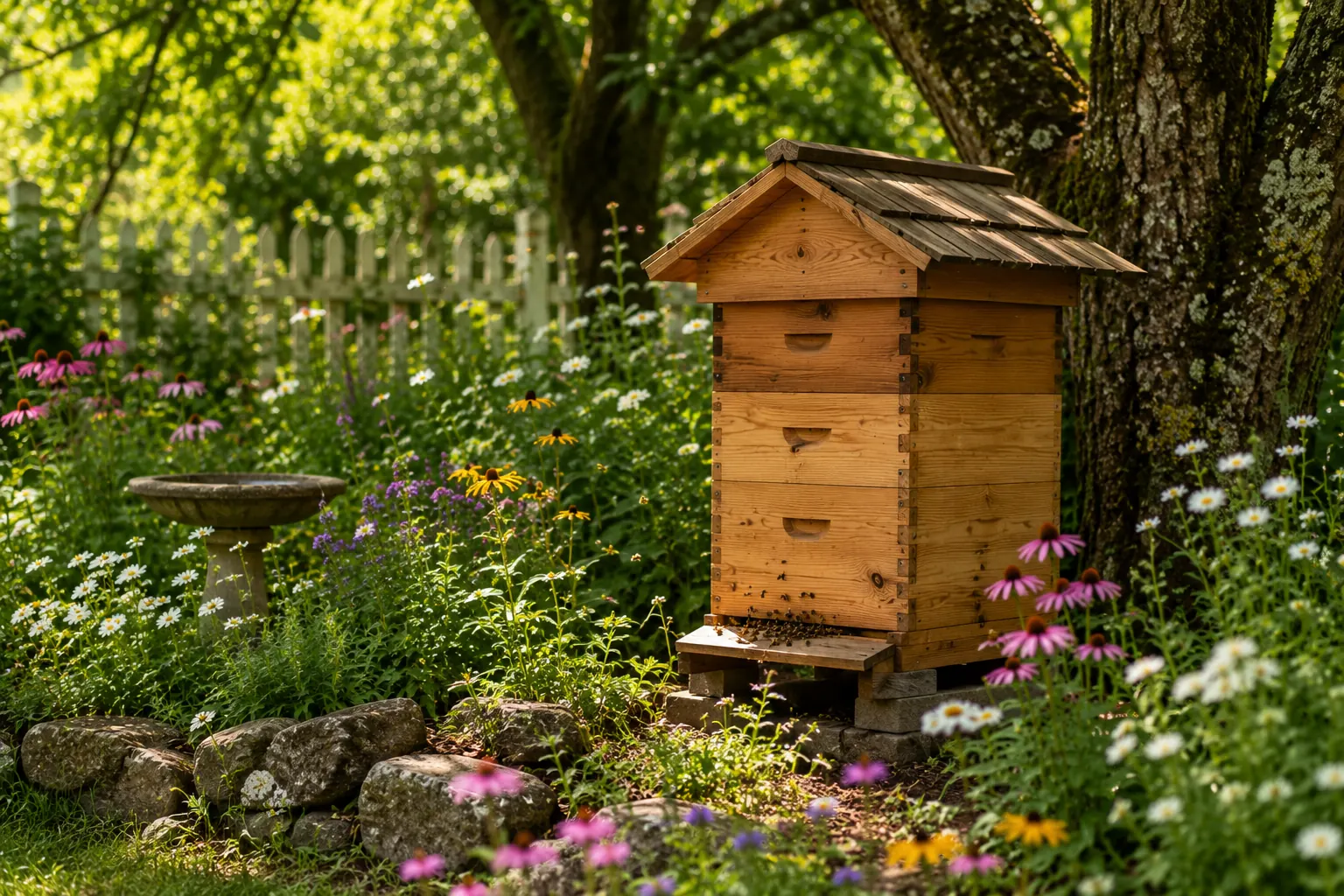
The Warre hive was designed to imitate how bees naturally live inside hollow trees while still allowing beekeepers to manage the colony.

Like the Langstroth hive, it uses stacked boxes.

However, the boxes are smaller and bees build natural comb from top bars rather than pre-installed foundation.

Warre Hive

Unlike Langstroth management, new boxes are typically added underneath the colony rather than on top.

Advantages

  • Natural comb construction
  • Excellent winter insulation
  • Minimal disturbance during inspections
  • Attractive traditional appearance

Many beekeepers appreciate the Warre hive’s emphasis on allowing bees to behave more naturally.

Disadvantages

  • Smaller honey harvests
  • Less common equipment
  • Fewer educational resources
  • Harvesting can be more involved

Finding replacement equipment locally may also be more difficult.

Best For

  • Natural beekeeping enthusiasts
  • Smaller backyard apiaries
  • Beekeepers interested in low-intervention management

The Flow Hive

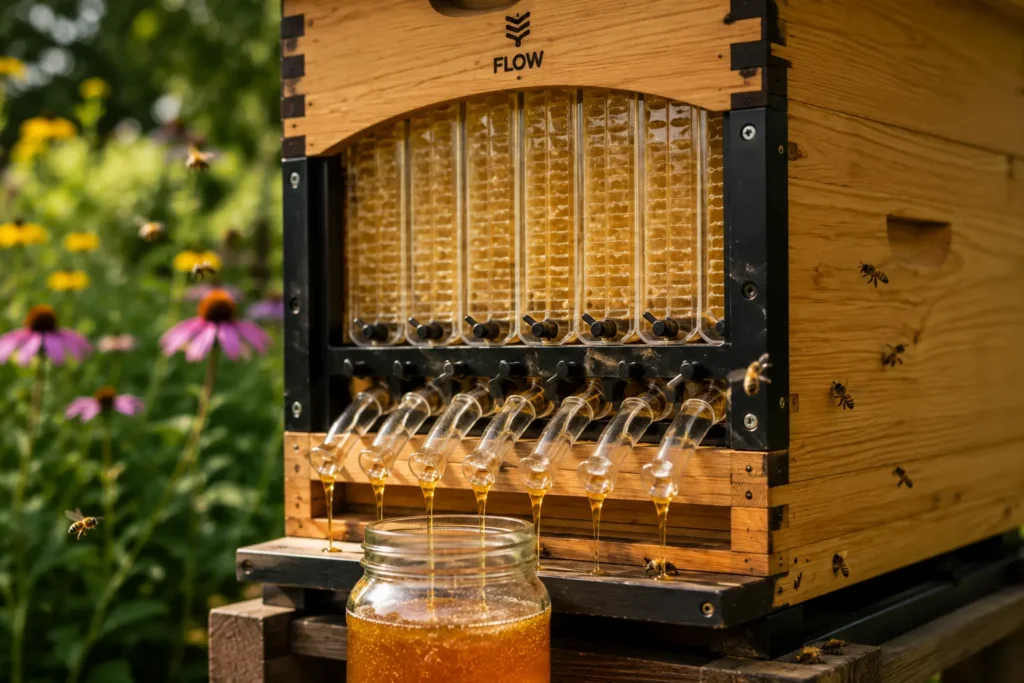
Flow Hive

The Flow Hive generated enormous excitement when it was introduced.

Its unique honey harvesting system allows honey to drain directly from specially designed plastic frames through a tube without removing frames or opening the hive.

It’s certainly an impressive piece of engineering.

Advantages

  • Extremely easy honey harvesting
  • Minimal disturbance during harvest
  • Beautiful craftsmanship
  • Great educational value

Watching fresh honey flow directly into a jar is undeniably satisfying.

Disadvantages

  • Higher purchase price
  • Replacement parts are proprietary
  • Still requires normal hive inspections
  • Does not eliminate regular beekeeping tasks

One common misconception is that Flow Hives require little maintenance.

In reality, bees still need routine inspections for queen health, brood development, pests, diseases, and food stores.

The Flow system changes how honey is harvested, not how bees are managed.

Best For

  • Hobbyists primarily interested in honey harvesting
  • Homeowners who enjoy innovative equipment
  • Experienced beginners willing to invest more upfront

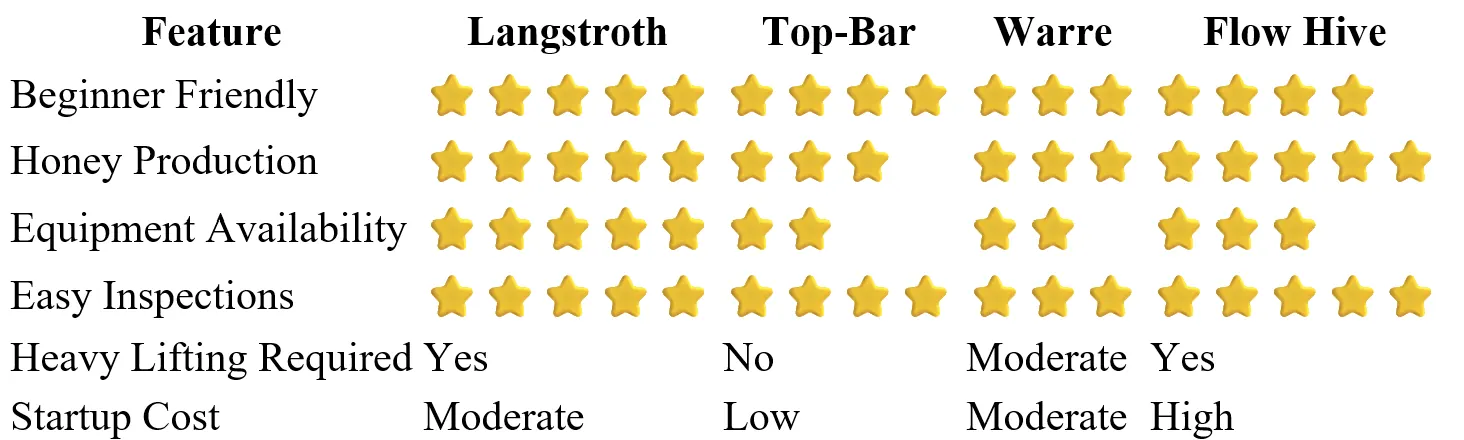
Comparing the Four Hive Styles

Which Hive Produces the Most Honey?

When managed properly, the Langstroth and Flow Hive systems generally produce the largest honey harvests.

Top-Bar and Warre hives often produce somewhat less honey because bees invest more energy into building natural comb.

For many hobbyists, however, maximum honey production isn’t the primary goal.

Some prefer simpler management or allowing bees to build comb naturally.

Which Hive Is Easiest for Beginners?

If you’re new to beekeeping, the answer is simple.

The Langstroth hive remains the best choice for most beginners.

Here’s why:

  • Every beginner beekeeping class teaches it.
  • Most local mentors use it.
  • Nearly every instructional book is based on it.
  • Equipment is widely available.
  • It’s easy to expand later.
  • Finding replacement parts is simple.

Starting with the system used by most other beekeepers makes learning much easier.

Can You Switch Later?

Absolutely.

Many experienced beekeepers eventually own multiple hive styles.

Some keep Langstroth hives for honey production while maintaining a Top-Bar or Warre hive simply because they enjoy working with different systems.

Beginning with one style doesn’t lock you into it forever.

Our Recommendation

If someone asked us which hive to buy for their very first colony, we’d recommend a quality Langstroth hive without hesitation.

It offers the best combination of:

  • Proven success
  • Educational support
  • Equipment availability
  • Flexibility
  • Honey production
  • Long-term value

Once you’ve gained experience, you’ll have a much better understanding of whether another hive style matches your personal interests.

Final Thoughts

Every hive discussed here is capable of supporting a healthy colony.

The bees don’t read product catalogs, and they certainly don’t care what logo is stamped on the outside of the box.

What matters most is having a beekeeper who understands the basics of colony management and regularly monitors the hive throughout the season.

Choose a hive that fits your goals, invest in quality equipment, and focus on learning your bees.

That’s a far more important ingredient for success than the style of hive you select.

Ready to Start Your Beekeeping Journey?
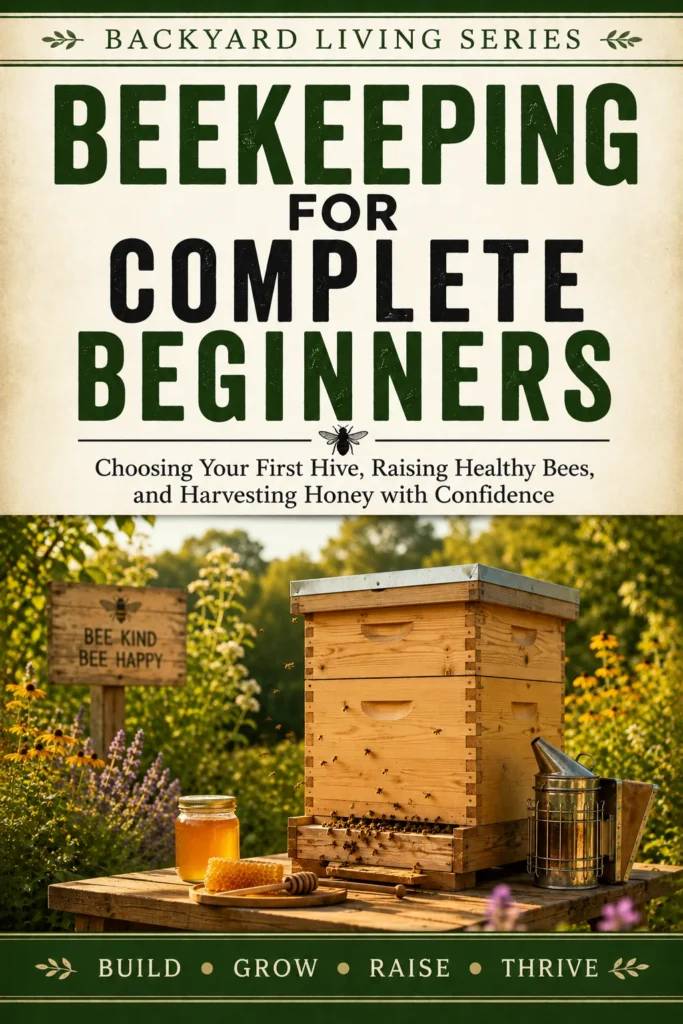
Beekeeping for Complete Beginners expands on each of these topics with clear, step-by-step guidance designed specifically for first-time beekeepers. From selecting your first hive and installing bees to seasonal care, honey harvesting, pest management, and troubleshooting common problems, the book provides practical instruction to help you build a thriving colony with confidence. 🐝

More Beekeeping Articles

Get Your FREE Backyard Starter Toolkit

Download our free Backyard Starter Toolkit, packed with printable planners, checklists, and beginner resources to help you build, grow, raise, and thrive.

👉 Download Your Free Toolkit

About the Author

Steve McChesney is the founder of Backyard Living Books and has spent decades helping homeowners build, grow, raise, and preserve more from their own backyards. Through practical, beginner-friendly guides, he encourages people to tackle one backyard project at a time and enjoy the satisfaction that comes with learning new skills.

Scroll to Top