
Backyard Learning Center
Learn practical backyard skills one project at a time through beginner-friendly articles, seasonal tips, and step-by-step guides that help you build, grow, raise, and thrive.
Beekeeping for Beginners
Everything You Need to Know Before Buying Your First Hive
(July 2026 – Estimated Reading Time: 8 Minutes)
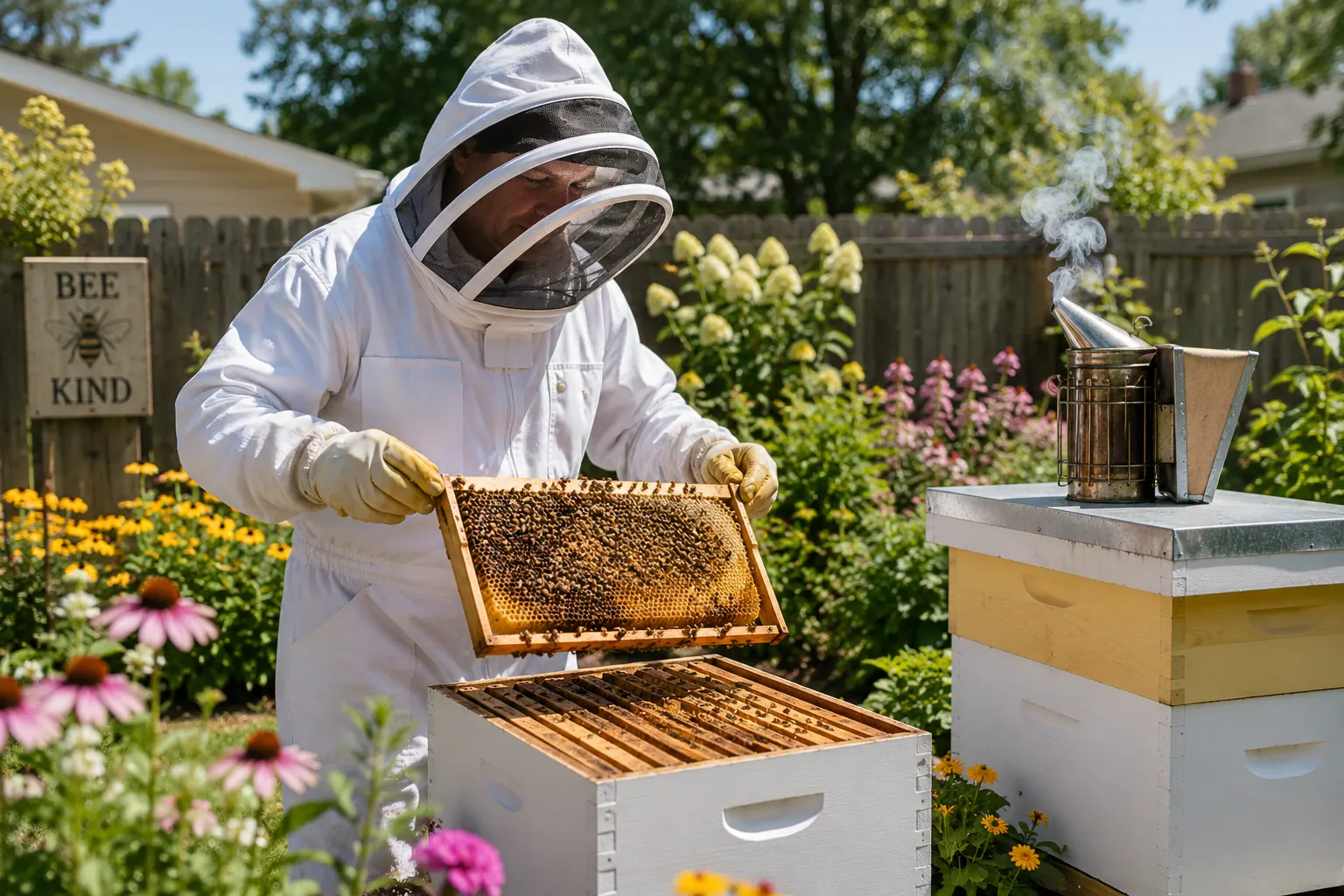
There is something fascinating about watching honey bees at work. A single worker bee may visit thousands of flowers in a day, quietly gathering nectar and pollen while helping gardens, orchards, and wild plants thrive. It’s no surprise that more homeowners are discovering the rewards of backyard beekeeping.
If you’ve ever thought, “I’d love to keep bees, but I have no idea where to start,” you’re in good company.
The good news is that beekeeping isn’t nearly as intimidating as it may seem. With a little preparation and a willingness to learn, almost anyone can successfully manage a healthy hive. This guide will walk you through the basics so you can decide if beekeeping is right for you.
Why More People Are Becoming Beekeepers
Beekeeping has grown rapidly over the past decade for several reasons.
Many gardeners discover that adding bees dramatically improves pollination, leading to larger vegetable harvests and healthier fruit trees. Others enjoy producing their own honey, beeswax, and other hive products. Many simply appreciate helping an insect that plays a vital role in our food supply.
A healthy honey bee colony can pollinate millions of flowers throughout the growing season, benefiting not only your yard but your entire neighborhood.
For many people, beekeeping becomes more than a hobby. It becomes an opportunity to spend time outdoors while learning about one of nature’s most organized communities.
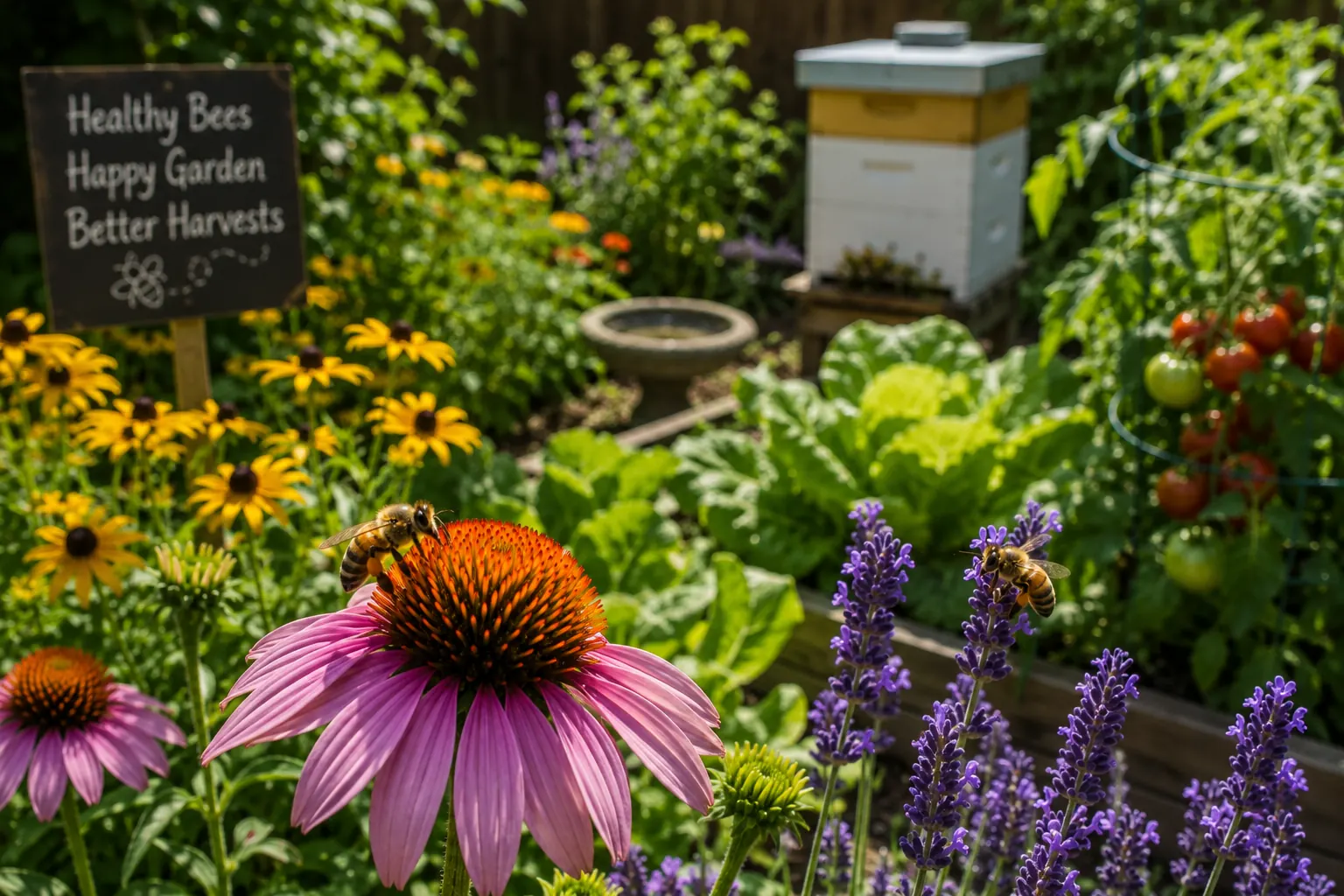
Is Beekeeping Difficult?
One of the biggest misconceptions is that beekeeping requires years of experience or specialized knowledge.
The truth is that beginners successfully start new hives every year.
Like gardening, raising chickens, or growing fruit trees, there is certainly a learning curve. However, most of the routine tasks are straightforward once you understand the basics.
Successful beekeepers aren’t necessarily experts. They’re people who regularly observe their colonies, continue learning, and address small problems before they become larger ones.
How Much Space Do You Need?
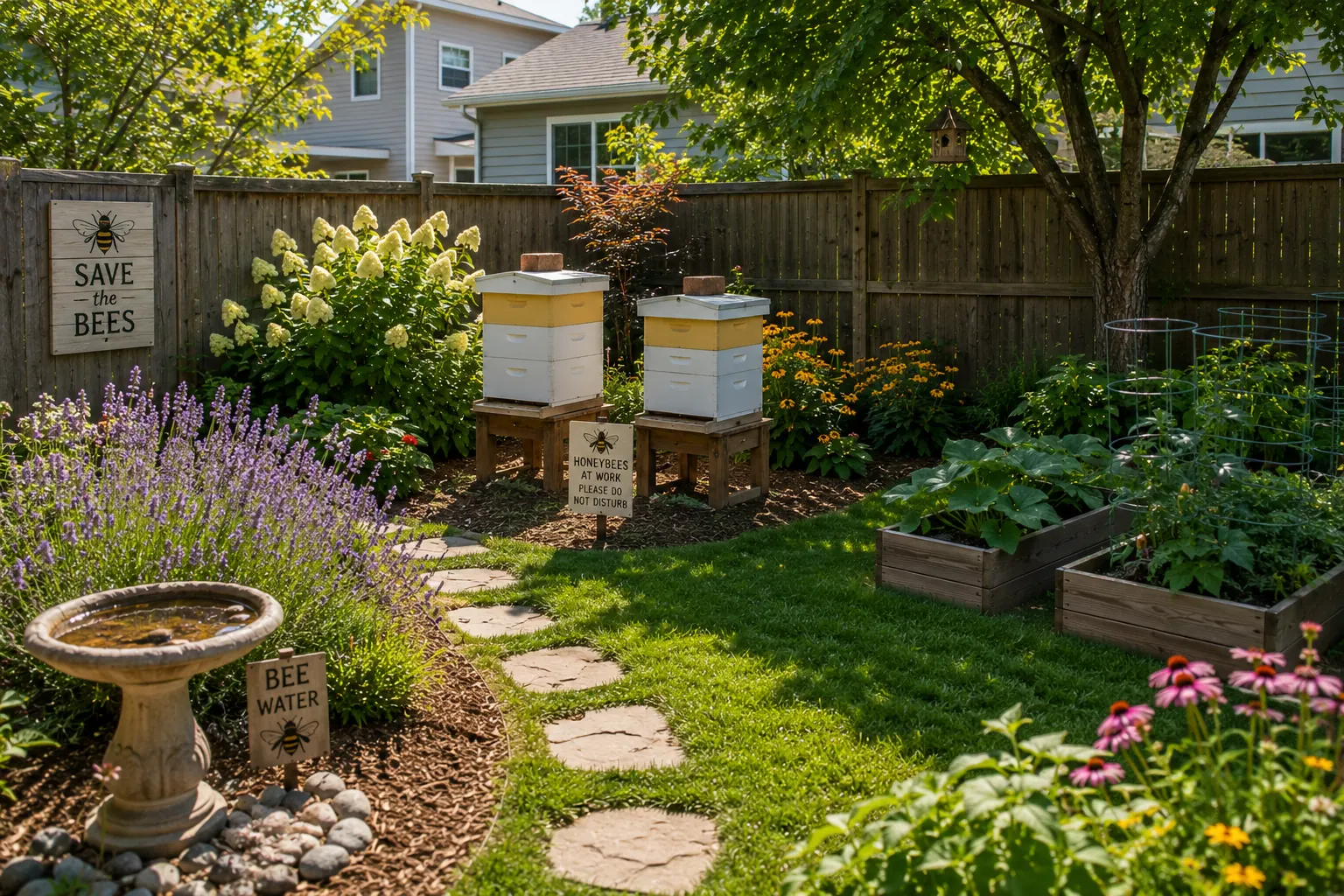
One of the pleasant surprises for many beginners is how little space bees actually require.
A single hive occupies only a few square feet, making beekeeping possible in many suburban backyards. Bees spend their days flying several miles in search of nectar and pollen, so they don’t rely on your property alone for food.
When choosing a location, look for an area that provides:
- Morning sunlight
- Good drainage
- Protection from strong winds
- Easy access for inspections
- A nearby water source
Many successful backyard apiaries consist of just one or two hives tucked into a quiet corner of the yard.
Always check local ordinances and homeowners association rules before purchasing bees. While many communities allow backyard beekeeping, some have specific requirements regarding hive placement or the number of colonies permitted.
How Much Time Does Beekeeping Take?
This question surprises many new beekeepers.
During the active spring and summer months, a healthy hive typically requires an inspection every one to two weeks. Most inspections take between 20 and 30 minutes.
Additional seasonal tasks include:
- Installing new packages or nucleus colonies
- Adding hive boxes as the colony grows
- Monitoring for pests and diseases
- Harvesting honey
- Preparing the hive for winter
Altogether, many hobby beekeepers spend only a few hours each month actively working with their bees.
The majority of your time is spent observing them, and that’s one of the most enjoyable parts of the hobby.
What Equipment Will You Need?
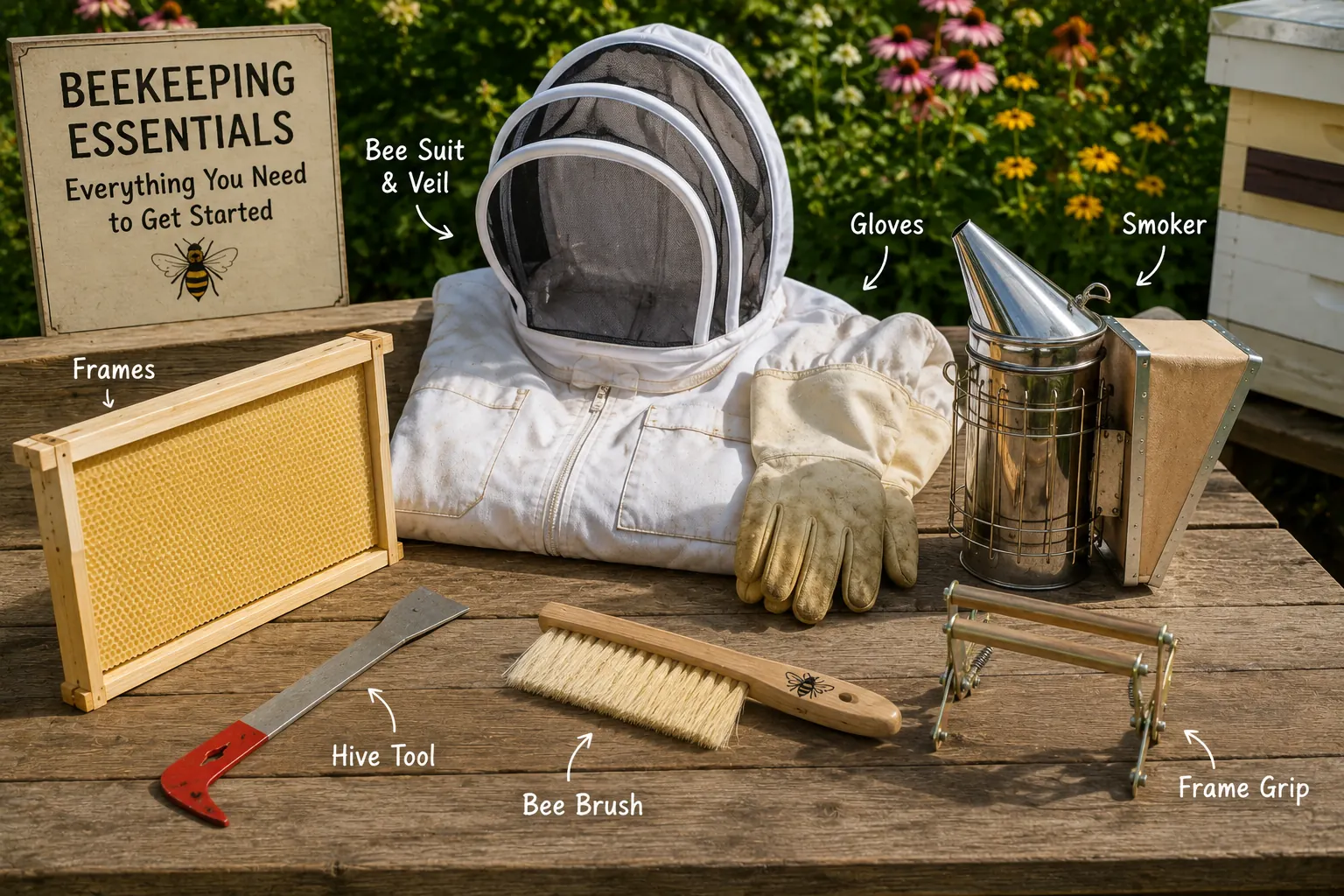
You don’t need an entire workshop to begin beekeeping, but you will need several essential pieces of equipment.
A Beehive
The hive becomes your bees’ permanent home.
The Langstroth hive remains the most popular choice for beginners because replacement parts, accessories, and educational resources are widely available.
Other options include Top-Bar, Warre, and Flow Hives, each offering unique advantages depending on your goals.
Protective Clothing
A quality bee suit or jacket helps new beekeepers work with confidence.
Most beginners should wear:
- Bee veil
- Protective jacket or full suit
- Gloves
- Long pants
- Closed-toe boots or shoes
As your confidence grows, you may find yourself using less protective gear, but it’s always better to begin with more protection than less.
Smoker
A smoker is one of the most valuable tools in beekeeping.
Cool smoke encourages bees to remain calm during inspections by interrupting their alarm signals. Properly used, a smoker helps make hive inspections safer for both you and the colony.
Hive Tool
Think of the hive tool as the beekeeper’s pocketknife.
It helps separate hive boxes that have been sealed with propolis, scrape away excess wax, and lift frames during inspections.
No beekeeper should be without one.
Bees
Finally, you’ll need your colony.
Most beginners purchase either:
- A package of bees
- A nucleus colony (often called a “nuc”)
A nuc contains an established queen, brood, workers, and food stores, making it one of the easiest ways for beginners to start.
How Much Does It Cost to Get Started?
Startup costs vary depending on the equipment you choose, but many new beekeepers spend between $500 and $900 for a complete beginner setup.
Typical expenses include:
Item | Estimated Cost |
Complete hive | $200-$350 |
Bee suit & gloves | $80-$180 |
Smoker | $30-$60 |
Hive tool | $10-$20 |
Bees | $150-$250 |
Miscellaneous supplies | $50-$100 |
Total Cost $520-$960
Much of this equipment lasts for many years with proper care.
What Do Bees Actually Need From You?
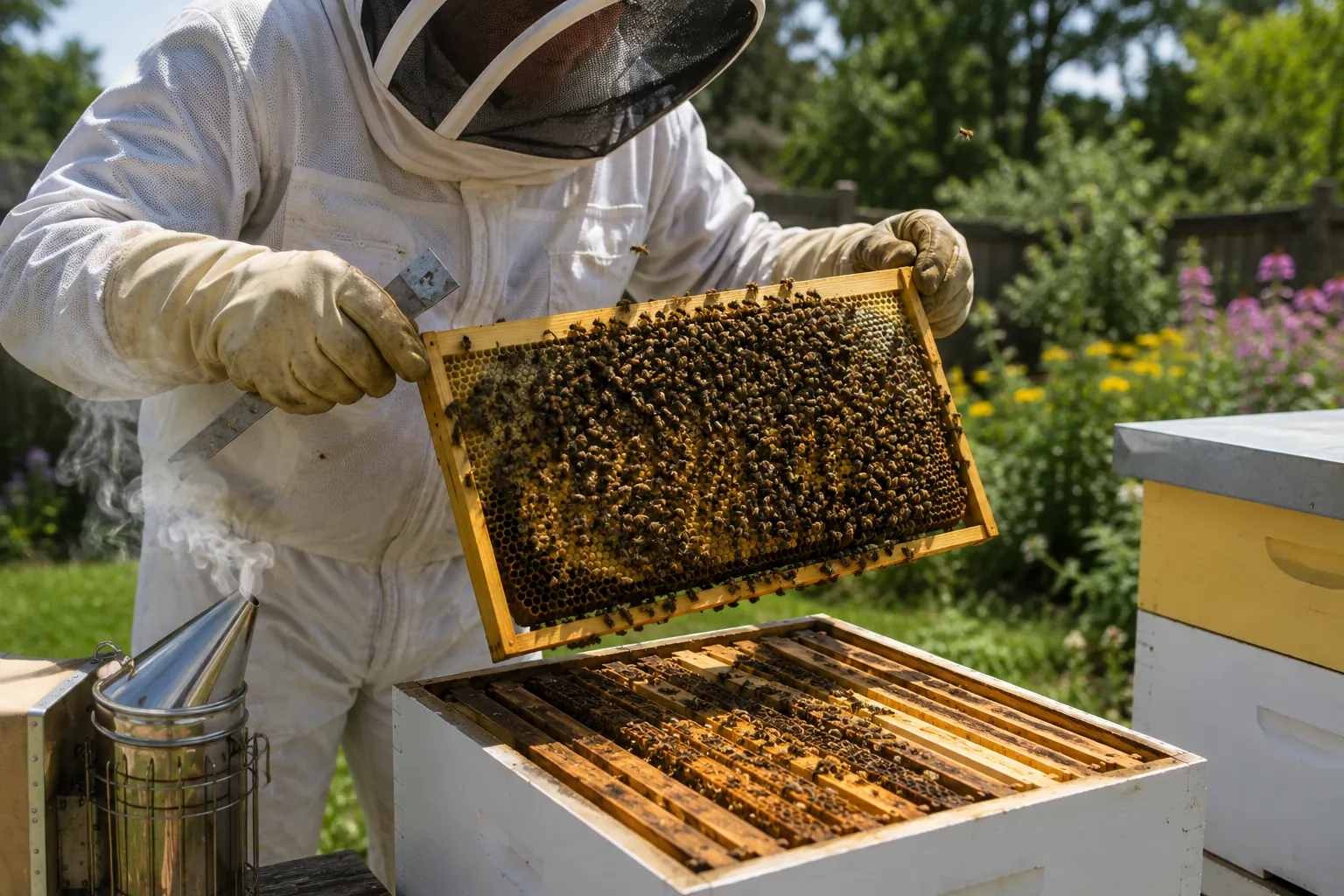
Unlike many pets or livestock, bees are remarkably self-sufficient.
Your primary role is to act as a steward rather than a caretaker.
That means:
- Providing a safe hive
- Monitoring food stores
- Checking for pests and diseases
- Making sure the queen is healthy
- Giving the colony additional space when needed
The bees handle the rest.
They build comb, raise young, gather nectar, defend the hive, regulate temperature, and produce honey without any instruction from us.
Are Honey Bees Dangerous?
This is often the first concern people have.
The reality is that honey bees are generally gentle when left undisturbed.
Most foraging bees have little interest in people because they’re focused entirely on collecting nectar and pollen.
Stings usually occur when bees believe their hive is threatened or when one is accidentally stepped on or trapped against clothing.
Calm movements, proper protective gear, and regular inspections greatly reduce the chances of being stung.
Anyone with a known allergy to bee stings should consult their physician before taking up beekeeping.
What About Honey?
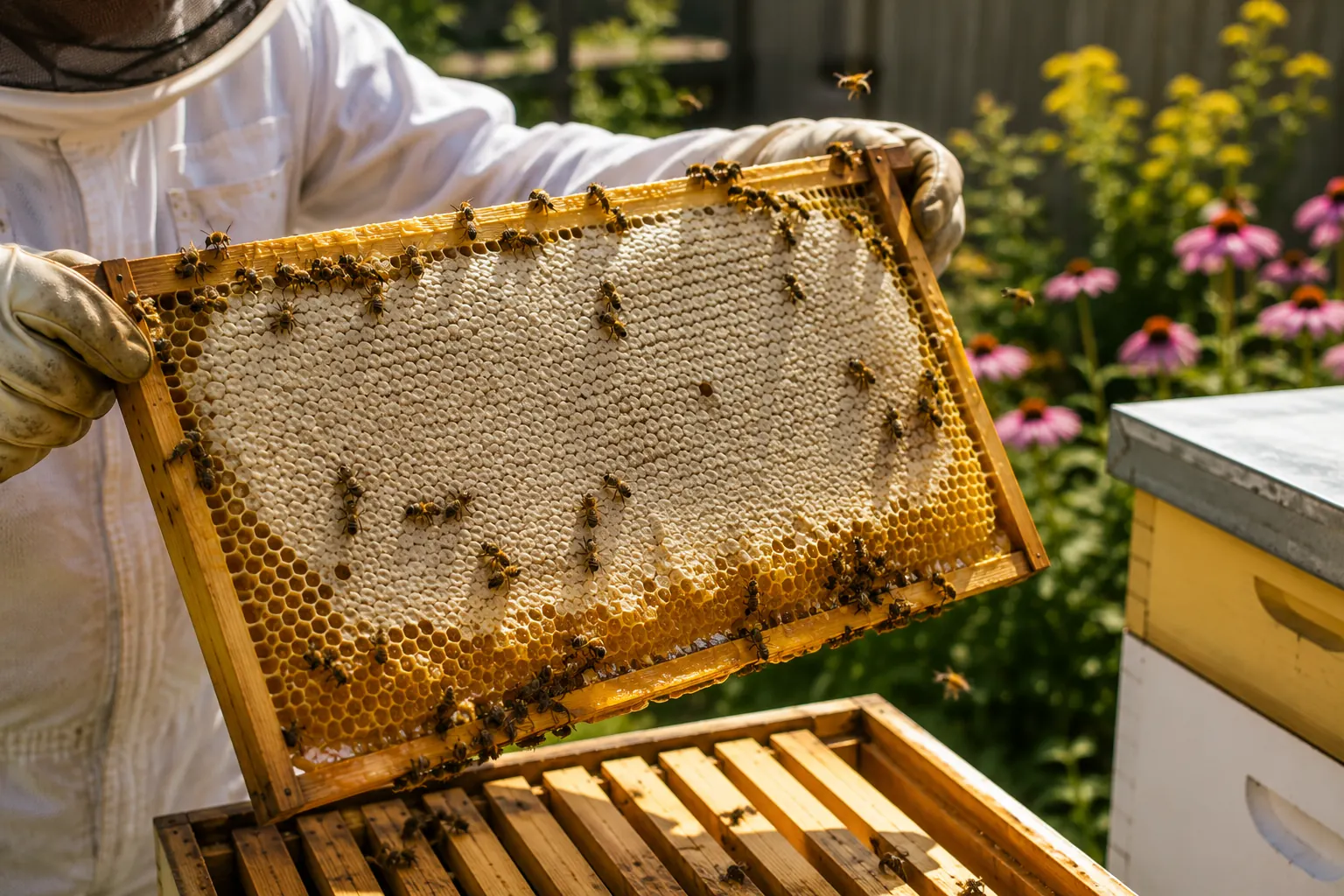
Many beginners dream about harvesting jars of fresh backyard honey.
While that certainly happens, patience is important.
A first-year colony often spends most of its energy building comb and establishing itself. Depending on your climate and nectar flow, some new hives produce little or no surplus honey during their first season.
By the second year, a healthy colony can often produce a generous honey crop while still storing enough food for winter.
The reward is honey that reflects the flowers blooming around your own home.
No two harvests are exactly alike.
Common Beginner Mistakes
Nearly every experienced beekeeper has made mistakes while learning.
Fortunately, most are easy to avoid.
Buying Bees Before You’re Ready
Have your hive assembled and positioned before your bees arrive.
Trying to build equipment while caring for thousands of newly arrived bees creates unnecessary stress.
Skipping Hive Inspections
Regular inspections help identify problems while they’re still manageable.
Waiting too long between inspections can allow pests, disease, or queen problems to grow unnoticed.
Opening the Hive Too Often
While inspections are important, constant interruptions create unnecessary stress for the colony.
Inspect with a purpose rather than out of curiosity.
Ignoring Varroa Mites
Varroa mites are considered the greatest threat facing modern honey bees.
Every beekeeper should learn how to monitor mite levels and respond before infestations become severe.
Healthy colonies begin with healthy bees.
Expecting Instant Honey
A thriving colony takes time to develop.
Focus first on building a healthy hive rather than harvesting honey as quickly as possible.
Your patience will be rewarded.
The Rewards Go Far Beyond Honey
Ask experienced beekeepers why they continue keeping bees, and many rarely mention the honey first.
Instead, they’ll talk about:
- Watching thousands of bees work together as one colony.
- Seeing gardens become more productive.
- Learning something new every season.
- Sharing honey with family and friends.
- Spending quiet time outdoors.
Many describe beekeeping as one of the most rewarding hobbies they’ve ever pursued.
There is always something new to discover, whether it’s observing a queen laying eggs, watching young bees emerge, or seeing the hive prepare for winter.
No two seasons are ever exactly the same.
Is Beekeeping Right for You?
If you enjoy gardening, spending time outdoors, or learning practical skills, there’s a good chance you’ll enjoy beekeeping as well.
You don’t need acres of land.
You don’t need decades of experience.
You don’t even need to know everything before you begin.
What you do need is curiosity, patience, and a willingness to learn from your bees.
Every experienced beekeeper started with a single hive and a long list of questions.
The first step is simply deciding to begin.
Ready to Learn More?
Starting your first hive is much easier when you have a trusted guide to walk you through the process.
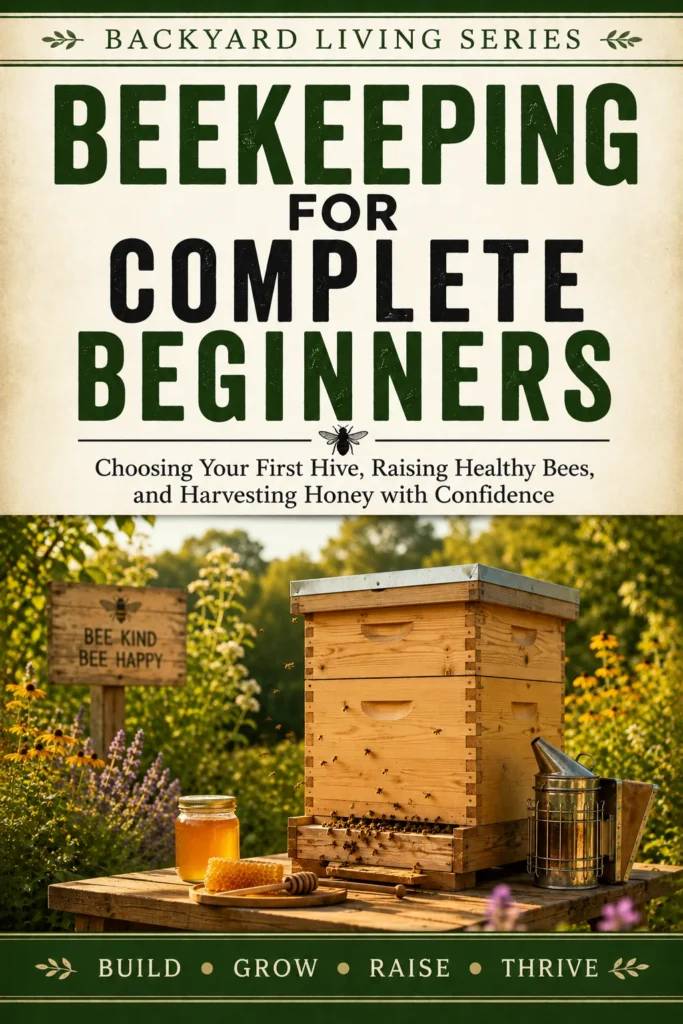
Beekeeping for Complete Beginners takes you from choosing your first hive and selecting your bees to performing inspections, managing seasonal care, preventing common problems, and harvesting your own honey with confidence.
Whether your goal is producing fresh honey, improving your garden’s pollination, or discovering a rewarding new hobby, you’ll find clear, beginner-friendly guidance designed to help you succeed from day one.
Get Your FREE Backyard Starter Toolkit
Download our free Backyard Starter Toolkit, packed with printable planners, checklists, and beginner resources to help you build, grow, raise, and thrive.
More Beekeeping Articles
If you found this article helpful, these beginner guides are a great next step:
About the Author
Steve McChesney is the founder of Backyard Living Books and has spent decades helping homeowners build, grow, raise, and preserve more from their own backyards. Through practical, beginner-friendly guides, he encourages people to tackle one backyard project at a time and enjoy the satisfaction that comes with learning new skills.