Backyard Learning Center
Learn practical backyard skills one project at a time through beginner-friendly articles, seasonal tips, and step-by-step guides that help you build, grow, raise, and thrive.
10 Beginner Beekeeping Mistakes
(And How to Avoid Them)
(July 2026 – Estimated Reading Time: 8 Minutes)
Every experienced beekeeper has a story about the mistake they made during their first season.
Maybe they opened the hive too often.
Maybe they harvested honey too early.
Perhaps they underestimated Varroa mites or forgot to provide enough room for a growing colony.
The encouraging news is that mistakes are part of learning. Most are easy to avoid once you know what to watch for.
If you’re preparing to start your first hive, here are ten common beginner mistakes and the simple steps that can help you avoid them.
1. Buying Bees Before Your Hive Is Ready
The excitement of ordering bees often leads people to purchase a package or nucleus colony before assembling their equipment.
Then the bees arrive.
The hive is still in pieces.
Paint hasn’t dried.
Frames haven’t been installed.
Suddenly, what should have been an exciting day becomes stressful.
How to Avoid It
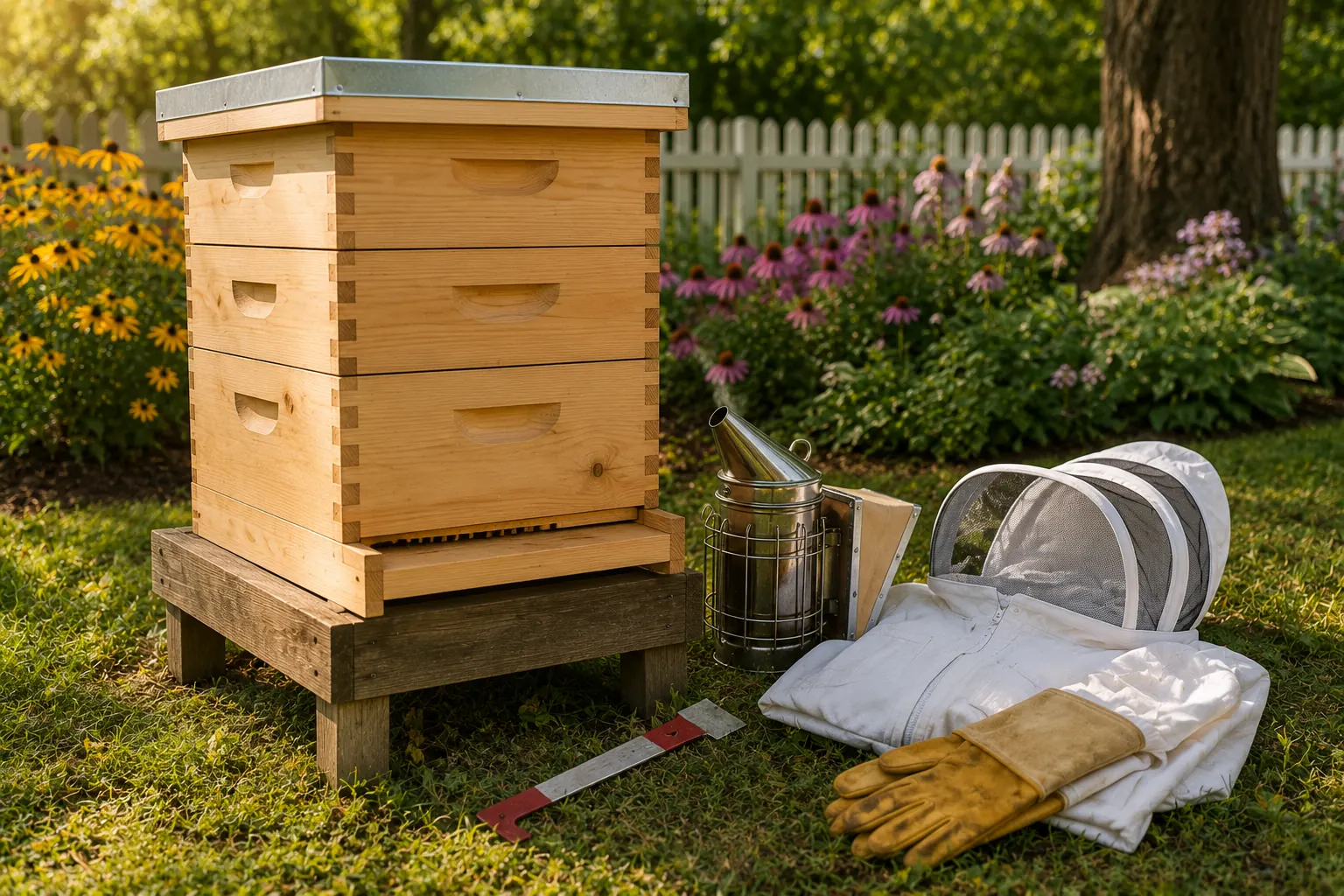
Assemble your hive several weeks before your bees arrive.
Place it in its permanent location.
Double-check that everything is level, secure, and ready for occupancy.
When your bees arrive, all you’ll need to do is install them.
2. Choosing the Wrong Location
Your hive’s location affects everything from colony health to your own enjoyment of beekeeping.
A poor location can create unnecessary challenges.
Common problems include:
- Poor drainage
- Constant shade
- Strong winds
- Difficult access
- High foot traffic
- Disturbing nearby neighbors
How to Avoid It
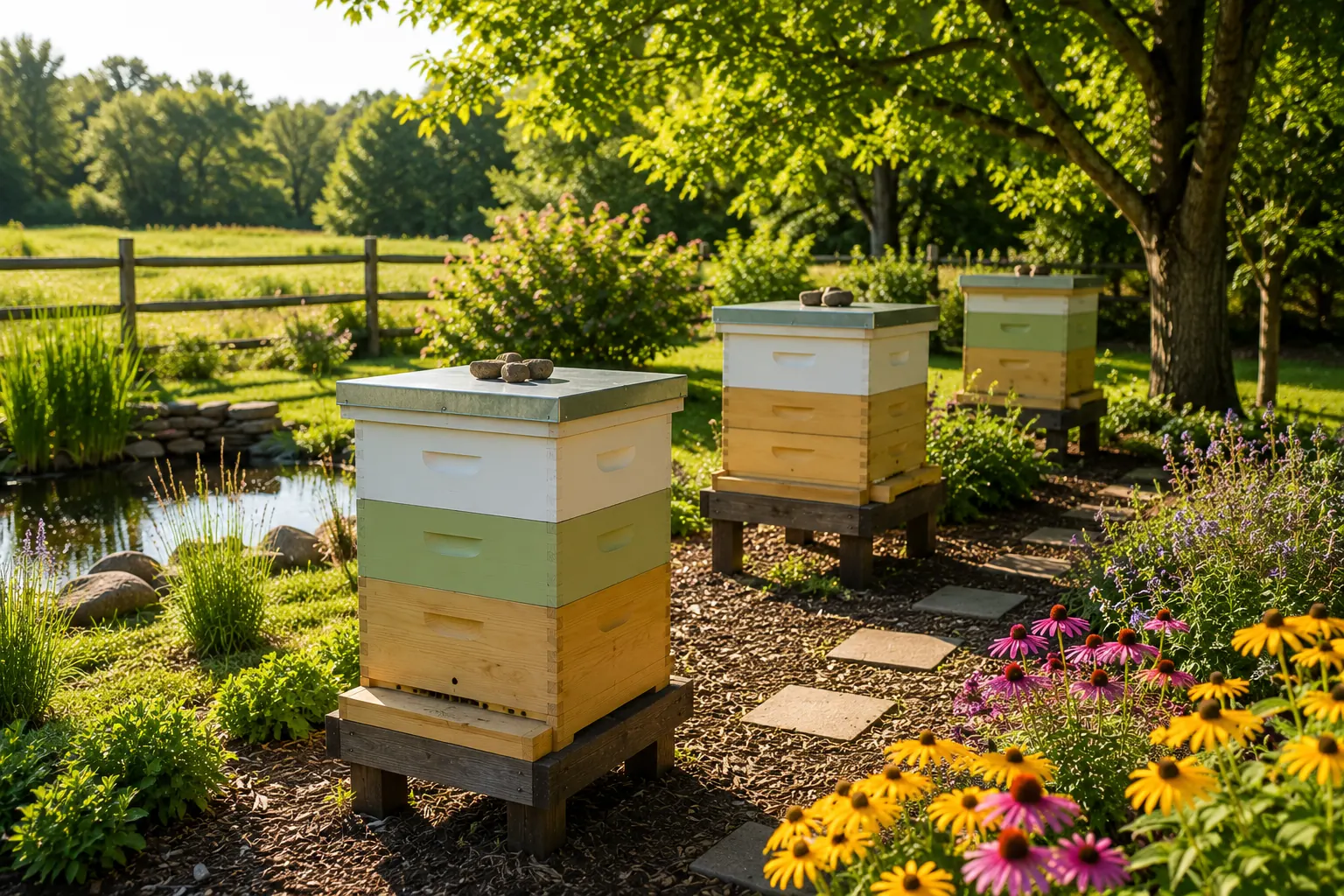
Choose a location with:
- Morning sunlight
- Afternoon shade in hot climates
- Good drainage
- Protection from prevailing winds
- Easy access for inspections
- A nearby water source
A thoughtful location benefits both the bees and the beekeeper.
3. Opening the Hive Too Often
New beekeepers are naturally curious.
It’s tempting to inspect the hive every few days just to see what’s happening.
Unfortunately, every inspection interrupts the colony.
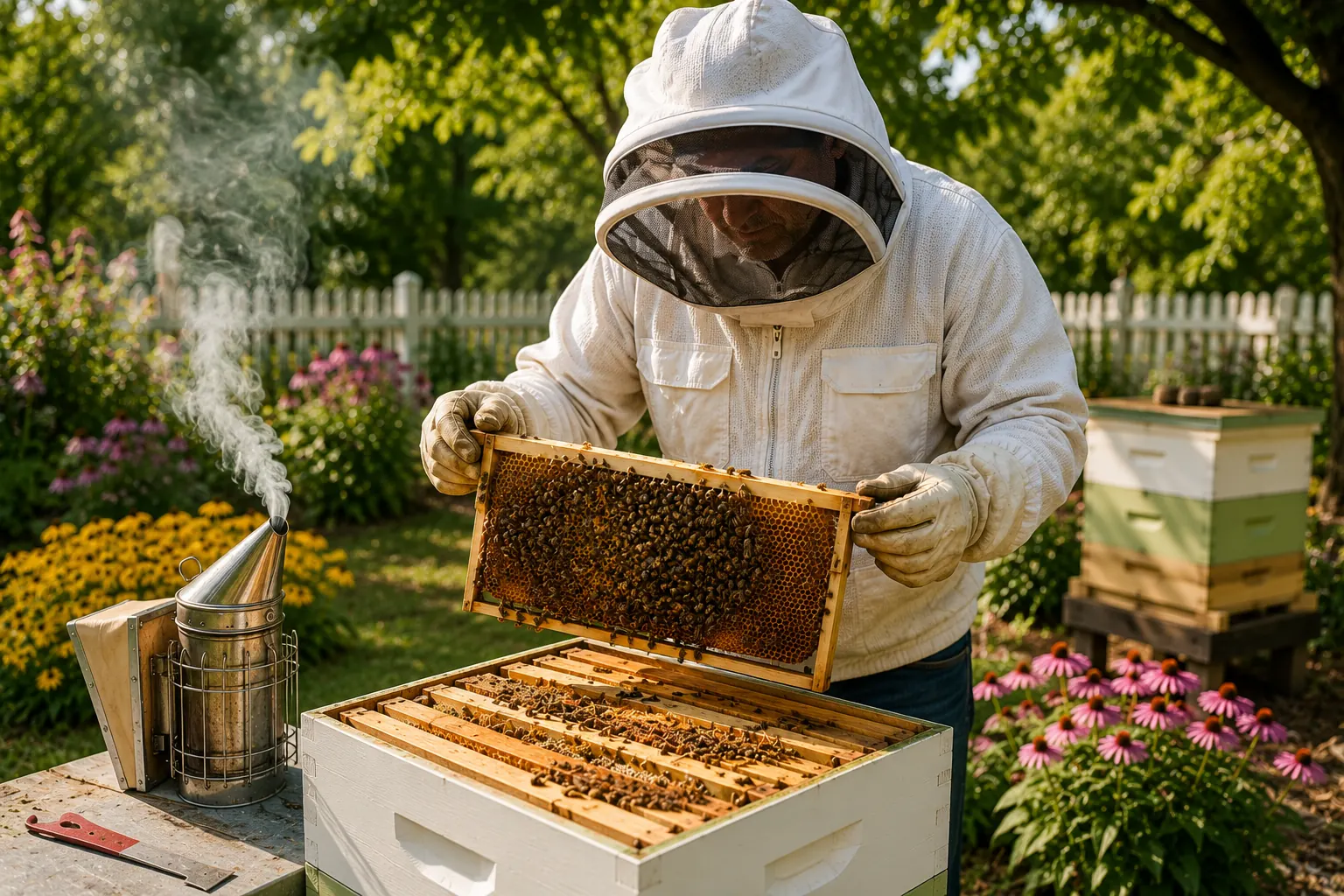
Removing frames cools the brood nest, breaks propolis seals, and interrupts the bees while they’re working.
How to Avoid It
Inspect with a purpose.
Ask yourself what you’re checking before opening the hive.
Examples include:
- Is the queen laying?
- Does the colony need more space?
- Are there signs of disease?
- Are food stores adequate?
During the active season, inspections every seven to fourteen days are usually sufficient.
4. Ignoring Varroa Mites
If there’s one challenge that every beekeeper should understand, it’s Varroa mites.
These tiny parasites attach to bees, weaken developing brood, and spread viruses throughout the colony.
Many new beekeepers assume their bees will simply “take care of themselves.”
Unfortunately, that’s rarely the case.
How to Avoid It
Learn how to monitor mite levels using accepted testing methods.
Regular monitoring allows you to respond before mite populations become overwhelming.
Healthy colonies begin with healthy bees.
5. Harvesting Honey Too Soon
Everyone dreams about their first jar of backyard honey.
However, a first-year colony often needs most of its nectar to build comb and prepare for winter.
Removing too much honey can leave the colony short of food.
How to Avoid It
Allow new colonies to establish themselves before expecting a large harvest.
Depending on your climate and nectar flow, waiting until the second season often produces much better results.
Your bees’ survival is far more important than harvesting honey a few months sooner.
6. Wearing Too Little Protective Gear
Many online videos show experienced beekeepers working without gloves or wearing only a veil.
While impressive, those videos can give beginners unrealistic expectations.
One unpleasant inspection filled with unnecessary stings can discourage someone from continuing the hobby.
How to Avoid It
Start with:
- A quality bee suit or jacket
- Gloves
- Veil
- Long pants
- Closed-toe shoes or boots
As your confidence grows, you can decide whether to reduce the amount of protective clothing you wear.
There is no prize for getting stung.
7. Feeding Bees Incorrectly
New colonies sometimes need supplemental feeding while establishing themselves.
Some beginners stop feeding too early.
Others continue feeding long after the colony no longer needs assistance.
Both situations can create problems.
How to Avoid It
Learn when feeding is appropriate for your climate and nectar flow.
Monitor your colony’s food stores during inspections and adjust accordingly.
When natural nectar is plentiful, healthy colonies generally prefer gathering their own food.
8. Adding Too Much Space Too Quickly
It might seem logical to give your bees plenty of room from the beginning.
After all, more space sounds better.
In reality, bees do best when they gradually expand into new boxes.
Giving a small colony too much empty space can make temperature regulation more difficult and slow colony development.
How to Avoid It
Add additional hive boxes only when the bees have nearly filled the existing space with brood, bees, and stored resources.
Growing with the colony keeps everything easier to manage.
9. Skipping Local Beekeeping Resources
Many beginners try to learn entirely through internet videos.
While there is plenty of excellent information online, there is also a surprising amount of outdated or conflicting advice.
Local conditions matter.
A beekeeper in Florida manages colonies differently than one in Minnesota.
How to Avoid It
Join a local beekeeping association.
Many clubs offer:
- Beginner classes
- Experienced mentors
- Equipment sales
- Guest speakers
- Honey extraction equipment
- Seasonal guidance specific to your region
Learning from nearby beekeepers can shorten your learning curve considerably.
10. Expecting Perfection During Your First Year
Perhaps the biggest mistake of all is believing that successful beekeepers never make mistakes.
Nothing could be further from the truth.
Every beekeeper has experienced:
- Queen problems
- Swarms
- Lost colonies
- Honey harvest disappointments
- Equipment failures
- Weather challenges
Each season teaches something new.
How to Avoid It
Accept that beekeeping is a skill developed over time.
Celebrate small victories.
Learn from setbacks.
Keep asking questions.
Every inspection builds experience that can’t be learned from a book alone.
Bonus Tips for First-Year Success
If you’re just getting started, these habits will put you ahead of many beginners:
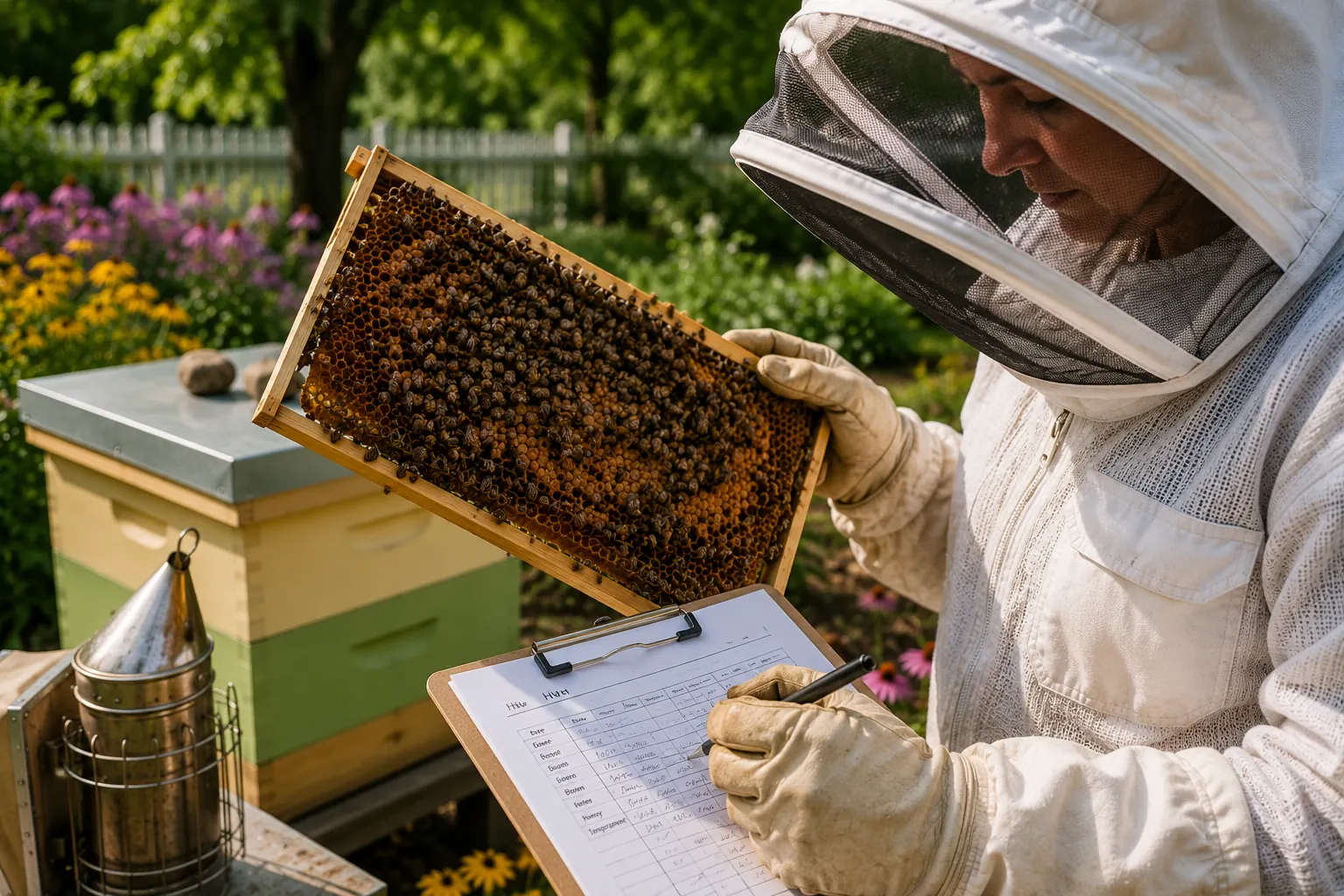
- Keep simple inspection notes.
- Watch the hive entrance for normal bee activity.
- Learn to recognize eggs, larvae, and capped brood.
- Keep extra frames available.
- Stay ahead of Varroa mite monitoring.
- Read trusted beekeeping resources throughout the season.
Small, consistent habits often make the biggest difference.
The Good News About Beginner Mistakes
Here’s something reassuring.
Honey bees are remarkably resilient.
A healthy colony can recover from many small mistakes made by a thoughtful beekeeper who continues learning.
Success doesn’t come from doing everything perfectly.
It comes from paying attention, making careful observations, and responding when the bees tell you they need help.
That’s why many people discover that beekeeping becomes more enjoyable with each passing season.
Your confidence grows alongside your colony.
Final Thoughts
Every experienced beekeeper was once a beginner standing beside a brand-new hive, wondering whether they were doing everything correctly.
The difference between those who succeed and those who give up usually isn’t talent.
It’s preparation.
By avoiding these common mistakes, you’ll give your colony an excellent start and give yourself a much more enjoyable first season.
Remember, your goal isn’t perfection.
Your goal is building a healthy colony while gaining the knowledge that comes only through experience.
Ready to Build Your Beekeeping Skills?
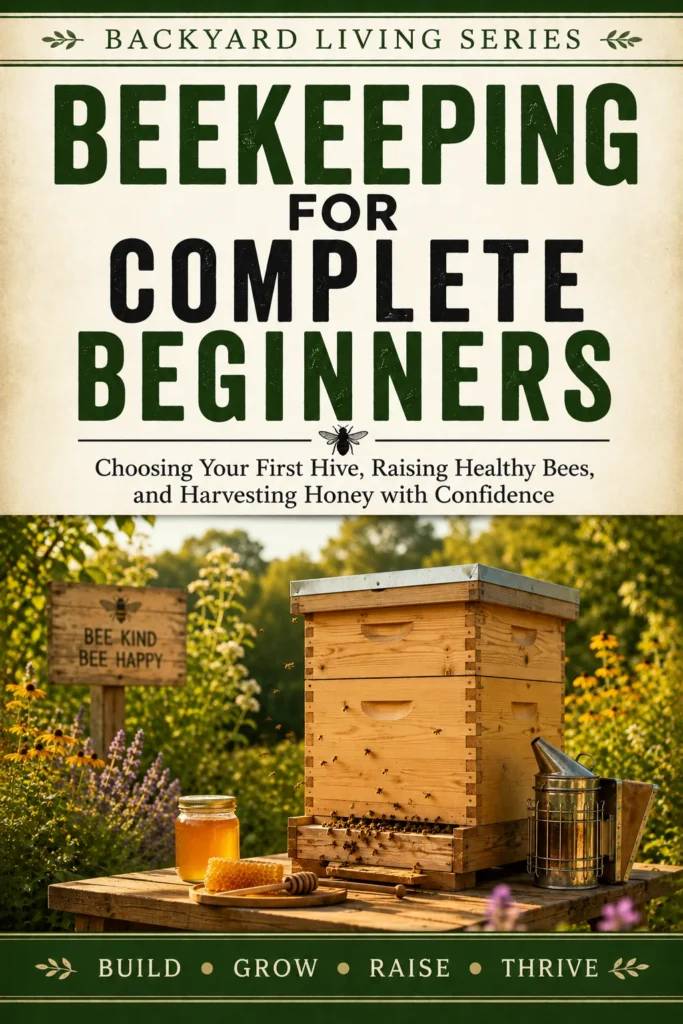
Beekeeping for Complete Beginners expands on each of these topics with clear, step-by-step guidance designed specifically for first-time beekeepers. From selecting your first hive and installing bees to seasonal care, honey harvesting, pest management, and troubleshooting common problems, the book provides practical instruction to help you build a thriving colony with confidence. 🐝
More Beekeeping Articles
Get Your FREE Backyard Starter Toolkit
Download our free Backyard Starter Toolkit, packed with printable planners, checklists, and beginner resources to help you build, grow, raise, and thrive.
About the Author
Steve McChesney is the founder of Backyard Living Books and has spent decades helping homeowners build, grow, raise, and preserve more from their own backyards. Through practical, beginner-friendly guides, he encourages people to tackle one backyard project at a time and enjoy the satisfaction that comes with learning new skills.