Backyard Learning Center

Learn practical backyard skills one project at a time through beginner-friendly articles, seasonal tips, and step-by-step guides that help you build, grow, raise, and thrive.

How Much Does It Cost to Start Beekeeping?

(July 2026 – Estimated Reading Time: 8 Minutes)

One of the first questions nearly every future beekeeper asks is, “How much is this going to cost?”

It’s a smart question.

After all, you can spend a few hundred dollars or several thousand, depending on the equipment you choose. The good news is that you don’t need to buy the most expensive gear to become a successful beekeeper.

In fact, many experienced beekeepers will tell you the same thing: start simple, learn the basics, and expand your apiary as your knowledge grows.

This guide breaks down the realistic costs of starting beekeeping in 2026, where you can save money, and where spending a little more is well worth it.

The Average Cost of Starting Beekeeping
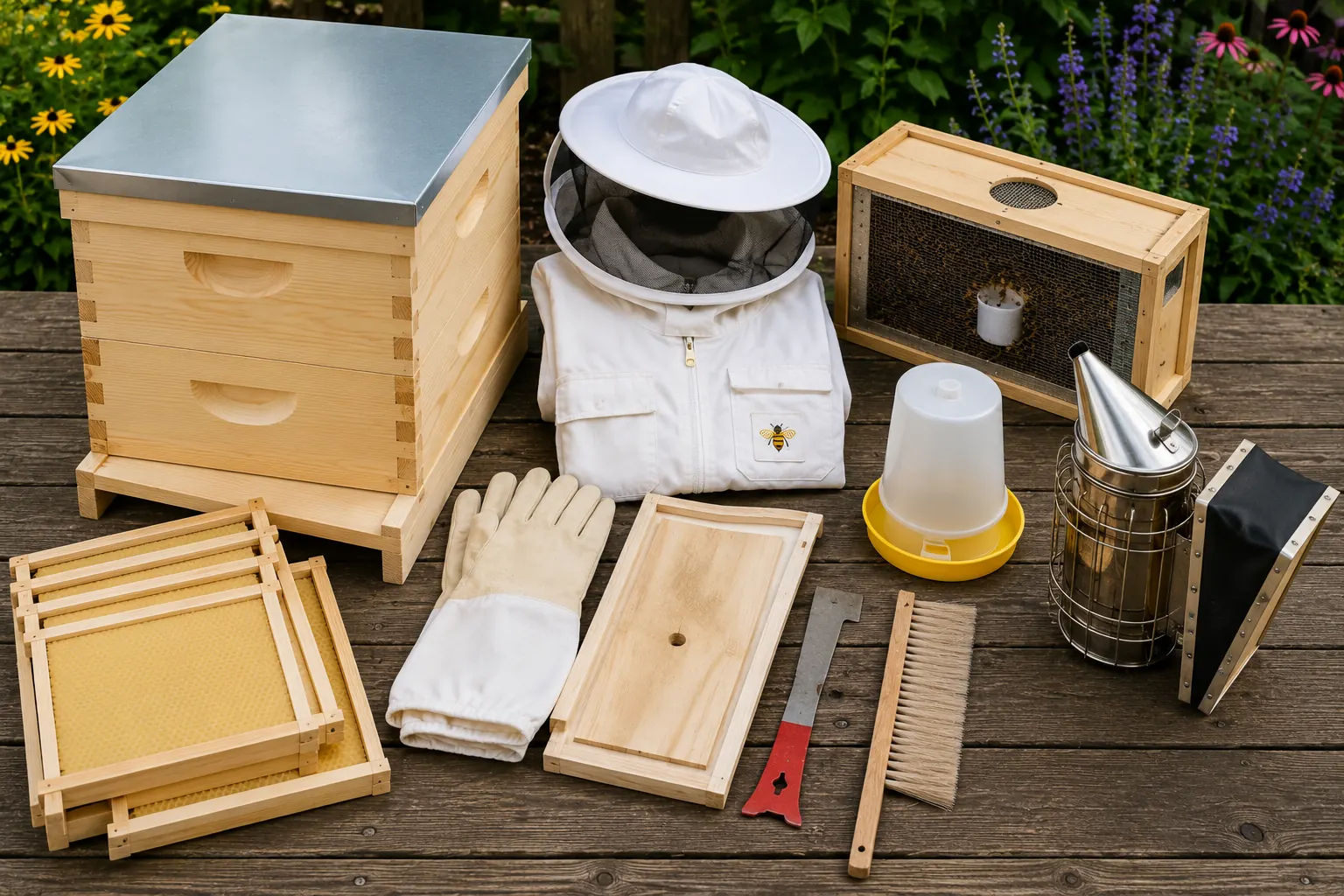
Beekeeping Equipment

For most beginners, a realistic budget falls between $600 and $1,000 for one complete hive.

That may sound like a significant investment, but much of that cost is for equipment you’ll use for many years.

Here’s a typical breakdown.

Item

Estimated Cost

Complete Hive

$200-$350

Bees

$150-$250

Bee Suit & Gloves

$80-$180

Smoker

$30-$60

Hive Tool

$10-$20

Feeder

$15-$30

Miscellaneous Supplies

$50-$100

Estimated Total: $600-$1,000

After your initial purchase, annual costs are considerably lower.

Your Biggest Expense: The Hive

The hive itself is usually the largest purchase.

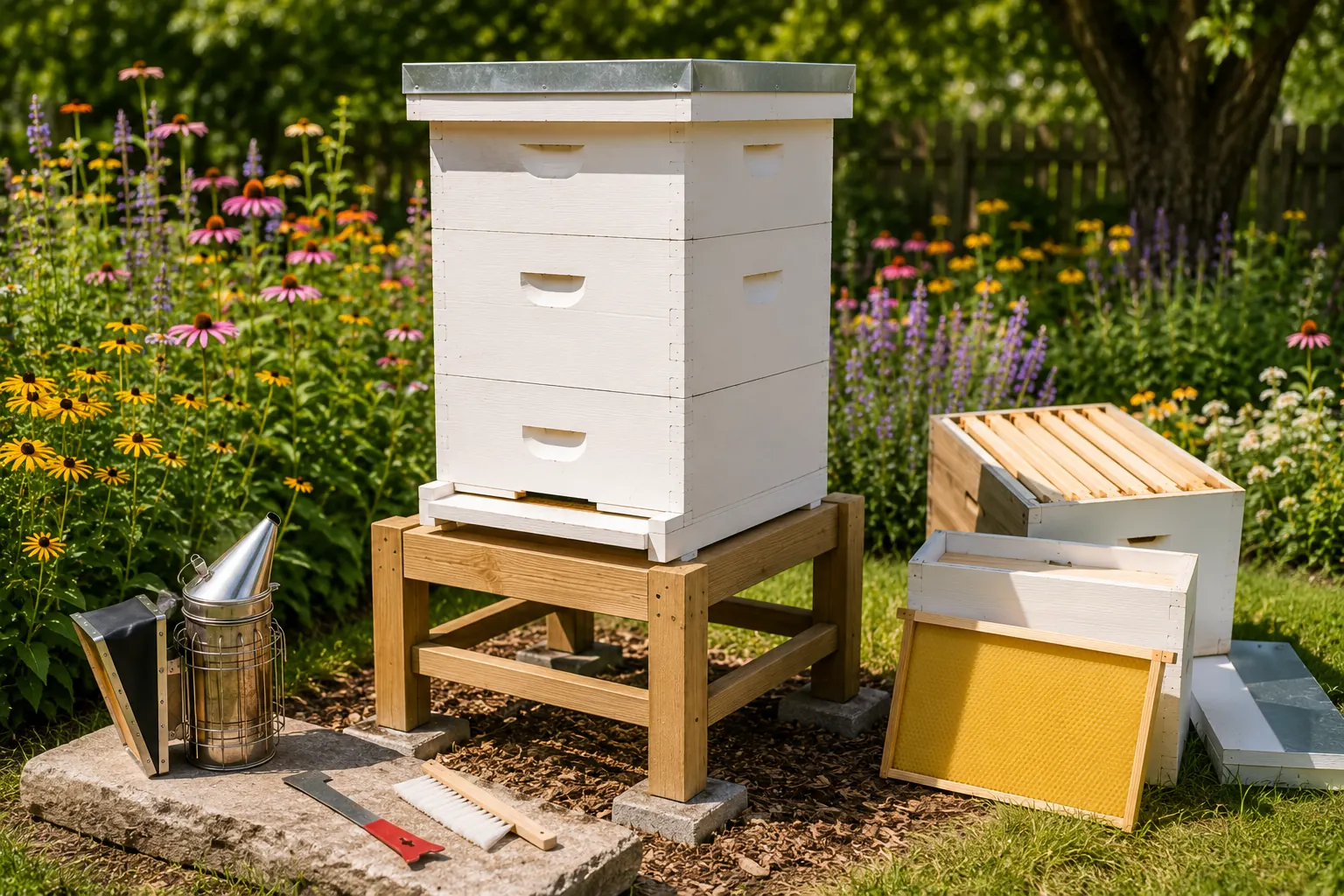
Most beginners choose a Langstroth hive because replacement parts are readily available and nearly every beekeeping book, class, and mentor teaches using this system.

A complete hive generally includes:

Beehive
  • Bottom board
  • Entrance reducer
  • Deep brood boxes
  • Frames
  • Wax foundation
  • Inner cover
  • Outer cover

Many suppliers sell complete beginner kits that include everything you’ll need.

While it’s tempting to buy the least expensive hive you can find online, quality matters.

Well-built equipment lasts for years and makes inspections much easier.

The Cost of Bees

Bee Colony

Of course, you’ll also need bees.

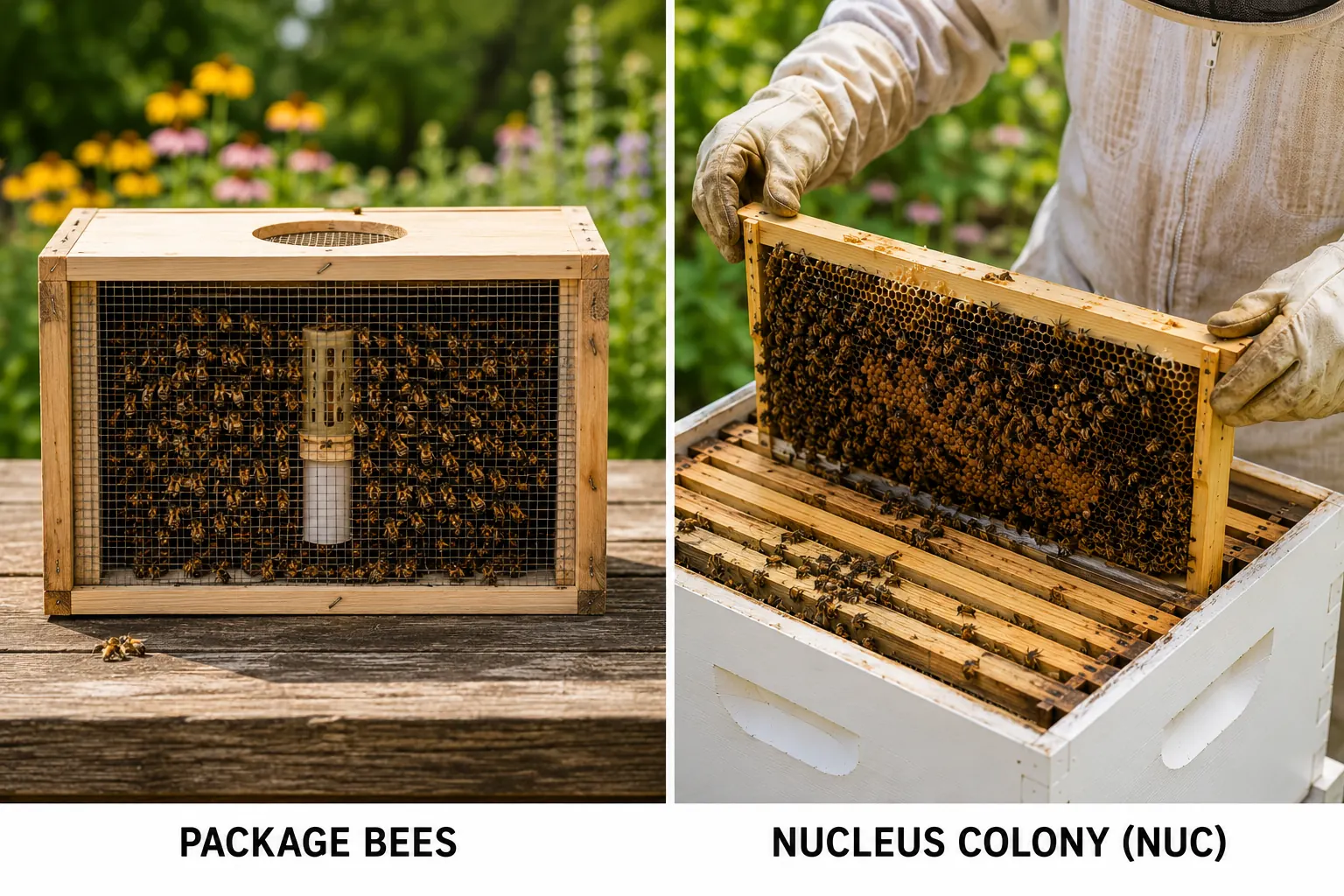
There are two common ways to start.

Package Bees

A package typically contains:

  • Approximately 10,000 worker bees
  • One mated queen
  • A food can

Packages generally cost between $150 and $200.

The bees must build their colony from scratch, which takes time.

Nucleus Colonies (Nucs)

Many beginners choose a nuc instead.

A nucleus colony includes:

  • An established laying queen
  • Worker bees
  • Developing brood
  • Honey stores
  • Pollen stores
  • Drawn comb

Because the colony already has a head start, nucs usually develop faster during the first season.

Expect to spend $200 to $250.

Many experienced beekeepers recommend nucs for first-time beekeepers because they are often easier to manage.

Protective Clothing

Protective clothing gives beginners confidence while learning.

At minimum you’ll want:

  • Bee veil
  • Jacket or full bee suit
  • Gloves

Expect to spend between $80 and $180 depending on quality.

Beekeeping Gear

Some experienced beekeepers eventually switch to lighter jackets or work without gloves, but beginners usually appreciate the extra protection.

Comfort leads to confidence, and confidence leads to calmer hive inspections.

Essential Tools

Fortunately, you don’t need many tools.

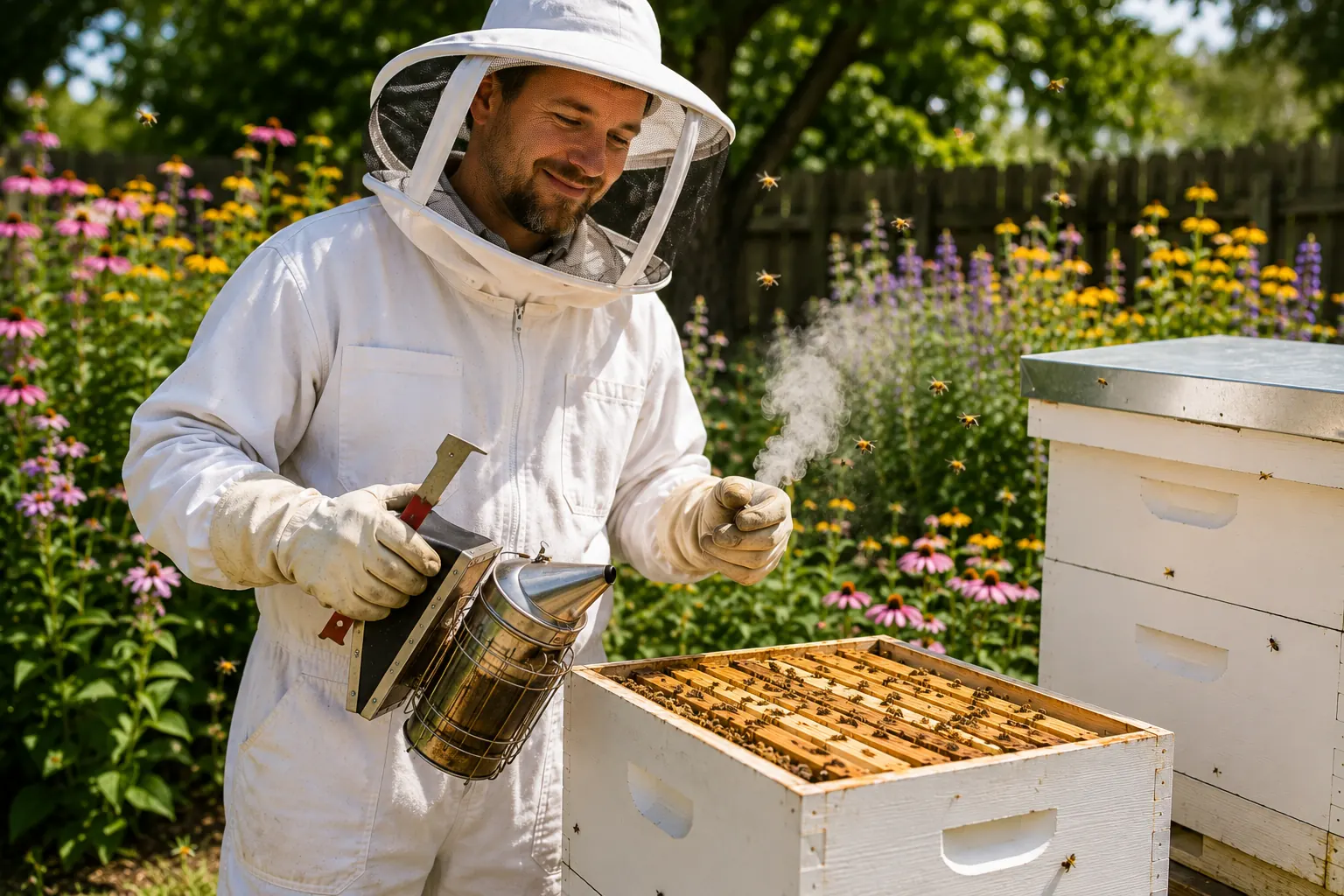
Smoker

A smoker calms bees during inspections.

Quality smokers generally cost $30 to $60.

A stainless steel model may cost slightly more but often lasts much longer.

Hive Tool

Every beekeeper owns one.

Actually, most own several because they have a habit of disappearing into the grass.

A good hive tool costs $10 to $20 and quickly becomes your most-used piece of equipment.

Feeder

New colonies often need supplemental feeding while establishing themselves.

Depending on the style you choose, feeders usually cost between $15 and $30.

Optional Equipment

Not everything needs to be purchased immediately.

As your colony grows, you may eventually add:

  • Extra honey supers
  • Additional frames
  • Queen excluder
  • Bee brush
  • Frame grip
  • Hive stand
  • Entrance feeder
  • Mouse guards
  • Winter insulation

These items can wait until they’re actually needed.

Honey Harvesting Equipment

One surprise for many beginners is that honey harvesting equipment isn’t necessary during the first season.

Most first-year colonies use nearly all of their nectar to build comb and establish themselves.

By the time you’re ready to harvest honey, you can purchase or borrow additional equipment such as:

  • Uncapping knife
  • Honey extractor
  • Strainers
  • Food-grade buckets
  • Bottling jars

Some local beekeeping clubs even loan extraction equipment to members.

Annual Costs After Your First Year

The startup costs are the biggest hurdle.

Once your equipment is purchased, yearly expenses become much more manageable.

Typical annual costs include:

Expense

Estimated Annual Cost

Varroa mite treatments

$30-$80

Sugar for supplemental feeding

$20-$60

Replacing damaged equipment

$20-$75

New frames or foundation

$20-$60

If your colony survives the winter and remains healthy, your ongoing costs are relatively modest.

Where You Can Save Money

There are several areas where beginners can reduce costs without sacrificing success.

Buy Local Bees

Local bees are often better adapted to your climate and may perform better than bees shipped long distances.

You’ll also save on shipping costs.

Apiary

Join a Local Beekeeping Club

Many clubs offer:

  • Beginner classes
  • Mentorship
  • Equipment swaps
  • Used equipment sales
  • Honey extraction equipment
  • Group purchasing discounts

Membership often pays for itself during your first season.

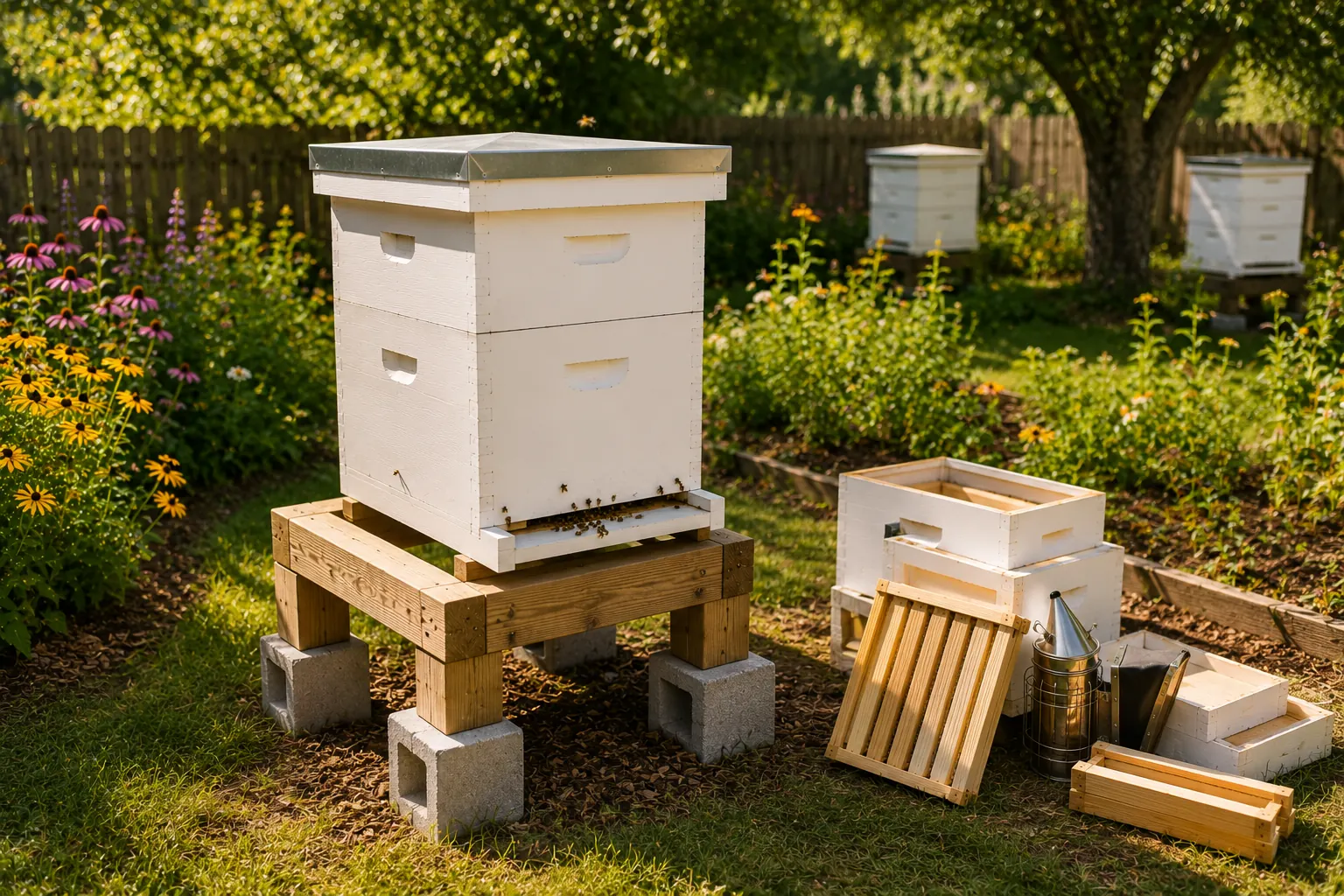
Build Your Own Hive Stand

A hive stand can be as simple as:

  • Concrete blocks
  • Pressure-treated lumber
  • Landscape timbers

It doesn’t have to be elaborate.

Start With One Hive

Many people assume they need multiple colonies immediately.

One hive is perfectly acceptable while you’re learning.

You can always add another next year.

Where You Shouldn't Cut Corners

Some purchases are worth spending a little extra.

Protective Clothing

Cheap suits often have poor zippers, thin fabric, and uncomfortable veils.

A better-quality suit can make inspections much more enjoyable.

Woodenware

Poorly constructed hive boxes warp, crack, and allow moisture inside.

Quality woodenware may cost slightly more but often lasts for many years.

Bees

Buying healthy bees from a reputable supplier is one of the smartest investments you’ll make.

A bargain colony with health problems can quickly become an expensive lesson.

Will Beekeeping Save You Money?

If you’re getting into beekeeping simply to save money on honey, the answer is probably no.

Not at first.

A jar of local honey is far less expensive than purchasing all the equipment needed to produce your own.

However, that’s only part of the story.

Over time, beekeeping can provide:

  • Fresh local honey
  • Beeswax
  • Improved garden pollination
  • Increased fruit production
  • Swarm opportunities for expanding your apiary
  • The satisfaction of producing your own food

For many people, those rewards far outweigh the financial investment.

The Real Value of Beekeeping

More then Honey

Most experienced beekeepers rarely talk about dollars once they’ve been keeping bees for a few years.

Instead, they talk about the excitement of seeing the first eggs laid by a new queen.

They talk about opening a hive filled with healthy bees on a warm spring afternoon.

They talk about sharing jars of honey with neighbors and watching children discover bees up close for the first time.

Those experiences are difficult to put a price on.

Final Thoughts

Starting beekeeping isn’t free, but it also doesn’t require a huge investment.

For around $600 to $1,000, you can purchase everything needed to begin your first colony with confidence.

The key is buying quality essentials, resisting the temptation to purchase every gadget available, and allowing your equipment collection to grow alongside your experience.

Thousands of new beekeepers successfully begin every year using simple equipment and a willingness to learn.

You can too.

Ready to Start Your First Hive?

Beekeeping for Complete Beginners expands on each of these topics with clear, step-by-step guidance designed specifically for first-time beekeepers. From selecting your first hive and installing bees to seasonal care, honey harvesting, pest management, and troubleshooting common problems, the book provides practical instruction to help you build a thriving colony with confidence. 🐝

More Beekeeping Articles

Get Your FREE Backyard Starter Toolkit

Download our free Backyard Starter Toolkit, packed with printable planners, checklists, and beginner resources to help you build, grow, raise, and thrive.

Download Your Free Toolkit

About the Author

Steve McChesney is the founder of Backyard Living Books and has spent decades helping homeowners build, grow, raise, and preserve more from their own backyards. Through practical, beginner-friendly guides, he encourages people to tackle one backyard project at a time and enjoy the satisfaction that comes with learning new skills.

Scroll to Top