Backyard Learning Center
Learn practical backyard skills one project at a time through beginner-friendly articles, seasonal tips, and step-by-step guides that help you build, grow, raise, and thrive.
What Do Quail Eat?
A Beginner’s Guide to Feeding Your Flock
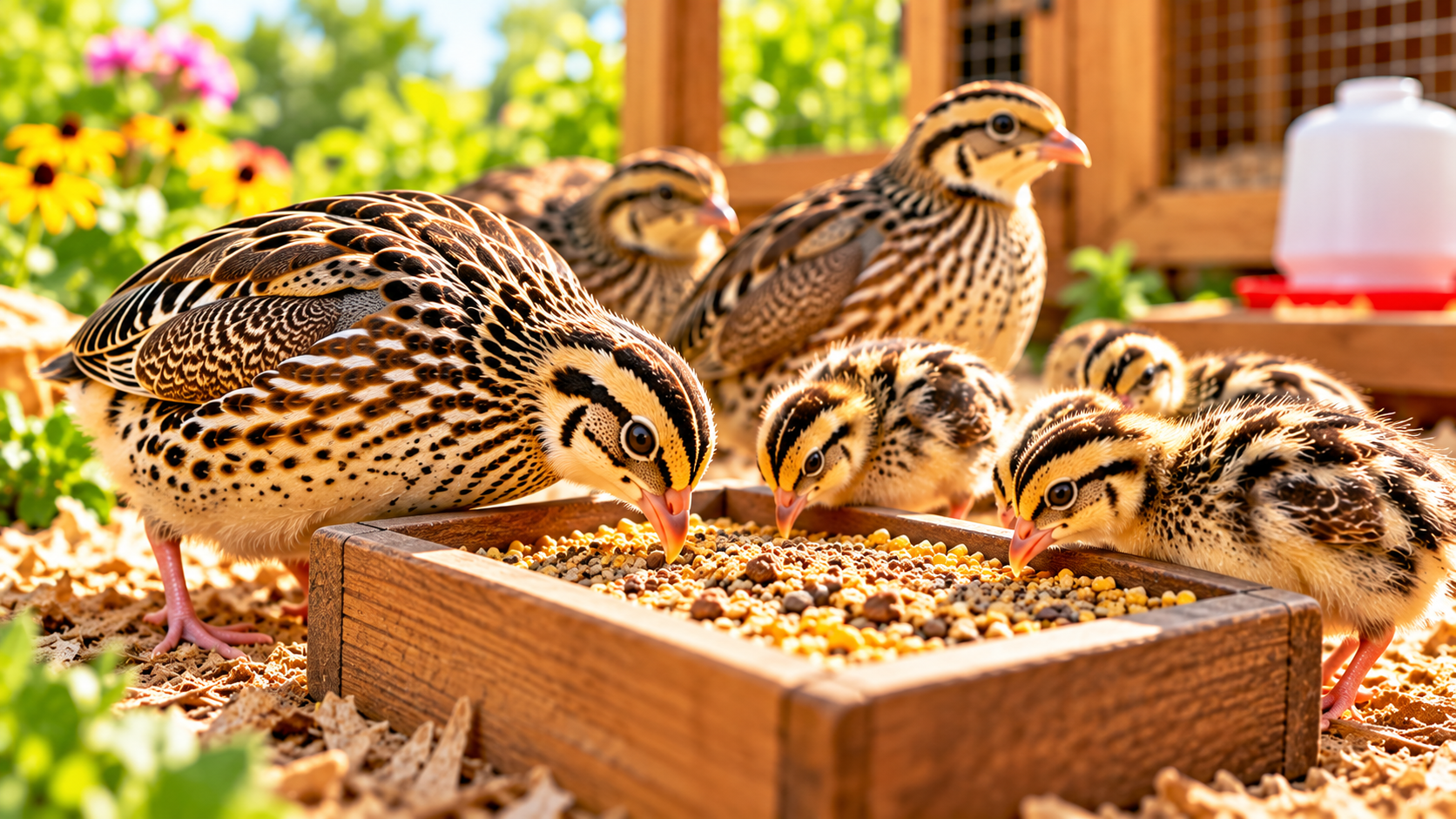
Quail may be small, but their nutritional needs aren’t.
In fact, one of the easiest mistakes a new quail keeper can make is assuming that quail can simply eat whatever happens to be available in the chicken-feed aisle.
They are poultry, after all.
How different could they be?
Different enough that choosing the right feed matters.
Quail grow extremely quickly, mature at a young age, and can become remarkably productive egg layers. Supporting all of that requires the right combination of protein, energy, vitamins, and minerals.
Fortunately, feeding quail isn’t complicated once you understand the basics.
Start With a Complete Quail or Game Bird Feed
The foundation of your flock’s diet should be a commercially prepared feed appropriate for quail or game birds.
A complete feed is designed to provide the protein, vitamins, minerals, and other nutrients the birds need.
That’s important because quail aren’t very large.
When a bird eats only a relatively small amount of food each day, there isn’t much room for nutritionally empty calories.
Think of treats as extras.
The complete feed does the heavy lifting.
Baby Quail Need Plenty of Protein
Quail chicks seem to have one primary objective:
Become adult quail immediately.
They grow remarkably quickly, and that rapid growth requires adequate protein.
Young Coturnix quail are generally started on a high-protein game bird or turkey starter feed appropriate for their stage of development.
Always check the feed label rather than relying only on the name printed across the front of the bag.
You’re looking for a nutritionally complete starter feed suitable for rapidly growing game birds.

Make Sure Chicks Can Actually Eat the Feed
There’s another issue with newly hatched quail.
They’re tiny.
A feed particle that seems perfectly reasonable for a chicken chick may look considerably more ambitious to a newly hatched quail.
If necessary, starter feed can be crushed into smaller particles during the earliest days so the chicks can eat it easily.
Watch the birds.
They’ll give you plenty of information.
Healthy chicks should be actively eating, drinking, moving around, and growing.
Feed Requirements Change as Quail Mature
Quail don’t necessarily need the same diet throughout their entire lives.
Their nutritional requirements change as they grow and according to what you’re asking their bodies to do.
A young chick is building feathers, muscle, bone, and everything else at impressive speed.
An adult female producing eggs has different nutritional demands.
A breeding flock has another set of priorities.
That’s why it’s useful to think about quail feeding in stages:
Chicks: Support rapid growth.
Growing birds: Continue healthy development.
Adult layers: Support maintenance and egg production.
Breeding birds: Maintain good condition while supporting reproduction.
Rather than choosing one bag of feed and using it forever, choose a feed appropriate for the birds’ current age and purpose.
What About Laying Quail?

Once female quail begin laying, their bodies need enough nutrition to support frequent egg production.
Calcium becomes particularly important because every eggshell requires it.
A suitable adult or breeder ration can help provide the nutrition laying birds need.
Some keepers also provide an appropriate supplemental calcium source separately so laying females can consume additional calcium when needed.
The important point is that egg production creates nutritional demands.
If your hens are laying regularly, their diet needs to support the work their bodies are doing.
Tiny egg.
Tiny bird.
Still a surprisingly impressive manufacturing operation.
Can Quail Eat Chicken Feed?
This is where beginners need to be careful.
Chicken feed isn’t automatically poisonous to quail.
The bigger question is whether a particular chicken feed provides the nutrition your quail need at their current stage of life.
A feed formulated for adult chickens may not contain enough protein for rapidly growing quail chicks, for example.
Don’t choose feed simply because both animals have feathers.
Read the nutritional information and use a ration appropriate for quail or game birds whenever possible.
How Much Do Quail Eat?
Quail don’t eat huge amounts individually.
A flock, however, can make a bag of feed disappear faster than you might expect.
How much your birds consume will depend on factors such as:
- Age
- Size
- Number of birds
- Weather
- Egg production
- Feed formulation
- Waste from the feeder
That final item deserves attention.
Sometimes the problem isn’t how much your quail are eating.
It’s how much they’re throwing on the floor.
Quail Can Waste Feed
Quail aren’t famous for their table manners.
Give them an open container of feed and some birds will happily scratch, toss, and scatter it.
Feed waste costs money and can create additional problems.
Spilled feed can:
- Attract rodents
- Become contaminated with manure
- Get wet
- Create odors
- Increase cleaning
A properly designed quail feeder helps reduce waste while still allowing every bird adequate access.
Don’t make the openings so restrictive that timid birds can’t eat.
The goal is less waste, not a tiny poultry obstacle course.
Don't Forget Fresh Water
Feed gets most of the attention, but clean water is every bit as important.
Quail should have reliable access to fresh water.
Check waterers every day.
During hot weather, check them more frequently.
Waterers should be:
- Clean
- Easy for the birds to reach
- Difficult to contaminate
- Appropriate for the birds’ age
- Protected from excessive heat when possible
Young chicks require particular care because ordinary water containers may be too deep or otherwise unsafe for them.
Use equipment designed with tiny chicks in mind.

Do Quail Need Grit?
Whether quail need supplemental grit depends partly on what they’re eating.
Birds don’t have teeth. Grit helps the digestive system grind certain foods.
If your quail are eating an appropriately manufactured complete feed, additional grit may not always be necessary.
If you’re offering other foods that require grinding, suitable poultry grit may become important.
Make sure the grit is appropriately sized for the age and size of your birds.
Can Quail Have Treats?
They can, but treats should remain treats.
The majority of the diet should come from nutritionally complete feed.
Depending on your management system, occasional appropriate extras might include certain:
- Greens
- Vegetables
- Seeds
- Insects
But every treat displaces some of the complete ration the bird would otherwise eat.
That’s why a little is plenty.
If half the daily menu becomes snacks, you aren’t supplementing the diet anymore.
You’ve changed it.
Quail may disagree with this policy.
Quail aren’t responsible for nutritional planning.
What Shouldn’t You Feed Quail?
Don’t treat quail as miniature garbage disposals.
Avoid spoiled, moldy, excessively salty, heavily processed, or otherwise questionable foods.
If feed becomes wet and begins developing mold, discard it.
Store your regular feed somewhere dry and protected from rodents, insects, and moisture.
A metal or sturdy sealed container can make feed storage much easier.
Remember that what your birds eat ultimately affects their health, growth, reproduction, and egg production.
Saving a few questionable leftovers isn’t worth compromising the flock.
Watch the Birds, Not Just the Feed Bag
Good feeding management includes observation.
Pay attention to:
- Feed consumption
- Water consumption
- Body condition
- Feather condition
- Activity
- Growth
- Egg production
- Eggshell quality
Changes can provide useful clues.
If egg production declines, birds begin losing condition, or growth doesn’t seem right, nutrition is one of several areas worth checking.
Also look at the feeder itself.
Is everyone able to eat?
Is feed being wasted?
Has it become damp?
Are dominant birds preventing others from reaching it?
Sometimes the feed is perfectly good.
The problem is access.
A Simple Feeding Routine
For beginners, quail feeding can be reduced to a pretty straightforward routine.
Choose a complete feed appropriate for the birds’ age and purpose.
Make sure every bird can reach it.
Keep the feed clean and dry.
Provide fresh water every day.
Use treats sparingly.
Watch your birds.
That’s the foundation.
You don’t need a cabinet containing 14 supplements and a handwritten quail menu taped to the refrigerator.
Start with good nutrition and good management.
Feeding Quail Doesn’t Have to Be Complicated
Quail grow quickly.
They mature quickly.
And females can produce an impressive number of eggs for such tiny birds.
Good nutrition supports all of it.
Choose the appropriate feed.
Keep fresh water available.
Prevent unnecessary waste.
Adjust nutrition as your birds mature.
Then let the quail handle the eating.
They’ve got that part pretty well figured out.
Small bird. Big appetite for getting things done. 🐦🌾🥚
Ready to Raise Quail with Confidence?
Backyard Quail Raising Made Easy expands on each of these topics with clear, step-by-step guidance designed specifically for beginners. From choosing the right quail and setting up safe, comfortable housing to feeding your flock, hatching eggs, raising chicks, and understanding egg production, the book provides practical instruction to help you build a healthy, productive backyard quail flock with confidence. 


More Quail Articles
If you found this article helpful, these beginner guides are a great next step:
Get Your FREE Backyard Starter Toolkit
Download our free Backyard Starter Toolkit, packed with printable planners, checklists, and beginner resources to help you build, grow, raise, and thrive.
About the Author
Steve McChesney is the founder of Backyard Living Books and has spent decades helping homeowners build, grow, raise, and preserve more from their own backyards. Through practical, beginner-friendly guides, he encourages people to tackle one backyard project at a time and enjoy the satisfaction that comes with learning new skills.