
Backyard Learning Center
Learn practical backyard skills one project at a time through beginner-friendly articles, seasonal tips, and step-by-step guides that help you build, grow, raise, and thrive.
How Food Preservation Can Save You Hundreds on Your Grocery Bill
(July 2026 – Estimated Reading Time: 8 Minutes)
Walk through any grocery store today, and you’ll probably notice the same thing everyone else has. Prices continue to climb.
A bag of frozen vegetables costs more than it did a year ago. A jar of pasta sauce seems to get smaller while the price tag gets larger. Fresh berries are affordable for a few weeks each summer, then suddenly become a luxury item once winter arrives.
It’s enough to make anyone wonder if there’s a better way.
For generations, families stretched their food budgets by preserving seasonal harvests. They understood something that’s still true today: food is almost always least expensive when it’s abundant. By preserving that abundance, they enjoyed lower grocery bills long after the growing season had ended.
Food preservation isn’t simply a traditional hobby.
It’s one of the smartest financial decisions many households can make.
Seasonal Produce Is Almost Always Less Expensive
One of the easiest ways to reduce grocery costs is to buy fruits and vegetables when they’re in season.
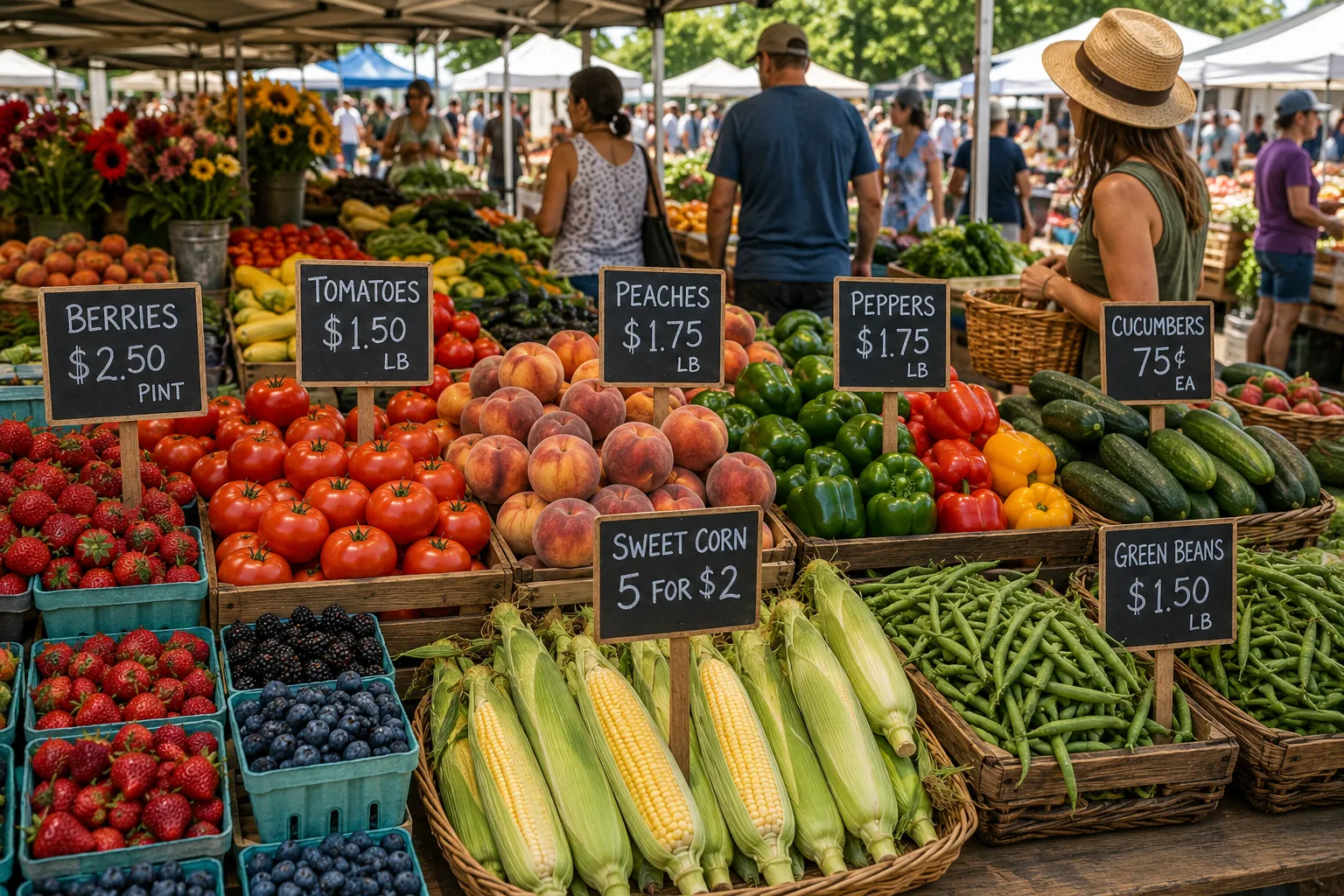
During the peak of summer, tomatoes, cucumbers, peaches, peppers, zucchini, corn, and green beans often become incredibly affordable. Farmers’ markets are overflowing, roadside stands compete for customers, and even grocery stores offer deep discounts because supplies are plentiful.
Compare those prices to the middle of winter.
Fresh tomatoes often cost several times more than they did during harvest season. Sweet corn nearly disappears. Peaches become expensive imports. Even simple vegetables can double in price.
By preserving food when it’s plentiful, you’re essentially buying tomorrow’s groceries at today’s lowest prices.
That strategy adds up surprisingly quickly over the course of a year.
Your Garden Can Produce More Than You Think
Many home gardeners discover something unexpected during their first successful season.
A few tomato plants don’t produce a dozen tomatoes.
They produce dozens.
A row of green beans doesn’t provide one dinner.
It provides several weeks of harvests.
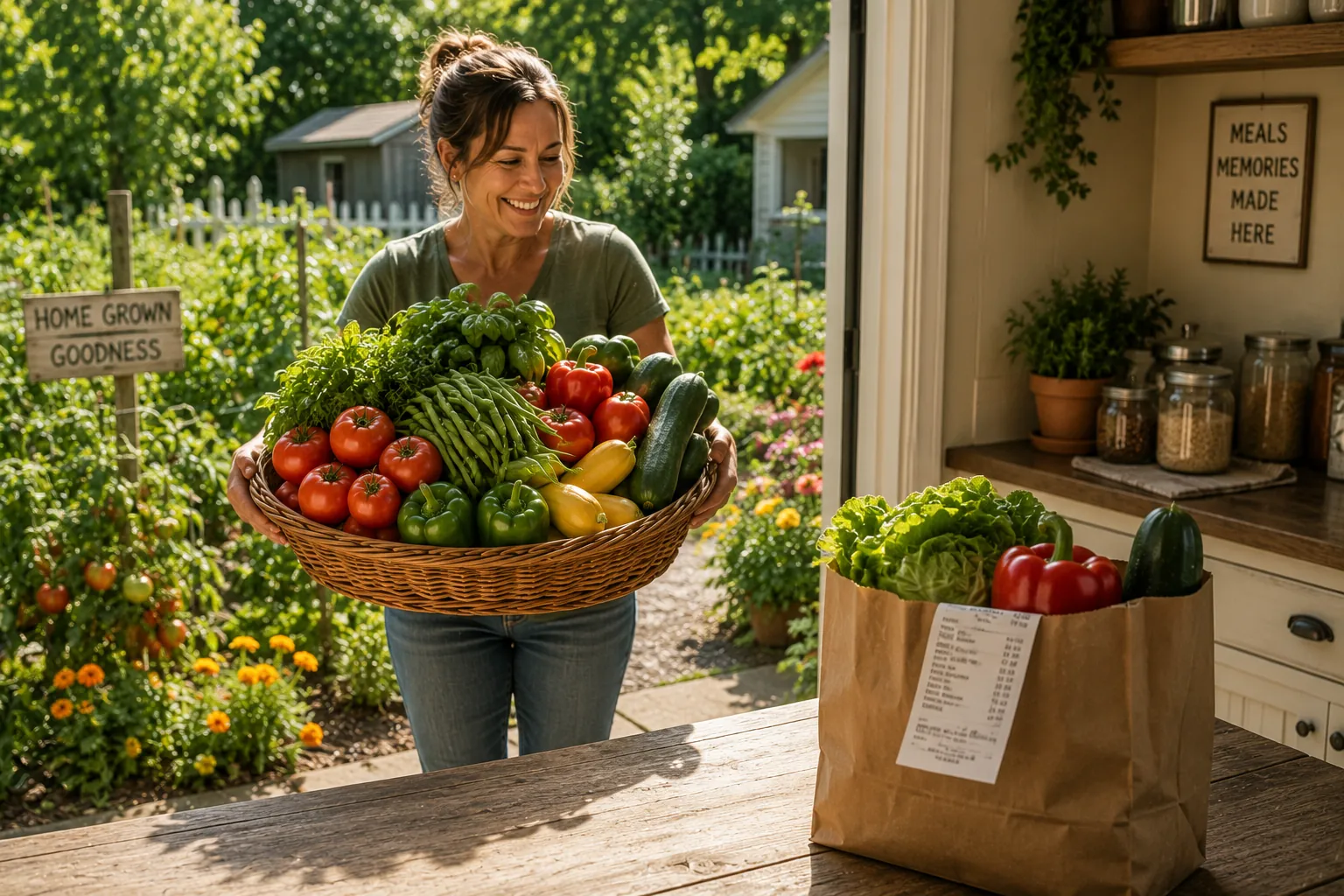
Herbs continue producing long after you’ve used everything you need for fresh recipes.
Without preservation, much of that extra food eventually spoils.
With preservation, every harvest becomes an opportunity to stock your pantry or freezer for future meals.
Even a modest backyard garden can significantly reduce grocery expenses when its harvest is preserved instead of wasted.
Farmers' Markets Offer Incredible Opportunities

You don’t need a garden to benefit from food preservation.
Farmers’ markets frequently offer exceptional deals, particularly toward the end of market days or near the end of the growing season.
Vendors often lower prices to avoid taking produce back home.
It’s not unusual to find bushels of tomatoes, boxes of peaches, or large quantities of peppers selling for a fraction of grocery store prices.
For someone who preserves food, those bargains become valuable opportunities rather than overwhelming quantities of produce.
Instead of wondering how you’ll eat twenty pounds of tomatoes before they spoil, you see enough tomato sauce, salsa, soup, and chili ingredients to last for months.
Reduce Food Waste at Home
One of the biggest hidden expenses in most households isn’t the food people buy.
It’s the food they throw away.
Fresh produce has a limited lifespan.
Lettuce wilts.
Berries mold.
Tomatoes become soft.
Herbs dry out in the refrigerator.
According to numerous studies, the average household throws away hundreds of dollars’ worth of food every year.
Food preservation changes that equation.
Instead of watching vegetables slowly lose quality in the refrigerator, you preserve them while they’re still fresh.
Extra bananas become freezer-ready smoothie ingredients.
Fresh herbs become dried seasonings.
Tomatoes become sauce.
Peppers are sliced and frozen.
Every item preserved is one less item headed for the trash.
Build Your Own Convenience Foods
Convenience foods save time, but they usually cost considerably more.
Frozen vegetable blends, prepared soups, pasta sauces, chopped onions, diced peppers, and meal starter kits all carry premium prices because someone else did the preparation.
When you preserve food yourself, you’re creating many of those same conveniences.
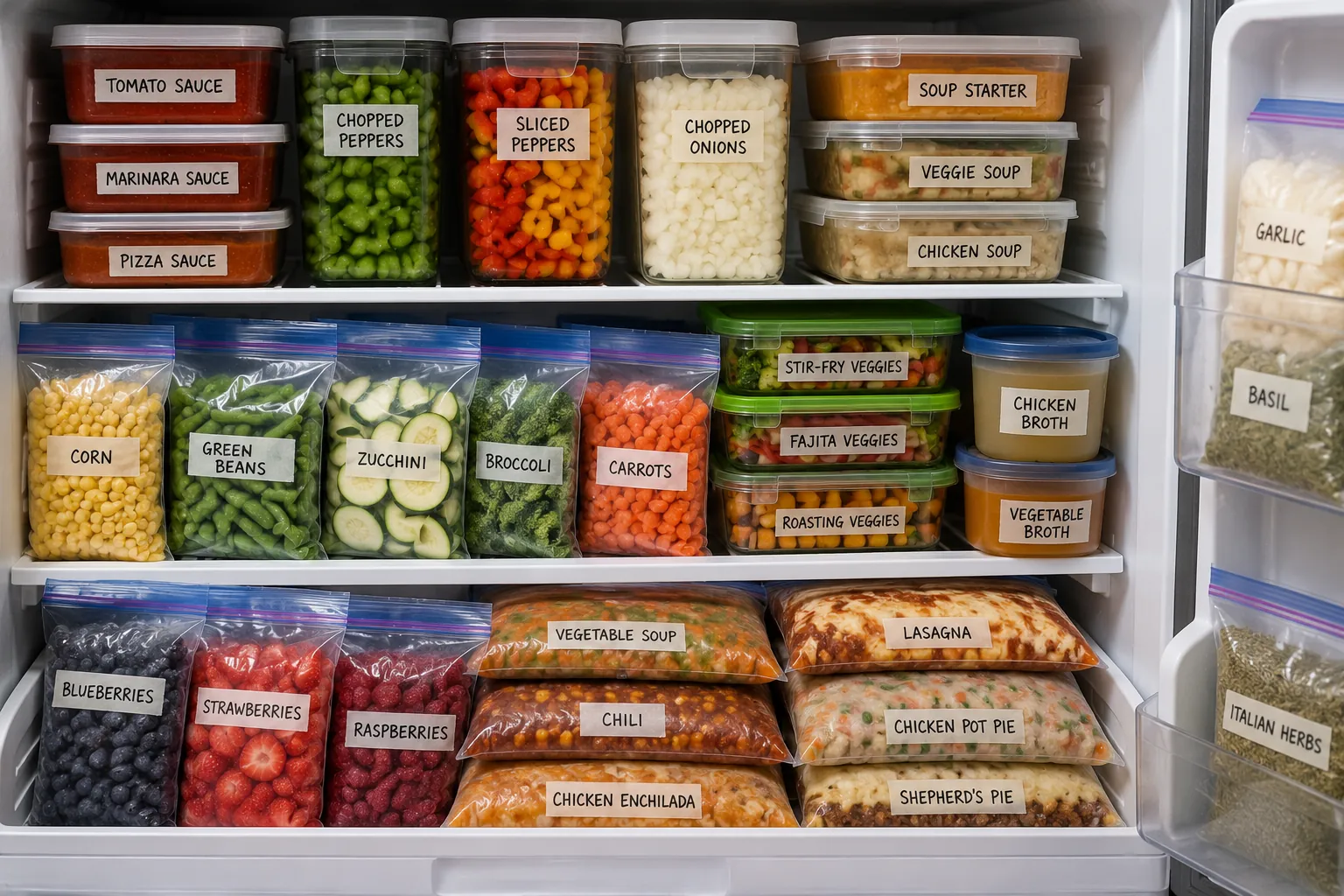
Imagine opening your freezer and finding containers filled with chopped onions, sliced peppers, homemade tomato sauce, frozen corn, vegetable soup, or ready-to-cook stir-fry vegetables.
Dinner comes together quickly without paying convenience food prices.
The time invested during harvest season continues paying dividends every time you prepare a meal.
Homemade Often Costs Less Than Store-Bought
Take a walk down the condiment aisle.
Premium salsa.
Specialty jams.
Artisan pickles.
Organic tomato sauce.
Many of these products cost several dollars per jar.
Making similar items at home often costs significantly less, especially when the main ingredients come from your own garden or are purchased during peak season.
The savings become even more noticeable for larger families.
A pantry filled with homemade products doesn’t just represent delicious food.
It represents money that stayed in your pocket.
Preserve What Your Family Actually Eats
One of the smartest ways to maximize savings is to focus on foods your household uses regularly.
If your family goes through several jars of pasta sauce every month, preserving tomatoes makes excellent financial sense.
If everyone enjoys berry smoothies, freezing blueberries and strawberries becomes a natural priority.
If soups are a regular part of winter dinners, preserving vegetables specifically for soup ingredients reduces grocery trips later.
By matching your preservation efforts to your family’s eating habits, nearly everything you preserve gets used.
That’s where the greatest savings occur.
Avoid Paying Premium Prices Out of Season
Anyone who has shopped for fresh berries in January understands seasonal pricing.
The same strawberries that were inexpensive in June suddenly cost several times more during winter.
The quality often isn’t as good either.
Frozen berries preserved during peak season retain much of their flavor while allowing you to skip those premium winter prices.
The same principle applies to corn, peaches, peppers, herbs, and many other fruits and vegetables.
Instead of buying expensive out-of-season produce, you’re simply enjoying what you preserved months earlier.
Take Advantage of Grocery Store Sales
Gardens aren’t the only source of preservation opportunities.
Grocery stores frequently run outstanding sales on seasonal produce.
When apples are abundant, prices fall.
When tomatoes arrive from regional farms, promotions become common.
Sweet corn often reaches its lowest price during harvest season.
Most shoppers buy only enough for immediate use.
Food preservers think differently.
A great sale becomes an opportunity to stock the freezer, fill pantry shelves, or prepare ingredients for months of future meals.
Those purchases continue saving money long after the sale signs disappear.
Homemade Meals Cost Less Than Takeout
Another overlooked benefit of food preservation is how it encourages home cooking.
When your pantry already contains tomato sauce, salsa, canned vegetables, frozen soup ingredients, herbs, and homemade jams, preparing dinner becomes easier.
Convenient ingredients reduce the temptation to order takeout or stop for fast food after a busy day.
Even replacing one restaurant meal each week with a homemade dinner prepared from preserved ingredients can save hundreds of dollars over the course of a year.
The savings from preservation often extend far beyond the value of the preserved food itself.
A Well-Stocked Pantry Provides Peace of Mind
Financial savings aren’t always measured in dollars alone.
A pantry filled with preserved food creates a sense of security that’s difficult to put a price on.
Unexpected expenses, temporary job changes, severe weather, or rising grocery prices become less stressful when you already have nutritious food available at home.
Rather than making emergency grocery trips, you simply open your pantry or freezer.
That confidence has value all its own.
Start Small and Watch the Savings Grow

One mistake some beginners make is believing they need to preserve hundreds of jars during their first season.
That’s unnecessary.
Start with a few simple projects.
Freeze several bags of green beans.
Can a few jars of salsa.
Dry herbs from the garden.
Freeze berries during peak season.
As your confidence grows, so will your pantry.
Each season you’ll preserve a little more, waste a little less, and notice your grocery bills gradually shrinking.
The process builds naturally over time.
Food Preservation Is an Investment in Your Future Meals
It’s easy to think of food preservation as work.
Harvesting, washing, chopping, blanching, canning, freezing, drying, and labeling all require time.
But every hour invested today saves both time and money later.
When winter arrives and your shelves already contain tomato sauce, soups, vegetables, jams, herbs, and frozen fruits, you’re enjoying the rewards of work completed months earlier.
Instead of paying premium prices during the off-season, you’re simply opening jars and freezer bags filled with food preserved at its peak.
That’s a satisfying feeling.
More Than Saving Money
While reducing grocery bills is one of the biggest advantages of food preservation, it’s certainly not the only one.
You’re also reducing food waste.
You’re eating more seasonal produce.
You’re preparing meals with ingredients you know and trust.

You’re developing practical skills that can serve your family for years to come.
Perhaps most importantly, you’re creating a pantry filled with foods that reflect your own tastes instead of someone else’s factory recipe.
Every jar of homemade salsa, every bag of frozen vegetables, and every container of dried herbs represents more than savings.
It represents independence.
It represents preparation.
It represents the satisfaction of making the most of every harvest.
The next time you see tomatoes piled high at the farmers’ market or your garden begins producing more vegetables than you can eat fresh, don’t see a challenge.
See an opportunity.
With a little planning and a few simple preservation techniques, today’s abundance can become tomorrow’s meals, and your grocery budget will thank you for it.
Ready to Preserve Your Harvest with Confidence?
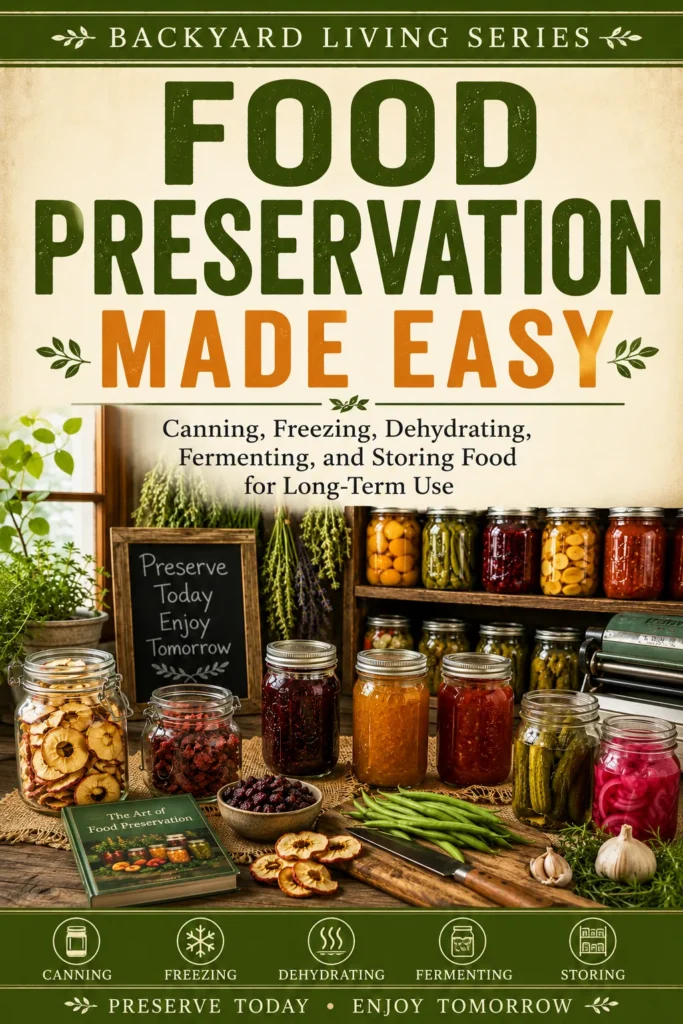
Food Preservation Made Easy expands on each of these topics with clear, step-by-step guidance designed specifically for beginners. From water bath canning and pressure canning to freezing, dehydrating, fermenting, and long-term food storage, the book walks you through safe, proven methods that help you preserve your harvest, reduce food waste, and enjoy homegrown goodness all year long. 🫙
More Food Preservation Articles
If you found this article helpful, these beginner guides are a great next step:
Get Your FREE Backyard Starter Toolkit
Download our free Backyard Starter Toolkit, packed with printable planners, checklists, and beginner resources to help you build, grow, raise, and thrive.
About the Author
Steve McChesney is the founder of Backyard Living Books and has spent decades helping homeowners build, grow, raise, and preserve more from their own backyards. Through practical, beginner-friendly guides, he encourages people to tackle one backyard project at a time and enjoy the satisfaction that comes with learning new skills.