
Backyard Learning Center
Learn practical backyard skills one project at a time through beginner-friendly articles, seasonal tips, and step-by-step guides that help you build, grow, raise, and thrive.
What's the Best Way to Preserve Fresh Garden Vegetables?
(July 2026 – Estimated Reading Time: 8 Minutes)
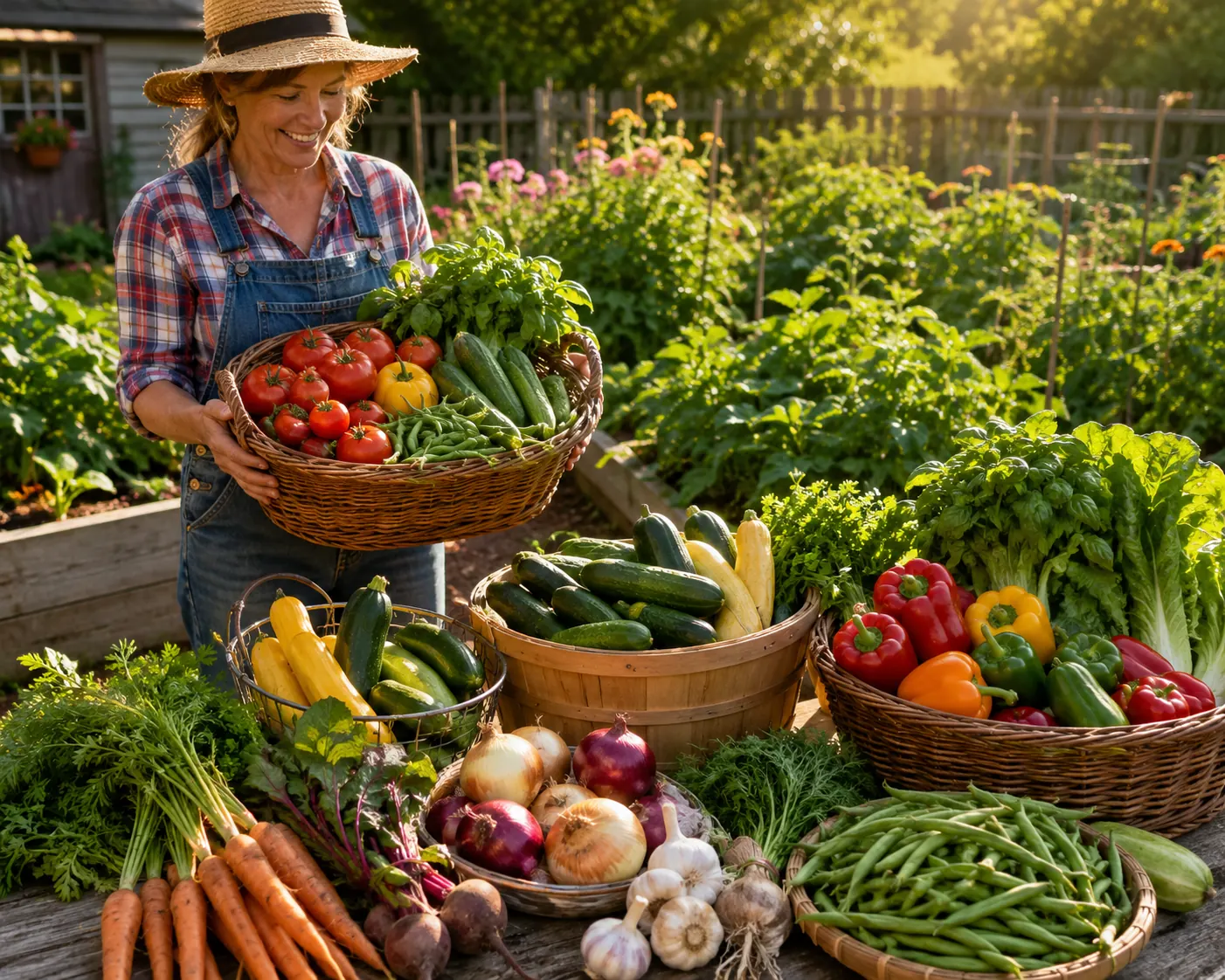
There’s nothing quite like walking through the garden on a summer morning and discovering baskets full of ripe tomatoes, crisp green beans, colorful peppers, cucumbers, squash, onions, and fresh herbs waiting to be harvested. It’s the reward for weeks or even months of planning, planting, watering, and weeding.
Then comes the question every gardener eventually faces.
What am I going to do with all of this?
Fresh vegetables don’t wait patiently. Tomatoes become soft, cucumbers lose their crispness, herbs wilt, and beans quickly grow tough if they’re left sitting on the kitchen counter. A productive garden can easily provide more food than a family can eat fresh, making food preservation one of the most valuable gardening skills you can learn.
The good news is that there’s no single “right” way to preserve vegetables. Different vegetables respond better to different preservation methods. Choosing the best option helps maintain flavor, texture, and quality while giving you ingredients you’ll actually enjoy using throughout the year.
Let’s take a look at some of the most popular garden vegetables and the preservation methods that work best for each.
Tomatoes: The Most Versatile Garden Crop
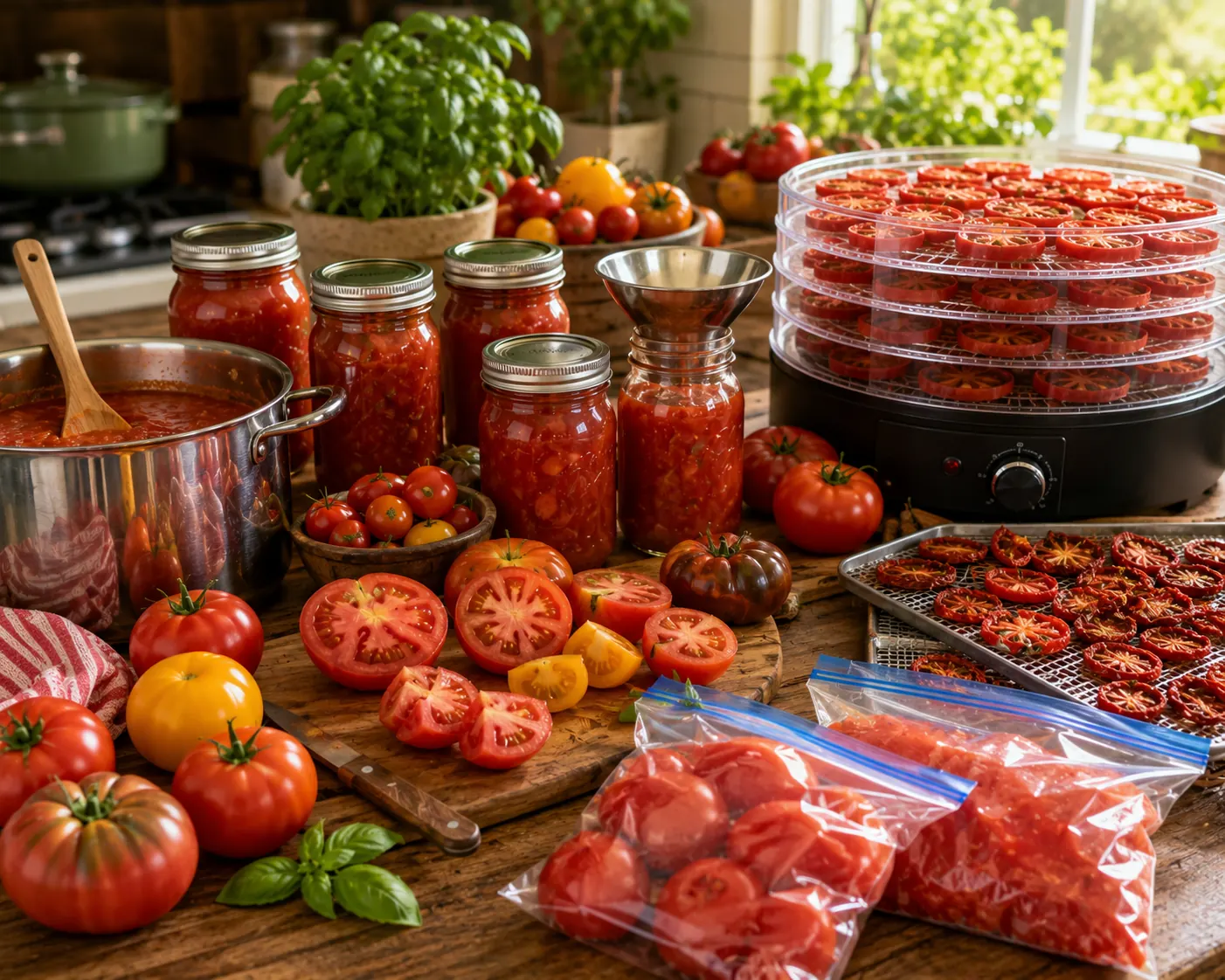
If there’s one vegetable that seems determined to ripen all at once, it’s the tomato.
One week you have a handful. The next week your kitchen counters are covered with bowls overflowing with red, orange, and yellow fruit.
Fortunately, tomatoes are among the easiest vegetables to preserve because they work well with several different methods.
Many gardeners freeze whole tomatoes simply by washing and drying them before placing them in freezer bags. Once thawed, the skins slip off easily, making them perfect for soups, sauces, and chili.
Tomatoes are also excellent candidates for canning. Homemade pasta sauce, salsa, crushed tomatoes, tomato juice, and stewed tomatoes can fill pantry shelves with flavors that far surpass most store-bought versions.
Another favorite option is dehydrating. Dried tomatoes develop a rich, concentrated flavor that adds depth to pasta dishes, salads, breads, and casseroles. Stored properly, they take up very little space while providing outstanding flavor all winter long.
With so many options available, tomatoes are often the perfect vegetable for beginners to experiment with several preservation methods.
Green Beans: Freeze Them for Fresh Flavor
Green beans are one of the easiest vegetables for first-time preservers.
Freezing preserves their color, texture, and flavor remarkably well when they’re properly blanched before packaging.
Blanching simply means briefly boiling the beans before immediately cooling them in ice water. This short process helps preserve quality by slowing the natural enzymes that continue working even after vegetables are harvested.
Once cooled and drained, the beans can be packaged in freezer bags or containers and stored for months.
Green beans can also be pressure canned, producing shelf-stable jars that are convenient when freezer space is limited.
Many experienced gardeners actually preserve green beans both ways, freezing some for side dishes while pressure canning additional jars for soups and casseroles.
Peppers: Surprisingly Flexible
Sweet peppers and hot peppers are another garden favorite that offers several preservation options.
Bell peppers freeze beautifully.
After washing and removing the stems and seeds, simply slice or dice them before freezing. Unlike many vegetables, peppers generally don’t require blanching, making them one of the quickest crops to preserve.
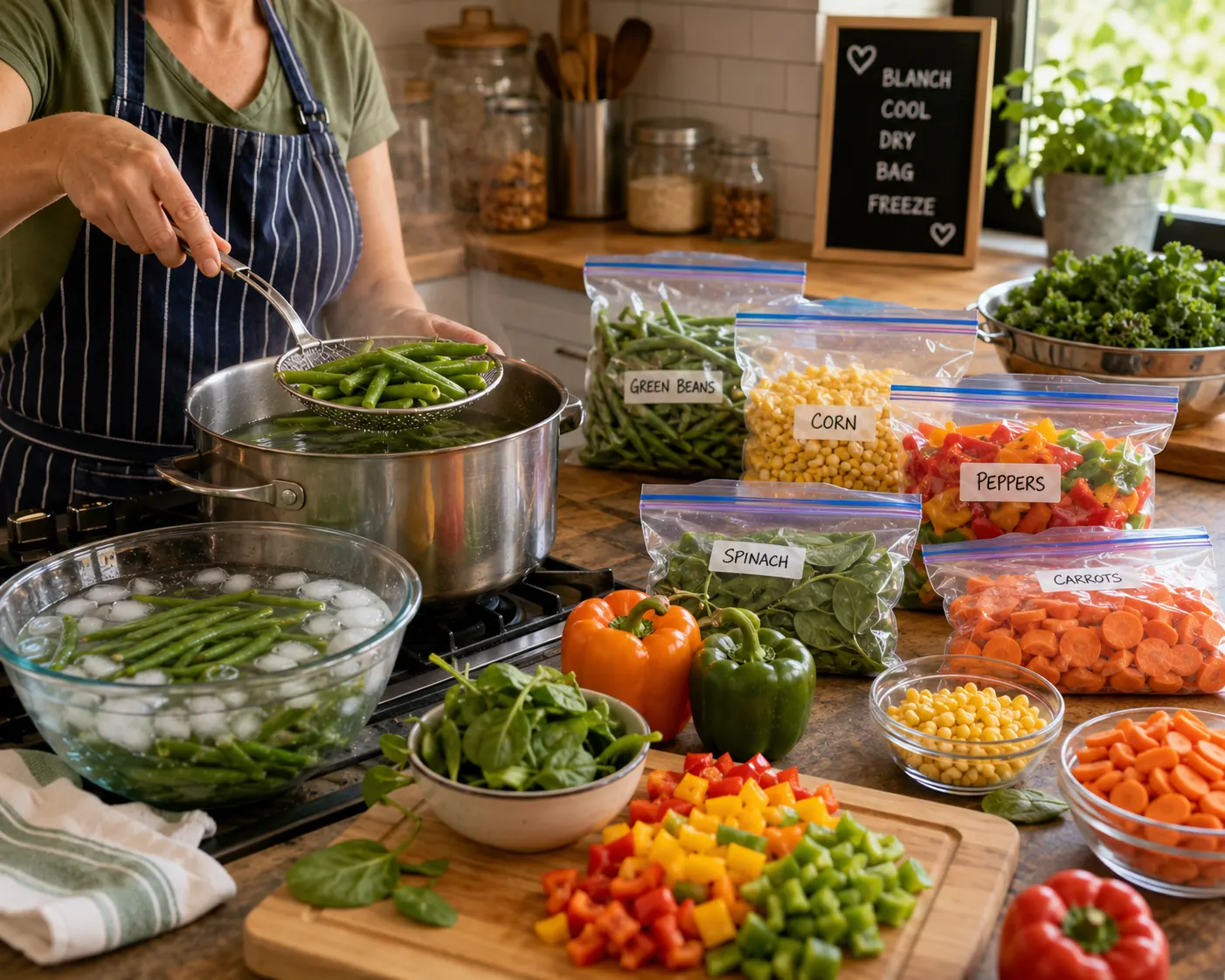
Frozen peppers work wonderfully in soups, omelets, stir-fries, casseroles, and pasta dishes.
Hot peppers can also be frozen whole, dehydrated into flakes or powders, or pickled for long-term storage.
Gardeners who enjoy homemade salsa often preserve tomatoes and peppers together, creating ready-to-use jars filled with fresh garden flavor.
Cucumbers: Think Pickles
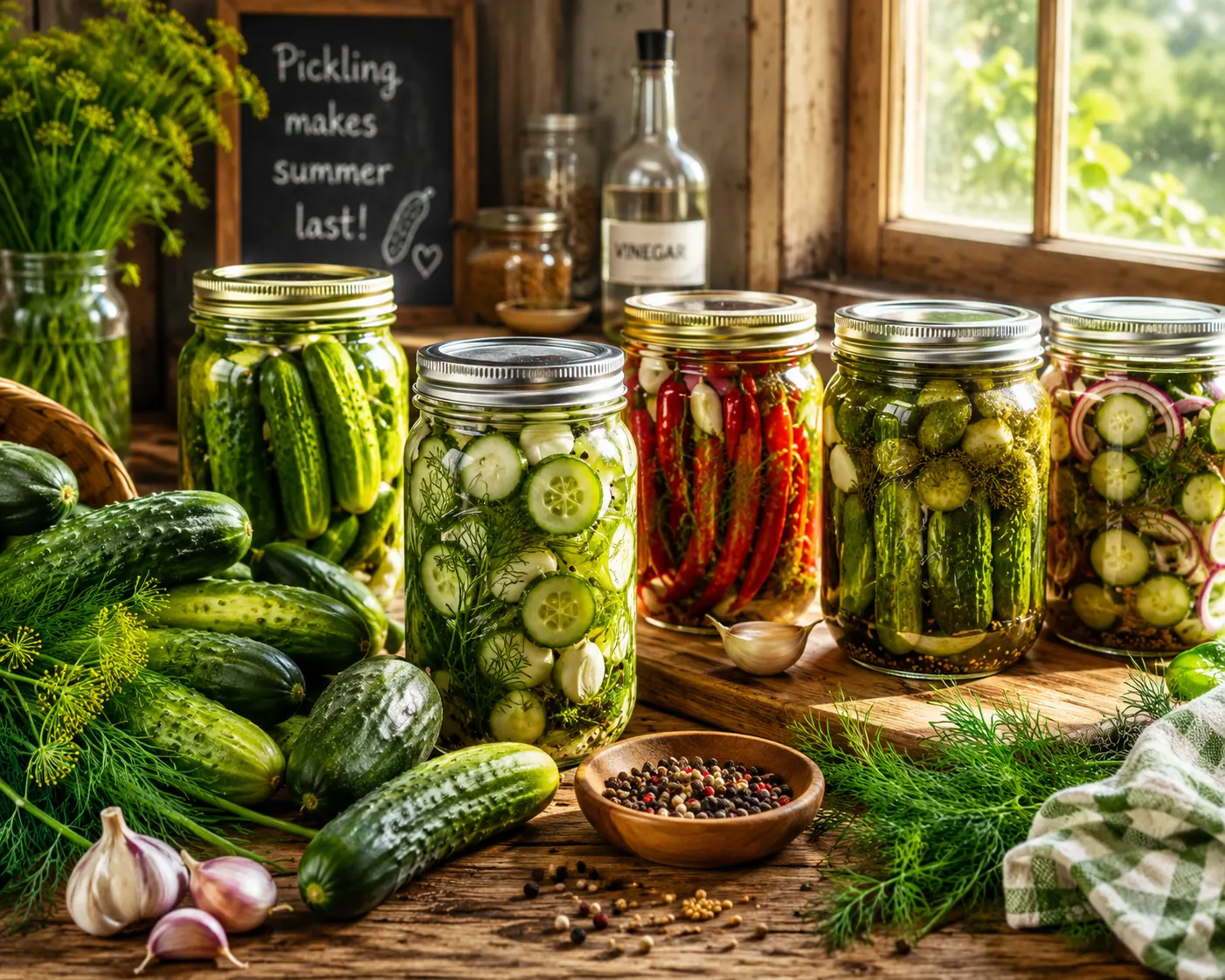
Fresh cucumbers are crisp, refreshing, and delicious, but they don’t freeze particularly well.
Their high water content causes them to become soft after thawing, making freezing less desirable for most recipes.
Instead, cucumbers are famous for becoming pickles.
Whether you prefer dill pickles, bread-and-butter pickles, spicy refrigerator pickles, or sweet pickle chips, preserving cucumbers through pickling allows you to enjoy your harvest long after the vines have stopped producing.
Fermentation offers another excellent option.
Traditional fermented pickles develop a distinctive tangy flavor while requiring surprisingly little equipment. With just cucumbers, salt, water, and a clean container, gardeners can create delicious pickles using methods that have been enjoyed for generations.
Corn: Sweet Summer Flavor in Winter
Few vegetables capture the taste of summer quite like sweet corn.
Fortunately, freezing preserves that flavor exceptionally well.
After blanching the ears, many gardeners cut the kernels from the cob before freezing them in meal-sized portions. Others freeze whole ears for backyard cookouts later in the year.
The result is sweet corn that tastes remarkably close to fresh harvest when added to soups, chowders, casseroles, or simple side dishes.
Pressure canning is another option, especially for gardeners with limited freezer space, although many people prefer the texture of frozen corn.
Onions: Simple Storage Often Works Best
Unlike many vegetables, onions don’t always require elaborate preservation techniques.
When properly cured after harvest, many storage onion varieties can last for months in a cool, dry, well-ventilated location.
This makes onions one of the easiest crops to preserve.
If you have more than you’ll use before spring, freezing chopped onions provides another excellent solution. Frozen onions lose some of their crisp texture but remain perfect for soups, sauces, casseroles, and slow-cooked meals.
Dehydrating onions is another popular option.
Homemade onion flakes and onion powder add wonderful flavor to countless recipes while taking up very little pantry space.
Herbs: Don’t Let Them Go to Waste
Fresh herbs often produce far more than one family can use during the growing season.
Fortunately, preserving herbs couldn’t be much simpler.
Drying remains one of the most popular methods for basil, oregano, thyme, rosemary, sage, parsley, and many other culinary herbs.
After drying completely, herbs can be stored in airtight containers away from heat and sunlight.
Many gardeners also freeze herbs.
Chopped herbs placed into ice cube trays with water or olive oil create convenient cooking portions that can be added directly to soups, sauces, and sautéed vegetables.
The result is fresh garden flavor available year-round.
Carrots: More Than Just Root Cellar Vegetables
Carrots are another crop with several preservation options.
In colder climates, carrots often store successfully for months in root cellars or cool basements when packed in slightly damp sand.
Freezing is another excellent choice.
After peeling, slicing, and blanching, frozen carrots retain much of their color and flavor while becoming convenient additions to soups, stews, and side dishes.
Pressure canning also produces shelf-stable carrots that are ready whenever needed for quick meals.
Squash: Different Types, Different Methods
Summer squash and winter squash require completely different preservation strategies.
Zucchini and yellow squash freeze well after slicing or shredding. Shredded zucchini becomes especially useful for breads, muffins, soups, and casseroles throughout the winter.
Winter squash, including butternut, acorn, and Hubbard varieties, often require very little preservation work at all.
When cured properly, many winter squash varieties naturally store for several months in a cool, dry location.
For gardeners with limited storage space, cooked squash can also be frozen in convenient portions for later use.
Leafy Greens: Preserve Them Quickly
Spinach, kale, Swiss chard, and collard greens are highly nutritious but don’t remain fresh for long after harvest.
Freezing works exceptionally well.
A quick blanch followed by rapid cooling helps preserve both color and flavor before packaging.
Frozen greens become excellent additions to soups, casseroles, pasta dishes, smoothies, and omelets.
Many gardeners find themselves grateful for those freezer bags during the middle of winter when fresh greens are less abundant.
Don’t Forget Mixed Vegetables
One of the smartest ways to preserve a garden harvest is by preparing vegetables exactly the way you’ll use them later.
Instead of freezing vegetables individually, consider creating soup mixes, stir-fry blends, or roasting combinations.
For example, diced onions, peppers, celery, and carrots can be frozen together in meal-sized portions. When it’s time to prepare soup, everything is already chopped and ready to go.
This approach saves time while making weeknight cooking much easier.
Match the Method to the Vegetable
As you can see, different vegetables naturally lend themselves to different preservation techniques.
Tomatoes excel in almost every preservation method.
Green beans and corn are outstanding candidates for freezing.
Cucumbers become delicious pickles.
Onions and winter squash often store naturally.
Herbs dry beautifully.
Leafy greens freeze surprisingly well.
Understanding these natural strengths helps you preserve vegetables in ways that deliver the best possible results months later.
Start Small and Build Confidence
Beginning gardeners sometimes believe they need to preserve every vegetable they harvest.
That simply isn’t necessary.
Start with one or two crops that your family enjoys eating regularly.
If tomatoes are your favorite, learn to make sauce or freeze whole tomatoes.
If green beans are always on the dinner table, master freezing them properly.
Each successful batch builds confidence for the next one.
Over time, preserving vegetables becomes less of a special project and more of a natural extension of gardening itself.
Enjoy Your Harvest All Year Long
One of the greatest rewards of gardening isn’t simply harvesting vegetables.
It’s enjoying those vegetables months later when snow covers the garden or summer feels far away.
Opening a jar of homemade salsa in January brings back memories of warm afternoons spent harvesting tomatoes and peppers.
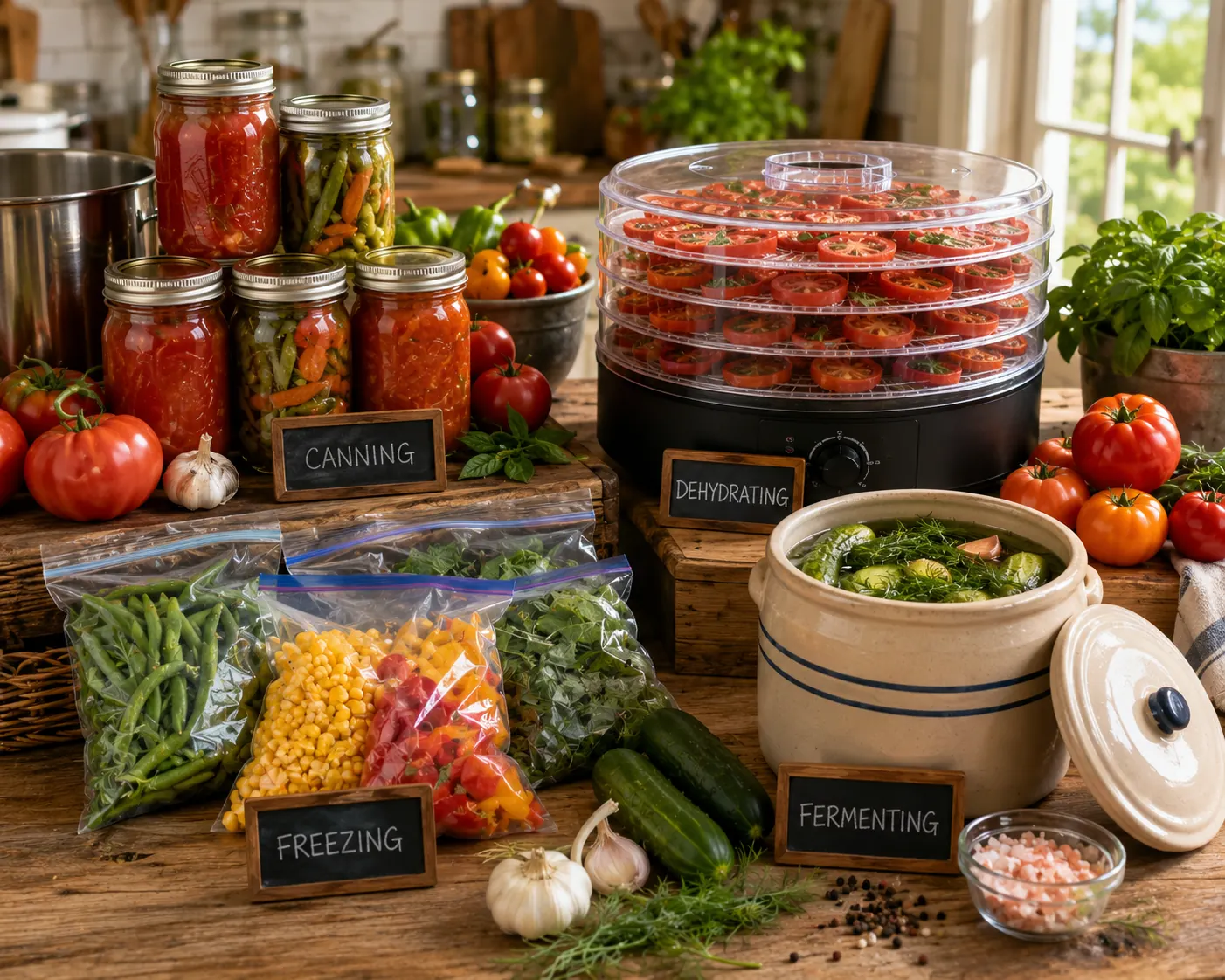
Adding frozen green beans to dinner reminds you of long summer evenings in the garden.
Sprinkling dried herbs into homemade soup fills the kitchen with familiar aromas from the growing season.
Food preservation allows your garden to keep giving long after the last harvest.
Whether you choose freezing, canning, dehydrating, fermenting, or simple storage, each method helps reduce waste, stretch your grocery budget, and provide healthy homegrown food throughout the year.
The best preservation method isn’t necessarily the most complicated one.
It’s the one that fits your harvest, your kitchen, and the way your family enjoys eating.
Start with a few vegetables, preserve them well, and before long you’ll discover that every growing season doesn’t end with the first frost. Instead, it continues one delicious meal at a time, all year long.
Ready to Preserve Your Harvest with Confidence?
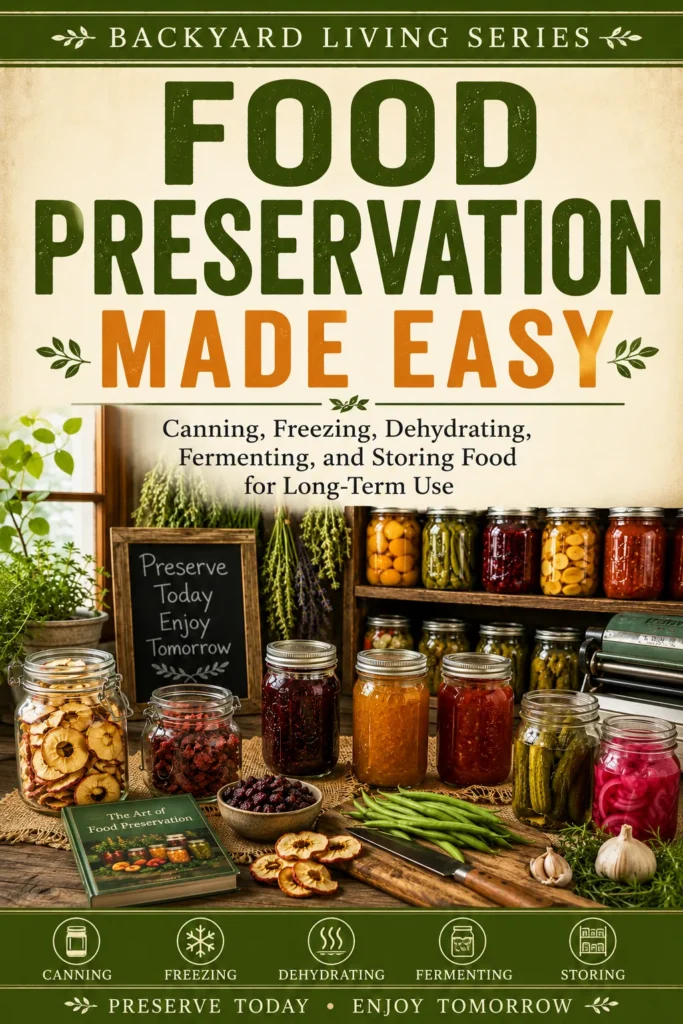
Food Preservation Made Easy expands on each of these topics with clear, step-by-step guidance designed specifically for beginners. From water bath canning and pressure canning to freezing, dehydrating, fermenting, and long-term food storage, the book walks you through safe, proven methods that help you preserve your harvest, reduce food waste, and enjoy homegrown goodness all year long. 🫙
More Food Preservation Articles
If you found this article helpful, these beginner guides are a great next step:
Get Your FREE Backyard Starter Toolkit
Download our free Backyard Starter Toolkit, packed with printable planners, checklists, and beginner resources to help you build, grow, raise, and thrive.
About the Author
Steve McChesney is the founder of Backyard Living Books and has spent decades helping homeowners build, grow, raise, and preserve more from their own backyards. Through practical, beginner-friendly guides, he encourages people to tackle one backyard project at a time and enjoy the satisfaction that comes with learning new skills.