
Backyard Learning Center
Learn practical backyard skills one project at a time through beginner-friendly articles, seasonal tips, and step-by-step guides that help you build, grow, raise, and thrive.
July 2026 (9 Minute Read)
The Beginner's Guide to Food Preservation: Where Should You Start?
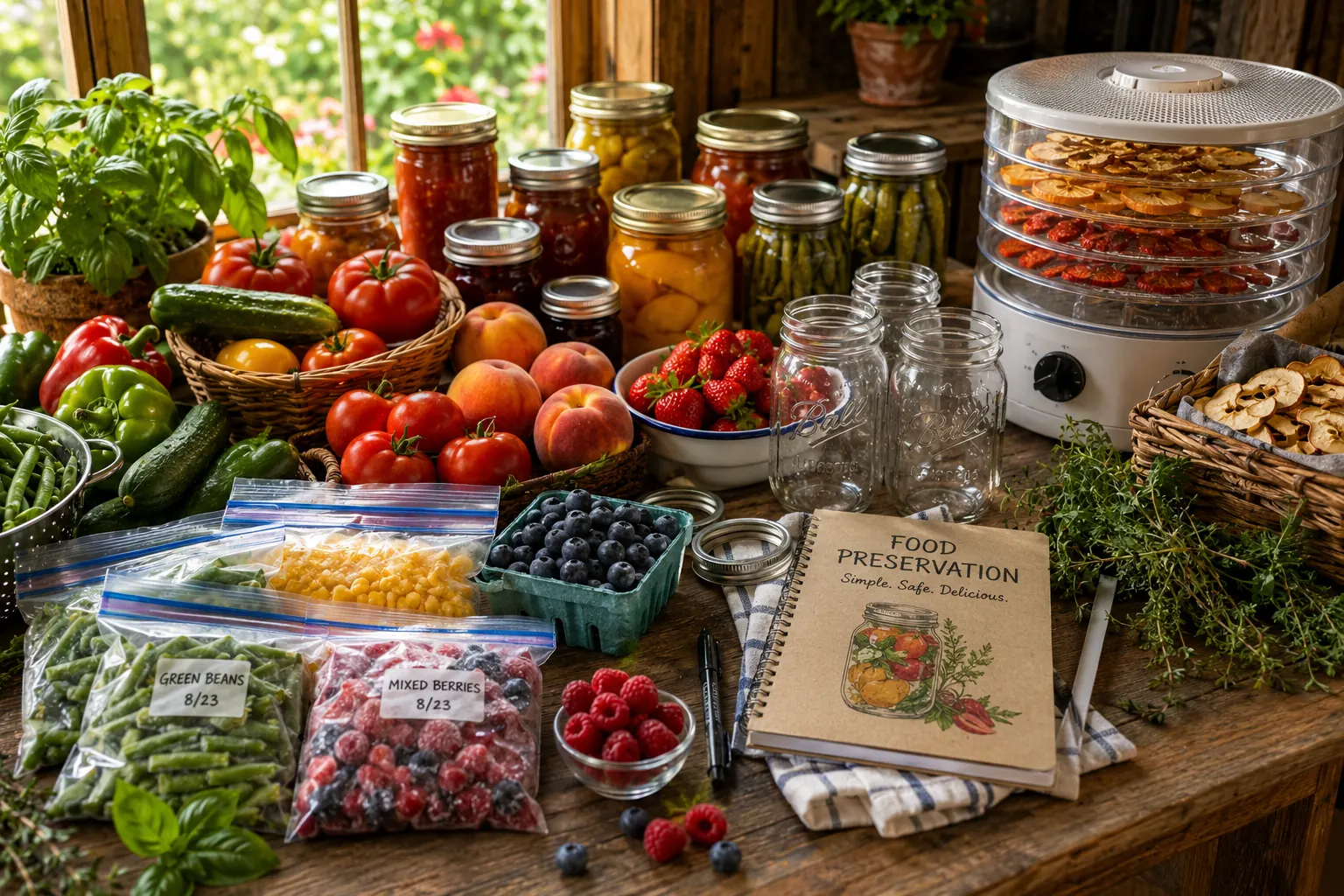
Every year, countless gardens produce more fresh tomatoes, beans, cucumbers, berries, and herbs than anyone can eat. Farmers’ markets overflow with seasonal bargains, and grocery stores offer deep discounts when fruits and vegetables are at their peak. Yet much of that abundance ends up spoiled because people simply don’t know how to preserve it.
If you’ve ever looked at a basket of ripe tomatoes and wondered what to do with them before they begin to wrinkle, you’re not alone. Food preservation is one of those skills that many people assume is complicated, expensive, or reserved for experienced homesteaders. The truth is much simpler. Anyone can learn to preserve food, and you don’t need a farmhouse, acres of land, or shelves filled with specialized equipment to begin.
Food preservation has been helping families stretch their harvests for thousands of years. Long before refrigerators and freezers, people discovered ways to safely store food so it could be enjoyed months after it was harvested. While modern equipment has made the process easier and safer, the goal remains exactly the same: capture the freshness of today so you can enjoy it tomorrow.
The biggest question beginners ask isn’t whether they should preserve food. It’s where they should begin.
There are several techniques, each with its own strengths. Choosing the right one depends on the type of food you’re preserving, the equipment you have available, and how you plan to use the finished product.
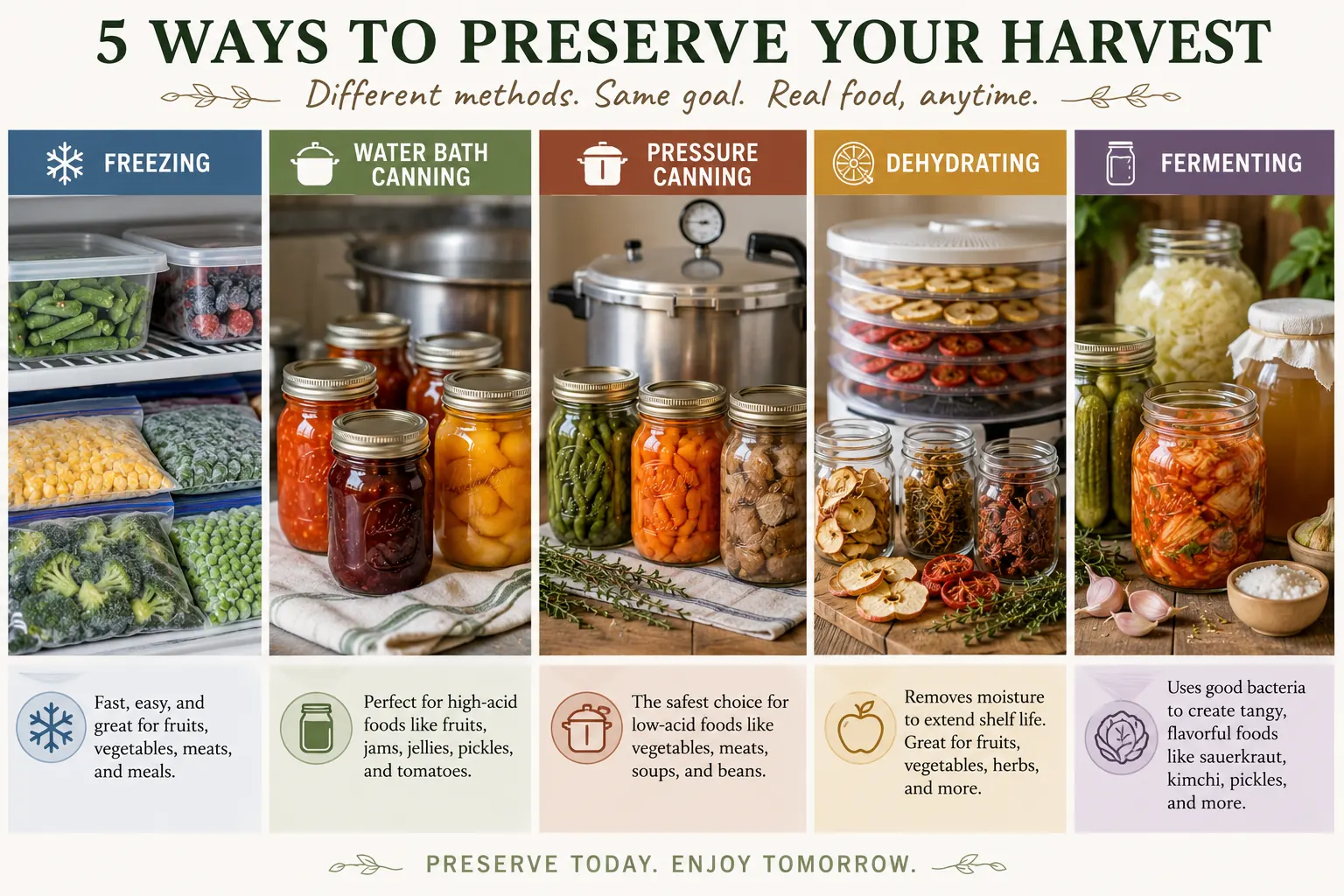
Freezing is the Easiest Place to Start.
Most people already own the necessary equipment, making it one of the most accessible preservation methods available. Fruits, vegetables, meats, soups, and prepared meals can all be frozen successfully with very little investment.
Freezing also preserves much of a food’s original flavor and texture. Vegetables such as corn, peas, green beans, and broccoli freeze exceptionally well after a quick blanching process. Fruits like strawberries, blueberries, peaches, and cherries can often be frozen with almost no preparation at all.
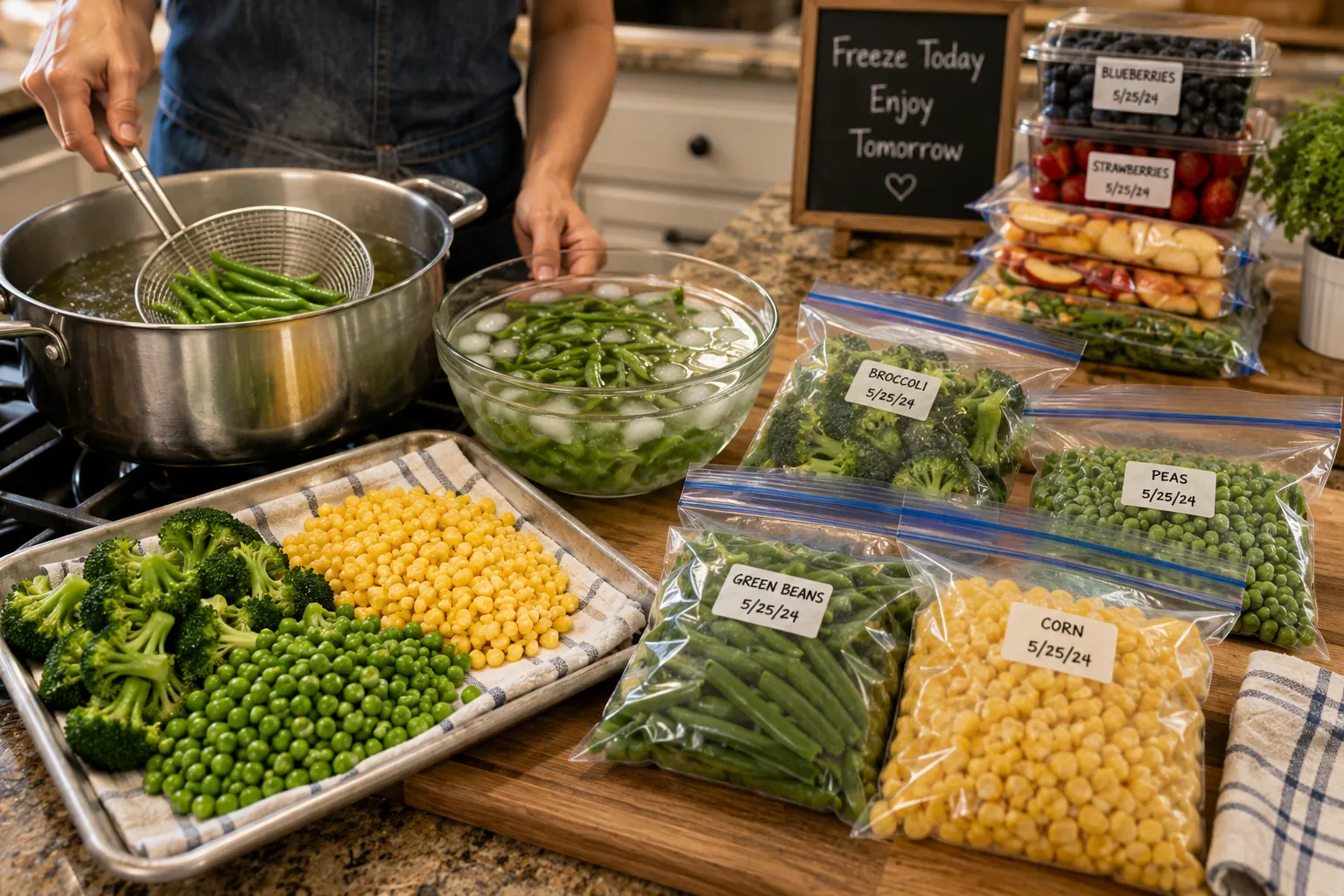
One of the greatest advantages of freezing is that mistakes are relatively forgiving. If you package food properly and keep your freezer at the correct temperature, your preserved food will remain safe for months. It’s an excellent way to build confidence before exploring other preservation techniques.
Of course, freezer space isn’t unlimited. A successful garden can quickly fill every available shelf, leading many people to look for another option.
That’s where dehydrating shines.
Dehydration
Removing moisture from food dramatically extends its storage life while reducing the amount of space it occupies. A large basket of apples can become a single jar of apple chips. Herbs that would otherwise wilt in a few days can remain flavorful for months. Tomatoes transform into rich, concentrated slices that add remarkable flavor to soups, pasta dishes, and homemade breads.
Many beginners are surprised by how versatile dehydrated foods can be. Beyond snacks, dried fruits can be rehydrated for baking, vegetables can be added directly to soups and stews, and herbs often retain much of their aroma when stored properly.
While electric dehydrators simplify the process, many foods can also be dried in an oven set to a low temperature. This makes dehydrating another approachable method for someone just beginning the journey into food preservation.
Canning
Perhaps no preservation method captures people’s imagination quite like canning.
Rows of colorful jars filled with peaches, tomatoes, jams, pickles, and salsa create a sense of accomplishment that’s hard to match. Properly canned food can sit safely on pantry shelves for months or even years, making it an outstanding choice for anyone hoping to build a dependable food supply.
However, canning is also the method that causes the most hesitation among beginners.
Much of that hesitation comes from hearing stories about pressure canners, exploding jars, or concerns about food safety. While canning does require attention to detail, modern canning is based on well-tested scientific procedures that have made it safer than ever before.
It’s important to understand that not every food is canned the same way.
High-acid foods such as fruits, jams, jellies, pickles, and many tomato products can usually be processed using a water bath canner. The boiling water safely destroys harmful microorganisms because the natural acidity of these foods provides additional protection.
Low-acid foods are different.
Vegetables, meats, poultry, seafood, and soups require pressure canning because they must reach temperatures higher than boiling water can provide. A pressure canner creates those higher temperatures, ensuring the food is processed safely.
For beginners, the safest approach is to start with simple water bath recipes. Making strawberry jam, peach preserves, or dill pickles provides an excellent introduction to the canning process while helping you become comfortable with sterilizing jars, filling them properly, and creating dependable seals.
As your confidence grows, learning pressure canning becomes much less intimidating.
Fermentation
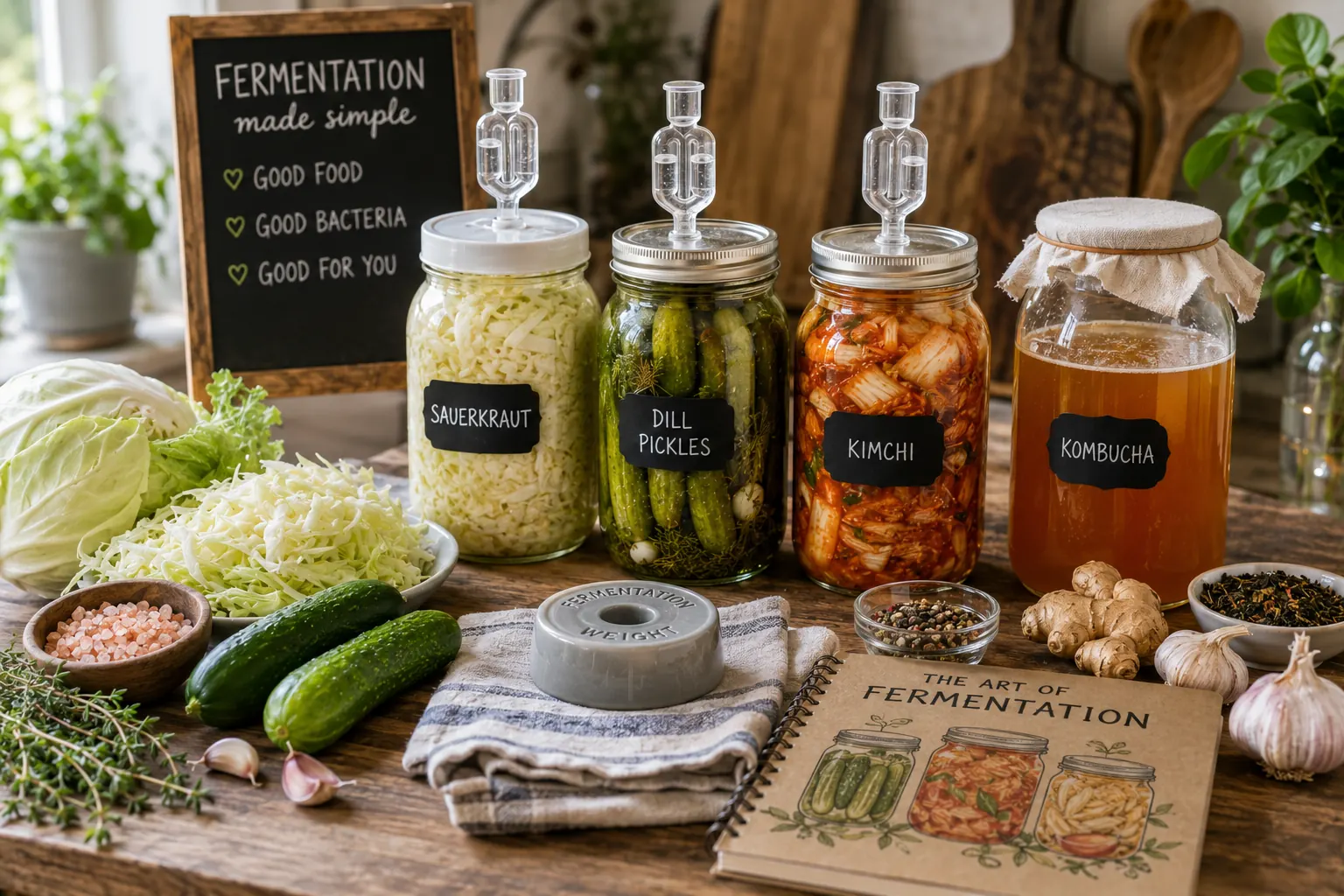
Another preservation method that’s enjoying renewed popularity is fermentation.
Unlike freezing or canning, fermentation relies on beneficial bacteria to naturally preserve food while creating entirely new flavors. Sauerkraut, kimchi, fermented pickles, yogurt, kombucha, and many artisan foods owe their distinctive taste to this fascinating process.
Fermentation requires remarkably little equipment. In many cases, a clean jar, fresh ingredients, water, and salt are enough to get started.
Many people are drawn to fermented foods because they introduce probiotics and unique flavors into everyday meals. Others simply enjoy the satisfaction of watching nature perform the preservation process.
The key to successful fermentation is patience. Unlike freezing, where food is preserved almost immediately, fermentation develops gradually over several days or weeks as beneficial bacteria transform the ingredients.
For beginners who enjoy experimenting in the kitchen, fermentation can become one of the most rewarding forms of food preservation.
Root Cellaring
Root cellaring represents another traditional preservation technique that still works remarkably well today.
Although few homes have true underground root cellars anymore, many basements, garages, crawl spaces, or cool storage rooms provide conditions that allow certain fruits and vegetables to remain fresh for months.
Potatoes, onions, winter squash, carrots, apples, garlic, and beets often store exceptionally well when kept cool, dark, and properly ventilated.
This method requires almost no equipment and very little processing. Instead of changing the food, you’re simply creating an environment that slows natural aging.
For gardeners, root storage can dramatically reduce food waste while keeping fresh produce available throughout much of the winter.
So Where Do You Start?
One question nearly every beginner asks is whether they should focus on mastering one preservation method or learn several at once.
The answer is surprisingly simple.
Start with the foods you already enjoy eating.
If your family goes through frozen vegetables every week, begin with freezing. If homemade strawberry jam sounds appealing, learn water bath canning. If you love beef jerky or dried apples, try dehydrating. If you’re fascinated by homemade sauerkraut or fermented pickles, explore fermentation.
Choosing foods your family already enjoys provides immediate rewards. You’ll be far more motivated to preserve food if you know it will actually be used.
It’s also helpful to remember that many foods can be preserved in more than one way.
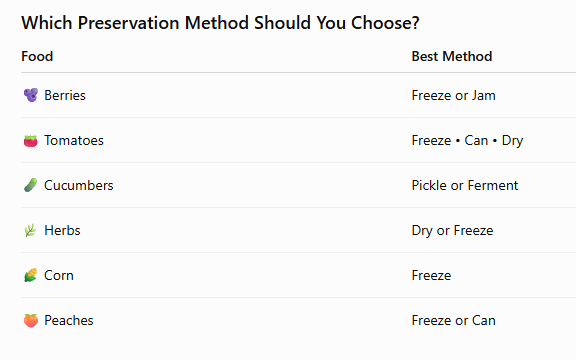
Tomatoes provide an excellent example. They can be frozen whole, canned into sauce or salsa, dehydrated into flavorful slices, or even fermented. Each method produces a different result suited for different recipes.
Apples are equally versatile. They freeze beautifully for pies, dehydrate into healthy snacks, become applesauce through canning, or store fresh for months under the right conditions.
Learning which preservation method best fits each food becomes second nature with experience.
Equipment
Equipment is one of those areas where beginners often spend more money than necessary.
There’s no need to purchase every gadget before preserving your first harvest.
A freezer requires little beyond freezer-safe containers or bags. Basic dehydrating can often be done using an oven. Water bath canning requires a few essential tools, but many kitchens already contain most of them. Even pressure canning becomes a modest investment when compared with years of preserving fresh food.
Instead of buying everything at once, build your collection gradually.
Each season you’ll discover which methods you enjoy most and which tools genuinely make your work easier.
Take Your Time
One mistake many beginners make is trying to preserve an entire garden harvest in a single weekend.
The excitement of a productive garden can quickly become overwhelming if every tomato, cucumber, pepper, and zucchini ripens simultaneously.
Rather than attempting everything at once, preserve food in manageable batches. Freeze a few bags of green beans today. Can a batch of salsa tomorrow. Dry herbs later in the week.
Small successes build experience much faster than exhausting marathon preserving sessions.
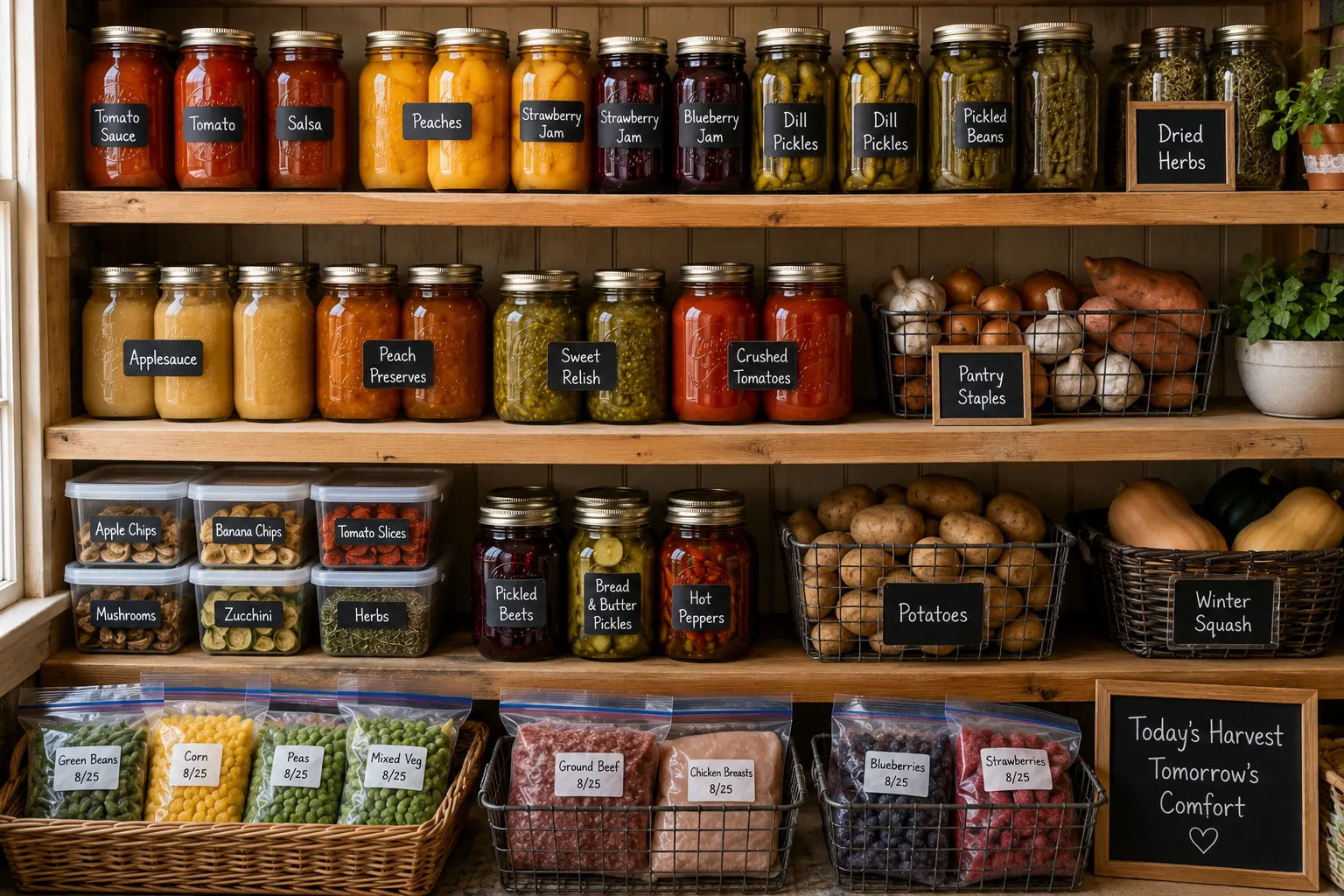
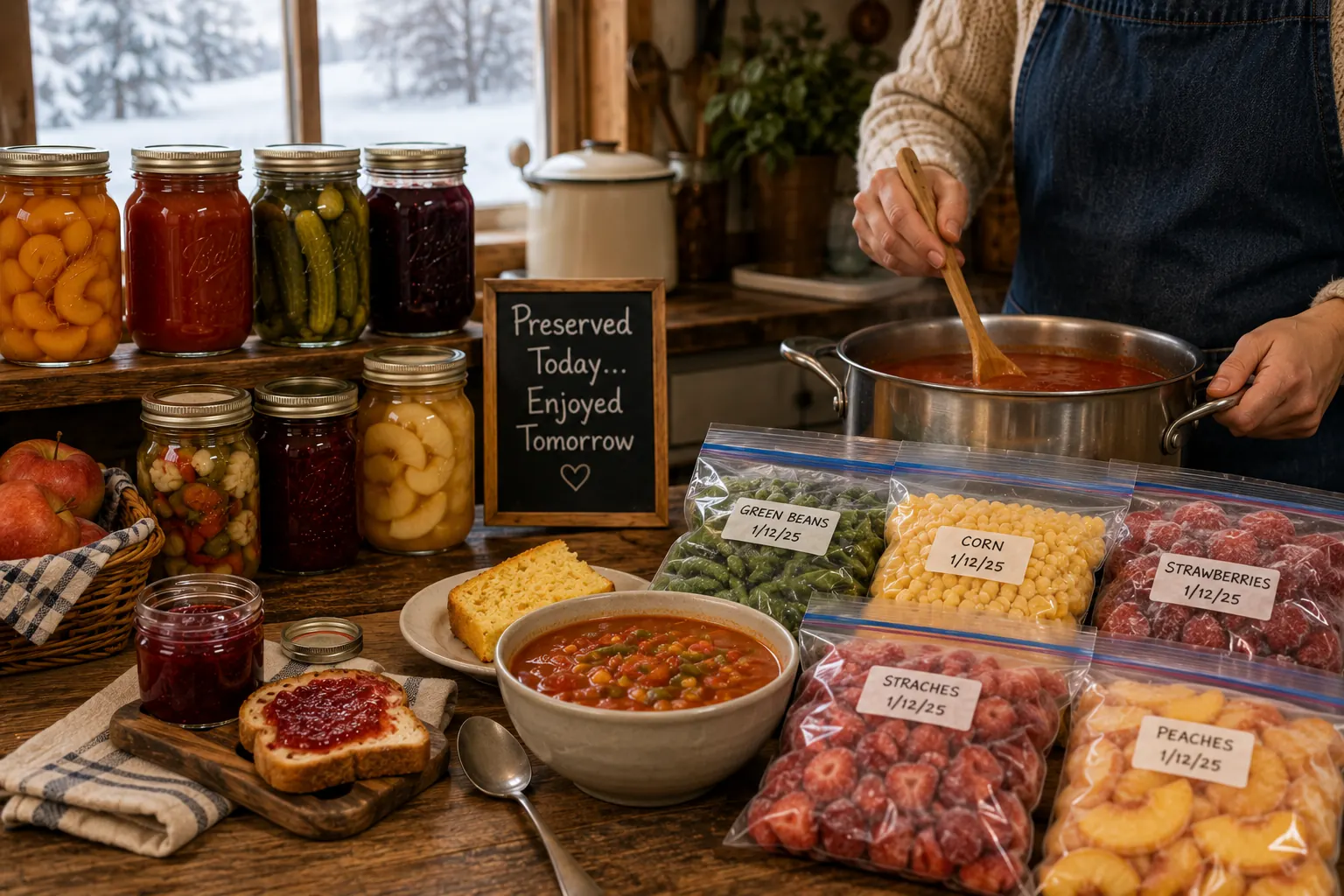
Labeling is a habit worth developing immediately
Every container and jar should include both the contents and the date it was preserved. Months later, containers that all looked obvious in August can become surprisingly mysterious in January.
Simple labels also encourage proper food rotation, allowing older items to be used before newer ones.
Enjoy the Harvest
Perhaps the greatest reward of learning food preservation isn’t simply saving money, although that’s certainly one benefit.
It’s the confidence that comes from opening your pantry or freezer and knowing you created much of what’s inside.
There’s something deeply satisfying about serving spaghetti topped with tomato sauce made from your own summer harvest in the middle of winter. A jar of homemade peach preserves can brighten a cold January morning. Frozen blueberries picked at their peak can become pancakes months after the bushes have stopped producing.
Each jar, bag, or container represents food that didn’t go to waste.
It represents skills you’ve learned, time you’ve invested, and meals you’ll enjoy long after the growing season has ended.
Food preservation doesn’t require perfection. Every experienced home preserver has overcooked a batch of jam, forgotten to label a freezer bag, or discovered that a recipe didn’t turn out quite as expected.
Those experiences become part of the learning process.
The important thing is simply to begin.
Choose one preservation method that fits your interests. Pick one or two foods that are in season. Follow reliable, tested instructions, take your time, and enjoy the process.
Before long, preserving food won’t seem like a special project at all. It’ll become another enjoyable part of harvesting the garden, shopping at the farmers’ market, or taking advantage of seasonal bargains.
Every full pantry starts with a single jar.
Every stocked freezer begins with one package.
Every confident home food preserver once stood exactly where you are now, wondering where to start.
The best time to learn is when fresh food is abundant, and the best first step is simply choosing one method and giving it a try. You may be surprised at how quickly one successful batch grows into a pantry filled with the flavors of every season.
Ready to Start Preserving Your Harvest?
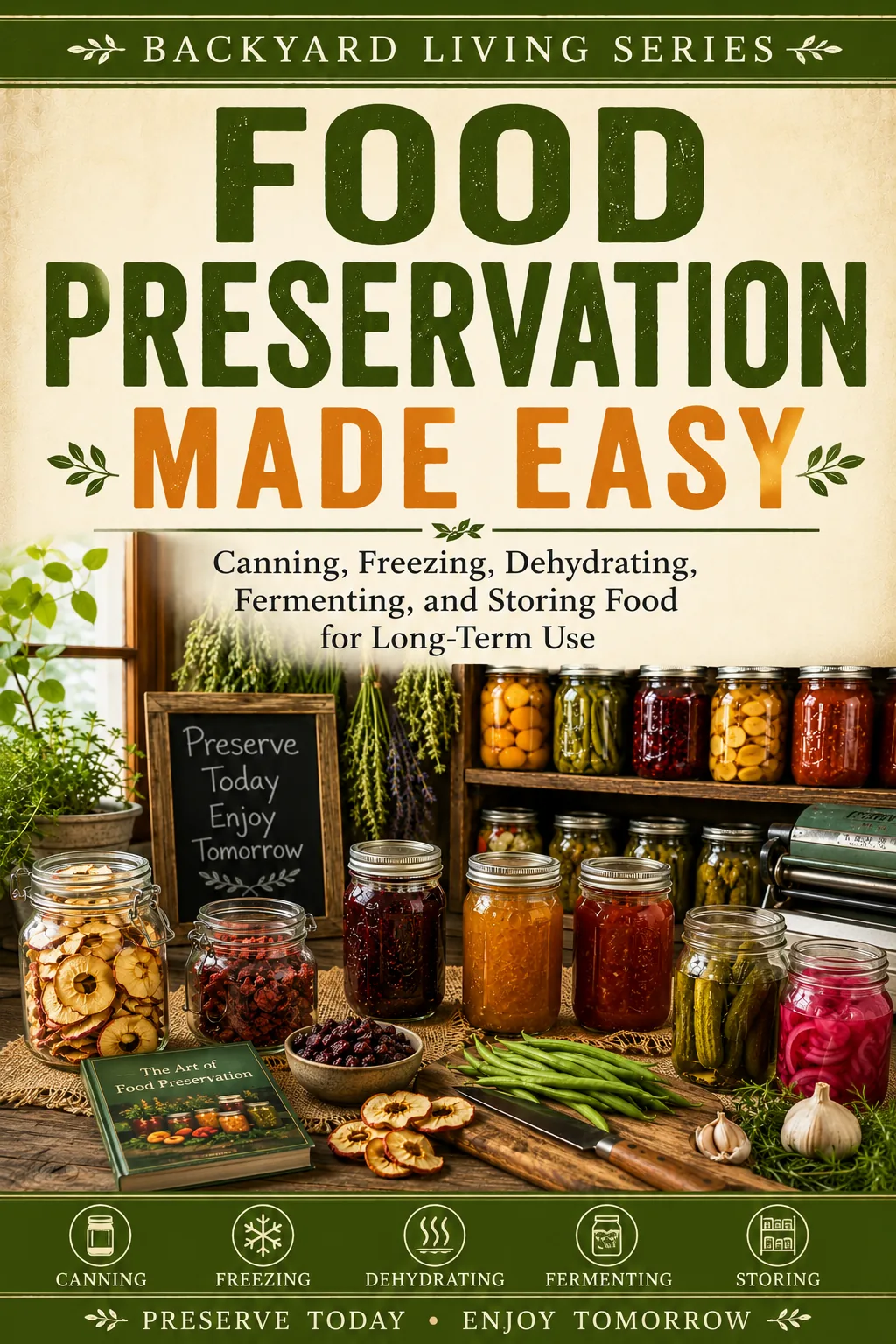
If you’re ready to stock your pantry with home-preserved foods and enjoy your harvest long after the growing season ends, Food Preservation Made Easy will guide you through every step. You’ll learn safe, proven methods for canning, freezing, dehydrating, fermenting, and more, along with practical tips to help you preserve food with confidence and avoid the most common beginner mistakes.
Get Your FREE Backyard Starter Toolkit
Download our free Backyard Starter Toolkit, packed with printable planners, checklists, and beginner resources to help you build, grow, raise, and thrive.
More Food Preservation Articles
If you found this article helpful, these beginner guides are a great next step:
About the Author
Steve McChesney is the founder of Backyard Living Books and the author of practical, beginner-friendly guides that help homeowners build, grow, raise, and thrive in their own backyards.