Backyard Learning Center

Learn practical backyard skills one project at a time through beginner-friendly articles, seasonal tips, and step-by-step guides that help you build, grow, raise, and thrive.

The 10 Biggest Mistakes New Chicken Owners Make

Avoid These Common Beginner Errors Before You Bring Home Your First Flock

(July 2026 – Estimated Reading Time: 8 Minutes)

Raising backyard chickens is one of the most rewarding hobbies you can take on. Fresh eggs, entertaining hens, and a closer connection to your food are just a few of the reasons millions of people have added chickens to their backyards.

The good news is that chickens are surprisingly forgiving animals. They don’t require years of farming experience, and most beginners quickly settle into a comfortable routine.

Still, nearly every new chicken keeper makes a few mistakes along the way.

Some are minor inconveniences. Others can affect your flock’s health, egg production, or even their safety.

The good news? Most of these problems are easy to avoid once you know what to look for.

Here are ten of the biggest mistakes new chicken owners make and how you can avoid them.

1. Buying Too Many Chickens

Farm Store

It happens all the time.

You visit the farm store planning to buy four chicks.

Then you see all the different breeds.

Before you know it…

You’re carrying home eight.

While it’s tempting to start with a large flock, beginners usually do much better with four to six hens. That’s enough to learn the basics without becoming overwhelmed, while still producing plenty of eggs for most families.

You can always expand later.

2. Building a Coop That's Too Small

Many prefabricated coops advertise unrealistic capacities.

A coop marketed for six chickens may only provide enough room for three or four birds.

Overcrowding can lead to:

  • Bullying
  • Feather pecking
  • Dirty nesting boxes
  • Stress
  • Poor egg production

A good rule is:

  • 4 square feet per chicken inside the coop
  • 10 square feet per chicken in the run

When in doubt, build larger than you think you’ll need.

Small Chicken Coop

3. Forgetting About Predators

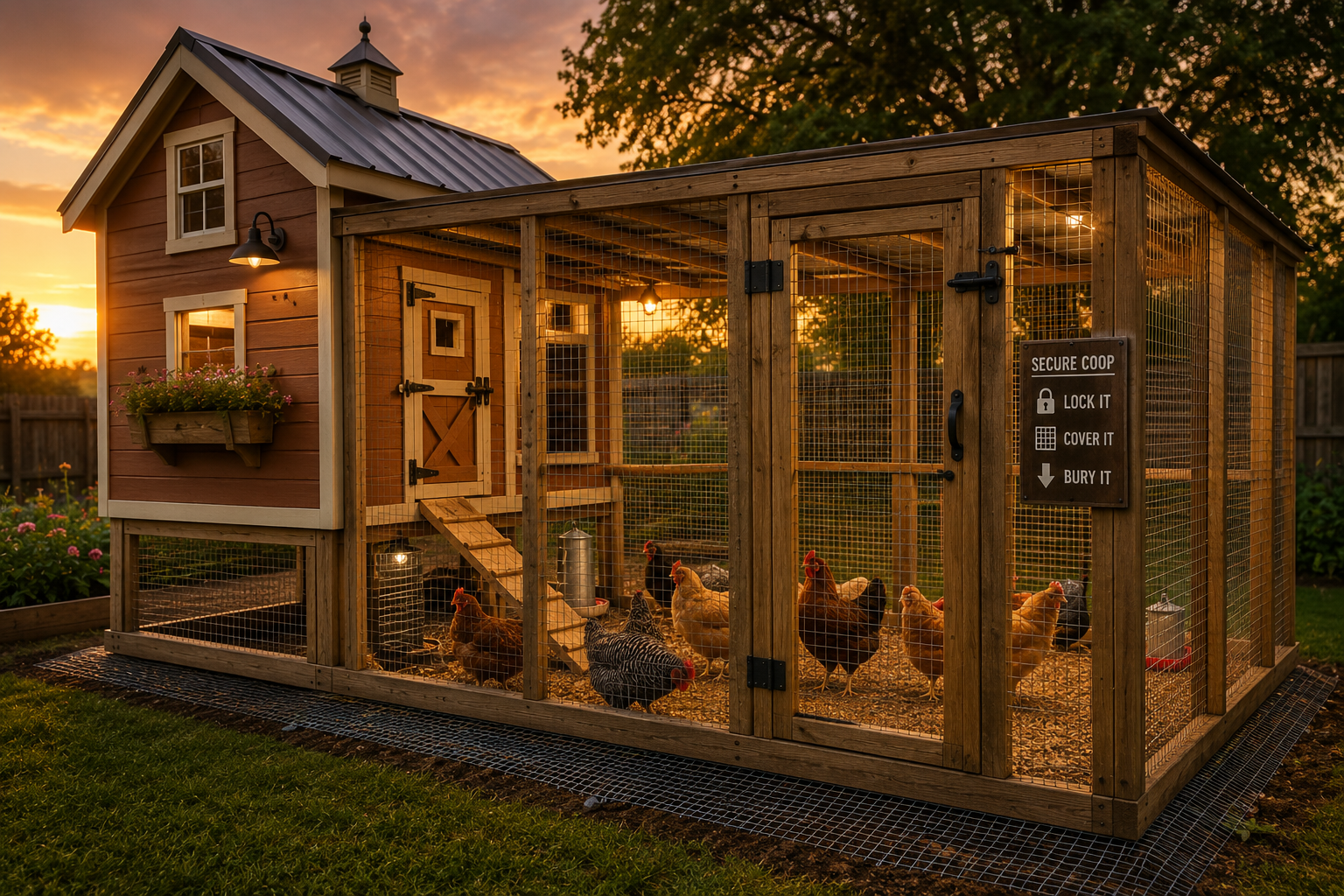
Secure Chicken Coop

One of the hardest lessons new chicken owners learn is that predators don’t care whether you live on a farm or in the suburbs.

Common predators include:

  • Raccoons
  • Hawks
  • Foxes
  • Coyotes
  • Snakes
  • Neighborhood dogs
  • Opossums

A secure coop with sturdy hardware cloth, predator-proof latches, and a covered run provides far better protection than chicken wire alone.

If something can reach through a gap, dig under a fence, or lift a simple latch, eventually it probably will.

4. Choosing Chickens Before Checking Local Rules

Many cities now allow backyard chickens.

Some don’t.

Others limit:

  • Number of hens
  • Roosters
  • Coop placement
  • Property setbacks

HOAs may have additional restrictions.

Before buying your first chicks or building a coop, spend a few minutes checking your local ordinances.

It’s much easier than moving a coop later.

5. Ignoring Ventilation

Many beginners focus on keeping the coop warm.

Experienced chicken keepers focus on keeping it dry.

Poor ventilation allows moisture to build up inside the coop.

That damp air can create respiratory problems and encourage mold growth.

Good ventilation removes moisture while still protecting your flock from drafts.

Fresh air is one of the best things you can provide.

6. Feeding Too Many Treats

Chickens love treats.

Unfortunately…

They don’t always know when to stop.

Scratch grains, fruits, vegetables, mealworms, and kitchen scraps should be occasional treats, not the main diet.

A quality layer feed should make up the majority of what adult laying hens eat.

Healthy hens produce healthier eggs.

Chicken Treats

7. Skipping Daily Health Checks

Chicken Inspection

You don’t need to perform a full physical exam every morning.

But you should observe your flock.

Healthy chickens are active.

They’re scratching, eating, exploring, and interacting with one another.

If one hen suddenly isolates herself, refuses food, or appears unusually quiet, she’s often telling you something is wrong.

Catching problems early is one of the biggest advantages backyard owners have.

8. Not Planning for "Chicken Math"

Chicken owners joke about something called Chicken Math.

It works like this:

“I only need four chickens.”

A few months later…

“I guess six wouldn’t hurt.”

By next spring…

“Maybe I should build a bigger coop.”

It’s surprisingly common.

If possible, design your coop with room to expand.

There’s a good chance you’ll eventually want more hens.

9. Letting the Coop Get Too Dirty

Cleaning a neglected coop is never fun.

Cleaning a well-maintained coop usually takes only a few minutes.

Regular chores include:

  • Replacing bedding
  • Cleaning waterers
  • Scraping droppings
  • Checking nesting boxes
  • Removing wet litter

Small, consistent cleaning sessions are much easier than major cleanouts.

Your chickens will appreciate it too.

10. Expecting Perfection

Perhaps the biggest mistake of all is believing you’ll do everything perfectly.

You won’t.

Every experienced chicken keeper has made mistakes.

They’ve forgotten to close the coop once.

They’ve spilled feed.

They’ve built something they later redesigned.

They’ve learned through experience.

The important thing isn’t avoiding every mistake.

It’s learning from each one.

Fortunately, chickens are resilient, and most beginners become confident much faster than they expect.

The Good News

Happy Chicken Keeper

If this list seems long, don’t let it discourage you.

Most of these mistakes are completely avoidable with a little planning.

Thousands of families successfully begin raising chickens every year.

With a safe coop, quality feed, fresh water, and a willingness to learn, you’ll be well on your way to enjoying fresh eggs and a thriving backyard flock.

Frequently Asked Questions

What’s the biggest mistake beginners make?

Building a coop that’s too small is probably the most common mistake and one of the hardest to fix later.

How many chickens should I start with?

Four to six hens is ideal for most first-time chicken owners.

Are chickens difficult to care for?

Not at all. Once your routine is established, daily care usually takes 15 to 30 minutes.

Can I add more chickens later?

Yes. Just be sure your coop has enough room and introduce new birds gradually.

Will I make mistakes?

Almost certainly.

Every experienced chicken owner has.

The important thing is learning from them and continuing to improve your flock’s care.

More Backyard Chicken Articles

About the Author

Steve McChesney is the founder of Backyard Living Books and has spent decades helping homeowners build, grow, raise, and preserve more from their own backyards. Through practical, beginner-friendly guides, he encourages people to tackle one backyard project at a time and enjoy the satisfaction that comes with learning new skills.

Scroll to Top