
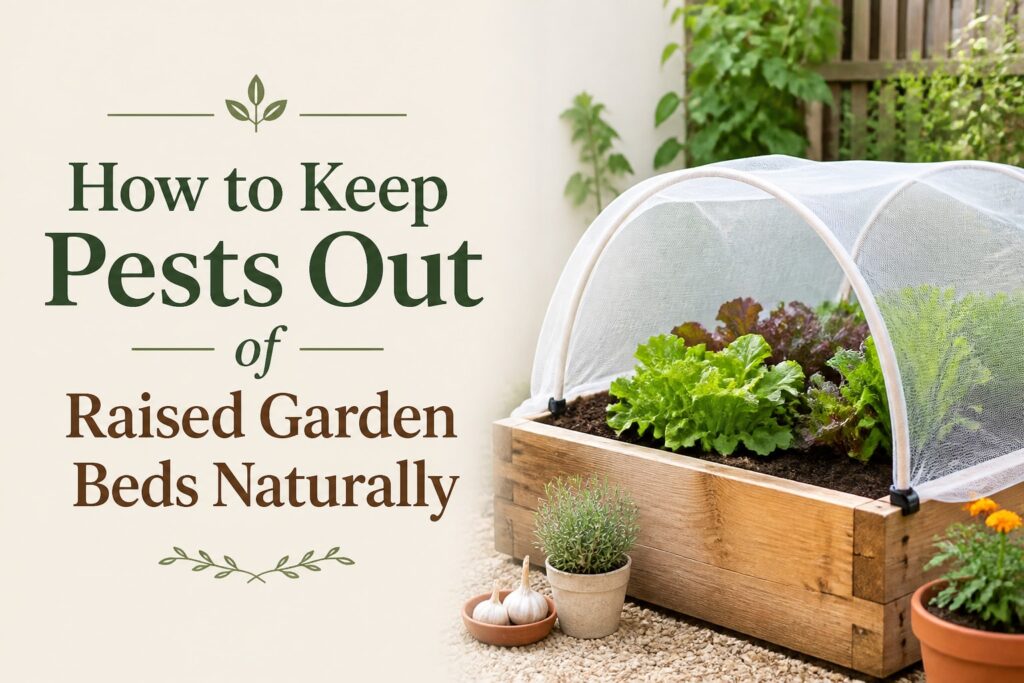
Raised garden beds give vegetables a strong start, but they don’t create a pest-proof bubble. Aphids still find tender leaves. Slugs still show up after a rainy night. Rabbits may treat your lettuce like a private buffet. The good news is that you can prevent much of the damage without reaching for harsh pesticides.
Natural pest control works best as a series of small habits. We make the bed harder to enter, less inviting to pests, and easier to inspect. That approach takes a little attention, but it usually saves time later (and you won’t be spraying every few days).
Start with a bed pests struggle to enter
Choose a clean, sensible location
Begin with placement. Keep raised beds away from dense weeds, brush piles, and overgrown grass. Those areas provide shelter for slugs, earwigs, rodents, and many insects that wander into the bed at night.
A sunny, open position also helps foliage dry faster after rain. Damp leaves and crowded stems create the kind of conditions fungal problems and chewing insects tend to enjoy. We recommend leaving enough room around each bed to walk comfortably and inspect all four sides. A narrow gap may look efficient during construction, but it becomes frustrating when you need to spot damage or pull weeds.
Build the bed with untreated lumber or another garden-safe material. Old boards can hide ants, termites, and other unwanted hitchhikers. Inspect delivered compost and mulch before using them. Avoid materials with a strong sour or rotten odor, excessive weed roots, or obvious signs of contamination. Some insects and other small organisms are normal in healthy compost, so their presence alone doesn’t mean the material is unsuitable for your garden.
Block pests from below and around the edges
Most raised beds can remain open to the native soil beneath them, allowing drainage and deeper root growth. However, where burrowing rodents such as voles or gophers are a persistent problem, galvanized hardware cloth with appropriately small openings can be installed beneath the bed before filling it. Secure the mesh around the perimeter to prevent animals from entering through gaps. Use an open mesh rather than a solid barrier so water can drain and roots can grow through it.
For rabbits, fencing is more reliable than scent repellents. A low wire fence with openings no larger than one inch can protect leafy crops. Bury the lower edge several inches or bend it outward along the soil surface. Rabbits are persistent little engineers. They’ll squeeze under a gap that looks too small to us.
Our Raised Bed Gardening for Beginners: The Complete Step-by-Step Guide covers bed placement, materials, and filling in more detail. Those early decisions affect pest pressure later, so they deserve more thought than they usually get.
Use physical barriers before you reach for sprays
Cover young plants right away
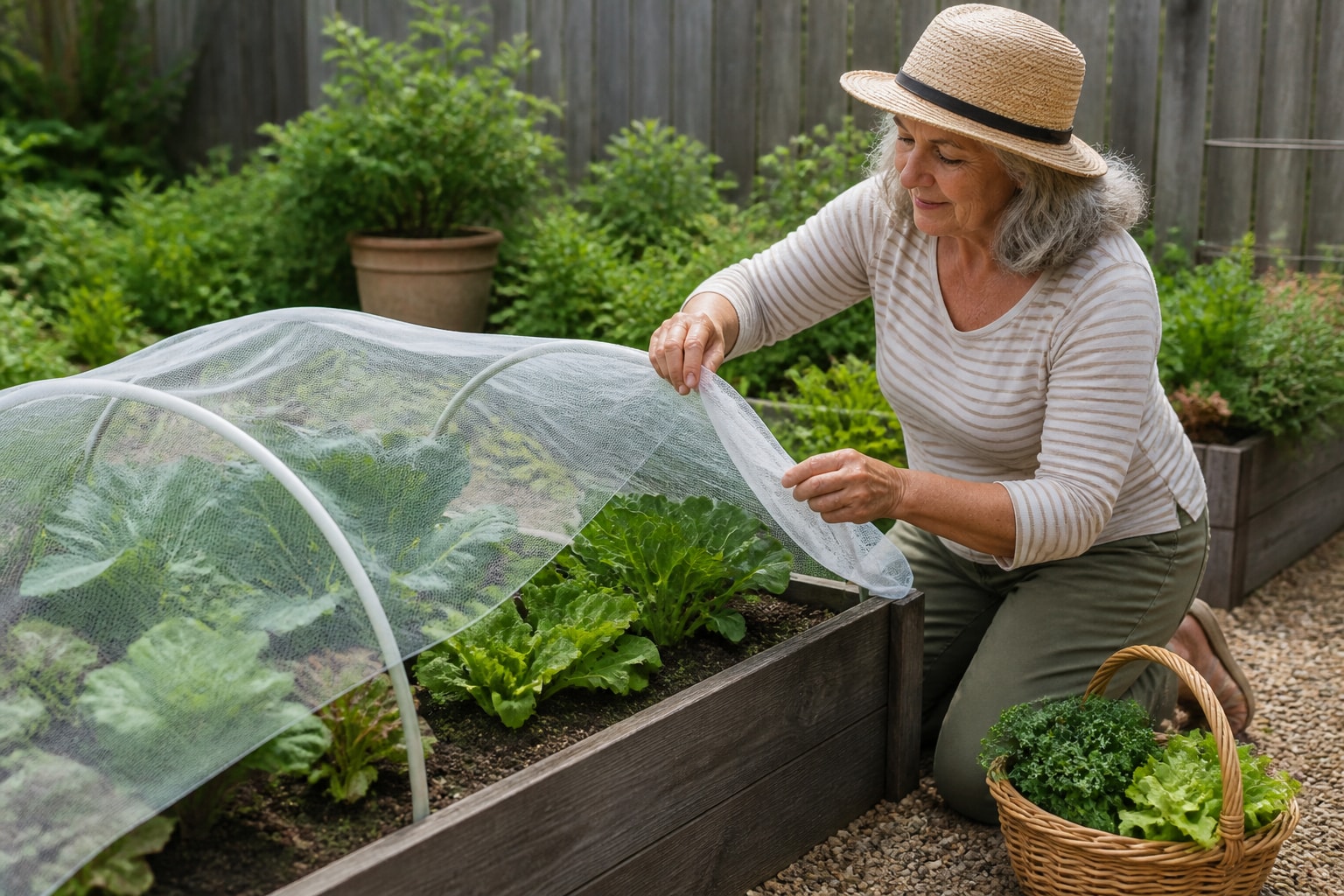
Floating row cover is one of the simplest natural defenses for raised beds. It lets light, air, and water through while keeping many moths, beetles, and flying insects away from the leaves. Secure the edges with clips, boards, or soil. A loose corner is all a determined pest needs.
Use hoops to keep the fabric from resting on the plants. Remove the cover when flowers need pollination, or hand-pollinate crops that are flowering underneath it. Root vegetables and leafy greens often benefit from longer coverage. Squash, cucumbers, tomatoes, and peppers need a little more thought because pollinators must reach their flowers.
Give slugs and snails fewer hiding places
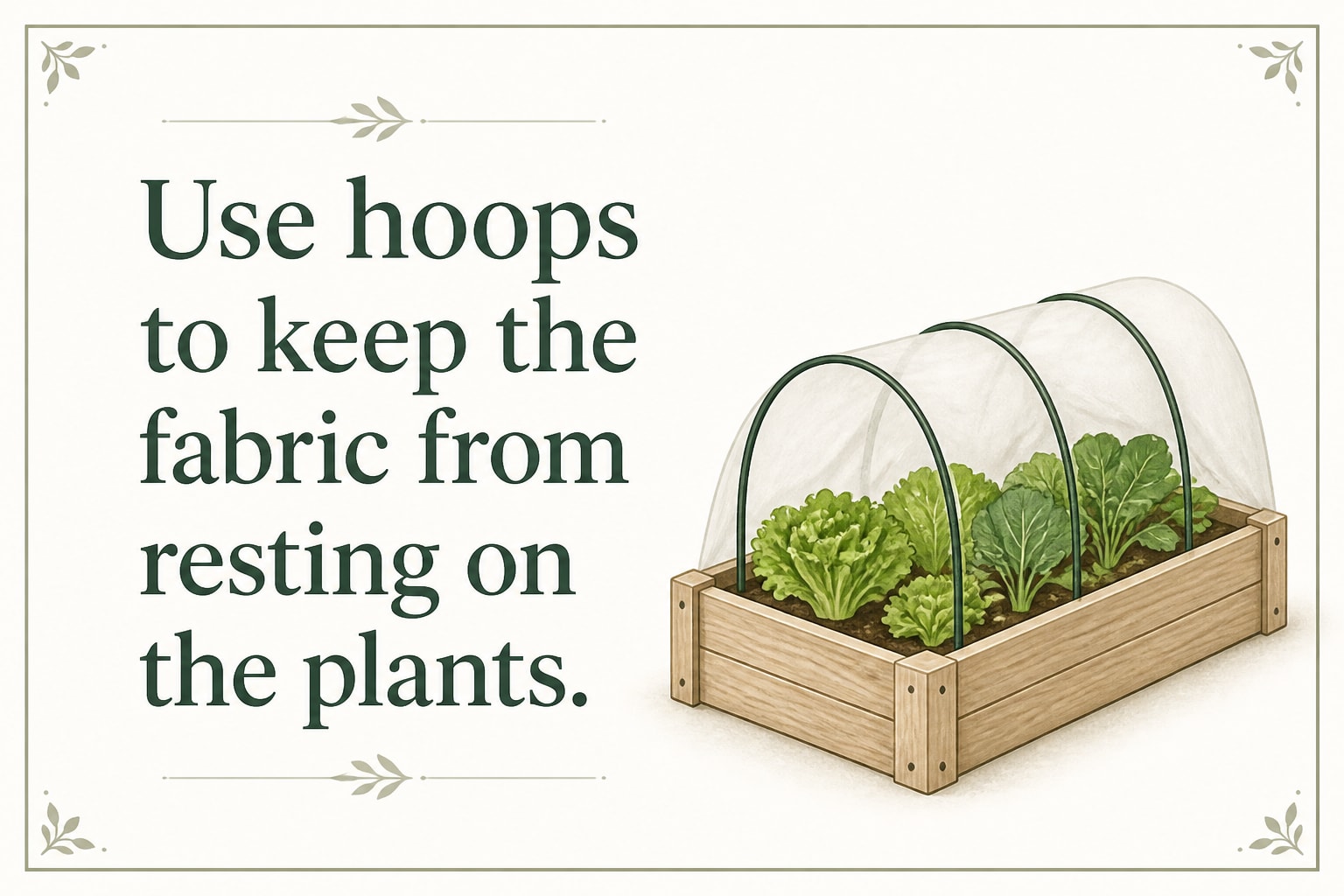
Slugs prefer cool, damp shelter. Watering early in the day gives the soil surface time to dry before evening, when slugs become active. Keep boards, thick piles of leaves, and dense weeds away from the bed edge. Check under mulch every few days during wet weather.
Hand-picking works better than many gardeners expect. Go out after sunset with a flashlight, remove the slugs, and repeat for several evenings. It isn’t glamorous. It is effective.
Some gardeners use copper tape around containers or bed edges. Results vary, especially when the tape gets dirty or a leaf creates a bridge. We treat it as an extra barrier, not the entire plan. Also skip salt. It damages soil and nearby plants while creating a problem of its own.
Make plants less tempting with everyday care
Water, feed, and space plants carefully
Stressed plants tend to attract trouble. A plant that is thirsty, overfed with nitrogen, or packed tightly among its neighbors produces tender, crowded growth. Aphids and some caterpillars can take advantage of that.
Water deeply at the soil line instead of wetting the leaves every time. Drip irrigation or a soaker hose makes this easier, especially in a small backyard where dragging a hose between beds gets old quickly. Check moisture with your finger before watering. The top inch may be dry while the soil below is still damp.
Follow the spacing on the seed packet, even when it feels too generous. Air movement matters. It also makes it much easier to notice curled leaves, holes, sticky residue, or egg clusters before a small problem becomes a whole-bed problem.
Choose plants and companions with a purpose
Healthy, locally adapted plants usually handle ordinary pest pressure better than weak or stressed starts. Inspect nursery plants before bringing them home. Look under leaves and around stem joints for aphids, webbing, scale, or whiteflies.
Flowers such as calendula, alyssum, dill, and yarrow can attract beneficial insects, including hoverflies and lacewings. Herbs with strong scents may confuse some pests, but companion planting isn’t magic. A row of basil won’t stop every tomato hornworm. Treat these plants as part of a welcoming, varied garden, not as an invisible shield.
Rotate crop families when space allows. Moving tomatoes, peppers, eggplants, and potatoes to a different growing area can help reduce certain soilborne pest and disease problems. However, some pathogens survive in soil for several years, so simply swapping crops between two beds may offer limited protection. In small gardens, combine rotation with resistant varieties, healthy transplants, good sanitation, and proper soil drainage.
Inspect often and respond while the problem is small
Know what damage you are seeing
Not every hole means you need treatment. A few chewed leaves may be harmless, while a row of wilted seedlings is a different story. Look for the pest itself, fresh droppings, sticky honeydew, fine webbing, or clusters of eggs. The pattern helps identify the cause.
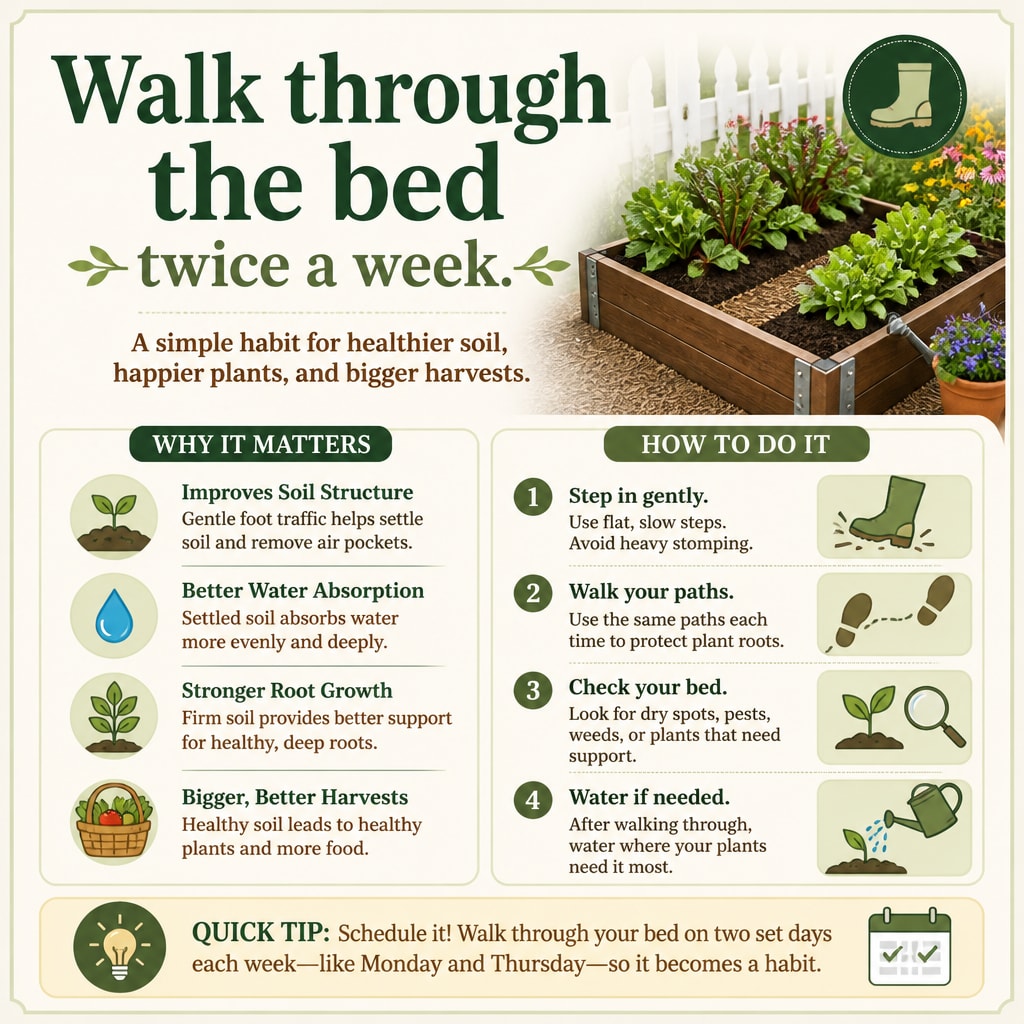
Walk through the bed twice a week. Check the undersides of leaves, new growth, and the soil around plant stems. Early morning is a good time for many inspections, while evening is better for slugs and some caterpillars.
- Pick larger caterpillars and beetles by hand.
- Knock aphids into a cup of soapy water.
- Rinse soft-bodied insects from leaves with a firm spray of water.
- Remove badly infested leaves and place them in the trash.
- Use insect netting when flying pests keep returning.
Insecticidal soap, horticultural oils, and certain neem-based products can help manage some garden pests, but natural doesn’t automatically mean harmless. Choose a product specifically labeled for the vegetable crop and pest you’re treating, and follow all application and harvest instructions. Avoid spraying when pollinators are visiting flowers or when temperatures are high enough to increase the risk of plant damage. Insecticidal soap generally works through direct contact with susceptible insects and provides little residual control after drying.
Keep a simple note of what you see and when it happens. Over time, patterns appear. Maybe flea beetles arrive every spring, or squash bugs show up once vines begin flowering. That record helps you put barriers in place before the next round begins. More seasonal tips are available in Raised Bed Garden Pest Control, Seasonal Care, and Harvesting.
FAQs for How to Keep Pests Out of Raised Garden Beds Naturally
What is the safest natural pest control for vegetables?
Start with physical removal, row covers, hand-picking, and a strong stream of water. These methods leave no residue and let you target the actual problem. For a serious infestation, insecticidal soap may help with aphids, whiteflies, and other soft-bodied insects. Apply it carefully and follow the product label. More product isn’t better.
Does mulch attract pests in raised beds?
Mulch can help conserve moisture and reduce weeds, but thick, constantly wet mulch may give slugs, earwigs, and rodents places to hide. Keep mulch a few inches away from plant stems, avoid piling it against the bed walls, and check beneath it during damp weather. Straw, shredded leaves, and finished compost each behave a little differently, so watch how your chosen material holds moisture.
Keep the garden protected through small, steady habits
The most dependable natural pest control plan isn’t one product. It is a clean growing area, sound barriers, healthy spacing, regular inspections, and quick action when something appears. No raised bed stays perfectly pest-free, and that isn’t the goal. We want plants that can tolerate minor damage while we prevent small problems from turning into lost harvests.
🌱 FREE DOWNLOAD: Your First Raised Bed Garden
A Beginner-Friendly Guide to Getting Started
Thinking about growing your own vegetables in a raised bed? Start with a simple plan that helps you avoid costly mistakes and build a garden you can enjoy for years.
Our FREE Your First Raised Bed Garden guide provides practical, beginner-friendly information to help you:
- Choose a suitable location with enough sunlight.
- Plan the size and layout of your raised garden bed.
- Understand the basics of preparing healthy garden soil.
- Select vegetables that are appropriate for beginners.
- Get started with planting, watering, and caring for your garden.
You don’t need a huge backyard, expensive equipment, or years of gardening experience to get started!
Get Your FREE Raised Bed Gardening Guide
Free PDF guide from Backyard Living Books.
📗 Ready to Grow Your Own Fresh Vegetables?
Creating a productive raised bed garden takes thoughtful planning, healthy soil, and a little know-how.
Take the guesswork out of raised bed gardening!
Raised Bed Gardening Made Easy: Plans, Soil Mixes, Planting Secrets, and Beginner-Friendly Harvests is a practical guide designed to help you:
- Plan and build raised garden beds that fit your space.
- Choose materials and prepare the right soil mix.
- Select and plant vegetables for productive harvests.
- Understand watering, fertilizing, and routine garden maintenance.
- Avoid common mistakes that can waste time and money.
Whether you’re planting your first garden or looking to improve an existing one, this book will help you garden with greater confidence.
Explore Raised Bed Gardening Made Easy
🌿 Want More FREE Raised Bed Gardening Tips?
Visit our Gardening Learning Center for helpful articles, practical advice, and beginner-friendly resources covering everything from soil preparation and vegetable planting to watering, pest prevention, and seasonal gardening.
Explore the Gardening Learning Center
Part of the Backyard Living Series: Build • Grow • Raise • Thrive.