Backyard Learning Center
Learn practical backyard skills one project at a time through beginner-friendly articles, seasonal tips, and step-by-step guides that help you build, grow, raise, and thrive.
7 Easiest Fruit Trees for Beginners

There’s something wonderfully satisfying about walking into your own backyard and picking fruit from a tree you planted yourself.
No produce aisle.
No little sticker.
No wondering how long that peach has been traveling around the country.
Just walk outside and pick it.
But if you’ve never grown fruit trees before, choosing your first tree can be intimidating. Nurseries are filled with apples, peaches, pears, plums, figs, citrus, cherries, and varieties with names you’ve never heard before.
The good news is that you don’t need to become an orchard expert before planting your first tree.
Some fruit trees are much more beginner-friendly than others.
Here are seven great choices to consider.
1. Fig Trees
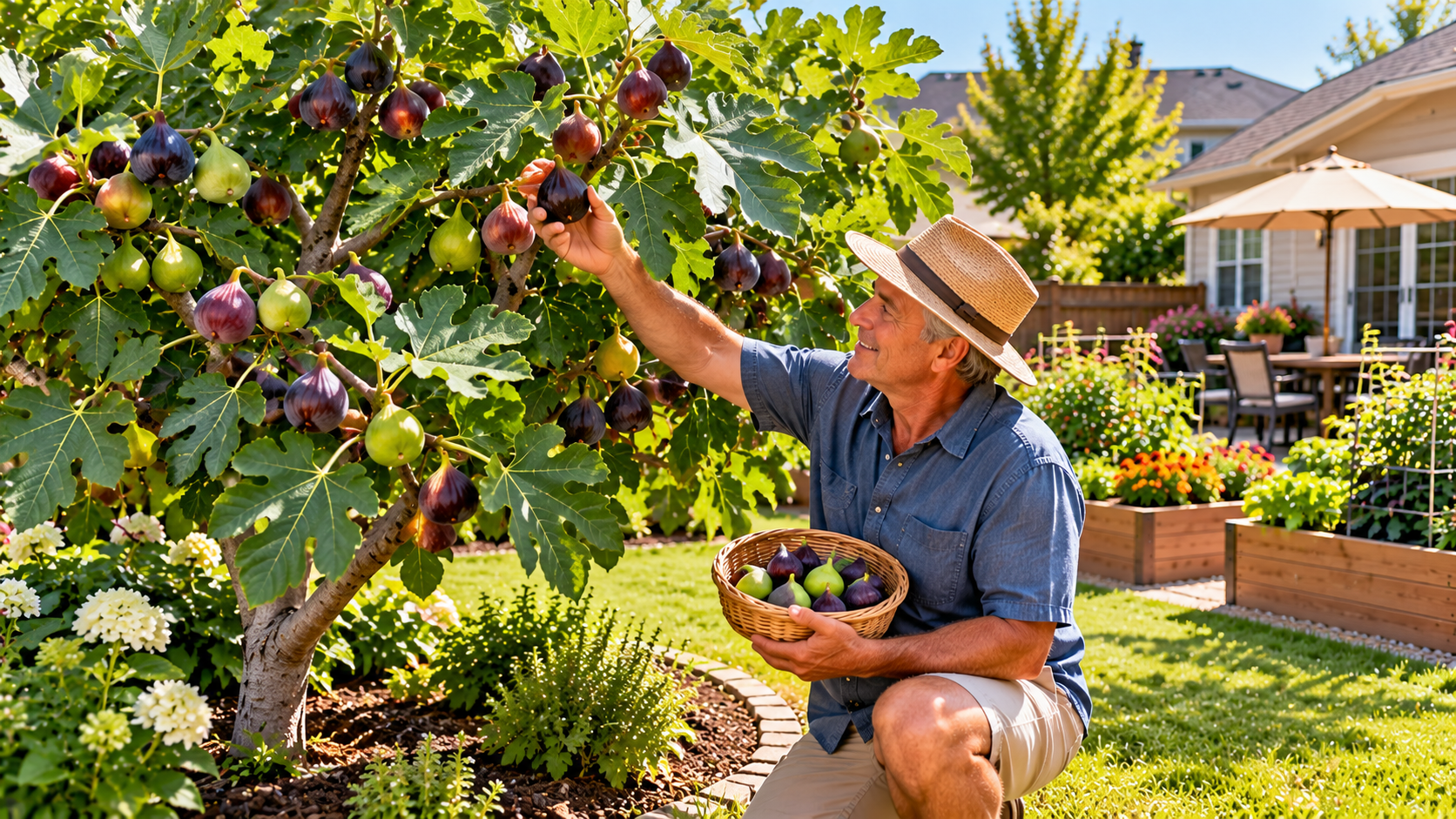
If fruit trees handed out beginner awards, figs would be serious contenders.
Fig trees are relatively low-maintenance once established and can produce an impressive crop without requiring the attention some other fruit trees demand.
Another big advantage?
Many common fig varieties are self-fertile, meaning you can plant one tree and still get fruit.
That’s perfect for someone with limited backyard space.
Figs generally appreciate:
- Plenty of sun
- Well-drained soil
- Consistent water while becoming established
- Enough room for their mature size
Once established, many fig trees tolerate periods of dry weather reasonably well.
Why Beginners Like Them
Figs don’t usually require complicated pruning, and you don’t necessarily need another tree nearby for pollination.
Depending on your climate, they can also grow quickly.
The hardest part may be beating the birds to the ripe figs.
Apparently, they also read gardening books.
2. Peach Trees
One Beginner Surprise
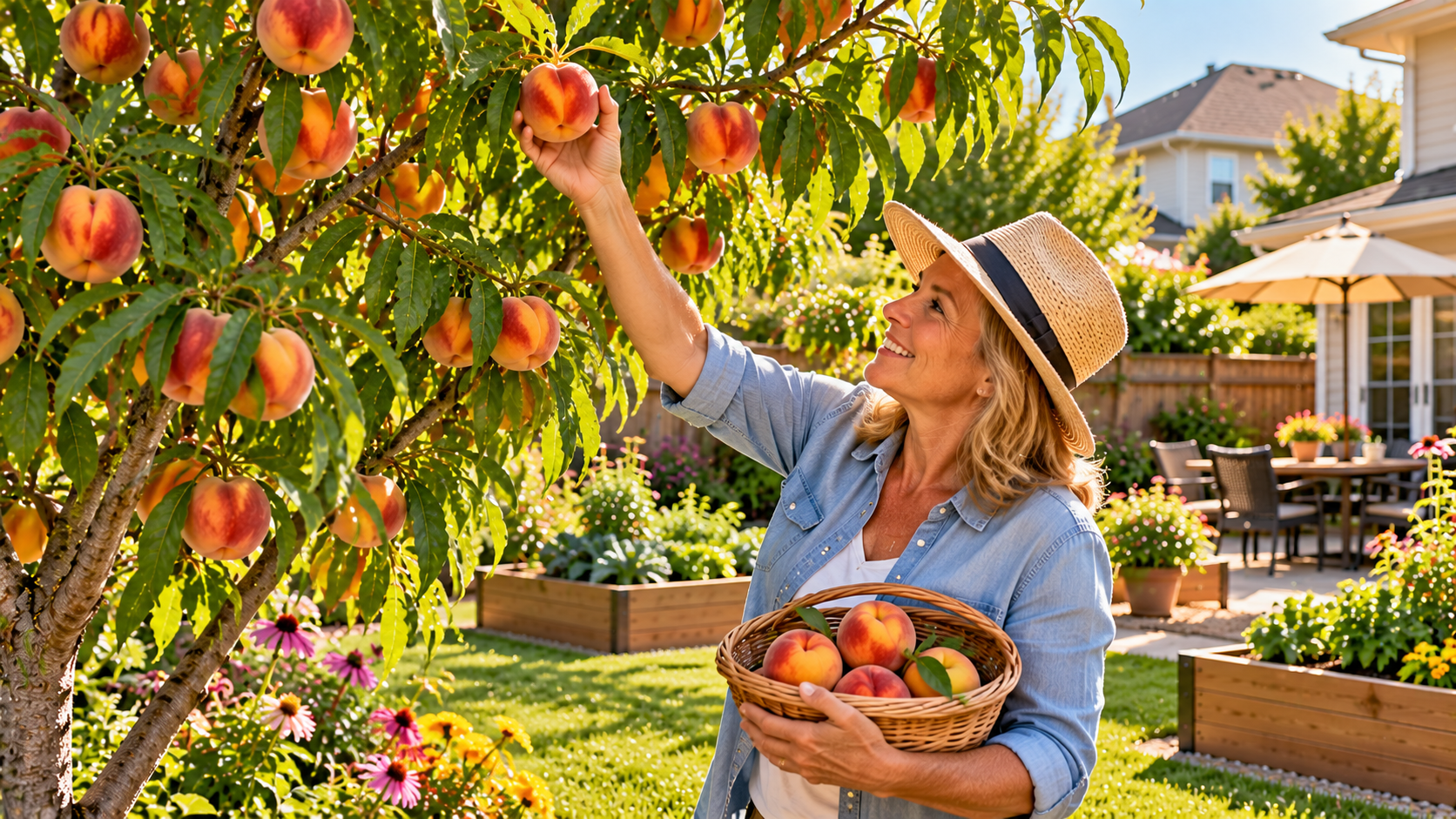
Peach trees can sometimes produce too much fruit.
That sounds impossible until you see branches overloaded with tiny peaches.
Thinning some of the young fruit gives the remaining peaches more room to develop and can reduce stress on the branches.
Removing perfectly good baby peaches may seem wrong.
Your remaining peaches will disagree.
Imagine walking outside on a summer morning and picking a ripe peach directly from the tree.
That’s a pretty convincing argument for planting one.
Peach trees are popular backyard fruit trees because they grow relatively quickly and can begin producing fruit while they’re still fairly young.
Many peach varieties are also self-fertile, so one tree may be enough for fruit production.
What Peaches Need
Peach trees generally perform best with:
- Full sun
- Well-drained soil
- Regular pruning
- Good airflow
- A variety suited to your climate
That final point is particularly important.
Peaches have chilling requirements, which means different varieties are adapted to different winter conditions.
Choose one appropriate for your area rather than buying the first attractive peach tree you see.
3. Pear Trees
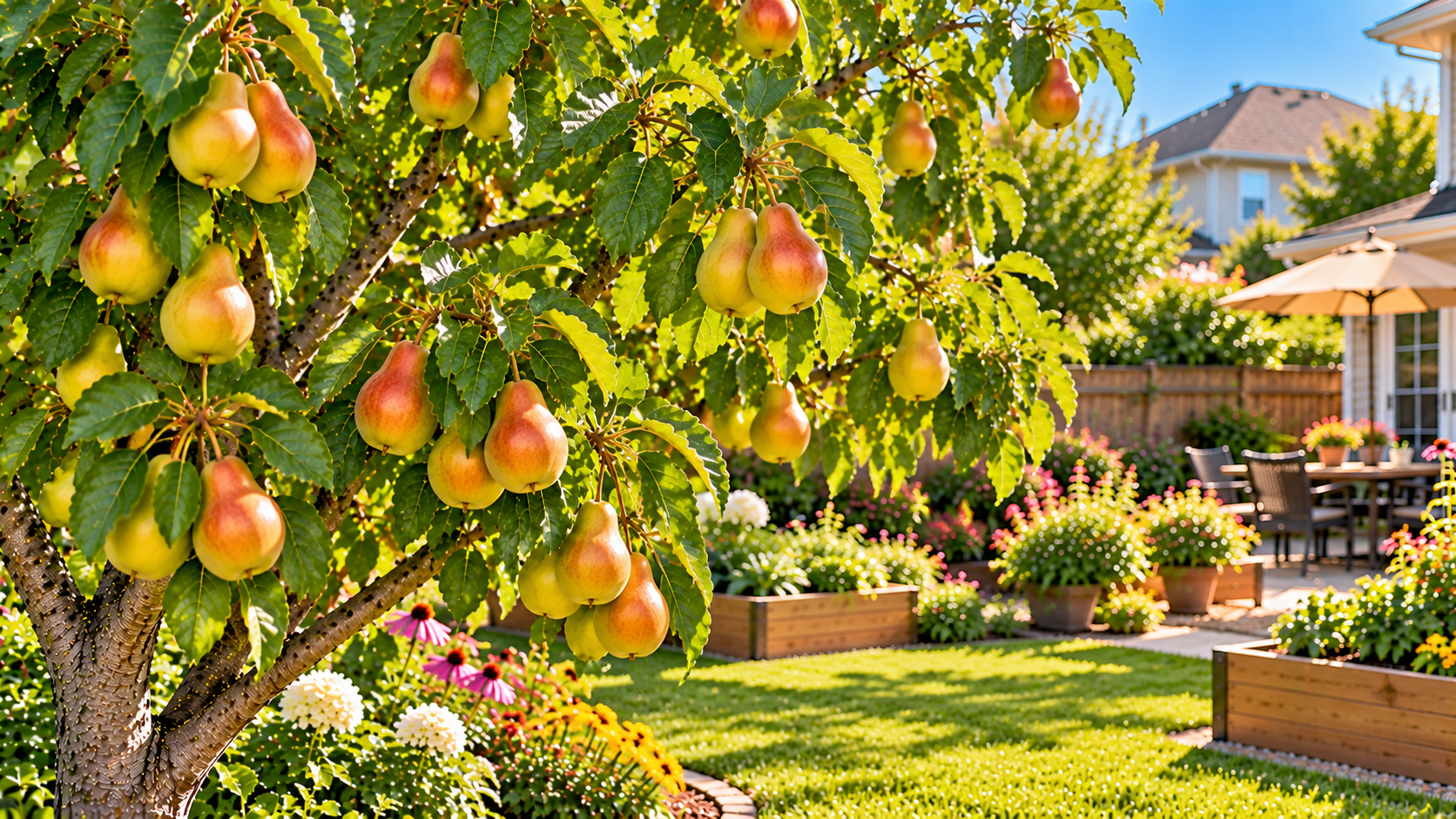
Pear trees can be a good choice for beginners because established trees can be productive and long-lived.
They also tend to tolerate a range of growing conditions, although good drainage and adequate sunlight remain important.
The biggest thing to understand before buying one is pollination.
Some pear varieties produce better crops when another compatible pear variety is growing nearby.
Before You Buy
Check the plant tag or ask the nursery:
Is this pear self-fertile?
Does it need a pollination partner?
Which varieties are compatible?
That five-minute discussion can prevent years of wondering why your beautiful pear tree isn’t producing much fruit.
4. Plum Trees

Plums are another excellent backyard option.
They can produce heavily, don’t necessarily require enormous amounts of space, and there are varieties suitable for many growing regions.
But once again, pollination matters.
Some plum varieties are self-fertile.
Others need a compatible second variety nearby.
Don’t discover that requirement three years after planting.
5. Apple Trees
Apples might not be the absolute simplest fruit tree on this list, but they’re one of the best choices for beginners because there are so many varieties available.
That variety gives you options.
You can select trees based on:
- Climate
- Mature size
- Disease resistance
- Harvest season
- Fruit characteristics
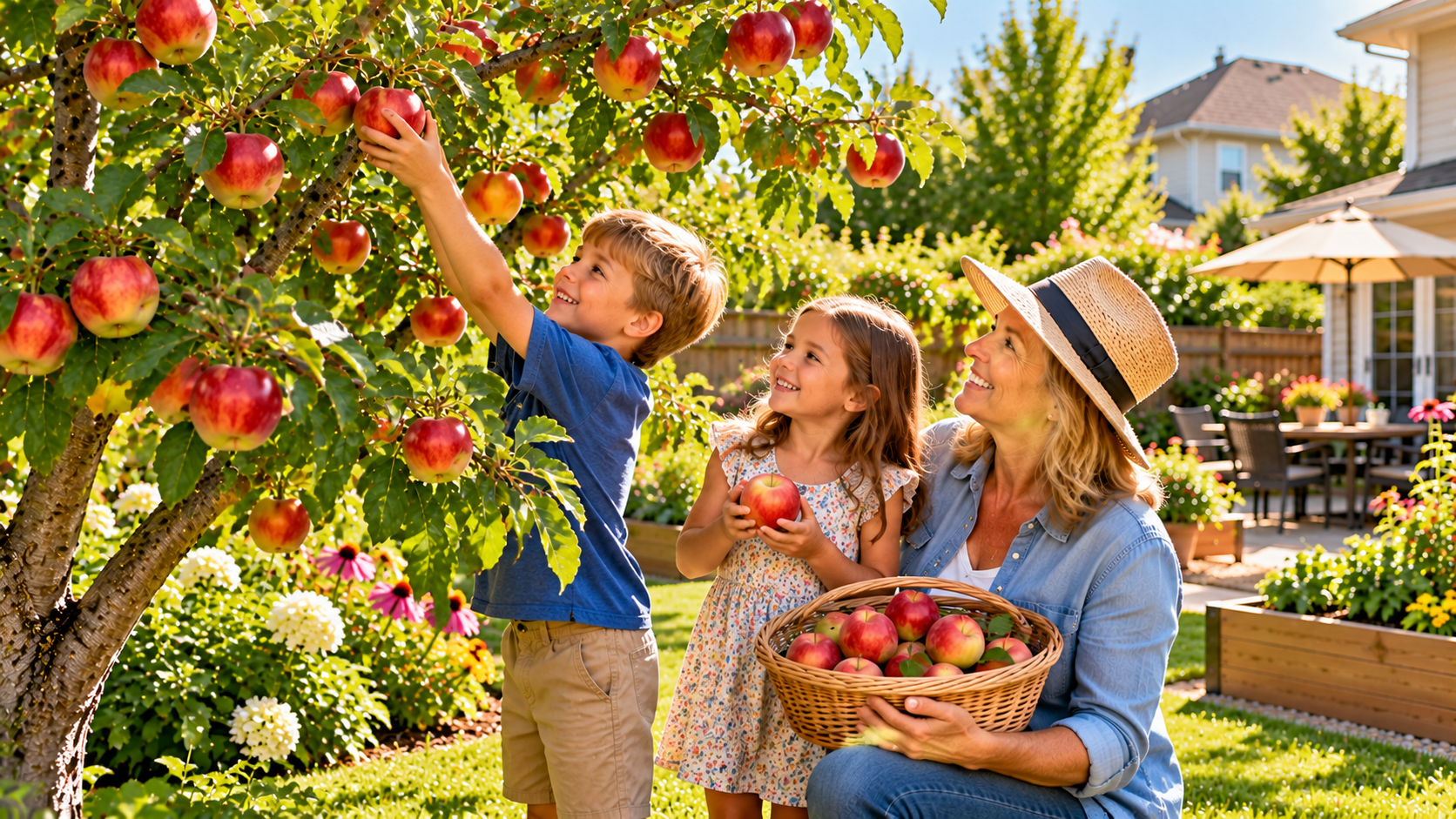
Dwarf and semi-dwarf trees can make backyard apple growing much more practical than many people expect.
The Pollination Question
Many apple varieties require pollen from another compatible apple variety flowering at approximately the same time.
That doesn’t always mean you personally need to plant two trees. A compatible apple or crabapple growing nearby may provide pollen.
But don’t leave it to chance.
Research pollination requirements before choosing your tree.
Make Your First Apple Easier
For a beginner, disease resistance deserves serious consideration.
The apple with the most interesting name isn’t necessarily the best tree for your backyard.
A variety well suited to your region can save you a lot of work later.
6. Citrus Trees
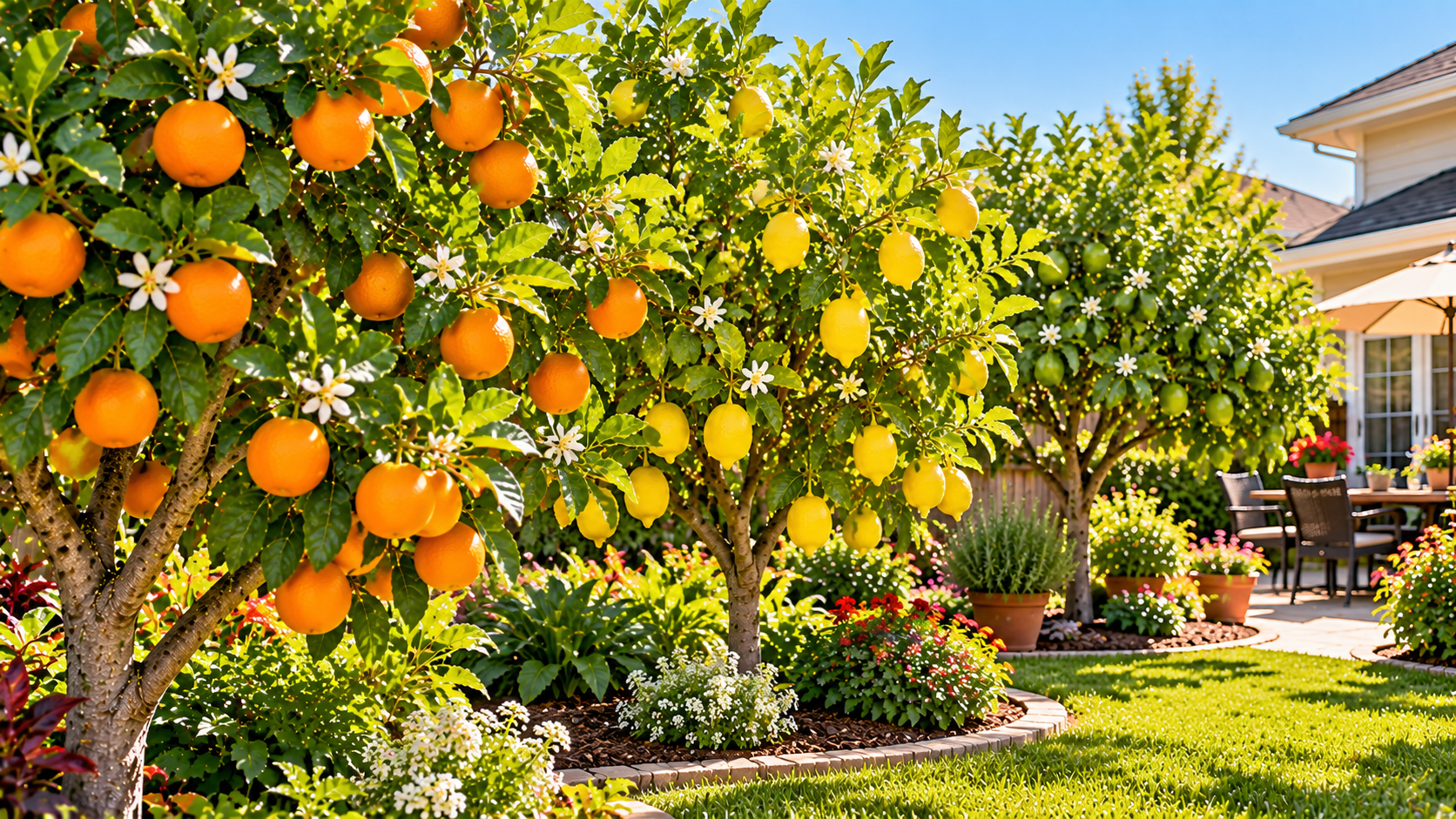
If you live in a suitable warm climate, citrus can be a fantastic beginner fruit tree.
Oranges, mandarins, lemons, limes, and other citrus can provide fruit while also making attractive additions to the landscape.
Many citrus varieties are self-fertile, which makes them particularly convenient for small properties.
Citrus Trees Generally Want
- Plenty of sunlight
- Good drainage
- Appropriate nutrition
- Consistent watering
- Protection from temperatures below their tolerance
Climate is the big limitation.
Some citrus can tolerate more cold than others, but freezing temperatures can damage sensitive trees.
If you’re in a colder area, dwarf citrus can sometimes be grown in containers and protected during winter.
There’s something wonderfully defiant about harvesting a lemon while snow is sitting outside the window.
7. Mulberry Trees
Mulberries don’t always get the attention given to apples and peaches.
Perhaps they need a better marketing department.
But for easy backyard fruit production, they’re worth considering.
Mulberry trees can be vigorous, productive, and relatively undemanding once established.
The berries can be eaten fresh or used in:
- Jams
- Pies
- Smoothies
- Desserts
The Catch
Mulberries can produce a lot of fruit.
And ripe berries can fall.
That’s why placement matters.
Planting a fruiting mulberry directly beside a white driveway, patio, or outdoor furniture may result in an interesting decorating scheme you didn’t request.
Give the tree room and choose its location carefully.
Which Fruit Tree Is Easiest for You?
Here’s the important part.
The easiest fruit tree isn’t necessarily the one that’s easiest for someone living 800 miles away.
Climate matters.
A citrus tree may be remarkably simple in one region and a constant battle against winter temperatures somewhere else.
A particular apple may thrive in one climate but struggle in another.
Before buying any fruit tree, determine your USDA Hardiness Zone and choose varieties suited to your local conditions.
Also consider the tree’s chill-hour requirements where applicable.
The right tree in the right climate has a tremendous head start.
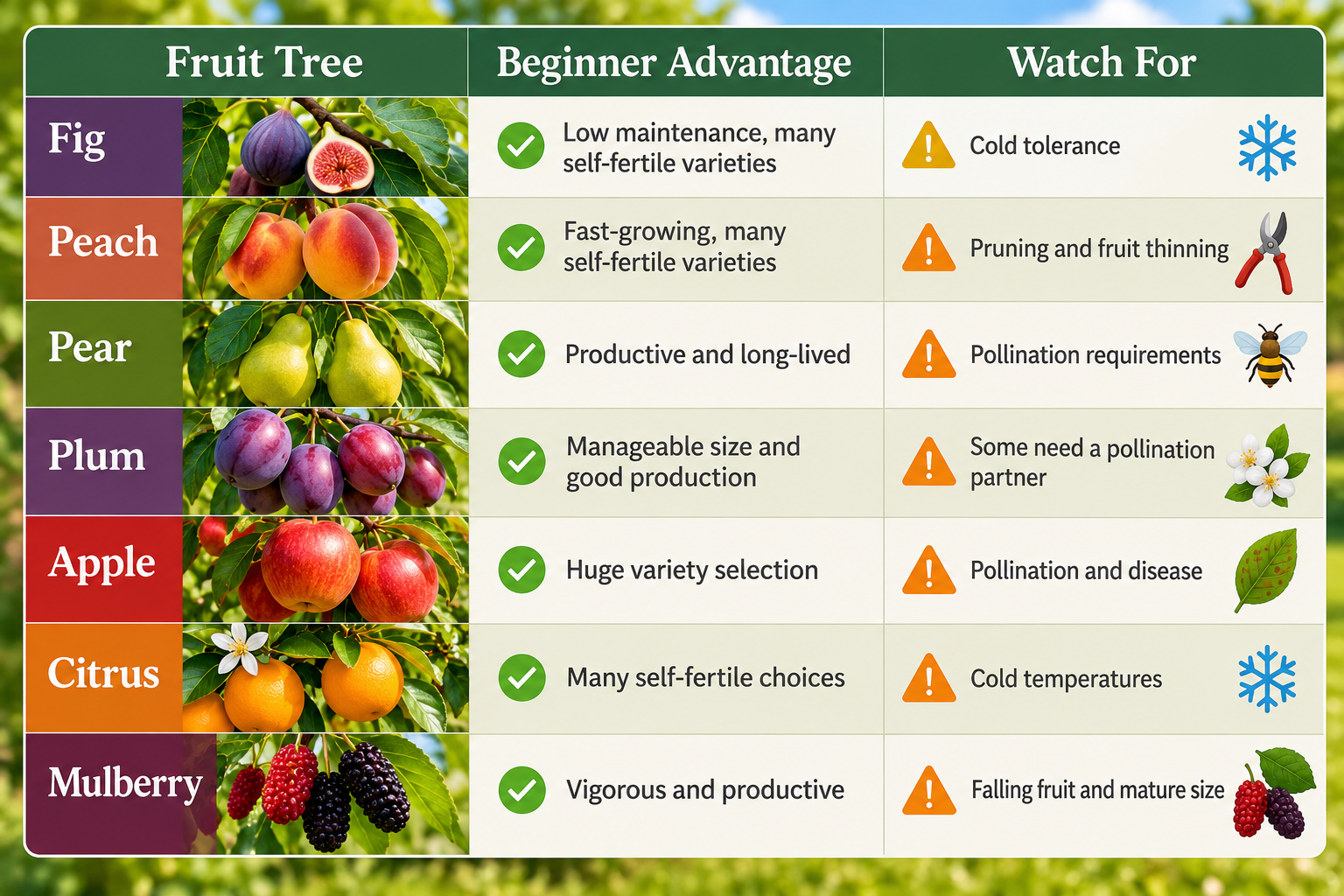
A Quick Beginner Comparison
Before You Head to the Nursery
Don’t buy a fruit tree simply because the picture on the tag looks delicious.
Ask a few questions first.
Will this variety grow well in my climate?
How large will it become?
Does it need another tree for pollination?
How much sun does it need?
When will it produce fruit?
Does it have any significant disease concerns in my area?
Those questions can save you years of frustration.
Start With One Tree
You don’t need an orchard.
Start with one or two trees that match your climate, available space, and the fruit your family actually enjoys eating.
Learn how they grow.
Learn when they need pruning.
Watch how they respond to your soil and weather.
Then add another.
Before long, that empty section of backyard may contain peaches in June, figs in summer, apples in fall, or whatever combination works where you live.
And that’s when growing fruit trees becomes addictive.
Because the first time you pick a ripe peach, fig, plum, or apple from a tree you planted yourself, something changes about the way you look at that part of the yard.
It isn’t just landscaping anymore.
It’s lunch. 🍎🍑🌳
Ready to Grow Fruit Trees with Confidence?
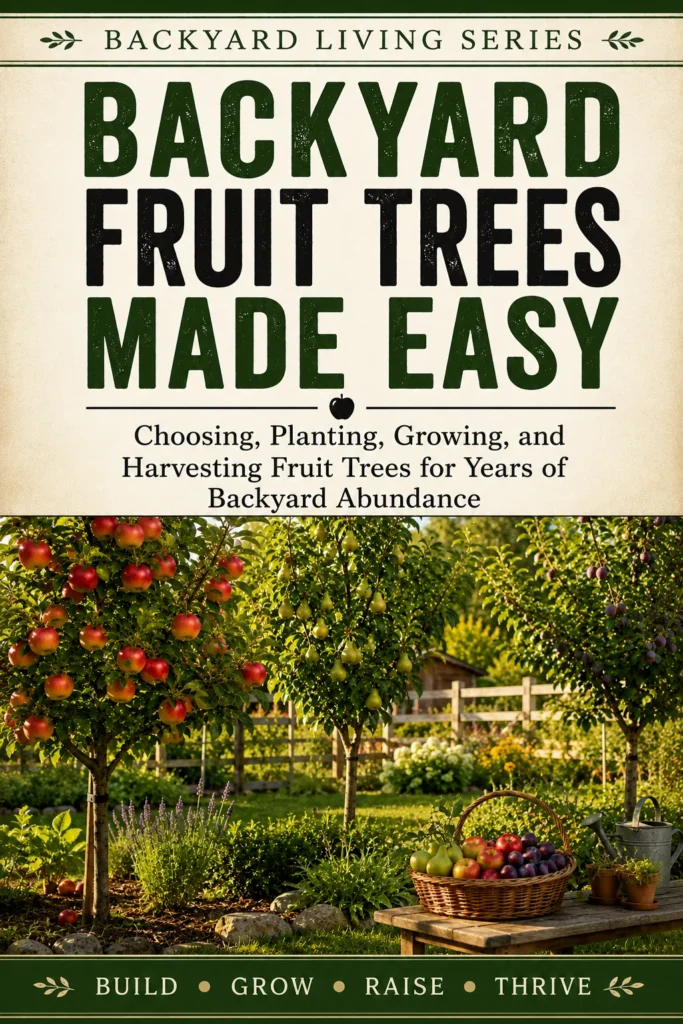
Backyard Fruit Trees Made Easy expands on each of these topics with clear, step-by-step guidance designed specifically for beginners. From choosing the right fruit trees for your climate and finding the perfect planting location to understanding pollination, growing dwarf varieties, and raising fruit trees in containers, this book provides practical instruction to help you succeed. You’ll also learn how to prepare your soil, water and fertilize properly, prune for healthy growth, prevent common pests and diseases, and enjoy delicious homegrown fruit. Whether you have a spacious backyard or a small patio, you’ll discover how to grow healthy, productive fruit trees with confidence. 🌳🍎
More Fruit Tree Articles
If you found this article helpful, these beginner guides are a great next step:
Get Your FREE Backyard Starter Toolkit
Download our free Backyard Starter Toolkit, packed with printable planners, checklists, and beginner resources to help you build, grow, raise, and thrive.
About the Author
Steve McChesney is the founder of Backyard Living Books and has spent decades guiding homeowners to build, grow, raise, and preserve more from their own backyards. Through practical, beginner-friendly guides, he encourages people to tackle one backyard project at a time and enjoy the satisfaction that comes with learning new skills.