
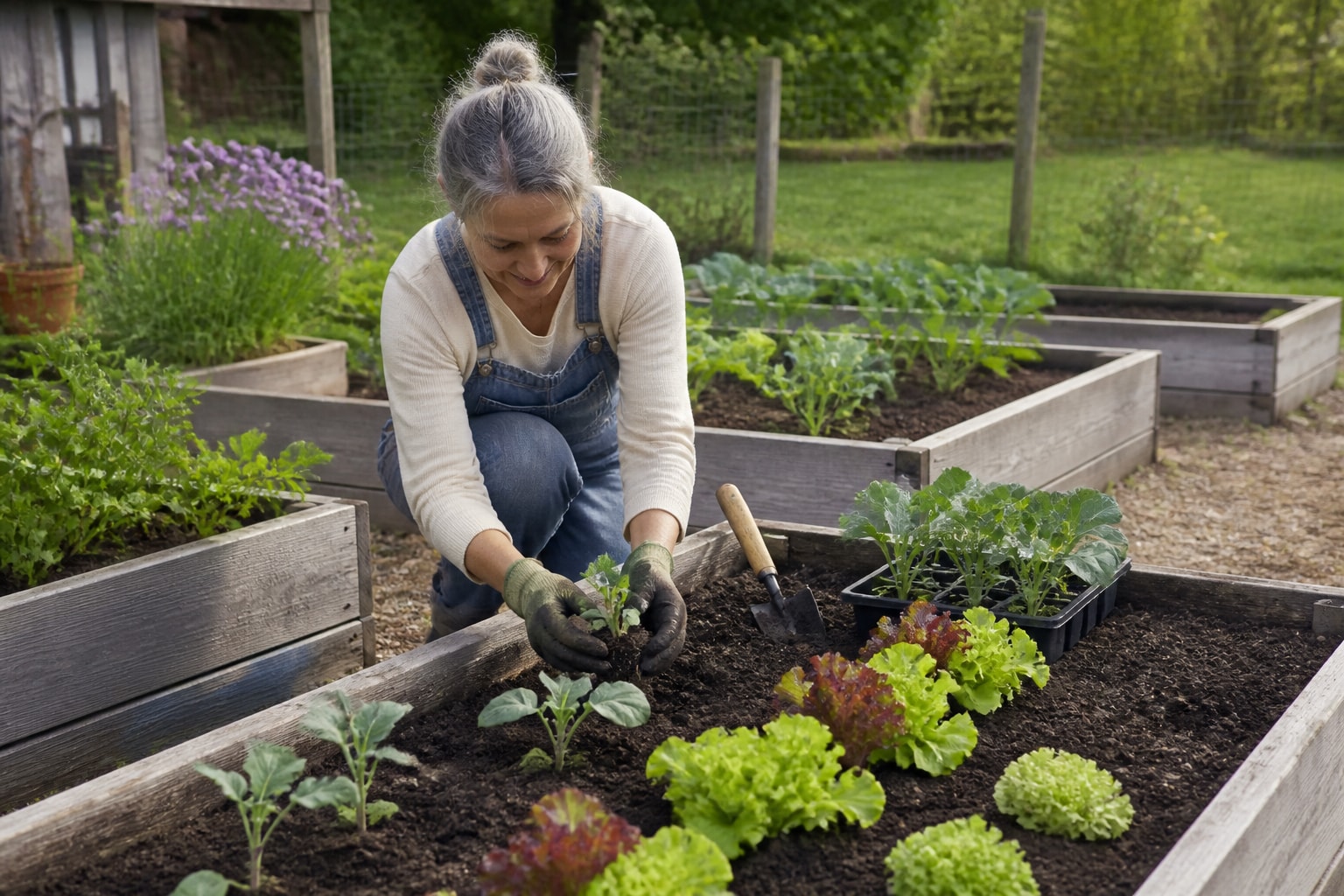
Planting vegetables in raised beds is mostly a timing problem, not a digging problem. The soil may warm earlier than the ground around it, but that doesn’t mean every crop belongs in the bed right away. Cool-season vegetables can handle chilly spring weather. Tomatoes and peppers can’t. They sulk, stall, and sometimes never fully recover.
We recommend planning around three things: your local frost dates, the temperature of the soil, and the vegetable’s tolerance for cold. Raised beds give you more control, but they don’t cancel the seasons. Here’s how to make that control work for you.
Start with your frost dates and local weather
Frost dates are a starting point
Your area’s average last spring frost and first fall frost create a useful gardening window. They aren’t promises carved in stone. Weather wanders. A warm week in March can be followed by a hard freeze in April, and that late cold snap catches plenty of new gardeners off guard.
Look up your local frost dates through a nearby extension service or a trusted weather resource. Then use those dates as anchors. Cool-season crops can go into the bed several weeks before the average last frost. Warm-season crops usually wait until after it, with a little extra patience for tender plants.
A common beginner mistake is planting warm-season vegetables such as tomatoes too early while overlooking cool-season crops such as lettuce that could already be producing a harvest. The tomato gets all the attention because it’s a favorite, while lettuce could have been producing for weeks. Flip that habit around.
Watch the forecast before planting
A calendar tells you what usually happens. The seven-day forecast tells you what is about to happen. Before planting young transplants, look for nighttime temperatures that stay reasonably close to what the crop can tolerate. A single cool night won’t always ruin a plant, but repeated cold nights can stop growth.
For a broader look at bed location, crop spacing, soil depth, and setup, see Raised Bed Gardening for Beginners: The Complete Step-by-Step Guide. Planting dates make more sense when the bed itself is ready to support healthy roots.
Use soil temperature to make better decisions
Cold-loving crops can go in early
Peas, spinach, kale, radishes, carrots, onions, and many lettuces are comfortable in cool soil. Some can be planted as soon as the soil can be worked without turning into sticky clumps. Raised beds often reach that point sooner because they drain well and warm from the sides.
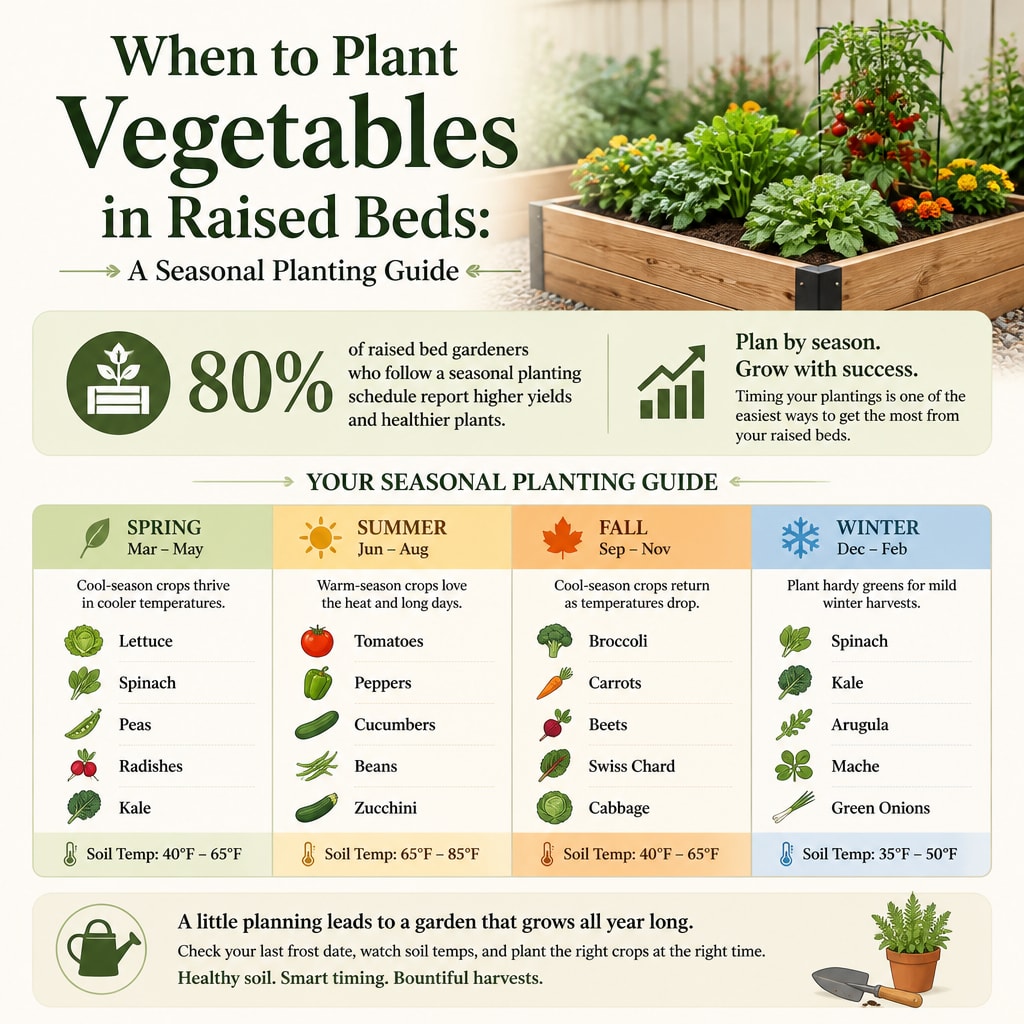
Peas and spinach may handle soil around 40 degrees Fahrenheit. Lettuce, carrots, and beets usually prefer soil in the mid-40s to 50s. Exact numbers vary by variety, so treat these as practical ranges rather than strict rules.
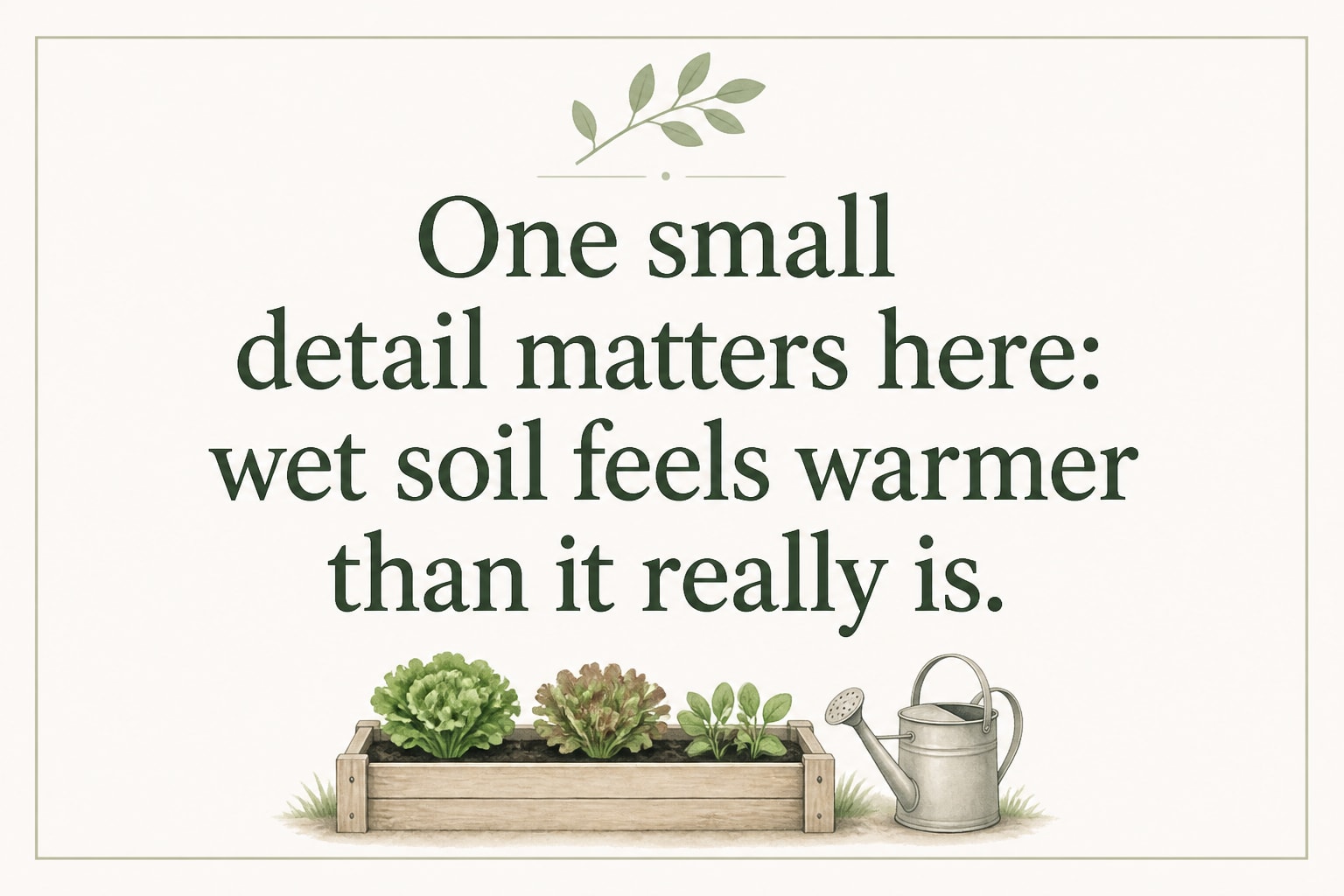
Soil moisture also affects planting conditions. Waterlogged soil can remain cool and poorly aerated even after several sunny days. To check whether the bed is ready to work, squeeze a handful of soil. It should hold together loosely and crumble when touched rather than forming a sticky clump. Use a soil thermometer to confirm the temperature before planting crops that require warmer conditions.
Warm crops need truly warm soil
Beans, cucumbers, squash, corn, tomatoes, peppers, and eggplant want warmer conditions. Seeds planted in cold soil may rot before they germinate. Transplants can sit still for days or develop purple-tinged leaves when their roots are chilled.
Most warm-season vegetables prefer soil at least 60 degrees Fahrenheit. Cucumbers, squash, beans, and corn often perform better closer to 65 degrees. Peppers and eggplant are especially impatient. They’d rather wait in their pots than spend a month shivering in the bed.
A simple soil thermometer costs little and removes much of the guesswork. Measure in the morning, about two inches deep, for a more useful reading. If the soil is nearly ready but the air still feels sharp, black plastic mulch or a floating row cover can buy you a bit of time.
Follow a simple seasonal planting calendar
Early spring planting
As soon as the bed is workable, plant the crops that prefer cool conditions. Direct-sow peas, radishes, carrots, turnips, spinach, and salad greens. Set out onion plants and hardy brassica transplants such as broccoli, cabbage, and kale.
Seeds often fail in early spring because the gardener plants them too deeply or lets the surface dry out. Carrot seeds are tiny. Cover them lightly and keep the top layer consistently damp. A piece of burlap or a thin board over the row can hold moisture while seeds germinate. Remove it as soon as sprouts appear.
Late spring and early summer planting
Once frost danger has passed and the soil has warmed, shift toward beans, cucumbers, squash, tomatoes, peppers, and eggplant. Basil also belongs in this warmer window. Planting dates vary widely by region. In warm climates, some of these vegetables may be planted in late winter or early spring, while gardeners in colder areas may need to wait until May or June. In regions with extremely hot summers, fall can be another important planting season. Use local frost dates, soil temperature, and regional extension recommendations rather than relying on a single nationwide calendar.
Hardening off transplants is worth the extra week. Set them outdoors in a sheltered spot for a few hours, then gradually increase their exposure to sun and wind. A tomato moved straight from a warm indoor windowsill into bright afternoon sun can get leaf scorch before it has even settled in.
Late summer and fall planting
Fall growing starts earlier than most people think. Count backward from your area’s first fall frost using the maturity time on the seed packet. Add extra days for shorter daylight and cooler temperatures. That gives you a sensible sowing date.
Plant another round of carrots, beets, kale, spinach, radishes, and lettuce as summer heat begins to ease. Some crops germinate poorly in hot soil, so shade the seedbed with lightweight fabric or sow in a spot that gets afternoon shade. The goal is steady moisture, not a swamp.
For crop-by-crop planting details and bed preparation ideas, the category page How to Plant Vegetables in Raised Garden Beds: A Beginner’s Guide can help you match planting tasks with the rest of your setup.
Protect the planting window when weather turns odd
Use covers without cooking your plants
Raised beds make season extension fairly simple. A low tunnel, frost cloth, or even an old sheet can protect tender plants from a light frost. Keep fabric off the foliage when possible, and remove heavy covers in the morning so plants don’t overheat.
Plastic is different. It can protect from wind and add warmth, but it can also turn a sunny bed into a small oven. Don’t let plastic rest directly on leaves. Vent it on warm days and check the bed rather than assuming everything is fine.
Have a backup plan for late planting
Missed your spring window? Don’t force a crop that needs more time than your season offers. Choose a faster variety, buy a healthy transplant, or plant something suited to the remaining weather. A second planting of bush beans may produce more food than a late cucumber vine struggling through cool nights.
Keep a simple garden notebook. Write down planting dates, first harvests, frost events, and what bolted or failed. After two seasons, you’ll have information that is much more useful than a generic calendar. That’s how a small backyard garden starts feeling predictable.
- Check the local frost forecast before setting out tender plants.
- Test soil temperature for beans, cucumbers, squash, tomatoes, peppers, and eggplant.
- Sow cool-season crops in small batches every two or three weeks.
- Count backward from the first fall frost for late-season crops.
- Keep frost cloth ready instead of scrambling after a cold warning.
FAQs for When to Plant Vegetables in Raised Beds: A Seasonal Planting Guide
Can I plant vegetables earlier in a raised bed?
Usually, yes. Raised beds drain and warm faster than flat ground, especially when they sit in full sun. That advantage is most useful for peas, spinach, lettuce, radishes, and other cool-season crops. It won’t make tomatoes or peppers happy during a hard freeze. Use soil temperature and the forecast together, then protect early plantings with row cover when needed.
What vegetables can I plant in a raised bed in late summer?
Try kale, spinach, lettuce, radishes, carrots, beets, turnips, and green onions. Choose varieties with enough time to mature before your first fall frost. Heat can slow germination, so keep seedbeds evenly moist and provide temporary shade during the hottest part of the day. In mild climates, some of these crops may keep producing well into winter.
Make your planting calendar fit your actual yard
The best planting schedule isn’t the one printed on a generic chart. It’s the one adjusted to your frost dates, sunlight, soil temperature, and the little weather patterns around your home. A bed beside a south-facing wall may warm quickly. One under a tree can stay cool and root-heavy long after the rest of the yard wakes up.
Start with a few dependable crops, plant in stages, and record what happens.
🌱 FREE DOWNLOAD: Your First Raised Bed Garden
A Beginner-Friendly Guide to Getting Started
Thinking about growing your own vegetables in a raised bed? Start with a simple plan that helps you avoid costly mistakes and build a garden you can enjoy for years.
Our FREE Your First Raised Bed Garden guide provides practical, beginner-friendly information to help you:
- Choose a suitable location with enough sunlight.
- Plan the size and layout of your raised garden bed.
- Understand the basics of preparing healthy garden soil.
- Select vegetables that are appropriate for beginners.
- Get started with planting, watering, and caring for your garden.
You don’t need a huge backyard, expensive equipment, or years of gardening experience to get started!
Get Your FREE Raised Bed Gardening Guide
Free PDF guide from Backyard Living Books.
📗 Ready to Grow Your Own Fresh Vegetables?
Creating a productive raised bed garden takes thoughtful planning, healthy soil, and a little know-how.
Take the guesswork out of raised bed gardening!
Raised Bed Gardening Made Easy: Plans, Soil Mixes, Planting Secrets, and Beginner-Friendly Harvests is a practical guide designed to help you:
- Plan and build raised garden beds that fit your space.
- Choose materials and prepare the right soil mix.
- Select and plant vegetables for productive harvests.
- Understand watering, fertilizing, and routine garden maintenance.
- Avoid common mistakes that can waste time and money.
Whether you’re planting your first garden or looking to improve an existing one, this book will help you garden with greater confidence.
Explore Raised Bed Gardening Made Easy
🌿 Want More FREE Raised Bed Gardening Tips?
Visit our Gardening Learning Center for helpful articles, practical advice, and beginner-friendly resources covering everything from soil preparation and vegetable planting to watering, pest prevention, and seasonal gardening.
Explore the Gardening Learning Center
Part of the Backyard Living Series: Build • Grow • Raise • Thrive.