
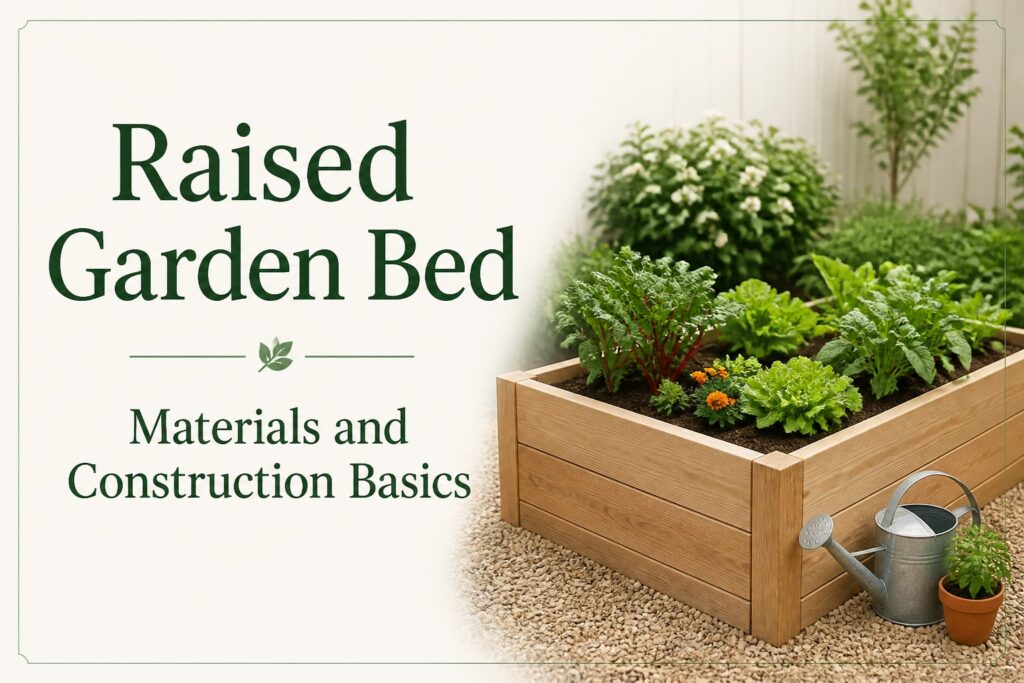
Choosing raised garden bed materials gets easier once you stop looking for one perfect answer. Wood, metal, and plastic can all work. The better choice depends on your budget, the look you want, how long you expect the bed to last, and whether you enjoy building things or would rather start planting this weekend.
It’s easy to spend too much time comparing building materials while overlooking the basics: sunlight, drainage, bed height, and comfortable access around the garden. These practical considerations can have a greater impact on your gardening success than the material you choose for the frame.
Start with the location, not the lumber
Before buying materials, walk around your yard at different times of day. A spot that looks sunny at 9 a.m. may sit in shade by lunch, especially near a fence, garage, or mature tree. Most vegetables need several hours of direct light to produce well.
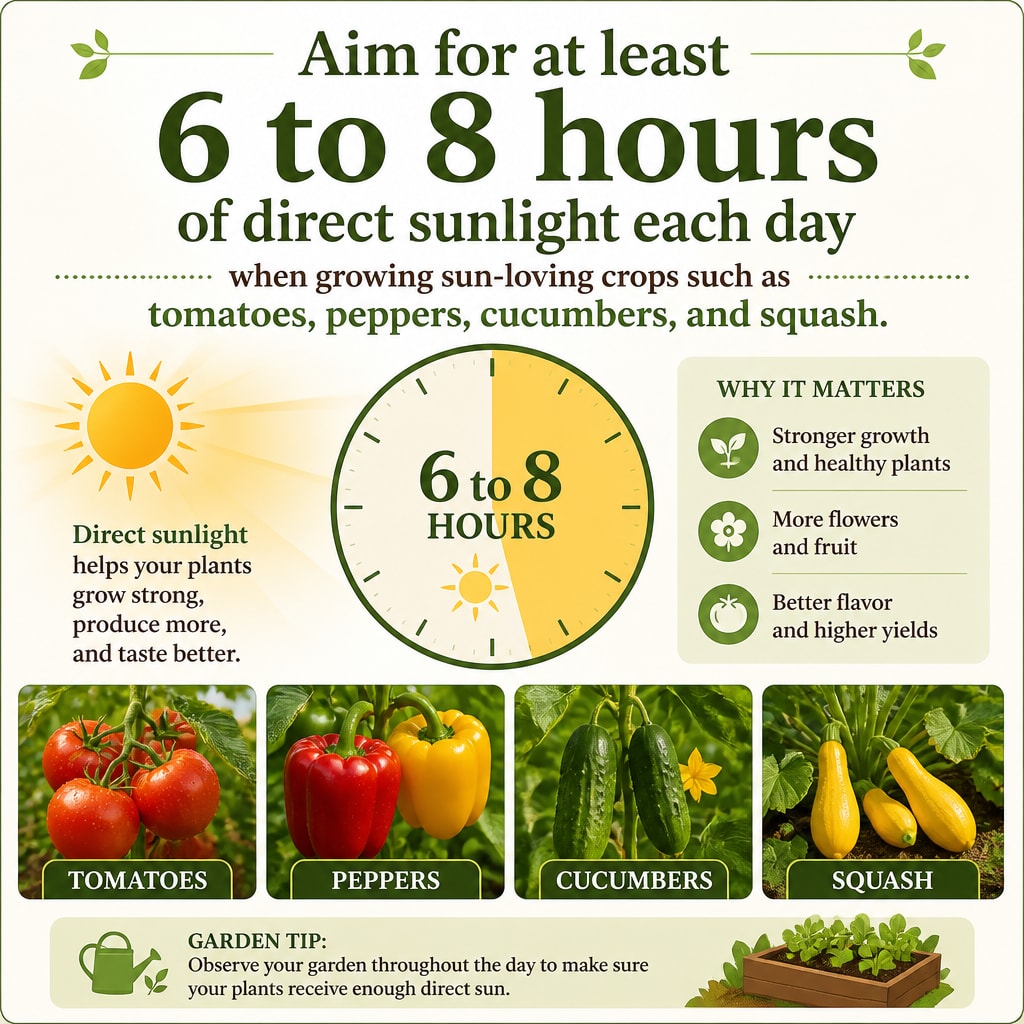
Aim for at least 6 to 8 hours of direct sunlight each day when growing sun-loving crops such as tomatoes, peppers, cucumbers, and squash.
Also check the ground after rain. Does water sit there? A raised bed improves drainage, but it won’t fix a location that stays soggy all season unless you address the surrounding soil first. Leave enough room to walk around the bed, carry a watering can, and reach every plant without stepping into the growing soil.
For small backyards, a bed about 3 to 4 feet wide is usually comfortable. You can reach the middle from either side, which matters more than people expect. A longer bed is fine, but don’t make it so long that you have to climb over it to weed or harvest.
Wood raised beds are the familiar choice
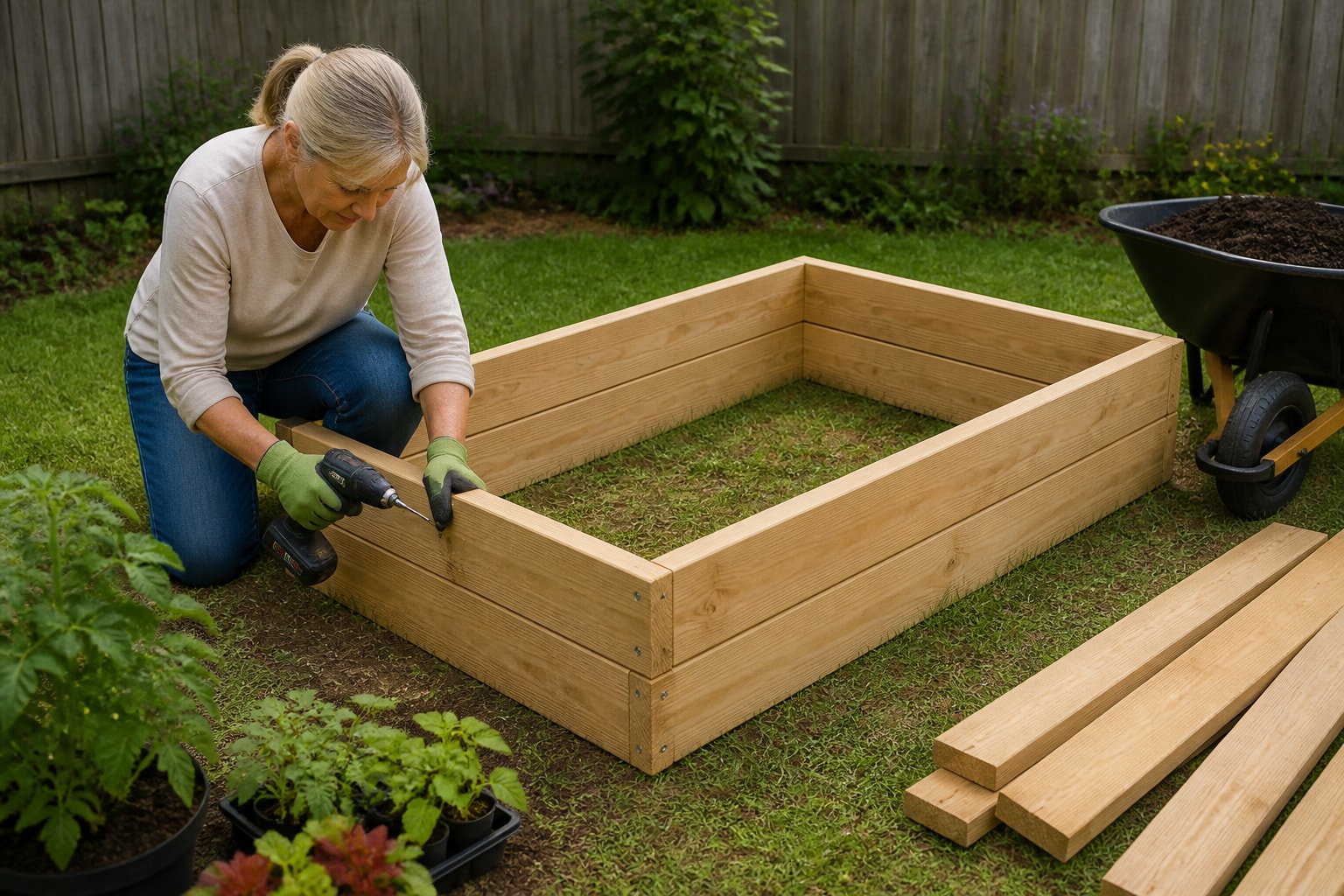
Wood is popular for a reason. It looks natural, it’s easy to cut, and basic tools are usually enough for a simple rectangular bed. Cedar and redwood resist decay better than many inexpensive softwoods, though prices vary by region. Untreated pine costs less at the start but tends to break down sooner, especially where the boards stay damp.
For most home gardeners, 2-inch-thick boards feel sturdier than thin fence boards. They also hold their shape better when the bed is filled with damp soil. That said, thicker lumber can make a raised bed heavy and harder to move. Retirees or anyone dealing with limited lifting strength may prefer shorter sections assembled in place.
Pressure-treated wood deserves a careful answer
Most pressure-treated lumber currently sold for residential use in the United States uses copper-based preservatives rather than the older chromated copper arsenate (CCA) treatments, which were phased out of most residential consumer applications beginning in 2004. Common modern treatments include alkaline copper quaternary (ACQ) and copper azole formulations.
For vegetable gardens, check the manufacturer’s labeling and intended-use information before selecting treated lumber. Modern residential pressure-treated wood is generally considered an acceptable option for raised beds when used as directed, although some gardeners prefer naturally decay-resistant wood, metal, or composite materials. A suitable barrier between the wood and soil is another option for gardeners who want to minimize direct contact. Avoid salvaged lumber of unknown treatment history, railroad ties, and wood treated with creosote.
One detail gets missed: the inside bottom edge of a wood bed rots first. Keeping boards off constantly wet ground, improving drainage, and avoiding soil piled against the outside can add useful years. A wood bed won’t last forever, but sensible construction makes a noticeable difference.
Metal beds bring strength and a clean look
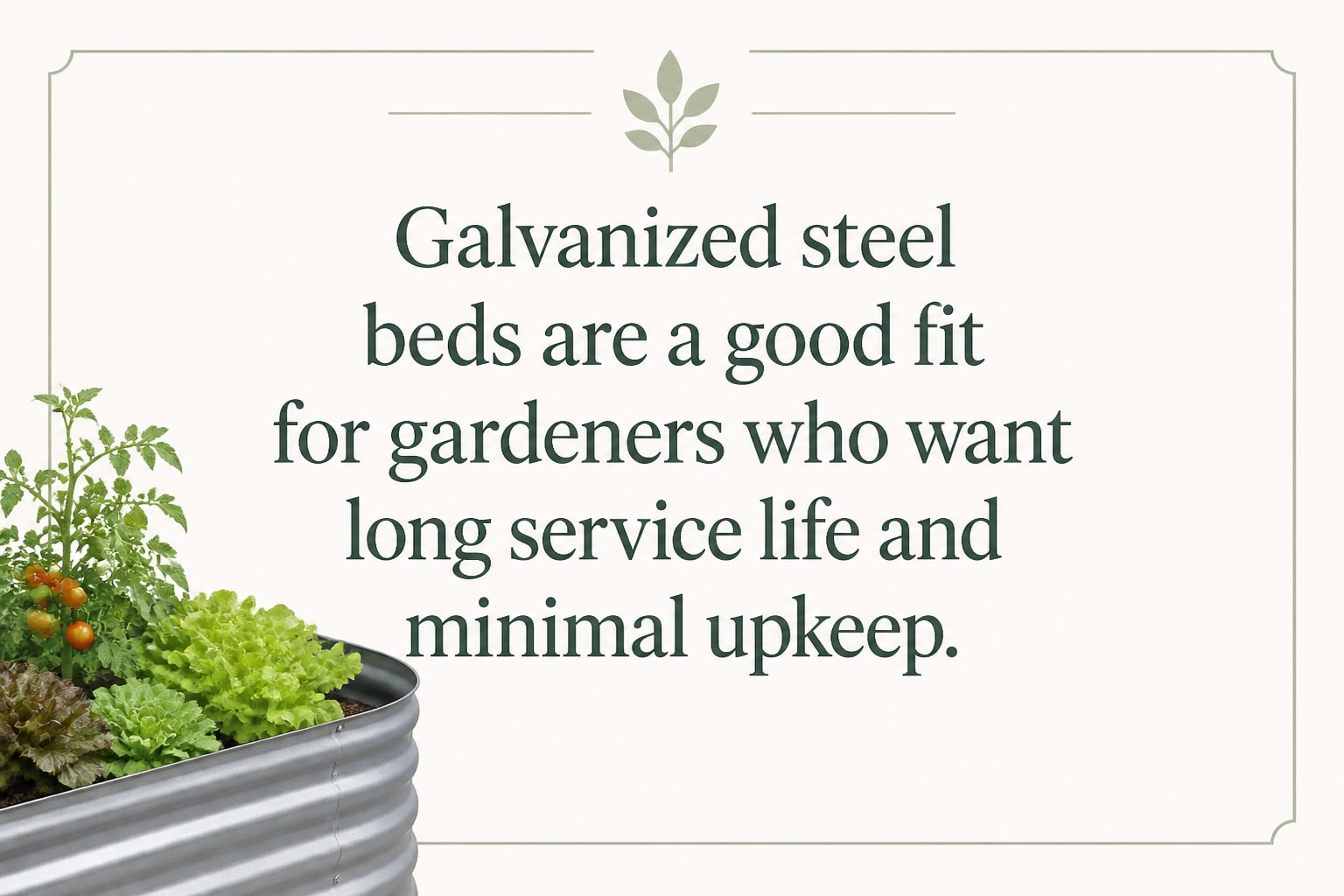
Galvanized steel beds are a good fit for gardeners who want long service life and minimal upkeep. They don’t rot, termites aren’t interested in them, and many kits go together with little more than a wrench. Metal also works nicely in a small backyard where a crisp, simple appearance matters.
There are trade-offs. Thin metal can flex, sharp edges can be unpleasant, and dark-colored sides may warm up in strong sun. Quality beds usually have rolled edges or protective trim. We like that feature. It sounds minor until you’re reaching across the bed in short sleeves.
Will metal make the soil dangerously hot? Usually not, especially in a light-colored or well-made bed with plenty of moist soil. The sides may feel hot to the touch, though. Keep plants from pressing directly against the wall, and watch moisture during a heat wave. A deeper bed gives roots more room away from the warmest surface.
Plastic and composite materials suit easy setup
Plastic and composite raised bed materials resist rot and can provide a low-maintenance alternative to wood. Some plastic kits are lightweight and easy to assemble, making them convenient for smaller gardens or temporary layouts. Composite boards, however, may be substantially heavier than plastic and can require additional structural support. Once filled with soil, even a lightweight raised bed is difficult to relocate without emptying it first.
Quality varies widely. Cheap plastic may become brittle after years of sun exposure, while recycled composite can be heavy and expensive. Check whether the product is rated for outdoor use and whether its fasteners are included. A kit that looks inexpensive can require extra corner pieces, screws, or support stakes.
We’re not fans of flimsy plastic containers that bow outward once filled. Soil is heavy. A bed that looks fine empty may turn into a lopsided oval after the first watering. Look for reinforced corners and a clear maximum size. Small modular beds are often safer than one oversized plastic frame.
How deep should a raised bed be?
Depth depends on what you plan to grow and what sits underneath the bed. Lettuce, radishes, herbs, and many leafy greens can produce in shallower soil. Tomatoes, carrots, potatoes, and other crops with deeper roots need more room.
A raised bed approximately 12 inches deep can support many common vegetables when the underlying ground is suitable for additional root growth. However, the ideal depth depends on the crops being grown, the condition of the soil beneath the bed, and whether the bed has an open or enclosed bottom.
There’s no prize for building the tallest bed. Extra height increases the amount of soil you need and can make the sides harder to brace. Taller beds do make gardening easier on sore knees and backs, though. For many older gardeners, a 24-inch bed with a comfortable working height is worth the added material and soil.
For raised beds placed on concrete or other surfaces that prevent roots from extending into the ground, provide sufficient growing-medium depth for the intended crops and ensure the bed has effective drainage. Beds placed on compacted ground may benefit from loosening the underlying soil before construction. Open-bottom beds on healthy, well-drained soil can sometimes be shallower because roots may grow below the frame.
Build a frame that stays square
A basic wood bed needs straight boards, exterior-rated screws, a drill, a level, and a way to measure accurately. Assemble the frame on a flat surface when possible. Check each corner as you go. Measuring diagonally from one corner to the opposite corner is a quick way to see whether the frame is square. The two diagonal measurements should be close.
Longer or taller raised beds may require additional reinforcement to resist outward pressure from the soil. Depending on the material and design, this may include corner posts, intermediate supports, cross-bracing, or manufacturer-specified connectors. Reinforcement is especially important for thinner boards and taller beds. Check the frame for movement or bowing during filling and after heavy rainfall, and strengthen it when necessary.
For metal and plastic kits, follow the manufacturer’s spacing instructions rather than improvising. Some systems depend on connecting pieces for strength. Add soil gradually and watch the sides as you fill. Stop and reinforce the frame if it begins to bow.
For raised beds built directly over suitable garden soil, an open bottom generally allows better root access and natural drainage. If the underlying soil is contaminated, use an appropriate barrier and a design that prevents plant roots from reaching the contaminated material. Raised beds installed on pavement or other hard surfaces require a suitable base, sufficient growing depth, and unobstructed drainage openings. Hardware cloth beneath an open-bottom bed can help discourage some burrowing pests without completely blocking drainage or root growth.
Fill the bed without wasting money
Filling a raised bed is where many projects become unexpectedly expensive. You need enough material to reach the planned depth, but buying bags one at a time is tiring and often costly. Measure the bed length, width, and soil depth, then use an online cubic-foot calculator or ask a local supplier to convert the volume into bulk material.
A practical mix often includes screened topsoil, finished compost, and a lighter material such as aged leaf mold. The exact blend depends on what is available locally. Avoid filling the entire bed with pure compost. Compost settles and changes over time, and some fresh products can contain too much salt for young plants.
Wet the soil as you fill, but don’t pack it down by walking on it. Light settling is normal. You can top up later. A thick layer of mulch on the surface helps slow evaporation and keeps soil from splashing onto leaves during watering.
Choose the material that fits your real life
Wood is usually the easiest starting point for a DIY project. Metal is appealing when durability and low maintenance matter most. Plastic or composite can be the sensible choice when you need lighter parts or a kit that assembles quickly.
Think about the next five years, not just Saturday morning. Will you still be able to lift boards? Do you want to repaint or replace parts? Will the bed sit in full sun? Are you growing a few salad greens or a serious tomato crop? Those questions narrow the field quickly.
Our Raised Bed Gardening for Beginners: The Complete Step-by-Step Guide covers the planning, soil, planting, and maintenance decisions that come after the frame is built. We also publish practical resources through Backyard Living Books for gardeners who want clear instructions without a lot of fuss. Our book, Raised Bed Gardening Made Easy, walks through the whole process from choosing a location to keeping the bed productive through the season.
Make a sound choice and start small
The best raised bed material is the one you can build safely, fill properly, and maintain without resentment. A modest bed made from ordinary materials will grow more food than an ambitious project that never gets finished.
Choose a sunny location, make the bed easy to reach, provide enough depth for your crops, and brace the sides before the soil goes in. That’s the practical foundation. Once those pieces are right, your first growing season becomes much more about planting and harvesting, which is exactly where the fun starts.
🌱 FREE DOWNLOAD: Your First Raised Bed Garden
A Beginner-Friendly Guide to Getting Started
Thinking about growing your own vegetables in a raised bed? Start with a simple plan that helps you avoid costly mistakes and build a garden you can enjoy for years.
Our FREE Your First Raised Bed Garden guide provides practical, beginner-friendly information to help you:
- Choose a suitable location with enough sunlight.
- Plan the size and layout of your raised garden bed.
- Understand the basics of preparing healthy garden soil.
- Select vegetables that are appropriate for beginners.
- Get started with planting, watering, and caring for your garden.
You don’t need a huge backyard, expensive equipment, or years of gardening experience to get started!
Get Your FREE Raised Bed Gardening Guide
Free PDF guide from Backyard Living Books.
📗 Ready to Grow Your Own Fresh Vegetables?
Creating a productive raised bed garden takes thoughtful planning, healthy soil, and a little know-how.
Take the guesswork out of raised bed gardening!
Raised Bed Gardening Made Easy: Plans, Soil Mixes, Planting Secrets, and Beginner-Friendly Harvests is a practical guide designed to help you:
- Plan and build raised garden beds that fit your space.
- Choose materials and prepare the right soil mix.
- Select and plant vegetables for productive harvests.
- Understand watering, fertilizing, and routine garden maintenance.
- Avoid common mistakes that can waste time and money.
Whether you’re planting your first garden or looking to improve an existing one, this book will help you garden with greater confidence.
Explore Raised Bed Gardening Made Easy
🌿 Want More FREE Raised Bed Gardening Tips?
Visit our Gardening Learning Center for helpful articles, practical advice, and beginner-friendly resources covering everything from soil preparation and vegetable planting to watering, pest prevention, and seasonal gardening.
Explore the Gardening Learning Center
Part of the Backyard Living Series: Build • Grow • Raise • Thrive.