
Backyard Learning Center
Learn practical backyard skills one project at a time through beginner-friendly articles, seasonal tips, and step-by-step guides that help you build, grow, raise, and thrive.
10 Greenhouse Mistakes Every Beginner Makes
(and How to Avoid Them)
(August 2026 – Estimated Reading Time: 8 Minutes)
A greenhouse has a way of capturing the imagination. It’s easy to picture yourself harvesting fresh tomatoes in early spring, growing crisp lettuce through winter, or starting healthy seedlings weeks before your neighbors. A greenhouse can transform the way you garden, but only if it’s set up and managed correctly.
The good news is that most greenhouse problems are completely preventable. Nearly every experienced greenhouse gardener has made a few of these mistakes along the way. Learning from them before you begin can save money, frustration, and a season’s worth of plants.
Here are ten of the most common greenhouse mistakes beginners make and how you can avoid them.
1. Choosing the Wrong Location
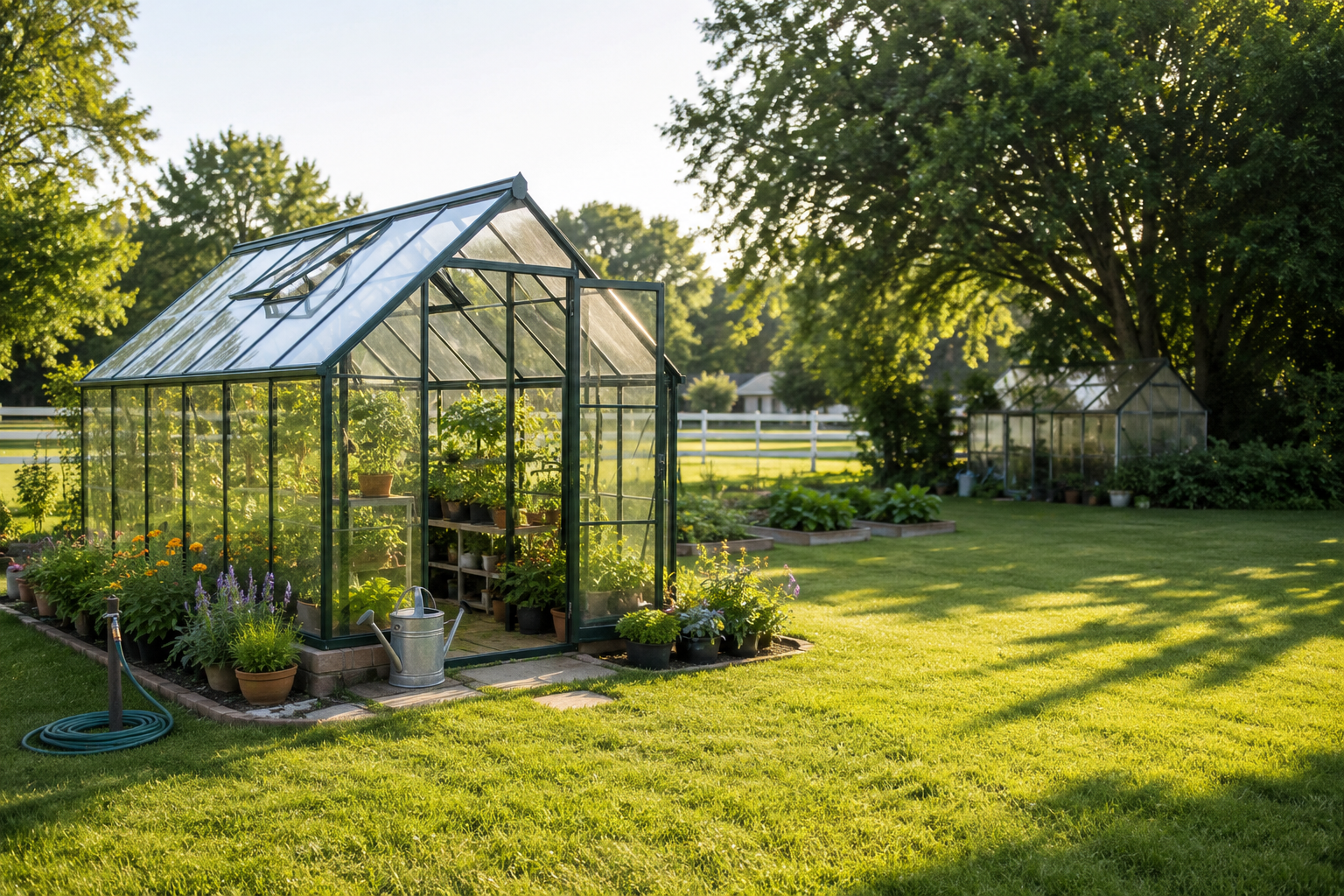
A greenhouse is only as good as the location where it’s built.
Many first-time greenhouse owners focus on convenience rather than sunlight. A spot beside the garage or tucked behind a fence may seem ideal until you realize it only receives a few hours of direct sun each day.
Most vegetables need six to eight hours of sunlight daily, with even more being beneficial during the cooler months.
When selecting a location, look for:
- Full morning and afternoon sun
- Good drainage
- Protection from strong winds
- Easy access to water
- Enough room to work around the structure
Avoid placing your greenhouse beneath large trees. While the shade may seem appealing during summer, trees block valuable winter sunlight and constantly drop leaves, twigs, and branches onto the roof.
Taking an extra day to choose the right location can improve your growing success for years to come.
2. Buying a Greenhouse That's Too Small
Nearly every greenhouse owner says the same thing after their first season:
“I wish I’d built a bigger one.”
Plants grow much larger than they appear in seed catalogs. Tomato vines stretch overhead, cucumbers climb trellises, and shelves quickly fill with seedlings.
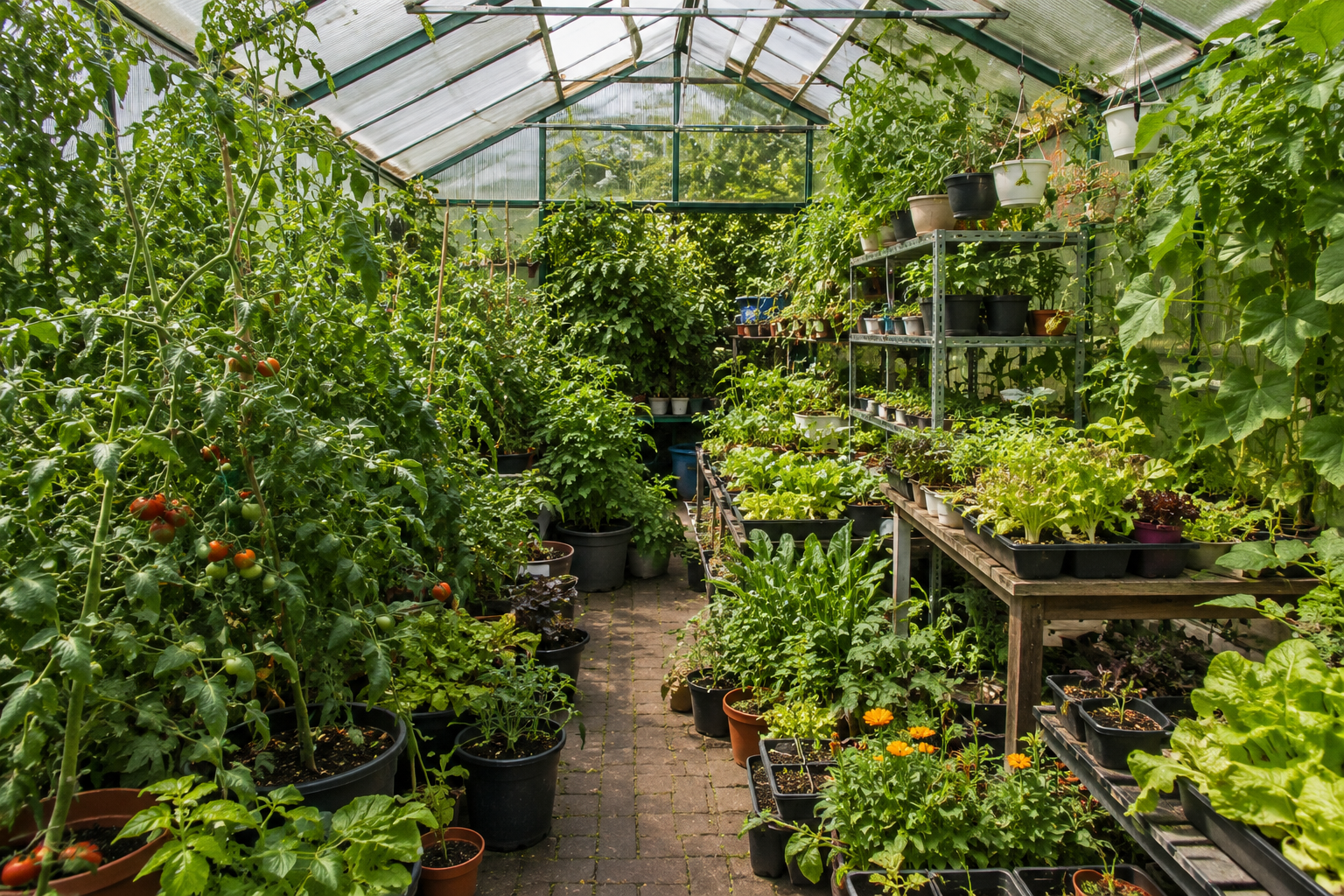
Many beginners purchase the smallest greenhouse available simply because it costs less. Before long, every available inch is occupied.
If your budget allows, consider buying one size larger than you think you’ll need.
The extra room provides space for:
- Potting benches
- Walkways
- Storage shelves
- Seed starting
- Future projects
- Better airflow
You’ll appreciate the additional space far sooner than you expect.
3. Ignoring Ventilation
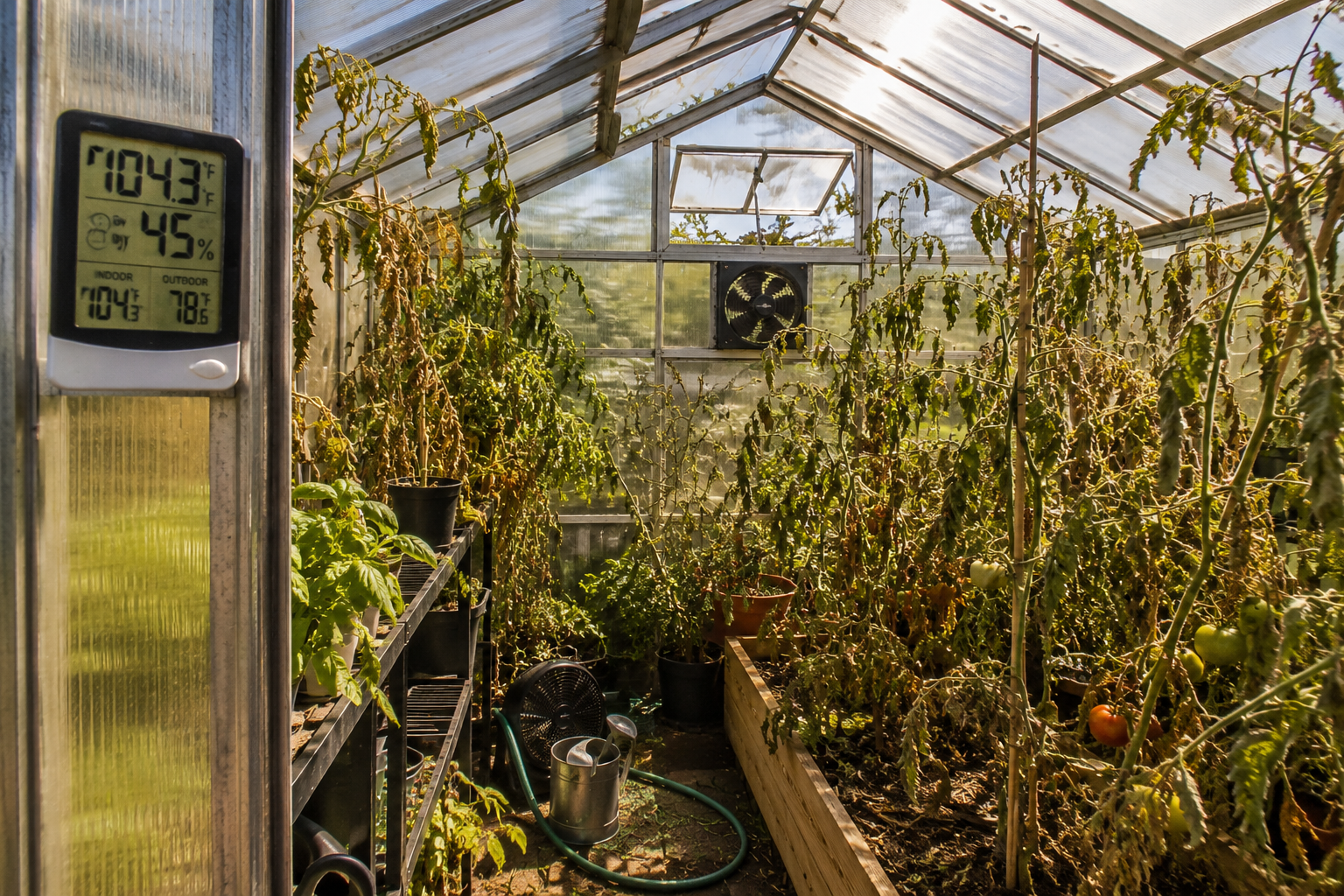
Heat can build surprisingly fast inside a greenhouse.
Even on a pleasant 70-degree day, temperatures inside can climb well over 100 degrees if there’s no ventilation.
Excessive heat stresses plants, reduces pollination, causes blossoms to drop, and can even kill young seedlings.
Proper ventilation includes several components working together:
- Roof vents allow hot air to escape.
- Side vents bring in cooler outside air.
- Doors provide cross ventilation.
- Circulation fans eliminate hot spots.
Some greenhouse owners install automatic vent openers that lift roof vents whenever temperatures rise. These inexpensive devices work without electricity and can prevent many overheating problems.
Fresh moving air also discourages fungal diseases and strengthens plant stems.
4. Overwatering Everything
One of the biggest surprises for new greenhouse gardeners is that plants often need less water than expected.
Because rain never reaches your plants, every drop of water comes from you. That makes it easy to overdo it.
Constantly wet soil creates conditions that encourage:
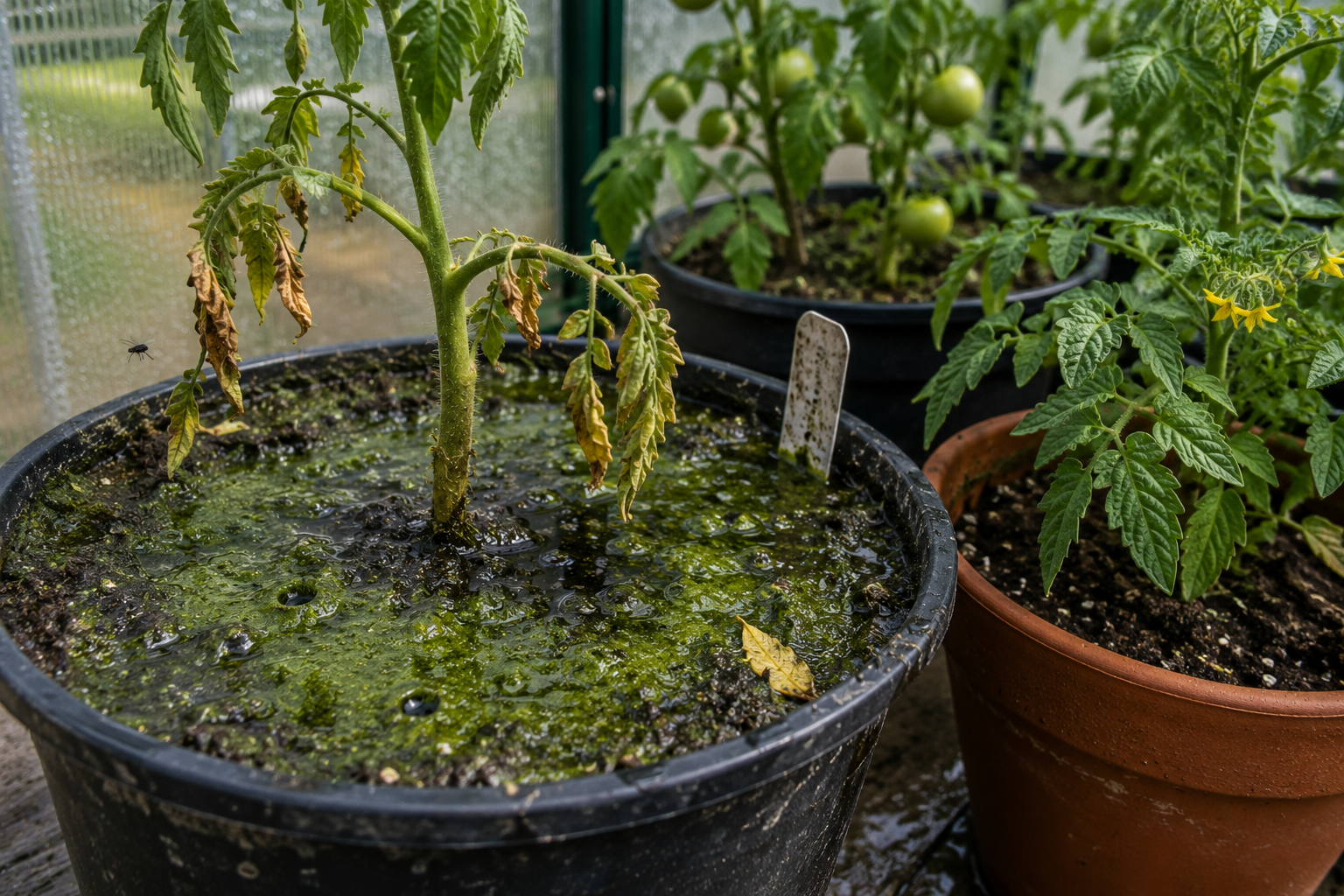
- Root rot
- Mold
- Fungus gnats
- Algae
- Plant diseases
Instead of watering on a schedule, check the soil first.
Insert your finger about an inch into the growing mix.
If it still feels damp, wait another day.
Water deeply when needed rather than adding a little every day. Deep watering encourages stronger root systems and healthier plants.
Different crops also have different needs. Tomatoes prefer slightly drier soil than lettuce, while herbs generally dislike constantly wet conditions.
Learning each plant’s preferences is one of the quickest ways to improve greenhouse success.
- Forgetting About Humidity
Most beginners pay attention to temperature but overlook humidity.
Warm, humid air trapped inside a greenhouse creates ideal conditions for diseases like powdery mildew, gray mold, and fungal leaf spots.
You may notice:
- Water dripping from the ceiling
- Foggy windows
- Mold on the soil surface
- Damp leaves that never seem to dry
The solution is surprisingly simple.
Increase airflow by opening vents, running circulation fans, and watering early in the day so excess moisture has time to evaporate.
Avoid splashing water onto leaves whenever possible.
Healthy airflow keeps humidity under control while reducing the chance of disease outbreaks.
- Growing Too Many Plants
Every greenhouse owner has experienced this temptation.
There’s an empty corner…
A little space on the shelf…
One more seed tray…
Before long, every inch is filled.
Overcrowded plants compete for sunlight, airflow, nutrients, and water. Leaves remain damp longer, insects spread more easily, and harvesting becomes difficult.
Give plants the room they need to mature.
Proper spacing improves:
- Air circulation
- Disease prevention
- Light penetration
- Fruit production
- Plant health
Remember that today’s tiny seedlings may become six-foot tomato vines in just a few months.
Planning ahead prevents a crowded greenhouse later.
7. Waiting Too Long to Deal with Pests
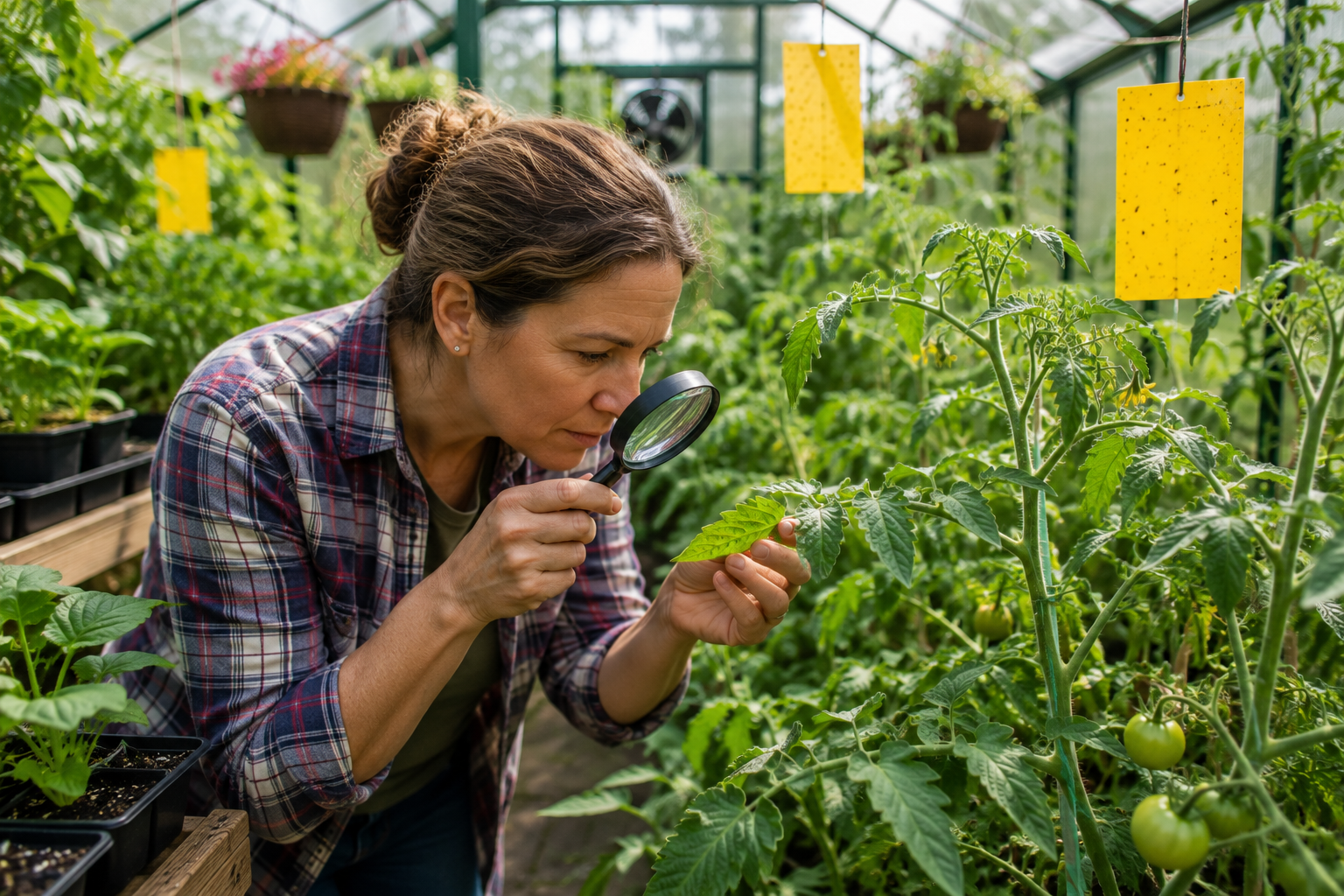
One tiny insect rarely stays alone.
Greenhouses provide warm temperatures, shelter, and a steady food supply. Unfortunately, insects appreciate those conditions just as much as vegetables do.
Common greenhouse pests include:
- Aphids
- Whiteflies
- Spider mites
- Fungus gnats
- Mealybugs
- Thrips
The key is early detection.
Spend a few minutes each week inspecting both the tops and undersides of leaves.
Look for:
- Tiny insects
- Sticky residue
- Discolored leaves
- Fine webbing
- Small holes
Catching a problem early usually means treating only a few plants rather than the entire greenhouse.
Yellow sticky traps can also alert you to flying insects before they become a major problem.
Routine inspections are far easier than battling a full infestation.
- Skipping Organization
An organized greenhouse is more productive, safer, and more enjoyable to use.
Without a plan, tools disappear, seed packets get misplaced, pots pile up, and fertilizer containers seem to multiply overnight.
Simple organization makes every gardening session more enjoyable.
Consider adding:
- Storage shelves
- Hanging tool racks
- Seed organizers
- Potting benches
- Labeled bins
- Hose holders
Keep frequently used items within easy reach while storing seasonal supplies higher or farther back.
A clean workspace also makes it easier to spot pests, diseases, or maintenance issues before they become larger problems.
Many gardeners discover that spending just a few minutes cleaning after each project keeps the greenhouse functioning efficiently all season.
- Neglecting Seasonal Maintenance
A greenhouse requires surprisingly little maintenance, but ignoring it entirely can shorten its lifespan.
At least twice each year, inspect the entire structure.
Check for:
- Loose screws
- Damaged glazing panels
- Torn weather seals
- Clogged gutters
- Dirty windows
- Worn door hinges
- Roof leaks
Clean the glazing inside and out to maximize sunlight.
Dust, pollen, algae, and hard water stains gradually reduce the amount of light reaching your plants.
Even a thin layer of dirt can noticeably reduce plant growth over time.
Seasonal inspections take only an hour or two but can prevent much larger repairs later.
- Expecting Instant Success
Perhaps the biggest mistake isn’t mechanical at all.
Many new greenhouse owners expect every plant to thrive immediately.
Gardening simply doesn’t work that way.
Every season teaches something new.
One crop grows beautifully while another struggles.
You discover which varieties thrive in your climate, how quickly your greenhouse heats during summer afternoons, and exactly when to start seeds for your area.
Even experienced greenhouse gardeners continue learning every year.
Instead of viewing setbacks as failures, think of them as lessons.
A few wilted seedlings today often become the knowledge that produces overflowing harvests next season.
Patience is one of the most valuable gardening tools you’ll ever own.
Bonus Tip: Keep a Greenhouse Journal
One of the simplest habits that separates experienced gardeners from beginners is keeping records.
Write down:
- Planting dates
- Seed varieties
- Fertilizer schedules
- Harvest dates
- Temperature extremes
- Pest problems
- Successful techniques
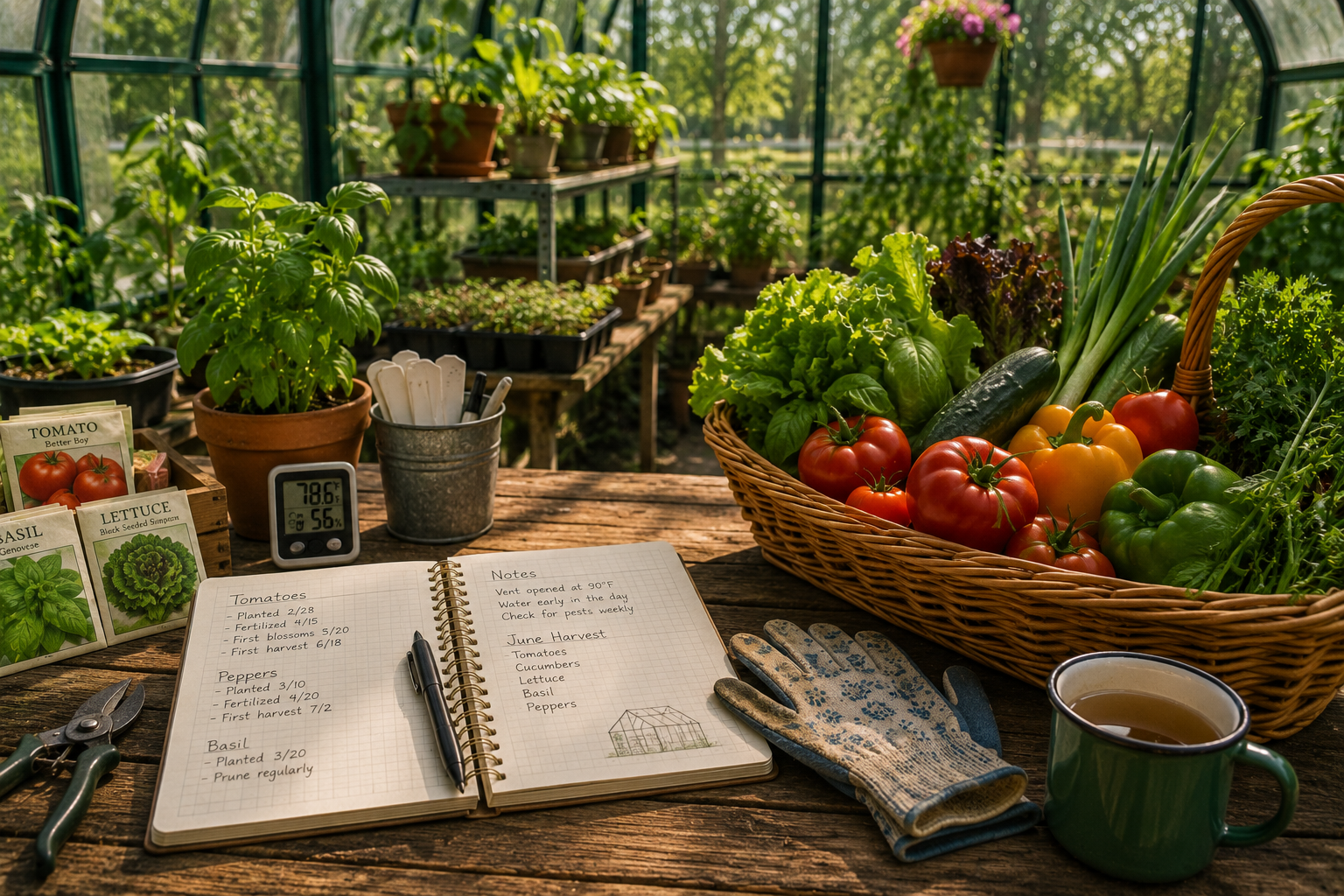
Within a year or two, you’ll have your own personalized greenhouse guide based on real experience rather than guesswork.
You’ll know exactly when to start tomatoes, how often peppers need feeding, and which lettuce varieties performed best during winter.
Those notes become more valuable every season.
Final Thoughts
A greenhouse opens the door to longer growing seasons, healthier seedlings, and fresh harvests nearly year-round. While every gardener makes a few mistakes along the way, avoiding these common pitfalls gives you a tremendous head start.
Choose a sunny location. Build slightly larger than you think you’ll need. Ventilate well, water wisely, stay organized, and inspect your plants regularly. Most importantly, give yourself permission to learn as you grow.
Every experienced greenhouse gardener started exactly where you are today.
With a little planning and steady practice, your greenhouse can become one of the most productive and enjoyable spaces in your backyard.
Ready to Grow Year-Round?
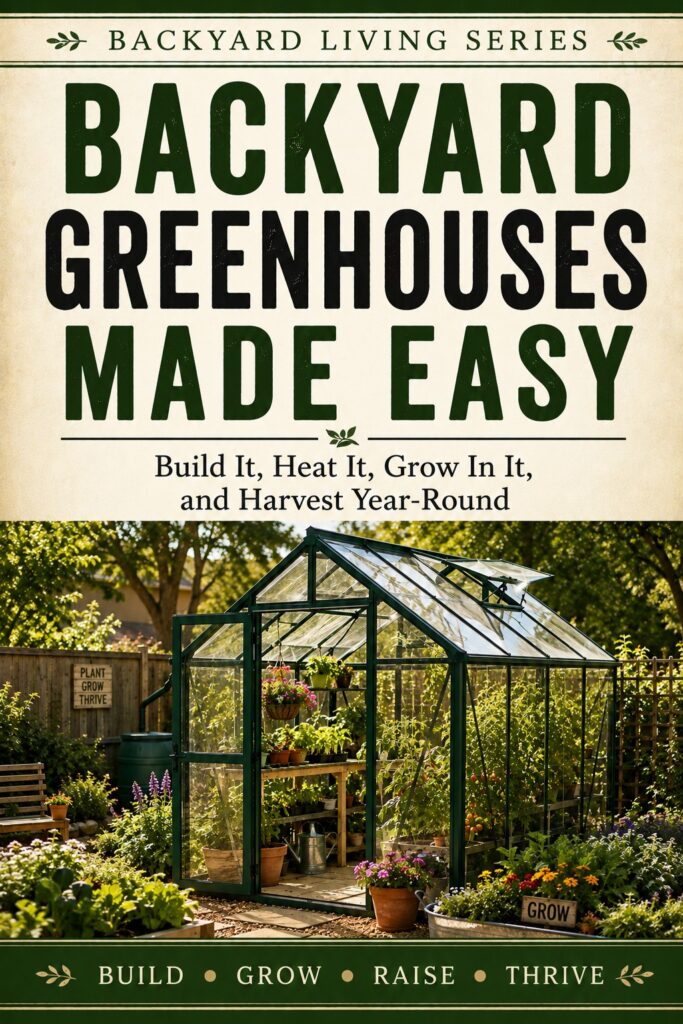
Backyard Greenhouses Made Easy expands on each of these topics with clear, step-by-step guidance designed specifically for beginner greenhouse gardeners. From choosing the right greenhouse and managing temperature, ventilation, and watering to starting seeds, controlling pests, extending your growing season, and harvesting fresh produce year-round, the book provides practical instruction to help you grow with confidence in every season. 🌿
More Greenhouse Articles
If you found this article helpful, these beginner guides are a great next step:
Get Your FREE Backyard Starter Toolkit
Download our free Backyard Starter Toolkit, packed with printable planners, checklists, and beginner resources to help you build, grow, raise, and thrive.
About the Author
Steve McChesney is the founder of Backyard Living Books and has spent decades helping homeowners build, grow, raise, and preserve more from their own backyards. Through practical, beginner-friendly guides, he encourages people to tackle one backyard project at a time and enjoy the satisfaction that comes with learning new skills.