
Backyard Learning Center
Learn practical backyard skills one project at a time through beginner-friendly articles, seasonal tips, and step-by-step guides that help you build, grow, raise, and thrive.
What Can You Actually Grow in a Backyard Greenhouse?
(August 2026 – Estimated Reading Time: 8 Minutes)
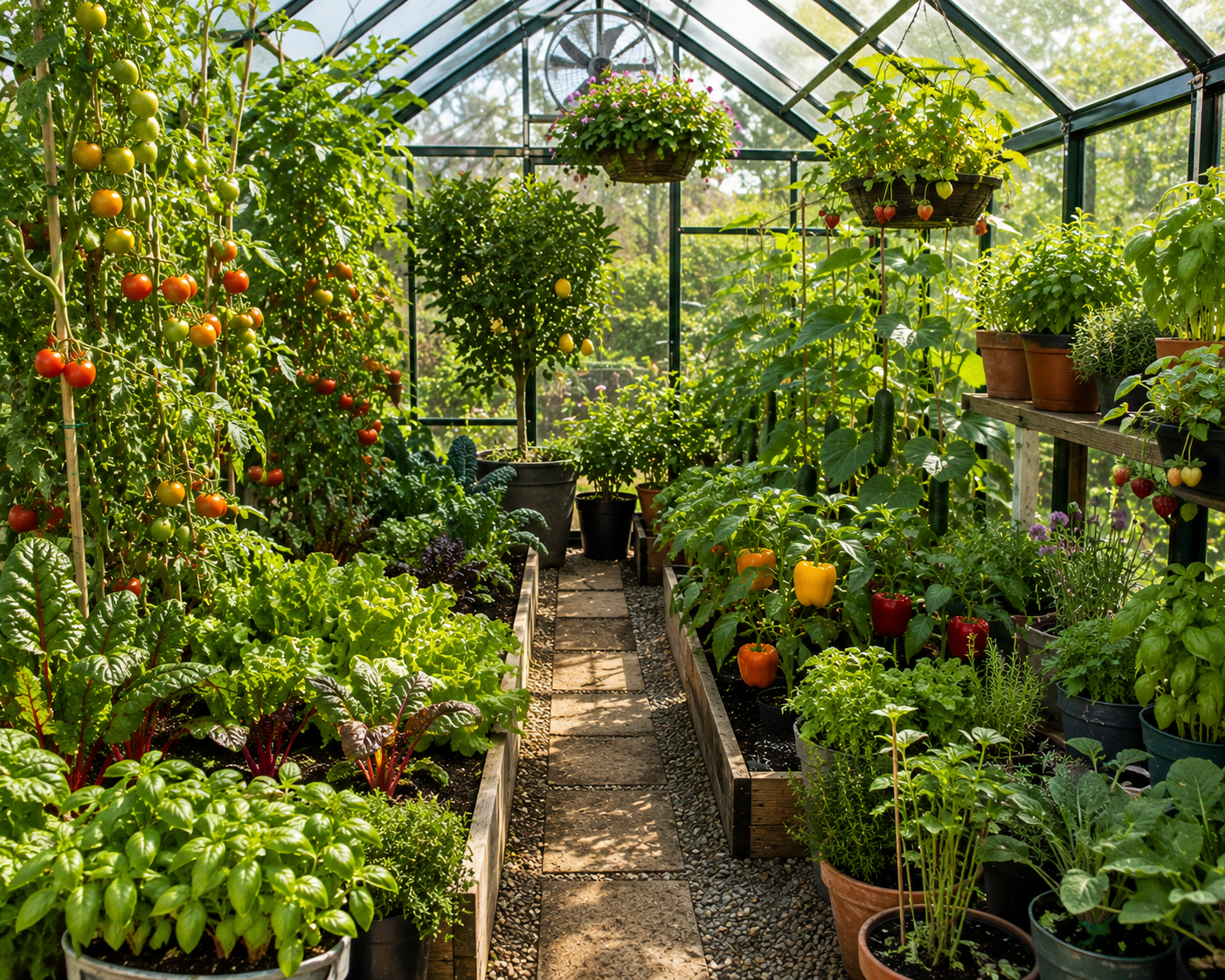
One of the first questions people ask after buying or building a greenhouse is surprisingly simple:
“Now what do I grow in it?”
The answer is: probably much more than you think.
Many beginners assume a greenhouse is only for growing tomatoes during the summer. In reality, a greenhouse can become one of the most productive spaces in your backyard, allowing you to grow vegetables, herbs, fruits, flowers, and even tropical plants long before or after the traditional gardening season.
Exactly what you can grow depends on your climate, your greenhouse design, and whether it’s heated or unheated. Even a simple backyard greenhouse, however, can dramatically expand your growing opportunities throughout the year.
Let’s look at some of the best choices for beginner greenhouse gardeners.
Cool-Season Vegetables Thrive
Many gardeners think greenhouses are designed for hot-weather crops. Surprisingly, some of the happiest greenhouse plants actually prefer cooler temperatures.
Leafy greens flourish inside a greenhouse during fall, winter, and early spring because they’re protected from frost while avoiding the intense summer heat.
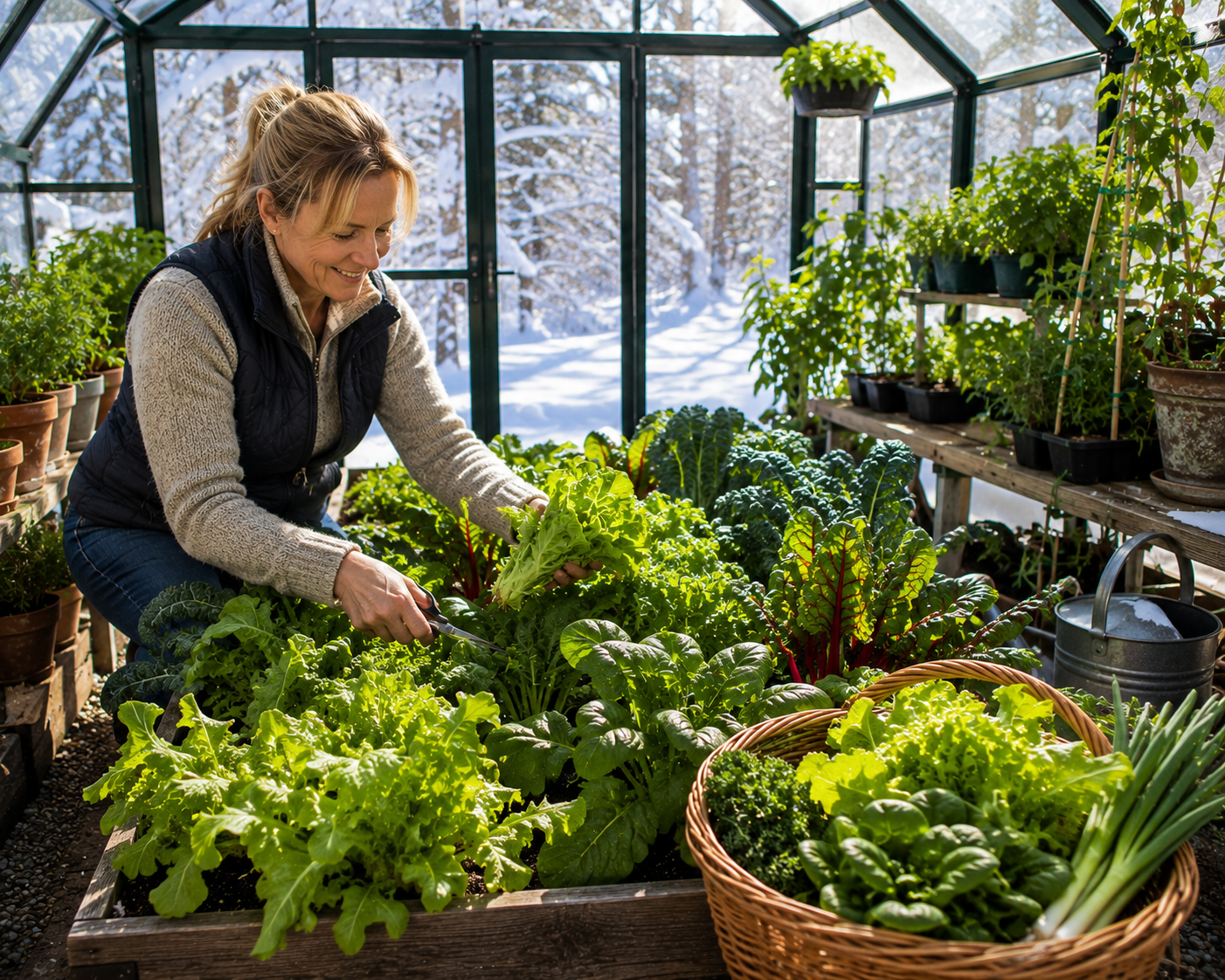
Excellent cool-season crops include:
- Lettuce
- Spinach
- Kale
- Swiss chard
- Arugula
- Bok choy
- Mustard greens
- Collards
These vegetables grow quickly and often allow multiple harvests from the same planting. Many can be harvested one leaf at a time, providing fresh salads for weeks.
Radishes are another outstanding greenhouse crop. They mature in as little as three to four weeks and require very little space.
Other cool-weather favorites include:
- Carrots
- Beets
- Turnips
- Green onions
- Peas
Growing these vegetables inside a greenhouse often means harvesting fresh produce months after outdoor gardens have stopped producing.
Tomatoes Love Greenhouses
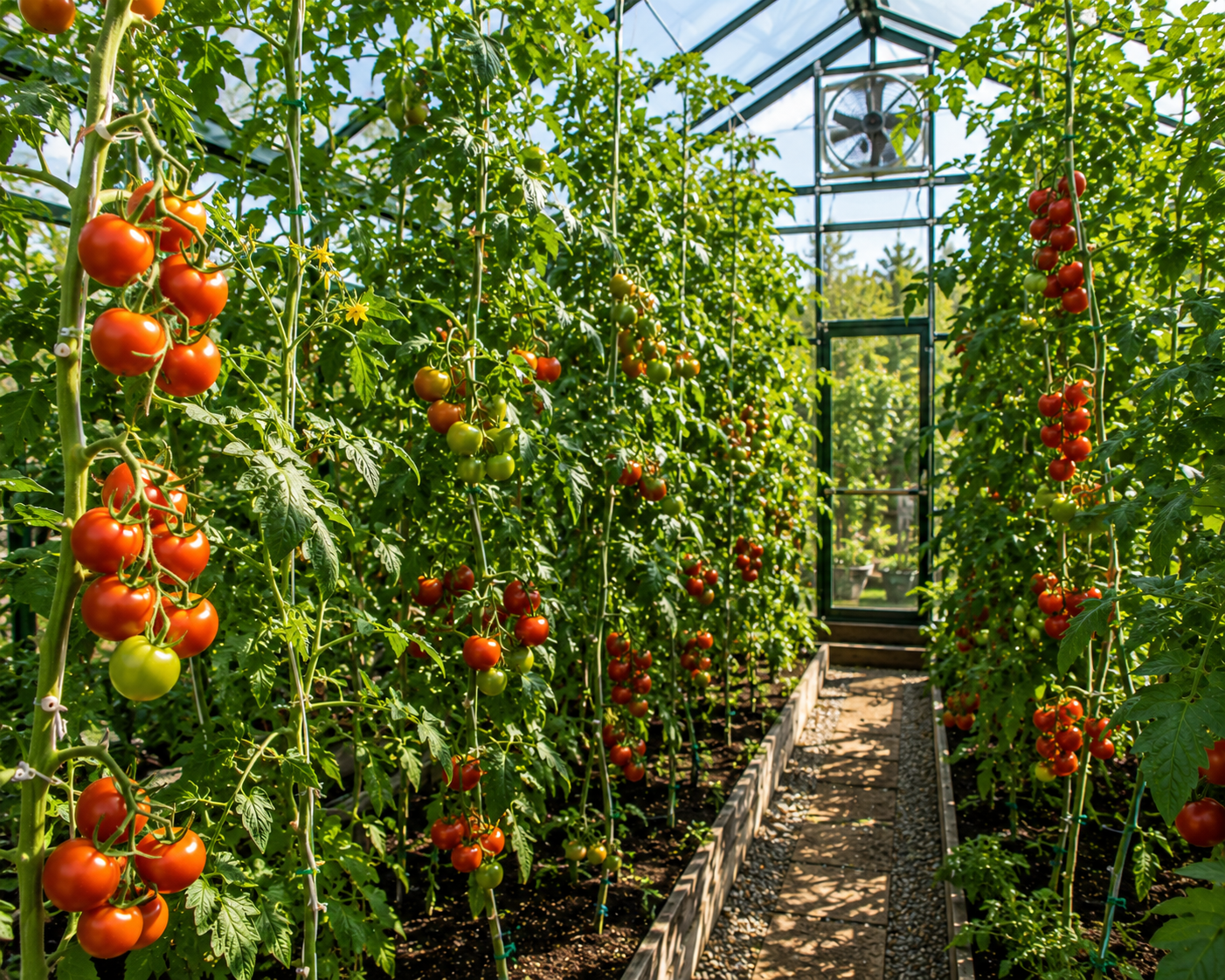
If there’s one crop most closely associated with greenhouses, it’s tomatoes.
Tomatoes thrive because greenhouses provide:
- Warm temperatures
- Protection from heavy rain
- Reduced disease pressure
- Consistent watering
- Longer growing seasons
Many gardeners begin harvesting greenhouse tomatoes several weeks before outdoor plants begin producing.
Indeterminate tomato varieties continue growing throughout the season and often reach impressive heights inside a greenhouse. Vertical supports, cages, or strings help keep vines organized while maximizing available space.
Proper ventilation remains essential, however.
Temperatures above 90°F can interfere with pollination, causing blossoms to drop before fruit develops.
Keeping temperatures under control results in healthier plants and much larger harvests.
Peppers Produce for Months
Bell peppers, jalapeños, banana peppers, and many hot pepper varieties flourish inside greenhouses.
Unlike tomatoes, peppers appreciate consistently warm conditions and often continue producing well into fall when outdoor plants begin slowing down.
Popular choices include:
- Bell peppers
- Jalapeños
- Serranos
- Banana peppers
- Cayenne peppers
- Poblano peppers
- Habaneros
Peppers require plenty of sunlight and benefit from regular feeding throughout the growing season.
Because greenhouse conditions are more stable than outdoor gardens, many gardeners notice improved yields and healthier fruit.
Cucumbers Grow Like Crazy
Cucumbers can become one of the most productive greenhouse crops you’ll ever grow.
Given warmth, moisture, and vertical support, cucumber vines seem determined to reach the roof.
Growing cucumbers vertically offers several advantages:
- Saves floor space
- Improves airflow
- Produces straighter fruit
- Makes harvesting easier
- Reduces disease problems
Both slicing and pickling varieties perform exceptionally well inside greenhouses.
Just remember to provide sturdy trellises before the vines begin climbing.
Herbs Grow Nearly Year-Round
Fresh herbs may be the most rewarding greenhouse crop of all.
Instead of buying expensive herb packages from the grocery store, you can simply step outside and snip exactly what you need.
Excellent greenhouse herbs include:
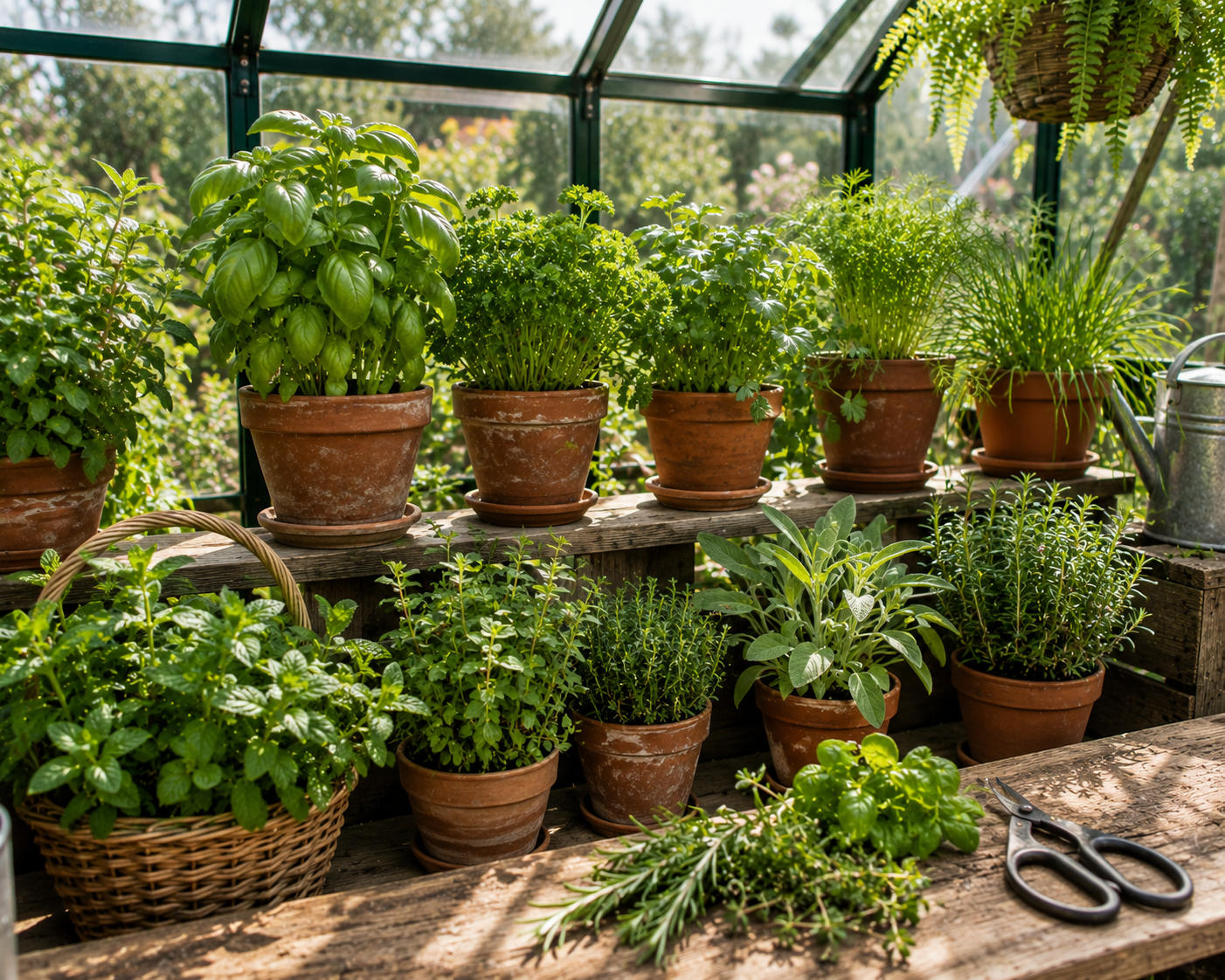
- Basil
- Parsley
- Cilantro
- Dill
- Chives
- Oregano
- Thyme
- Sage
- Rosemary
- Mint
Many herbs prefer slightly drier soil than vegetables, so avoid overwatering.
Keeping herbs near the greenhouse entrance also makes harvesting convenient while allowing their pleasant aromas to greet you each time you step inside.
Strawberries Are Surprisingly Easy
Many gardeners overlook strawberries when planning greenhouse crops.
Yet strawberries perform wonderfully in containers, hanging baskets, or raised beds inside a greenhouse.
Advantages include:
- Earlier harvests
- Cleaner fruit
- Reduced slug damage
- Longer production season
- Protection from birds
Day-neutral strawberry varieties continue producing throughout much of the growing season, making them especially well suited for greenhouse gardening.
Nothing brightens a winter afternoon quite like harvesting fresh strawberries from your own backyard.
Citrus Trees Can Live Inside
If you live where winters become too cold for citrus outdoors, a greenhouse offers exciting possibilities.
Dwarf citrus trees adapt particularly well to container growing.
Popular choices include:
- Meyer lemons
- Key limes
- Calamondin oranges
- Kumquats
- Dwarf mandarins
These compact trees appreciate bright sunlight and moderate humidity.
During warmer months, many gardeners move citrus trees outdoors before returning them to the greenhouse when temperatures begin falling.
The fragrance of citrus blossoms alone makes them worth growing.
Tropical Plants Flourish
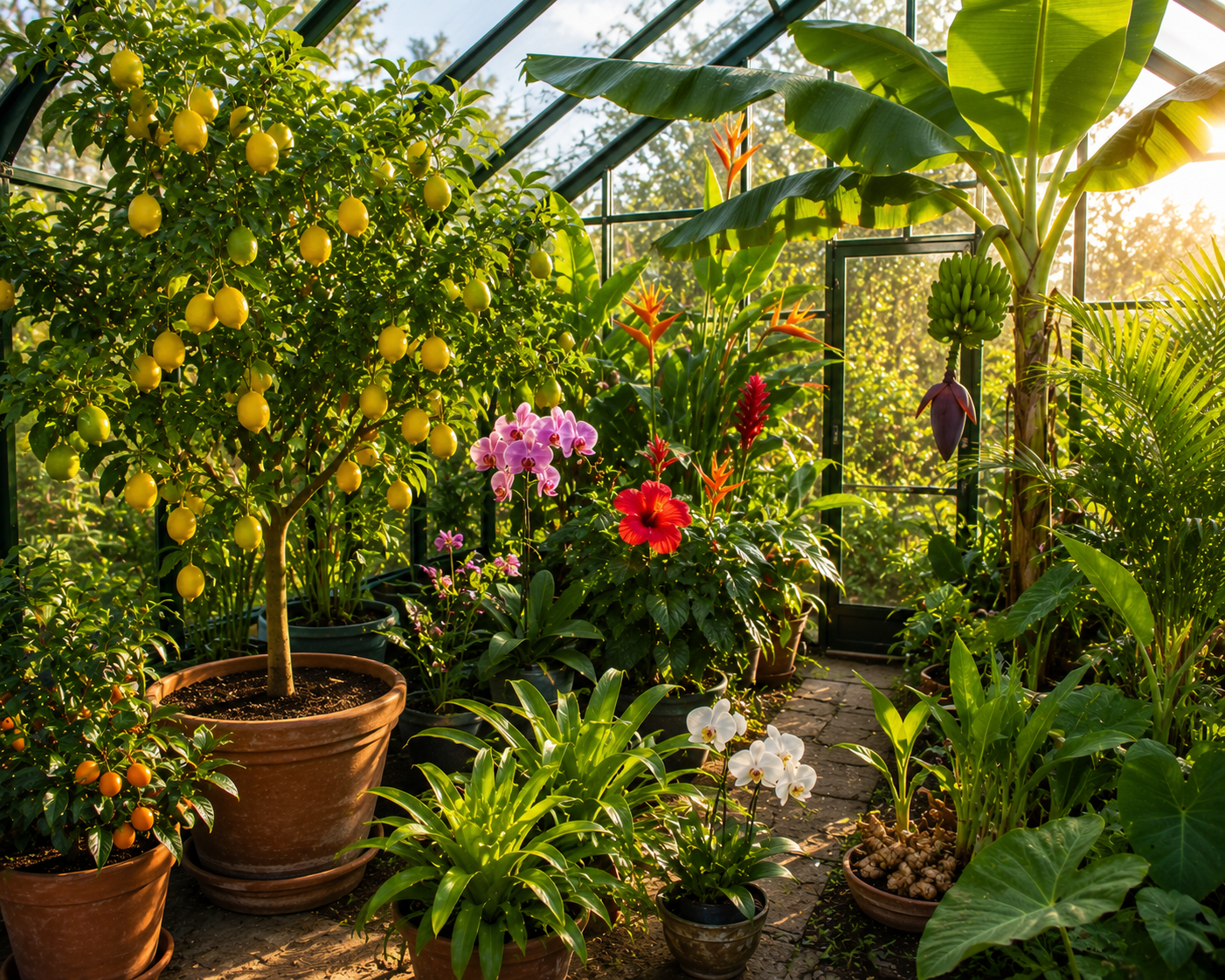
Greenhouses aren’t limited to vegetables.
Warm temperatures and controlled humidity make them excellent homes for tropical plants that would never survive outdoors in colder climates.
Many gardeners grow:
- Orchids
- Hibiscus
- Bird of paradise
- Bougainvillea
- Jasmine
- Banana plants
- Ginger
- Turmeric
Even if these plants never produce fruit, they create a lush atmosphere that transforms a greenhouse into a relaxing retreat.
Walking into a warm greenhouse filled with tropical foliage during the middle of winter can feel like stepping into another climate entirely.
Flowers Bring Color and Pollinators
Flowers deserve space in every greenhouse.
Besides adding beauty, many flowering plants attract pollinators when greenhouse doors and vents are open.
Excellent choices include:
- Marigolds
- Zinnias
- Petunias
- Geraniums
- Nasturtiums
- Snapdragons
- Calendula
Many greenhouse gardeners also grow cut flowers to brighten their homes throughout the year.
Starting annual flowers from seed inside a greenhouse saves money while producing healthier transplants for outdoor beds.
Seedlings May Be the Best Use of All
Ironically, one of the greatest benefits of owning a greenhouse isn’t growing mature plants at all.
It’s starting seedlings.
A greenhouse provides ideal conditions for raising young plants long before outdoor weather cooperates.
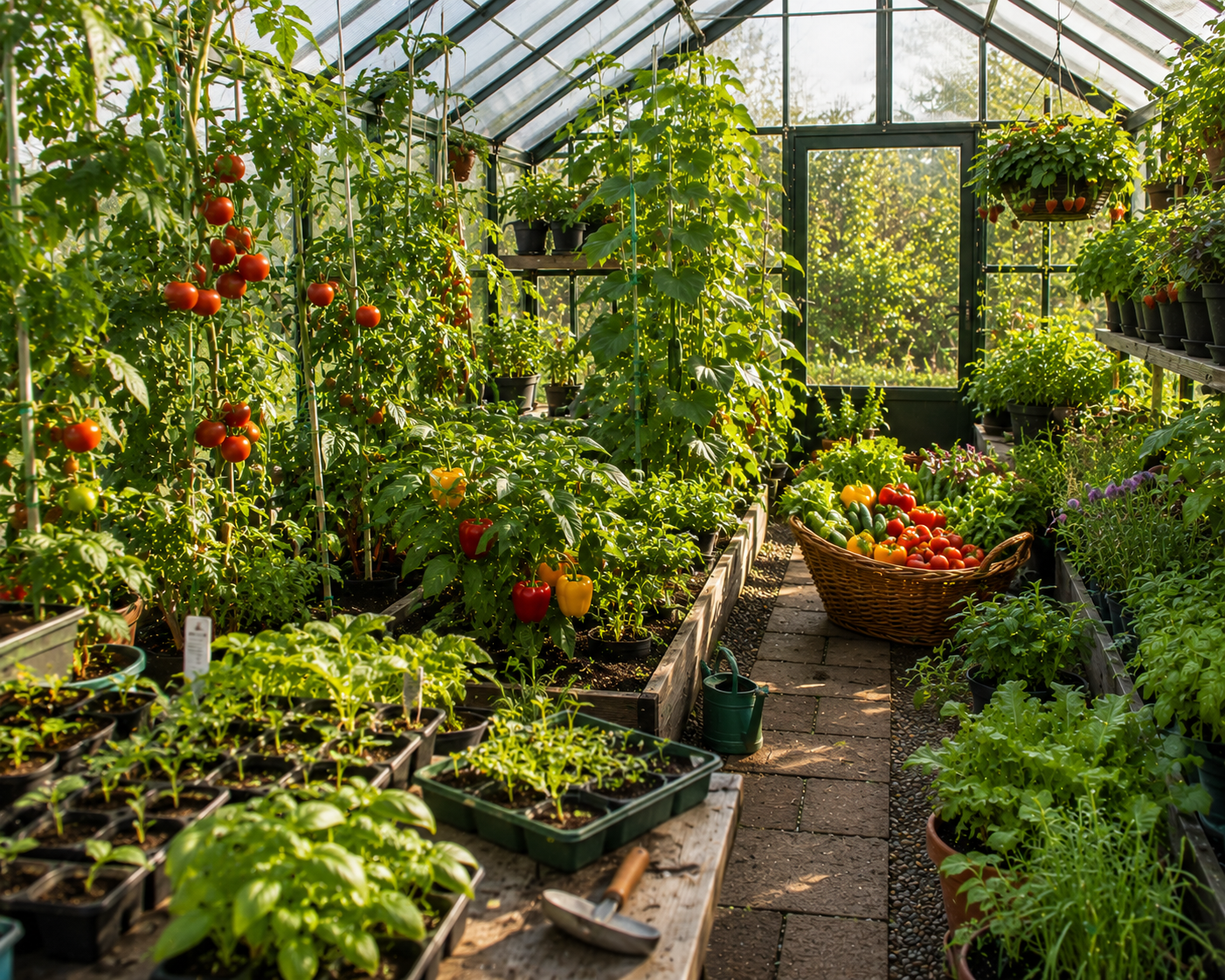
Common seedlings include:
- Tomatoes
- Peppers
- Eggplants
- Broccoli
- Cabbage
- Cauliflower
- Herbs
- Flowers
Healthy seedlings often establish faster outdoors and produce larger harvests than plants purchased from garden centers.
Many gardeners discover this single advantage makes owning a greenhouse worthwhile.
Winter Gardening Is Possible
One of the greatest surprises for first-time greenhouse owners is discovering that gardening doesn’t have to stop when summer ends.
Even an unheated greenhouse can protect many cold-tolerant crops from frost.
Depending on your climate, you may continue harvesting:
- Lettuce
- Spinach
- Kale
- Swiss chard
- Carrots
- Radishes
- Green onions
- Asian greens
Adding simple frost blankets or thermal mass, such as water barrels, can provide even greater protection during cold nights.
Instead of packing away your gardening tools for several months, you can continue harvesting fresh produce while snow falls outside.
Match Your Greenhouse to Your Goals
The best greenhouse isn’t the one growing the most different plants.
It’s the one growing the plants you enjoy using.
Ask yourself:
- Do you cook with fresh herbs every week?
- Does your family eat lots of salads?
- Do you love fresh tomatoes?
- Would you enjoy growing citrus?
- Are flowers your passion?
- Do you want to start your own seedlings?
Your answers help determine how to organize your greenhouse and which crops deserve the most space.
As your experience grows, you’ll naturally experiment with new varieties and discover what performs best in your climate.
Final Thoughts
A backyard greenhouse opens the door to far more than tomatoes and peppers. From crisp winter lettuce and fragrant herbs to strawberries, citrus trees, colorful flowers, and healthy seedlings, the possibilities are almost endless.
The secret isn’t trying to grow everything at once. Start with a handful of crops you already enjoy eating or using, learn what works well in your greenhouse, and expand from there.
Before long, you’ll discover that your greenhouse isn’t just extending your growing season. It’s changing the way you garden altogether.
Ready to Grow Year-Round?
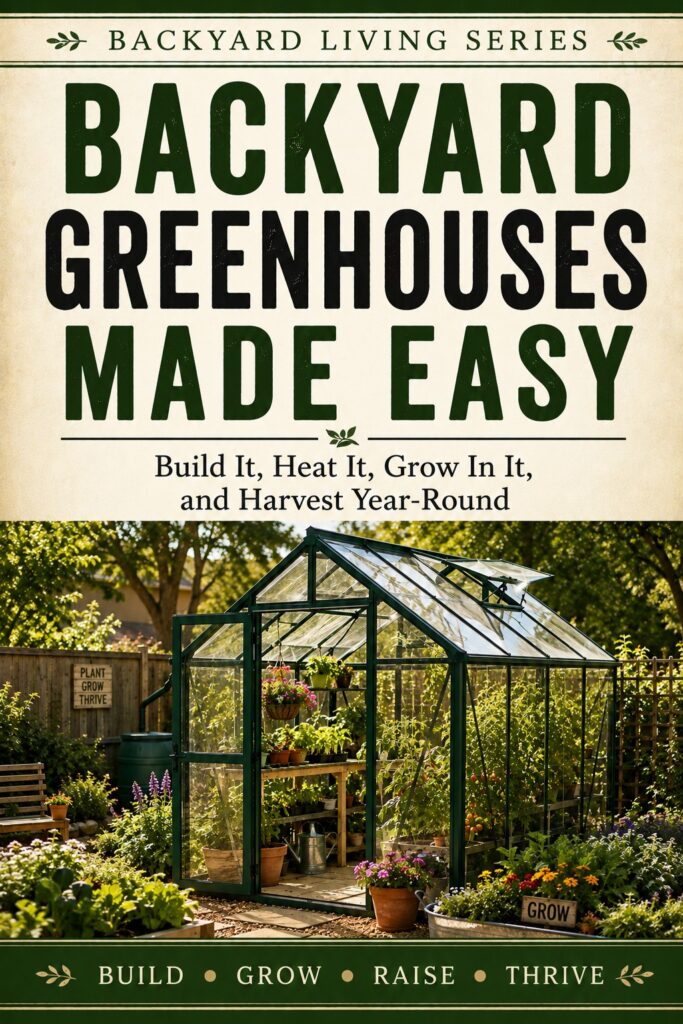
Backyard Greenhouses Made Easy expands on each of these topics with clear, step-by-step guidance designed specifically for beginner greenhouse gardeners. From choosing the right greenhouse and managing temperature, ventilation, and watering to starting seeds, controlling pests, extending your growing season, and harvesting fresh produce year-round, the book provides practical instruction to help you grow with confidence in every season. 🌿
More Greenhouse Articles
If you found this article helpful, these beginner guides are a great next step:
Get Your FREE Backyard Starter Toolkit
Download our free Backyard Starter Toolkit, packed with printable planners, checklists, and beginner resources to help you build, grow, raise, and thrive.
About the Author
Steve McChesney is the founder of Backyard Living Books and has spent decades helping homeowners build, grow, raise, and preserve more from their own backyards. Through practical, beginner-friendly guides, he encourages people to tackle one backyard project at a time and enjoy the satisfaction that comes with learning new skills.