Backyard Learning Center
Learn practical backyard skills one project at a time through beginner-friendly articles, seasonal tips, and step-by-step guides that help you build, grow, raise, and thrive.
Is a Backyard Greenhouse Worth the Money
(August 2026 – Estimated Reading Time: 8 Minutes)
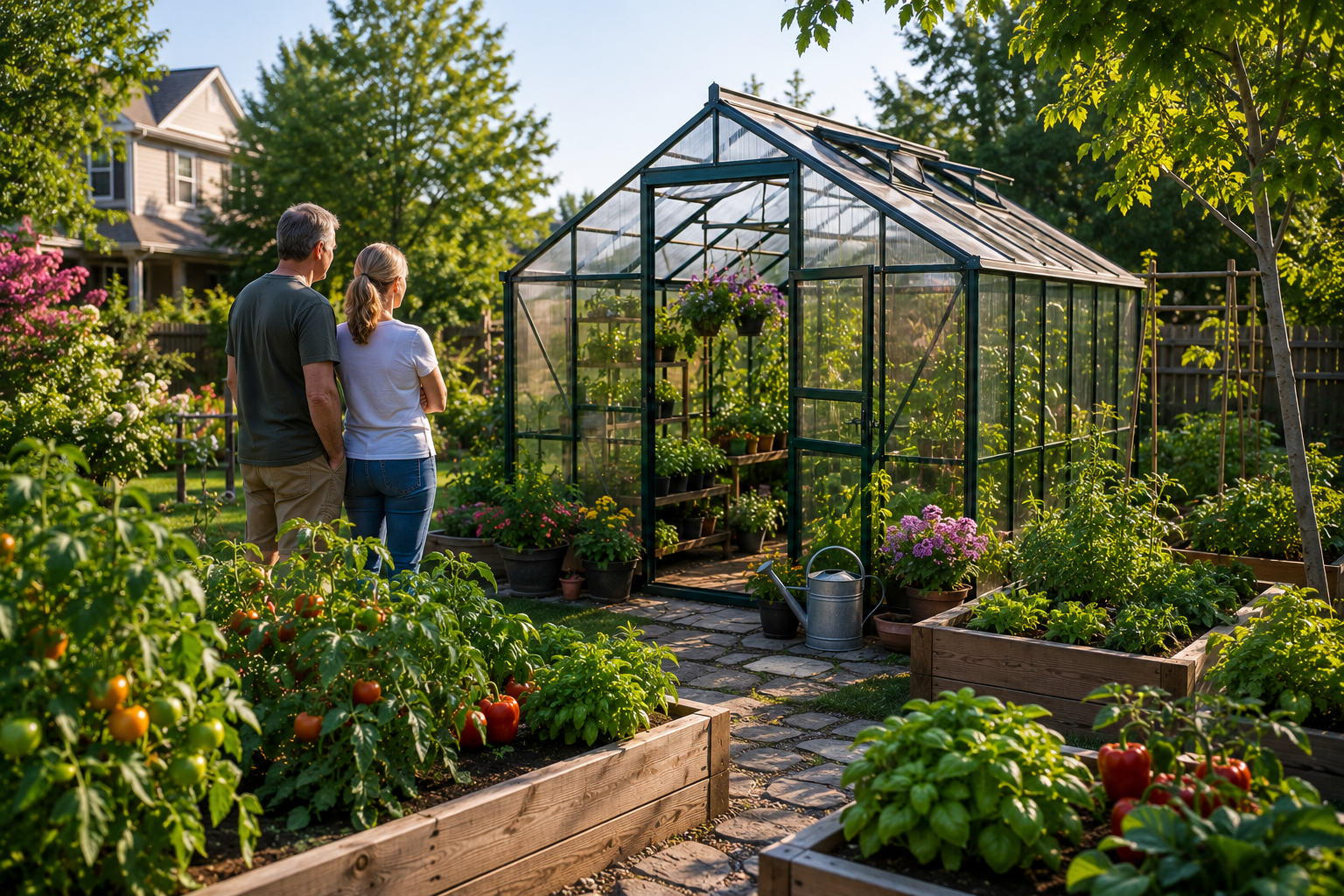
If you’ve been thinking about adding a greenhouse to your backyard, you’ve probably asked yourself one important question:
“Is it really worth the investment?”
It’s a fair question.
A greenhouse isn’t something you buy on a whim. Whether you build one yourself or purchase a kit, you’re investing time, money, and effort. Before taking the plunge, most people want to know if the benefits justify the cost.
For many gardeners, the answer is an enthusiastic yes.
A greenhouse isn’t simply another garden structure. It’s a tool that extends your growing season, protects your plants, increases your harvests, and opens gardening opportunities that simply aren’t possible outdoors.
Let’s take an honest look at the costs, the benefits, and whether a backyard greenhouse makes sense for you.
What Does a Backyard Greenhouse Cost?
The first surprise for many beginners is that greenhouses come in almost every price range.
A simple cold frame may cost less than $100.
A small DIY hoop house can often be built for $200 to $500.
Mid-sized greenhouse kits generally range from $800 to $3,000 depending on size and materials.
Larger permanent greenhouses with heating systems, automatic vents, and premium glazing can cost several thousand dollars.
While those numbers may seem intimidating, remember that many gardeners build their greenhouse gradually, adding shelves, irrigation, and accessories over time.
You don’t need the biggest greenhouse on day one.
In fact, many successful gardeners start with a modest structure and expand only after they’ve gained experience.
You Extend Your Growing Season
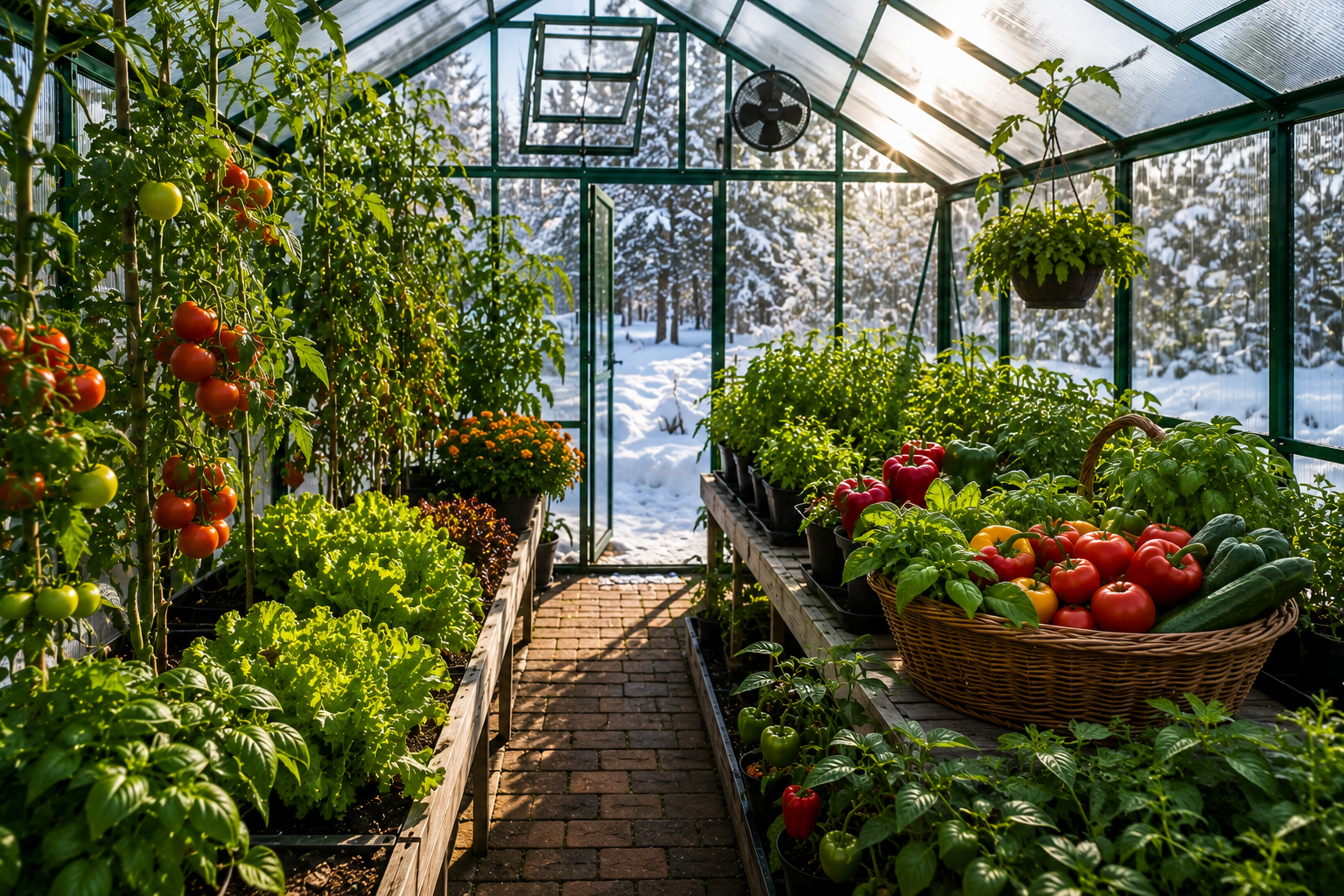
This is one of the biggest advantages of owning a greenhouse.
Instead of gardening for four or five months each year, a greenhouse can dramatically lengthen your season.
In many climates you can:
- Start seeds weeks before your last frost.
- Continue harvesting vegetables long after outdoor gardens have finished.
- Protect crops from early autumn frosts.
- Grow cool-season vegetables through much of the winter.
- Keep tender plants alive until spring.
That means more weeks harvesting fresh food from your own backyard.
Rather than waiting impatiently for spring each year, you’ll already be gardening while many neighbors are still watching the weather forecast.
Earlier Harvests
Ask experienced greenhouse owners what they enjoy most, and many will say the same thing:
They harvest sooner.
Tomatoes ripen earlier.
Peppers begin producing sooner.
Cucumbers start climbing weeks ahead of outdoor plants.
When your garden gets an early start, you often enjoy larger harvests before summer heat, insects, or diseases begin affecting outdoor crops.
Those first ripe tomatoes of the season become even sweeter when everyone else is still waiting.
Better Protection From Weather
Mother Nature doesn’t always cooperate.
Heavy rain.
Hail.
Strong winds.
Unexpected late frosts.
Scorching summer heat.
Outdoor gardens must endure whatever weather arrives.
A greenhouse changes that.
Inside, your plants remain protected from many of the conditions that damage traditional gardens.
Heavy rain no longer splashes soil onto leaves.
Strong winds don’t snap tender stems.
Late frosts become far less threatening.
Even intense summer heat becomes manageable with proper ventilation and shade cloth.
Your plants grow in a far more stable environment, reducing stress and improving overall health.
Healthier Seedlings
One of the most valuable uses for a greenhouse is seed starting.
Instead of buying transplants every spring, you can grow your own.
Healthy greenhouse seedlings often develop:
- Stronger roots
- Thicker stems
- Better disease resistance
- Faster growth after transplanting
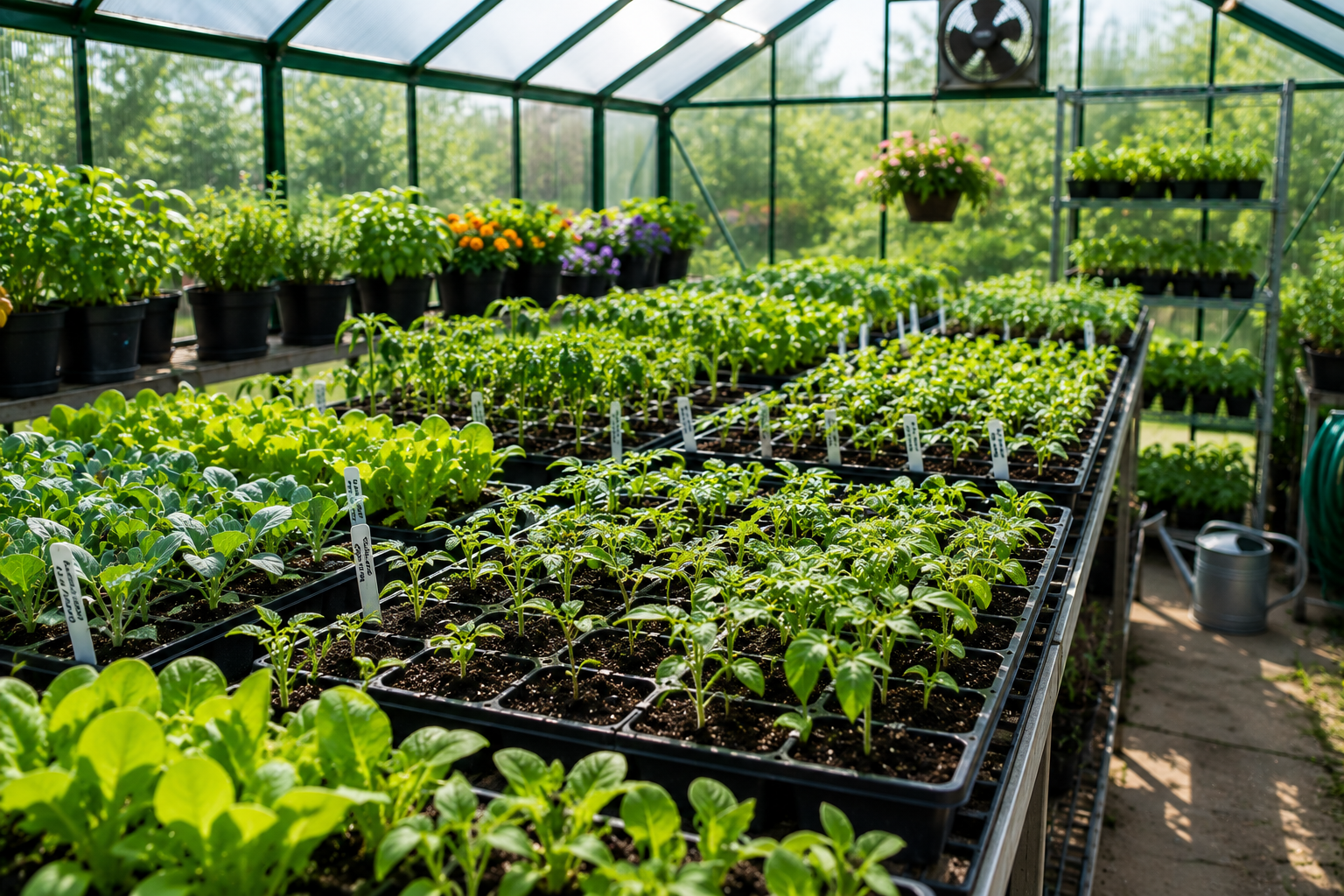
You’ll also enjoy a much wider selection of plant varieties than most garden centers offer.
Want purple carrots?
Yellow tomatoes?
Rare heirloom peppers?
Growing from seed opens a world of possibilities.
Many gardeners find that producing their own seedlings alone justifies owning a greenhouse.
Lower Grocery Bills
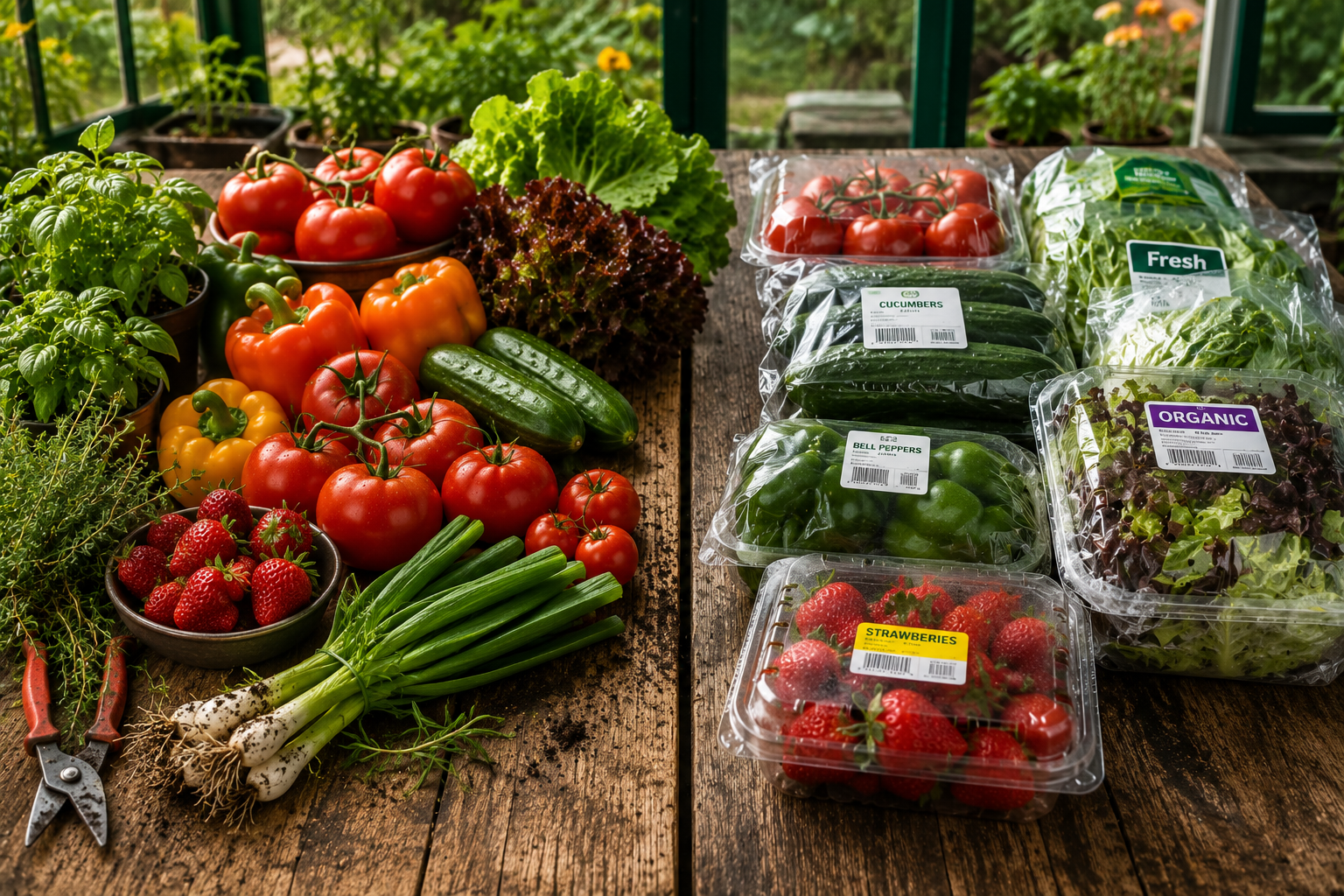
Can a greenhouse actually save money?
In many cases, yes.
Fresh produce has become increasingly expensive, especially specialty vegetables, herbs, and berries.
Consider the cost of regularly purchasing:
- Tomatoes
- Bell peppers
- Lettuce
- Fresh herbs
- Cucumbers
- Spinach
- Strawberries
A productive greenhouse can provide many of these crops for months.
While it may not eliminate grocery shopping, it can significantly reduce how often you purchase fresh produce.
Homegrown vegetables also eliminate much of the packaging, transportation, and storage associated with supermarket produce.
Many people discover they eat more fresh vegetables simply because they’re available right outside the back door.
Better Quality Produce
Freshly harvested vegetables simply taste different.
Tomatoes picked fully ripe on the vine develop richer flavor than those harvested green for shipping.
Fresh herbs contain stronger aromas.
Leafy greens remain crisp.
Strawberries taste sweeter.
When you’re harvesting only minutes before preparing dinner, freshness reaches an entirely different level.
Many greenhouse owners quickly discover that grocery store produce rarely compares.
You Gain More Gardening Flexibility
A greenhouse allows you to experiment.
Maybe you’d like to try growing:
- Meyer lemons
- Ginger
- Turmeric
- Orchids
- Tropical flowers
- Rare heirloom vegetables
Without a greenhouse, many of these plants simply wouldn’t survive in colder climates.
The controlled environment allows gardeners to expand well beyond what their local weather normally permits.
Every season becomes an opportunity to try something new.
Plants Experience Less Disease Pressure
Rain is one of the biggest contributors to many common garden diseases.
Wet leaves encourage fungal problems such as:
- Early blight
- Late blight
- Powdery mildew
- Leaf spot
Inside a greenhouse, leaves remain much drier because rainfall never reaches them.
Combined with good airflow and proper spacing, disease problems are often greatly reduced.
That doesn’t eliminate every issue, but it gives gardeners far more control over growing conditions.
Gardening Becomes More Enjoyable
There is something surprisingly peaceful about spending time inside a greenhouse.
The warm air.
The scent of herbs.
Rows of healthy plants.
The quiet satisfaction of watching seedlings emerge.
Many greenhouse owners describe their greenhouse as more than just a place to grow vegetables.
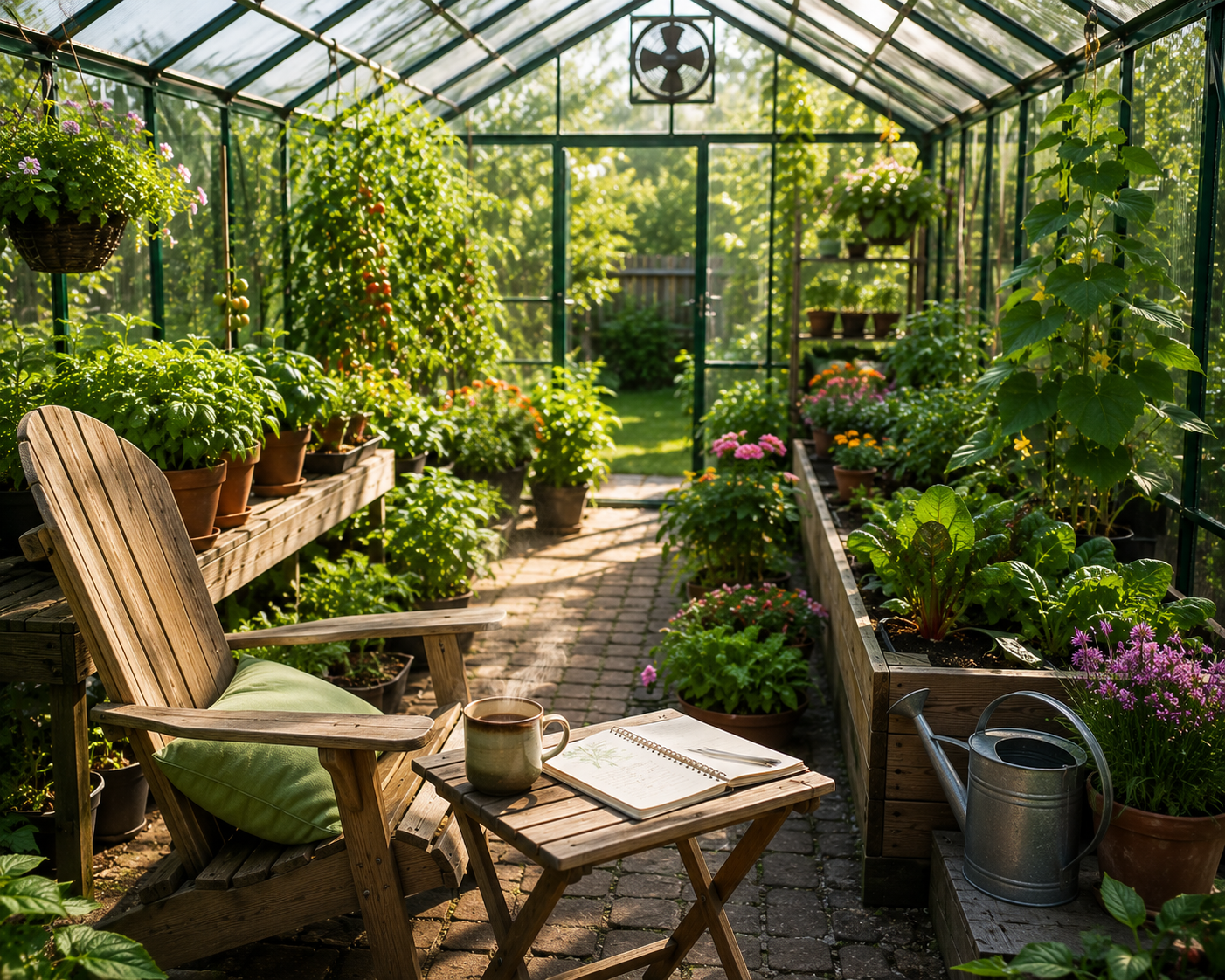
It becomes a favorite retreat.
A place to enjoy a cup of coffee.
A place to unwind after work.
A place where winter suddenly feels much shorter.
While it’s difficult to place a dollar value on that experience, many gardeners consider it one of the greatest benefits of all.
Are There Any Downsides?
To be fair, greenhouses aren’t perfect.
They do require maintenance.
You’ll need to:
- Water regularly.
- Monitor temperatures.
- Control pests.
- Clean glazing panels.
- Organize supplies.
- Replace worn components occasionally.
During summer, overheating can happen quickly if ventilation is neglected.
Like any garden, success depends on paying attention.
Fortunately, these tasks become part of a routine, and most greenhouse owners find the rewards far outweigh the effort.
Will It Pay for Itself?
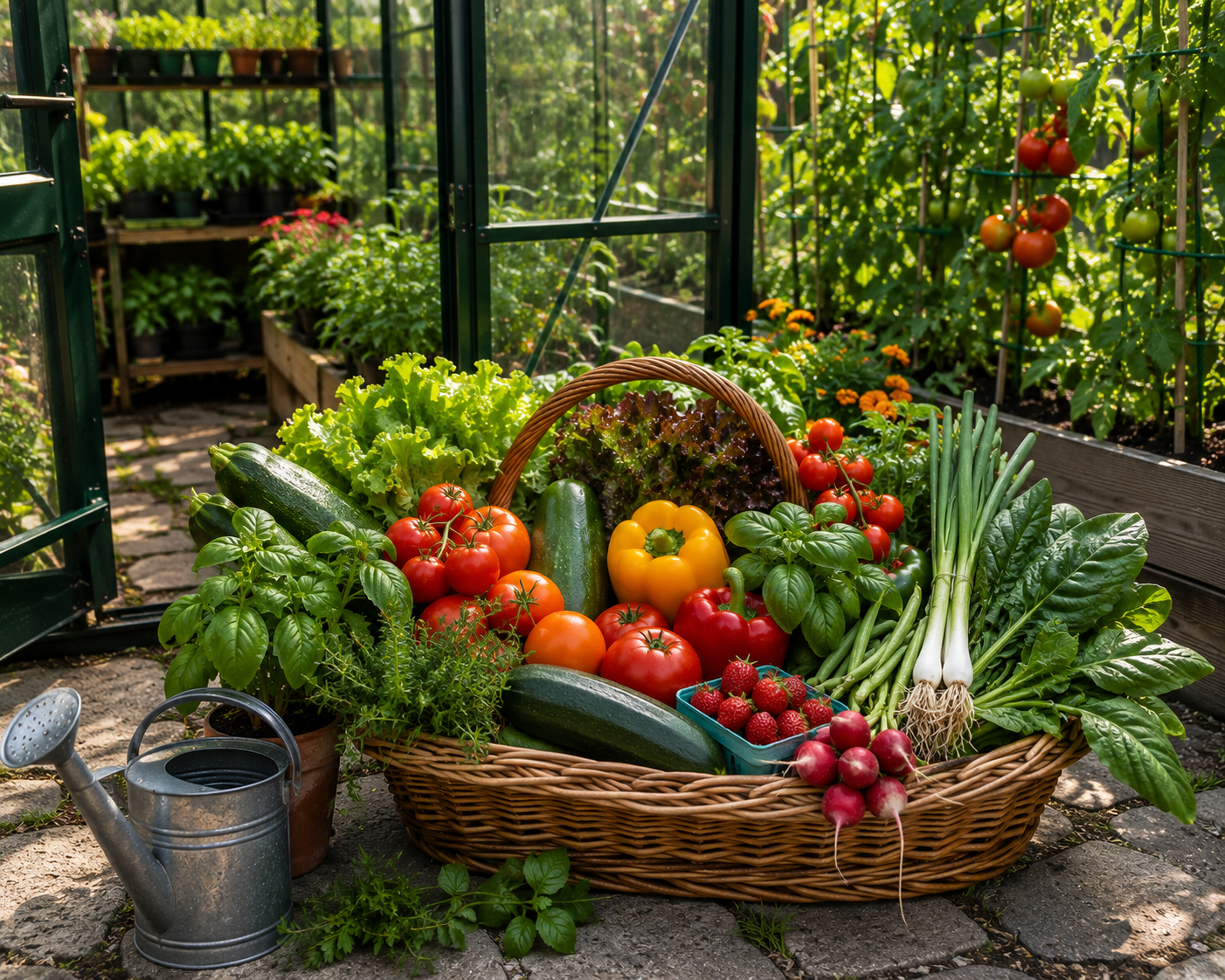
This depends on how you use it.
If you purchase a greenhouse, fill it with expensive tropical plants, and rarely harvest vegetables, it probably won’t save much money.
If you regularly grow vegetables, herbs, seedlings, berries, and cool-season crops that replace grocery purchases, the numbers become much more favorable.
Many gardeners also save money by:
- Growing their own transplants.
- Propagating perennial plants.
- Starting flowers from seed.
- Reducing plant losses from weather.
- Extending harvest seasons.
Over several years, those savings can become substantial.
Just as importantly, the greenhouse continues providing value long after its original purchase price has been forgotten.
Who Benefits Most From a Greenhouse?
A greenhouse is especially worthwhile if you:
- Enjoy gardening every year.
- Like growing vegetables from seed.
- Want earlier harvests.
- Have limited outdoor growing seasons.
- Love experimenting with new plants.
- Want greater control over growing conditions.
- Prefer fresh produce over store-bought vegetables.
If you only plant a few tomatoes each summer, a greenhouse may not be necessary.
But if gardening has become one of your favorite hobbies, you’ll likely wonder how you ever managed without one.
Final Thoughts
A backyard greenhouse is certainly an investment, but it’s one that continues paying dividends season after season.
It provides earlier harvests, healthier seedlings, longer growing seasons, greater protection from unpredictable weather, and the satisfaction of harvesting fresh food for much more of the year.
Perhaps the greatest value isn’t measured in dollars at all. It’s measured in those quiet mornings spent tending healthy plants, the excitement of harvesting your first ripe tomato weeks ahead of schedule, and the confidence that comes from producing more of your own food.
For many gardeners, a greenhouse doesn’t simply improve the garden.
It transforms the entire gardening experience.
Thinking About Building Your First Greenhouse?
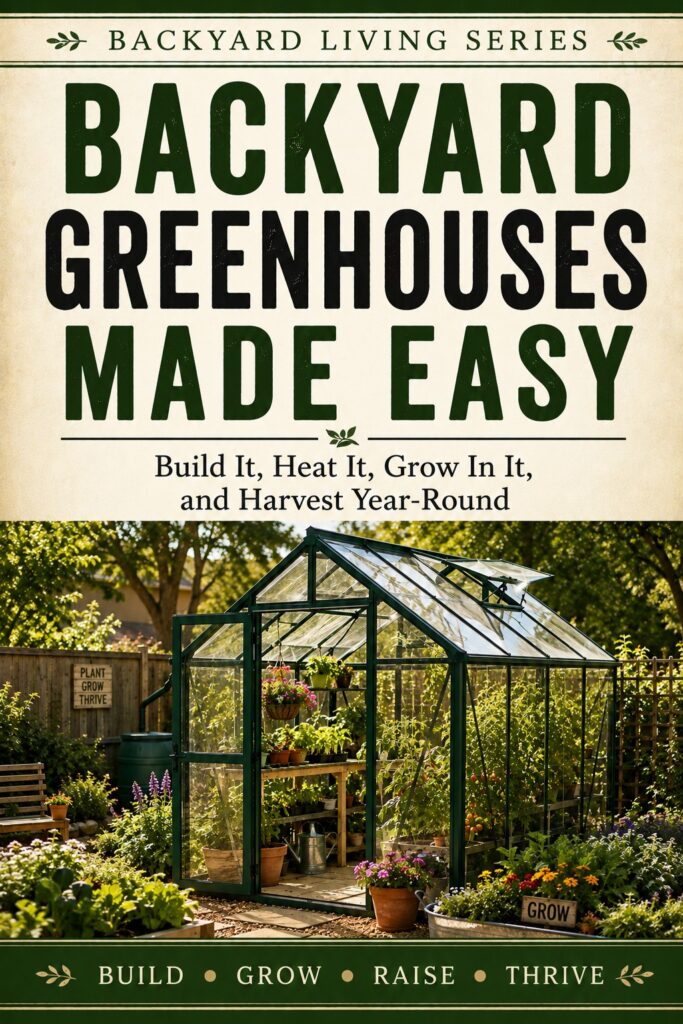
Backyard Greenhouses Made Easy expands on each of these topics with clear, step-by-step guidance designed specifically for beginner greenhouse gardeners. From choosing the right greenhouse and managing temperature, ventilation, and watering to starting seeds, controlling pests, extending your growing season, and harvesting fresh produce year-round, the book provides practical instruction to help you grow with confidence in every season. 🌿
More Greenhouse Articles
If you found this article helpful, these beginner guides are a great next step:
Get Your FREE Backyard Starter Toolkit
Download our free Backyard Starter Toolkit, packed with printable planners, checklists, and beginner resources to help you build, grow, raise, and thrive.
About the Author
Steve McChesney is the founder of Backyard Living Books and has spent decades helping homeowners build, grow, raise, and preserve more from their own backyards. Through practical, beginner-friendly guides, he encourages people to tackle one backyard project at a time and enjoy the satisfaction that comes with learning new skills.