
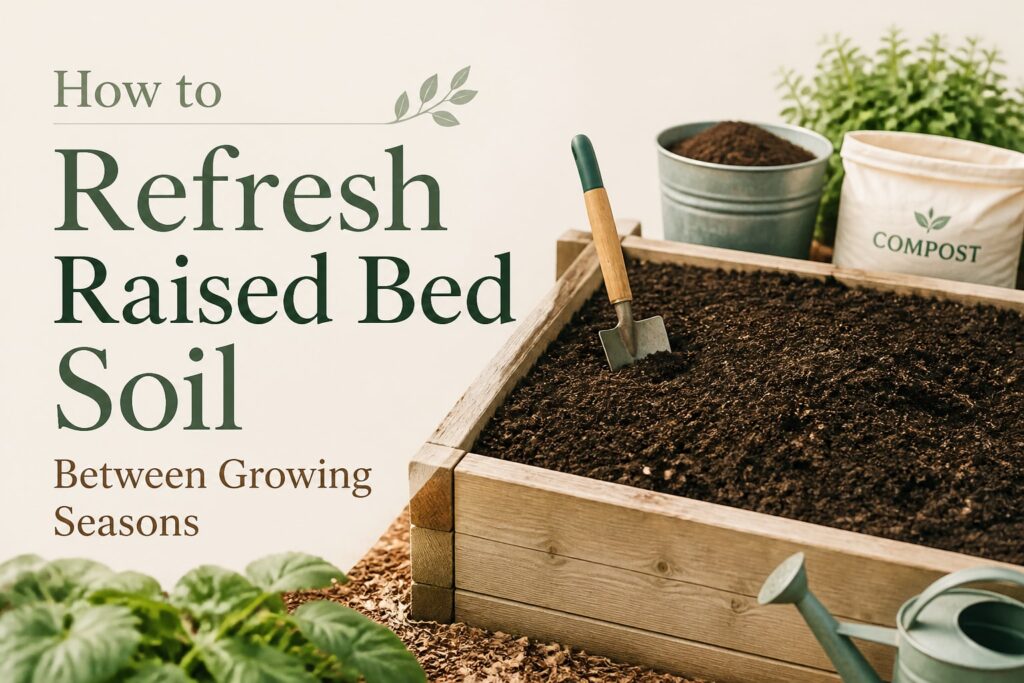
Raised bed soil doesn’t need to be replaced every year. Most of the time, it needs a careful check, a little organic matter, and a sensible nutrient boost. The goal is to keep the soil loose, fertile, and able to hold moisture without staying soggy.
That matters even more in a small backyard garden. A raised bed has limited soil volume, so repeated crops can pull nutrients out faster than an in-ground plot. Heavy rain can wash some nutrients away, too. And after a season of watering, harvesting, and foot traffic around the bed, the soil often settles.
Start by Checking What Changed
Look at the soil before adding anything
Begin with a hands-on inspection. Push a trowel into the bed and squeeze a handful of soil. Healthy raised bed soil should hold together lightly, then crumble when you tap it. It shouldn’t feel like modeling clay, and it shouldn’t fall apart like dry dust.
Look for these clues:
- Water pooling on the surface after irrigation
- A hard, crusted top layer
- Soil that has sunk several inches
- Soil that appears unusually pale, gray, or different from its normal color, especially when accompanied by poor plant growth
- Few visible soil organisms, while recognizing that their numbers vary with moisture, temperature, and soil conditions
Earthworms are a good sign, though their absence doesn’t automatically mean the bed is in trouble. Raised beds can have fewer worms than the ground nearby, especially when the bed is lined or built on a patio.
Use a soil test when the bed has a history
A basic soil test is useful when plants struggled, leaves showed unusual colors, or you’ve been adding fertilizer for several seasons. It can reveal pH and the main nutrients, including phosphorus and potassium. Many local extension offices offer affordable testing, and home kits can provide a rough reading.
Don’t add lime, sulfur, or a large amount of fertilizer based on a guess. That approach causes plenty of avoidable trouble. A soil test gives you a starting point, not a commandment carved in stone. Your crops, compost, and watering habits still matter.
Refresh the Bed With the Right Materials
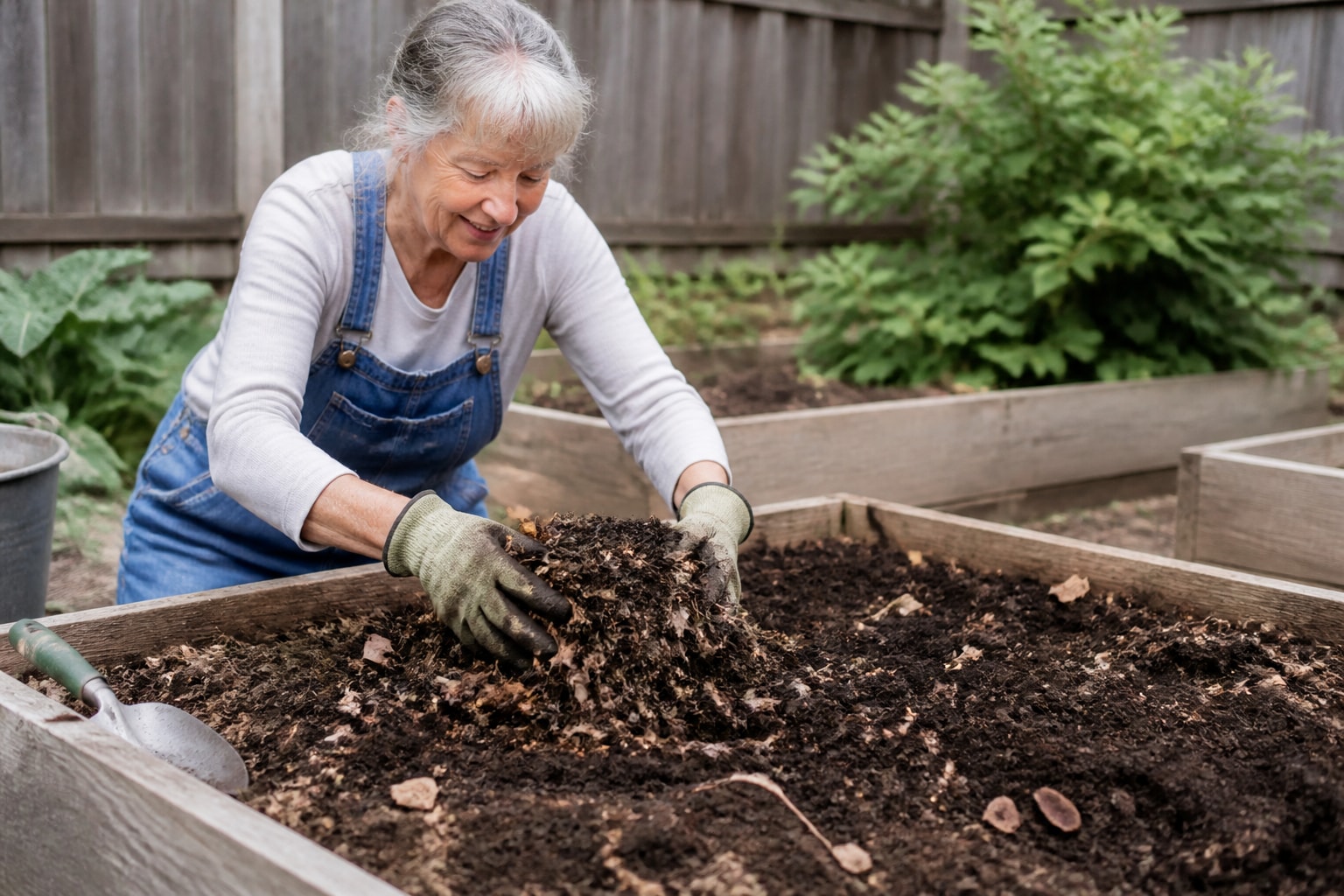
Remove debris, but leave useful roots
Pull out spent vegetable plants, weeds, and any fruit that has fallen onto the soil. Remove plants that showed signs of serious disease rather than putting them in a home compost pile. Tomato plants with recurring fungal problems are a common example.
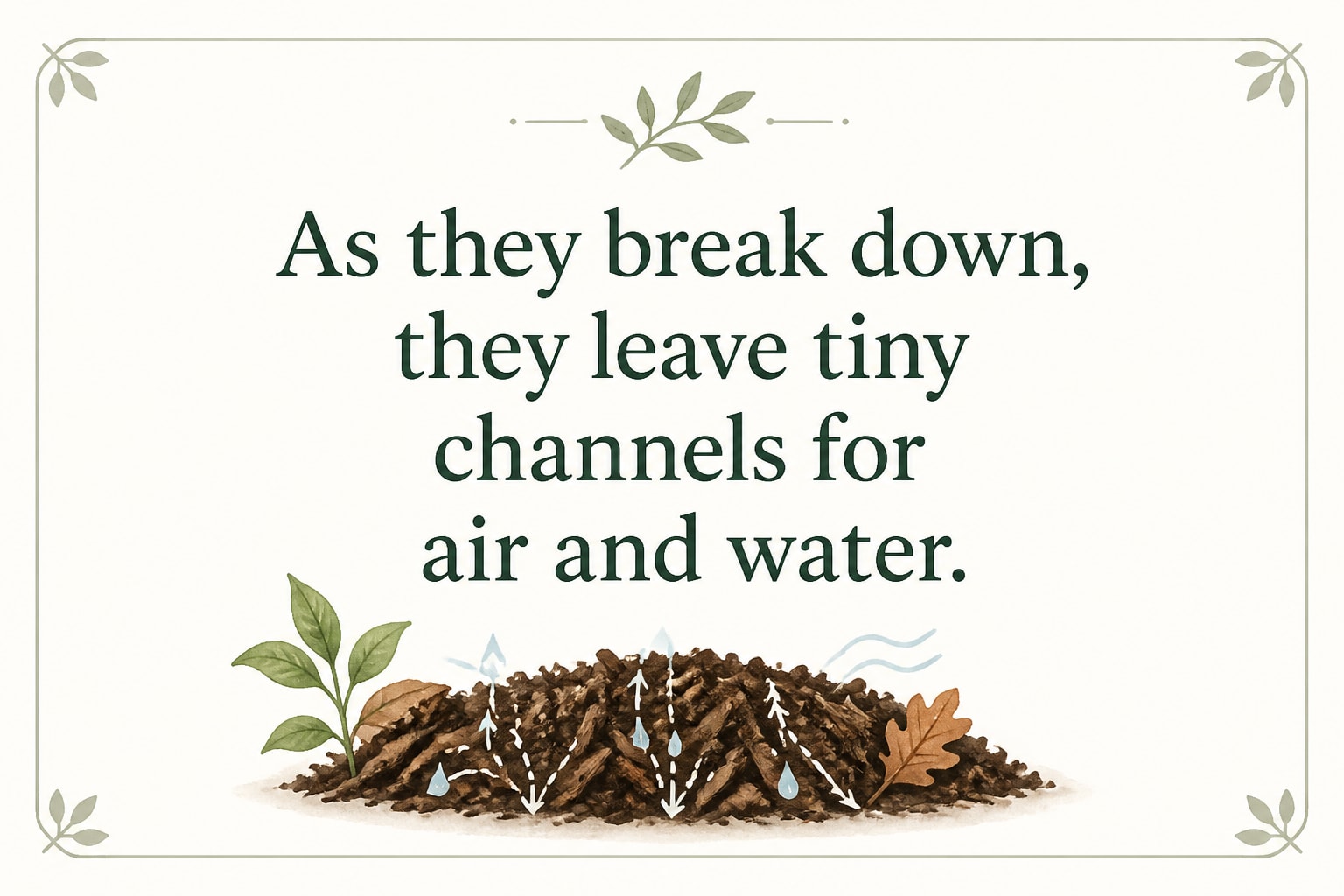
Small, healthy roots can stay in place. As they break down, they leave tiny channels for air and water. Thick stems and woody roots should come out because they decompose slowly and can get in the way of spring planting.
Add a shallow layer of finished compost
When additional organic matter is needed, spread approximately 1 inch of well-finished compost over the soil surface as a starting point. Beds with depleted soil may benefit from a somewhat thicker application, depending on their existing soil conditions and nutrient levels. Compost can be gently incorporated into the upper few inches during seasonal renovation or left on the surface to protect soil structure. Avoid unnecessary deep digging, which can disturb roots, soil organisms, and existing soil structure.
Finished compost should smell earthy, not sour or ammonia-like. It should be dark and crumbly, with few recognizable food scraps. Fresh manure requires special care because it may contain harmful pathogens, weed seeds, and concentrated nutrients that can damage plants. Properly composted manure is generally preferable for vegetable gardens. If raw manure is used, follow established food-safety guidelines for the interval between application and harvest, particularly for crops eaten raw or growing close to the soil.
Our Raised Bed Gardening Soil Guide: Compost, Fertilizer, and Soil Health covers compost quality, soil texture, and nutrient management in more detail.
Fix Compaction and Restore Moisture Balance
Loosen only where the soil needs it
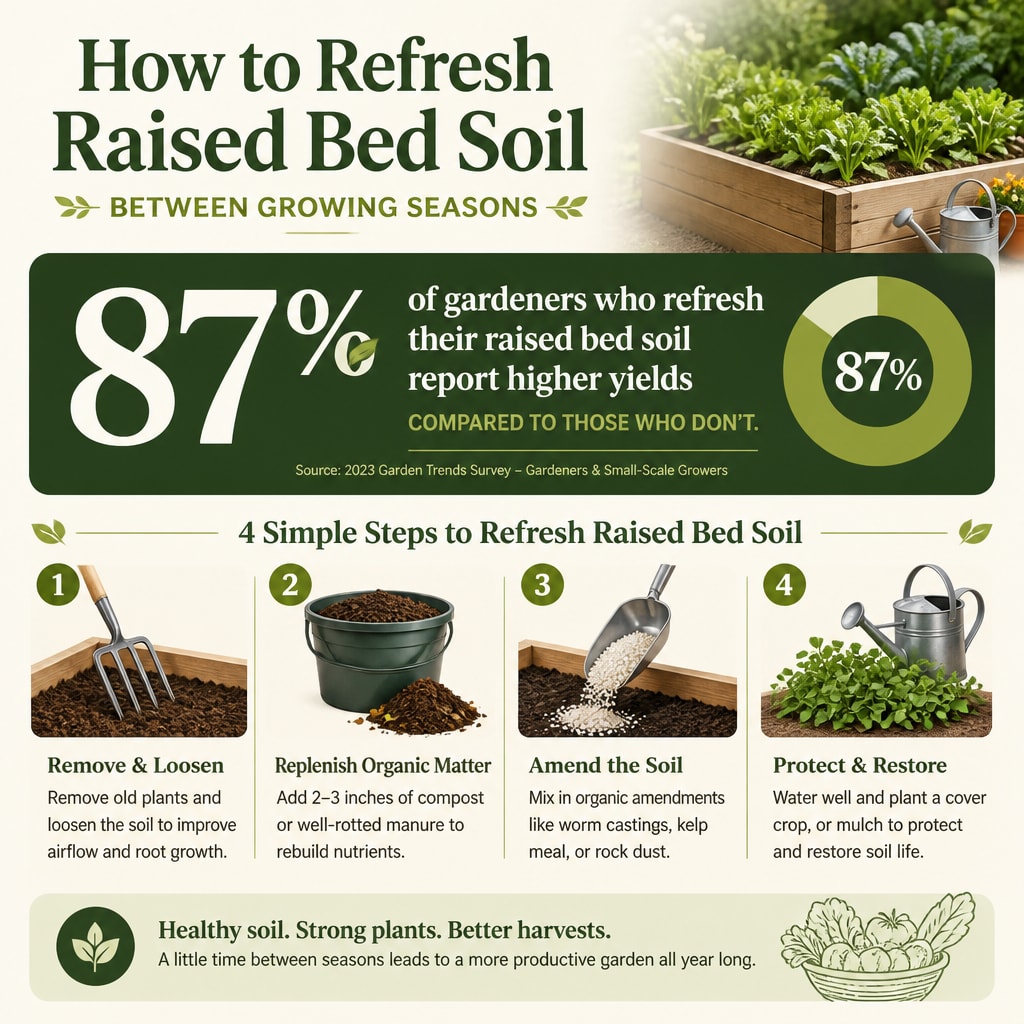
When the soil is compacted, use a broadfork or garden fork to loosen it without flipping the layers. Push the tool down, rock it back slightly, and lift just enough to open the soil. Work across the bed rather than repeatedly digging in one spot.
Raised beds are easier to maintain when nobody steps inside them. A simple plank placed across the frame can provide a stable reach point for planting and weeding. This small habit prevents a lot of compaction, especially for gardeners who have limited mobility or prefer not to kneel.
Deal with soil that dries too quickly
Fast-draining soil often needs more organic matter, not more frequent handfuls of fertilizer. Compost, shredded leaves that have partly decomposed, and well-aged leaf mold can improve moisture retention. Add them gradually. A bed overloaded with fine compost may become dense and hold too much water.
Coarse vermiculite or perlite can help in certain container-style beds, but it isn’t a universal fix. Perlite improves air space, while vermiculite holds more moisture. Neither replaces compost, and neither solves a bed that has poor drainage because it sits on compacted ground.
For a broader look at planning, filling, planting, and maintaining a productive bed, visit Raised Bed Gardening for Beginners: The Complete Step-by-Step Guide.
Refresh Nutrients Without Overfeeding
Match amendments to the next crop
Compost supplies a modest range of nutrients, but heavy-feeding crops may need more. Tomatoes, peppers, cucumbers, squash, and corn usually ask more from the soil than herbs or bush beans. A measured organic fertilizer can help, especially when a soil test shows a deficiency.
Read the fertilizer label and follow its rate. More is not better here. Excess nitrogen can produce huge leaves and disappointing fruit, while too much phosphorus can build up over time and interfere with nutrient availability.
Crop rotation can help reduce certain pest and disease problems, even in a small raised bed garden. When practical, avoid growing vegetables from the same plant family in the same location season after season. For example, follow tomatoes with crops from a different family, such as beans or leafy greens, or plant an appropriate cover crop. Rotation alone won’t eliminate soilborne diseases, but it can be one useful part of a broader soil management plan.
Protect the refreshed soil over winter
Bare soil is vulnerable to erosion, weeds, and temperature swings. Cover the bed with shredded leaves, straw, or a thin layer of compost. Avoid thick mats of wet leaves that block air and create a slimy surface.
Winter cover crops can protect soil from erosion, suppress weeds, and contribute organic matter. Oats, field peas, and certain clovers may be suitable choices, depending on the local climate and planting calendar. Select a cover crop that can be terminated before the next vegetable planting. Cut or otherwise terminate it before seed formation, then allow sufficient time for residue to decompose or settle before planting. Some cover crops may regrow after cutting and require additional management.
FAQs for How to Refresh Raised Bed Soil Between Growing Seasons
Do I need to replace all the soil in my raised bed?
Usually, no. Replacing all the soil is expensive, disruptive, and rarely necessary. Add finished compost, correct drainage problems, and address nutrient issues with a soil test. Full replacement may make sense when the bed contains contaminated fill, persistent chemical residues, or material that drains terribly despite repeated improvements.
Can I add compost and fertilizer at the same time?
You can, but use restraint. Compost already contributes nutrients, and adding a full fertilizer dose on top may be more than the bed needs. Check your soil test and the fertilizer label. In many home gardens, a layer of finished compost is enough between seasons, with fertilizer added later only for crops that need it.
Give the Soil a Simple Seasonal Reset
Refreshing raised bed soil is less about starting over and more about paying attention. Clear away unhealthy plant material, inspect the texture and drainage, add a modest layer of finished compost, and loosen compacted areas without aggressive digging. Then protect the surface until planting time.
That routine keeps costs down and makes spring work much easier.
🌱 FREE DOWNLOAD: Your First Raised Bed Garden
A Beginner-Friendly Guide to Getting Started
Thinking about growing your own vegetables in a raised bed? Start with a simple plan that helps you avoid costly mistakes and build a garden you can enjoy for years.
Our FREE Your First Raised Bed Garden guide provides practical, beginner-friendly information to help you:
- Choose a suitable location with enough sunlight.
- Plan the size and layout of your raised garden bed.
- Understand the basics of preparing healthy garden soil.
- Select vegetables that are appropriate for beginners.
- Get started with planting, watering, and caring for your garden.
You don’t need a huge backyard, expensive equipment, or years of gardening experience to get started!
Get Your FREE Raised Bed Gardening Guide
Free PDF guide from Backyard Living Books.
📗 Ready to Grow Your Own Fresh Vegetables?
Creating a productive raised bed garden takes thoughtful planning, healthy soil, and a little know-how.
Take the guesswork out of raised bed gardening!
Raised Bed Gardening Made Easy: Plans, Soil Mixes, Planting Secrets, and Beginner-Friendly Harvests is a practical guide designed to help you:
- Plan and build raised garden beds that fit your space.
- Choose materials and prepare the right soil mix.
- Select and plant vegetables for productive harvests.
- Understand watering, fertilizing, and routine garden maintenance.
- Avoid common mistakes that can waste time and money.
Whether you’re planting your first garden or looking to improve an existing one, this book will help you garden with greater confidence.
Explore Raised Bed Gardening Made Easy
🌿 Want More FREE Raised Bed Gardening Tips?
Visit our Gardening Learning Center for helpful articles, practical advice, and beginner-friendly resources covering everything from soil preparation and vegetable planting to watering, pest prevention, and seasonal gardening.
Explore the Gardening Learning Center
Part of the Backyard Living Series: Build • Grow • Raise • Thrive.