Backyard Learning Center
Learn practical backyard skills one project at a time through beginner-friendly articles, seasonal tips, and step-by-step guides that help you build, grow, raise, and thrive.
How to Become More Self-Sufficient Without Going Off the Grid
When people hear the words self-sufficient, it’s easy to picture a cabin in the mountains.
Solar panels on the roof.
A woodstove.
A hand pump beside the garden.
No utility bills.
No grocery store.
Possibly a suspicious number of mason jars.
But becoming more self-sufficient doesn’t require disappearing into the wilderness or disconnecting from modern life.
You can have electricity, running water, internet, grocery delivery, and a perfectly good relationship with your local hardware store while still becoming far less dependent on outside systems for everyday needs.
Self-sufficiency doesn’t have to mean doing everything yourself.
It can simply mean learning to do more for yourself.
Start With Food
Food is one of the easiest places to begin because you don’t have to produce everything you eat.
Start by replacing a few things you currently buy.
Grow tomatoes.
Plant herbs.
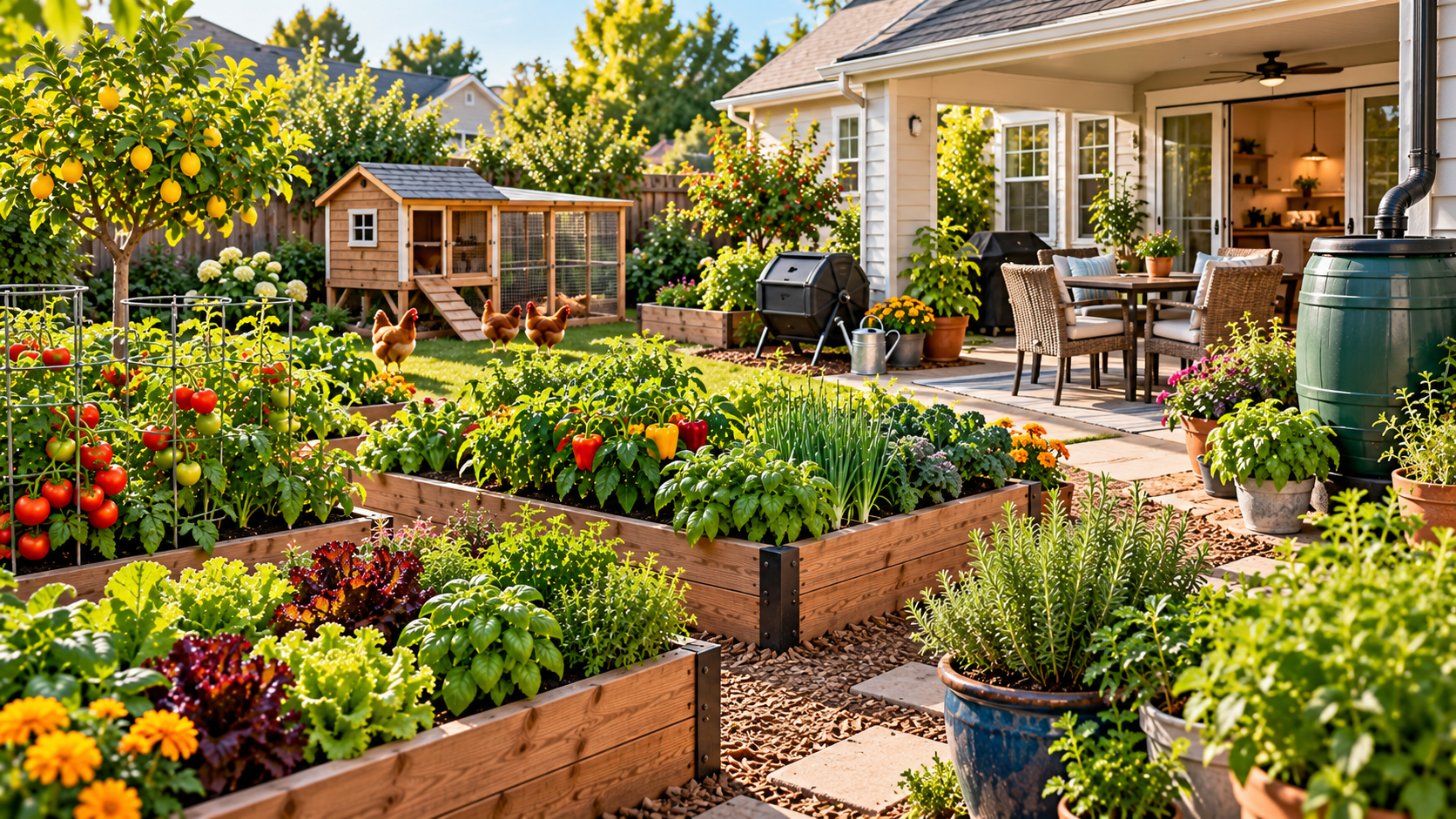
Add a raised bed.
Grow strawberries in containers.
Plant a dwarf fruit tree.
If local regulations allow it, keep a few chickens or quail for eggs.
Every food you produce at home is one less thing you need to purchase.
That doesn’t make you completely food independent.
It makes you more capable than you were before.
And that’s the goal.
Grow the Expensive Stuff First
If you’re working with limited space, don’t automatically try to grow staple foods.
Think about what costs the most at the grocery store compared with the amount of space required to grow it.
Fresh herbs are a perfect example.
A small herb garden can produce basil, rosemary, thyme, parsley, chives, and other herbs that can be relatively expensive when purchased in small packages.
Berries can also provide good value.
So can tomatoes, peppers, salad greens, and certain fruits.
Use your available growing space where it saves you the most money or provides food you particularly enjoy.
You don’t have to grow wheat because you eat bread.
Somebody else can keep that job.
Learn to Preserve Food
Growing food is useful.
Knowing how to keep it for later makes it considerably more useful.
Suppose tomatoes are abundant in your garden during summer.
You eat some fresh.
Then more ripen.
Then more.
Eventually, every flat surface in the kitchen has a tomato on it.
Preservation lets you extend that harvest.
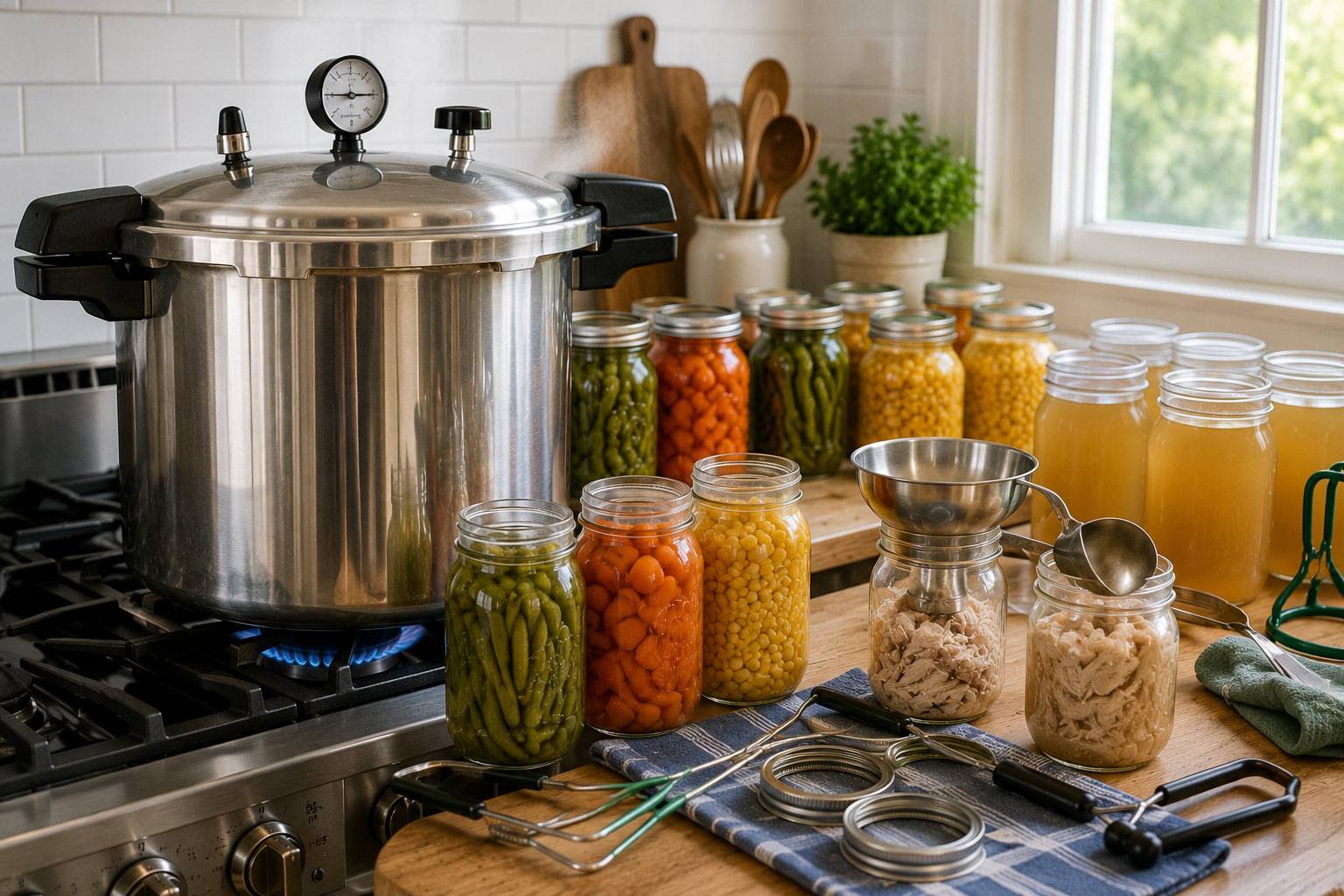
Depending on the food and an appropriate tested method, you might learn to:
- Freeze
- Dehydrate
- Pickle
- Ferment
- Water-bath can
- Pressure can
You can also preserve food you didn’t grow.
If a local farm has peaches at an excellent price, buy extra and preserve them.
Self-sufficiency doesn’t require owning the peach tree.
It includes knowing what to do when you have 30 pounds of peaches.
Learn to Cook From Basic Ingredients
This is one of the most practical self-sufficiency skills you can develop.
The more meals you can prepare from basic ingredients, the less dependent you become on prepared foods and restaurants.
You don’t need to become a gourmet cook.
Learn how to make foods your household regularly eats.
Bread.
Soup.
Sauces.
Salad dressings.
Simple meals from vegetables, grains, meat, eggs, and pantry staples.
Then learn what ingredients you should routinely keep on hand.
A well-managed pantry turns:
“There’s nothing to eat.”
into:
“Give me twenty minutes.”
That’s a useful form of independence.
Build a Working Pantry
A self-sufficient household doesn’t necessarily need years of emergency food stored in the basement.
A practical pantry can simply contain enough food to carry your household through interruptions, bad weather, unexpected expenses, or a week when nobody wants to go shopping.
Build it gradually.
When something you regularly use goes on sale, buy an extra one or two.
Rotate your supplies.
Use the oldest items first.
Replace what you consume.
Over time, you can build a pantry containing foods your family actually eats.
That’s considerably more useful than owning 48 cans of something nobody likes because they were inexpensive.

Compost Household Scraps
Composting turns materials you’re already producing into something useful.
Fruit and vegetable scraps, leaves, grass clippings, and other appropriate materials can become compost for your garden.
That can reduce household waste while providing organic matter for your growing areas.
It’s a simple example of making the household more efficient.
Instead of:
Buy food → eat food → throw scraps away
you begin creating:
Grow or buy food → eat food → compost appropriate scraps → use compost to help grow more food
That’s a small system.
But small systems add up.
Learn Basic Repairs

Self-sufficiency isn’t only about food.
Knowing how to fix simple problems can save money and reduce your dependence on someone else every time something breaks.
Learn basic tasks such as:
Replacing a faucet washer.
Repairing a garden hose.
Fixing a loose cabinet hinge.
Patching a small hole.
Maintaining garden tools.
Replacing weather stripping.
Repairing simple fencing.
You don’t need to become an electrician, plumber, mechanic, carpenter, and appliance technician.
Some jobs absolutely belong to professionals.
The goal is knowing the difference between:
“I can handle this.”
and
“I should call someone who knows what they’re doing.”
Both are valuable skills.
Learn to Maintain What You Own
Maintenance may be less exciting than buying new equipment, but it’s one of the foundations of self-sufficiency.
Sharpen tools.
Clean equipment.
Check hoses.
Maintain garden structures.
Service machinery according to manufacturer recommendations.
Store tools properly.
Take care of what you already own.
A shovel that lasts twenty years is considerably cheaper than repeatedly replacing neglected shovels.
The same principle applies throughout the household.
Reduce Waste Before Trying to Produce More
Sometimes self-sufficiency isn’t about producing another thing.
It’s about wasting less of what you already have.
Use leftovers.
Freeze excess food.
Repair items when practical.
Compost appropriate scraps.
Use rainwater where legal, practical, and suitable for the intended purpose.
Reduce unnecessary energy use.
Plan meals around food already in the house.
A household that wastes less needs less.
That’s a powerful equation.
Produce Some of Your Own Energy If It Makes Sense
You don’t have to disconnect from the electric grid to become less dependent on it.
Depending on your property, budget, climate, and local regulations, solar panels or other energy improvements may reduce the amount of electricity you purchase.
But start with efficiency.
Insulation, efficient appliances, LED lighting, sensible thermostat settings, weather sealing, and other improvements may reduce energy use without changing how you live very much.
The cheapest energy is often the energy you don’t need to use.
Become Smarter About Water
Water is another area where small improvements matter.
You might:
Install efficient irrigation.
Use mulch to reduce evaporation.
Repair leaks promptly.
Collect rainwater where permitted.
Choose plants appropriate for your climate.
Water gardens according to actual need rather than habit.
You don’t have to drill a well and install a hand pump.
Simply using water more thoughtfully makes your household more resilient.
Learn to Grow From Seed
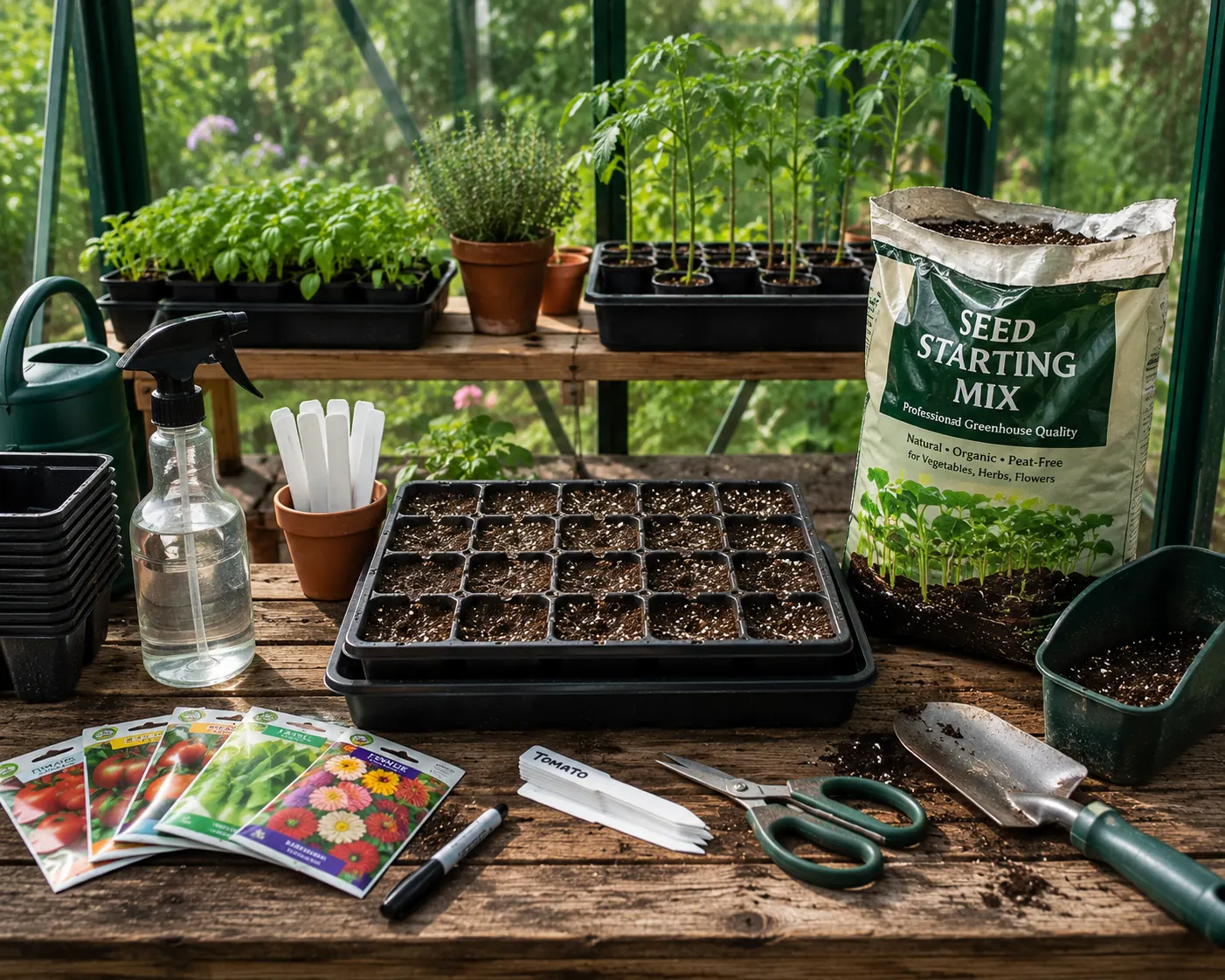
Buying garden transplants is convenient.
Knowing how to start your own plants from seed gives you another option.
Seed starting can reduce costs, increase the number of varieties available to you, and let you control when plants are started.
Once you become comfortable with it, you may also learn to save seed from appropriate open-pollinated plants.
Now one gardening season can help prepare you for another.
A tiny envelope of seeds doesn’t look particularly impressive.
Then spring arrives.
Build Relationships With Local Producers
This may sound like the opposite of self-sufficiency.
It isn’t.
You don’t have to personally produce everything your household needs.
Knowing local farmers, beekeepers, nurseries, growers, repair professionals, and other producers can make your household more resilient.
Maybe you grow vegetables but don’t raise livestock.
A nearby farmer sells meat.
You don’t keep bees.
A local beekeeper sells honey.
You don’t have enough room for fruit trees.
A nearby orchard sells peaches by the box.
Being connected to local resources can be just as valuable as owning every piece of equipment yourself.
Learn One New Skill at a Time

You don’t need to become a gardener, carpenter, baker, mechanic, beekeeper, food preserver, and chicken keeper by next Tuesday.
Pick one useful skill.
Learn it.
Use it.
Then choose another.
Over several years, something interesting happens.
You know how to grow vegetables.
You know how to preserve food.
You know how to compost.
You can handle basic repairs.
You understand fruit trees.
You maintain a useful pantry.
You know how to raise chickens.
None of those skills seemed revolutionary by itself.
Together, they create a household that’s considerably more capable.
Keep the Conveniences You Actually Want
There’s no prize for making life unnecessarily difficult.
If you enjoy your dishwasher, keep the dishwasher.
If you like air conditioning, use it.
If you want groceries delivered occasionally, have them delivered.
If you would rather buy bread than bake it, buy bread.
Self-sufficiency isn’t a contest to determine who can eliminate the most modern conveniences.
Choose the areas where greater independence matters to you.
That’s what makes the lifestyle sustainable.
Have Backup Plans
Self-sufficiency is also about being prepared when normal routines don’t work.
What happens if the power goes out?
What if water service is interrupted?
What if a storm prevents you from getting to the grocery store?
What if an unexpected expense hits the household budget?
You don’t need a bunker.
A reasonable supply of food, drinking water, medications, flashlights, batteries, basic tools, and other household necessities can make short-term disruptions much easier to manage.
Preparation isn’t about expecting disaster.
It’s about making ordinary disruptions less disruptive.
Measure Progress Differently
Don’t ask:
“Could I survive without buying anything?”
That’s an enormous standard and unnecessary for most people.
Ask:
“What can I do today that I couldn’t do a year ago?”
Maybe you can grow tomatoes.
Preserve green beans.
Bake bread.
Repair a fence.
Start seedlings.
Raise chickens.
Make compost.
Prune a fruit tree.
Prepare meals from your pantry.
Those skills represent real progress.
You Don't Have to Leave Modern Life Behind
Self-sufficiency doesn’t require giving up electricity, internet, supermarkets, restaurants, or Amazon deliveries.
It doesn’t require moving to 50 acres.
And it certainly doesn’t require making your own shoes.
It means becoming more capable of meeting some of your household’s needs yourself.
Grow a little more.
Waste a little less.
Preserve what you can.
Learn practical skills.
Maintain what you own.
Keep useful supplies on hand.
Build relationships with people producing things you can’t.
Then keep adding skills that make sense for your household.
You can stay connected to the grid.
You can stay connected to your community.
You can keep every modern convenience you value.
The goal isn’t to need nobody. It’s to discover how much more you can do for yourself. 🌱🏡🥫🔨
Ready to Start Homesteading with Confidence?
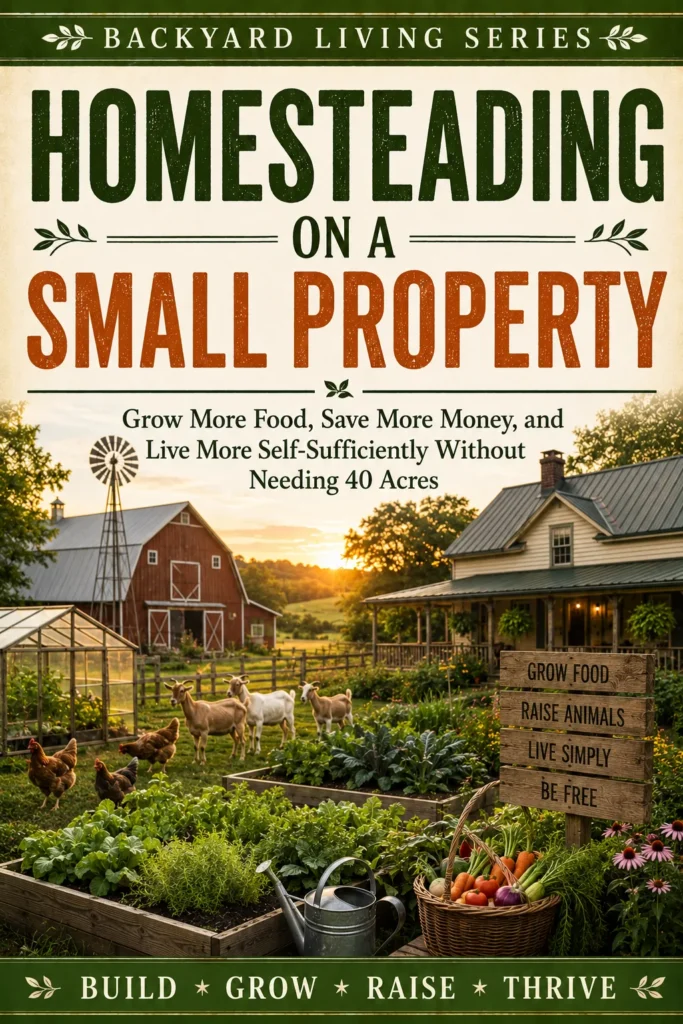
Homesteading on a Small Property expands on each of these topics with clear, step-by-step guidance designed specifically for beginners. From avoiding common homesteading mistakes and growing more food in a small backyard to becoming more self-sufficient, this book shows you how to make the most of the space you have. You’ll discover how to plan your homestead, choose the right animals for your property, grow fresh vegetables and fruit, and develop practical skills that help you rely less on outside resources. You’ll also learn how to turn even a ¼-acre lot into a productive, rewarding homestead without feeling overwhelmed or spending a fortune. Whether you have a suburban backyard or a small piece of land, you’ll discover that successful homesteading isn’t about how much property you own. It’s about making the most of what you have. 🏡🌱
More Homesteading Articles
If you found this article helpful, these beginner guides are a great next step:
Get Your FREE Backyard Starter Toolkit
Download our free Backyard Starter Toolkit, packed with printable planners, checklists, and beginner resources to help you build, grow, raise, and thrive.
About the Author
Steve McChesney is the founder of Backyard Living Books and has spent decades guiding homeowners to build, grow, raise, and preserve more from their own backyards. Through practical, beginner-friendly guides, he encourages people to tackle one backyard project at a time and enjoy the satisfaction that comes with learning new skills.