Backyard Learning Center
Learn practical backyard skills one project at a time through beginner-friendly articles, seasonal tips, and step-by-step guides that help you build, grow, raise, and thrive.
How to Start Homesteading When You Don’t Have a Lot of Land
Mention homesteading and people often picture the same thing.
Twenty acres.
A farmhouse.
A barn.
Chickens wandering across the yard.
A vegetable garden large enough to require its own ZIP code.
It’s a wonderful picture.
It’s also completely unnecessary.
You can begin homesteading on a small suburban property, a quarter-acre lot, a townhouse patio, or even a rental.
Because homesteading isn’t really about how much land you own.
It’s about what you learn to do with the space and resources you already have.
And you can start much smaller than you might think.
Start With What Homesteading Means to You
Before buying raised beds, chickens, fruit trees, canning equipment, and enough seeds to supply a small farming community, ask yourself one question:
Why do I want to homestead?
Maybe you want to:
- Grow more of your own food
- Become less dependent on grocery stores
- Raise chickens or quail
- Preserve seasonal produce
- Compost household scraps
- Learn practical skills
- Reduce household waste
- Produce some of what your family consumes
Your answer matters because you don’t have to do everything.
Someone growing herbs, tomatoes, and peppers while composting kitchen scraps is already practicing homesteading skills.
So is someone keeping six quail and preserving vegetables purchased from a local farm.
Homesteading doesn’t require passing an entrance exam.
Don't Measure Your Homestead in Acres
Small properties can be surprisingly productive.
The trick is to stop thinking only about square footage and start thinking about how efficiently that space can be used.
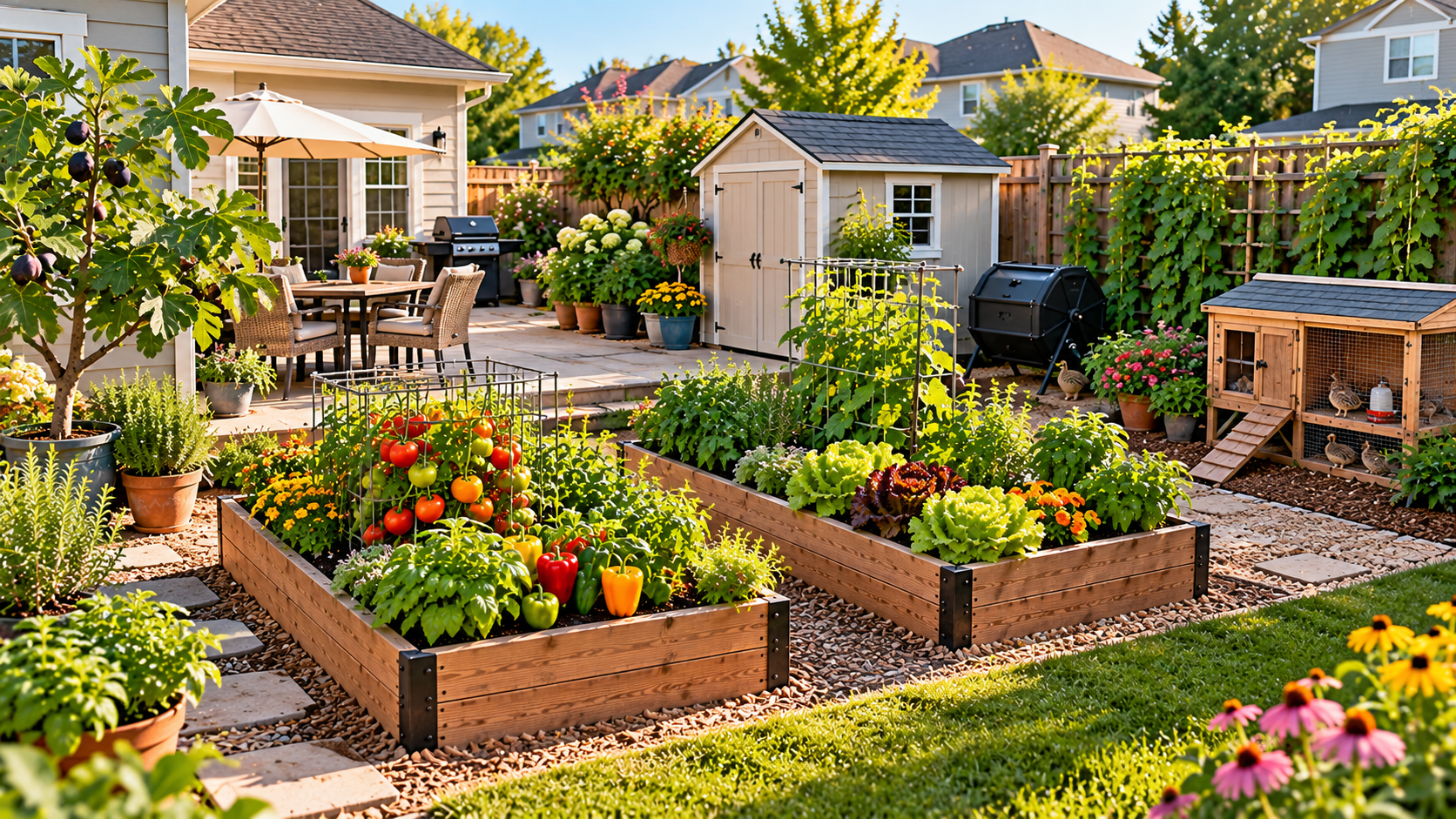
A sunny backyard might support raised beds.
A narrow side yard might hold berry plants.
A patio might accommodate containers.
A fence can support climbing vegetables.
A corner of the yard might hold a compost bin.
A small enclosure might house quail.
One dwarf fruit tree can produce fruit without occupying half the property.
Suddenly, that “small” yard starts looking considerably larger.
Begin With a Garden
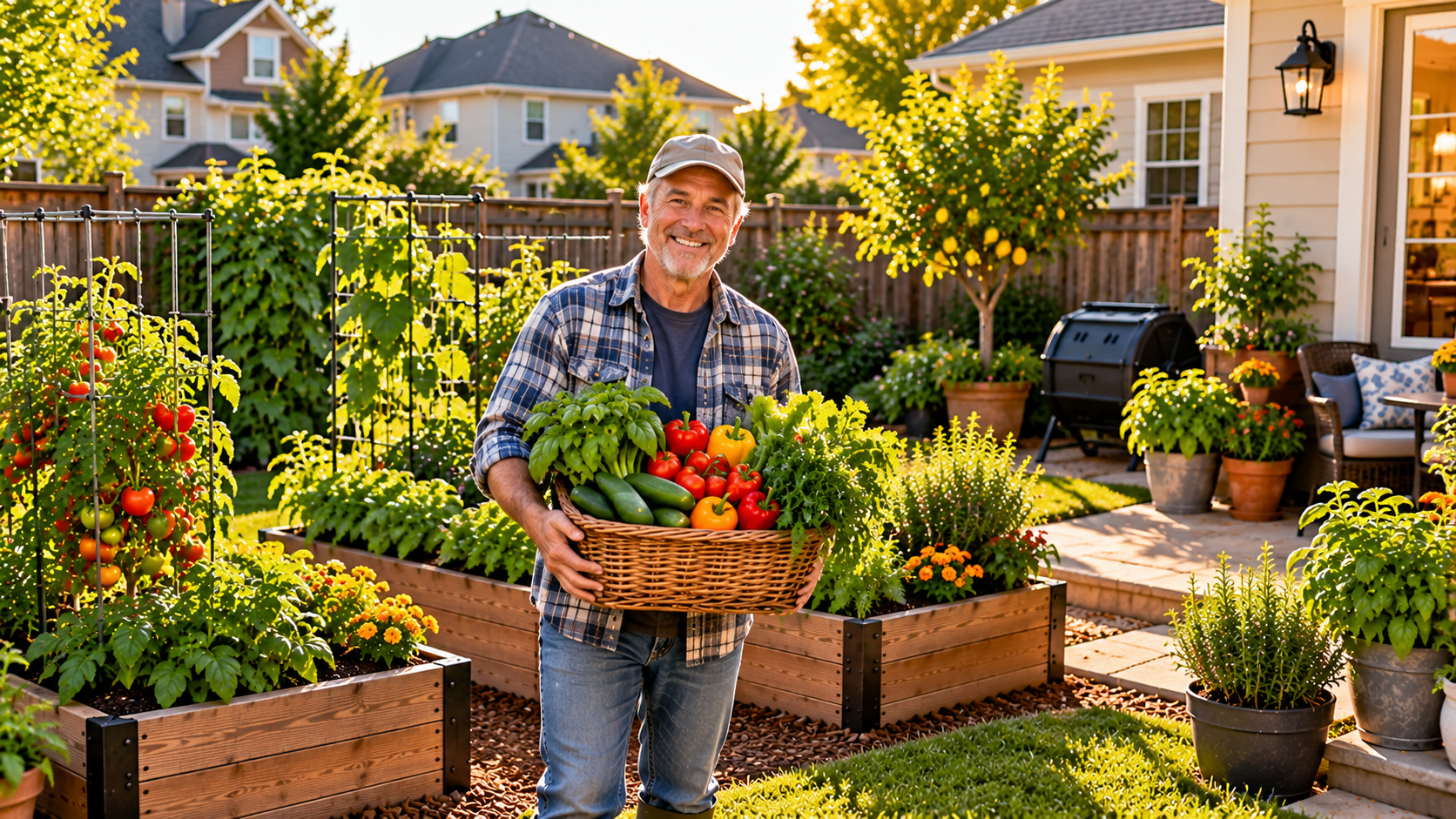
For many people, growing food is the simplest entry into homesteading.
You don’t need a huge traditional garden.
Start with the foods your family actually eats.
Good beginner crops might include:
- Tomatoes
- Peppers
- Lettuce
- Green beans
- Cucumbers
- Herbs
- Radishes
- Zucchini
Your climate and growing season will determine what works best where you live.
Start with a manageable amount.
Four healthy tomato plants that you maintain properly are considerably more useful than 24 neglected ones slowly taking control of the backyard.
Raised Beds Can Make Small Spaces Productive
Raised beds are especially useful on smaller properties because they give you a defined growing area.
They can make it easier to manage:
- Soil quality
- Drainage
- Weeds
- Plant spacing
- Irrigation
They also encourage you to think carefully about every inch of planting space.
Instead of planting long rows with large walkways between them, you can arrange crops more efficiently.
A few well-managed raised beds can produce an impressive amount of food.
Grow Up, Not Just Out
When ground space is limited, use vertical space.
Trellises, fences, cages, and supports can help you grow crops upward.
Depending on the plant, vertical growing can work well for:
- Pole beans
- Cucumbers
- Peas
- Indeterminate tomatoes
- Some squash and melons
Vertical growing can also make harvesting easier and free valuable garden space for other crops.
Your property line may stop horizontally.
Fortunately, the sky hasn’t filed a zoning complaint.
Containers Count
Don’t dismiss container gardening.
Pots, grow bags, tubs, and other suitable containers can turn patios, decks, driveways, and small sunny areas into productive growing spaces.
You can grow:
- Herbs
- Peppers
- Tomatoes
- Strawberries
- Lettuce
- Potatoes
- Dwarf fruit trees
Containers are particularly useful for renters because many can move with you.
You aren’t necessarily building a permanent garden.
You’re building a portable one.

Add Fruit Without Planting an Orchard
Fruit trees sound as though they require lots of land.
They don’t have to.
Dwarf and semi-dwarf fruit trees make it possible to grow fruit in much smaller spaces.
Depending on your climate, you might consider:
- Apples
- Peaches
- Figs
- Plums
- Pears
- Citrus
Some dwarf fruit trees can even grow in large containers.
Berry plants are another excellent small-property option.
Blueberries, blackberries, raspberries, and strawberries can produce substantial harvests without requiring an orchard.
Just check the growing requirements for your climate before planting.
Consider Small Livestock

If local regulations allow it, you may be able to raise animals without owning acres of property.
Chickens are the obvious example.
But quail can require considerably less space.
Depending on your property, regulations, and goals, small-scale homesteaders may consider:
Chickens for eggs
Quail for eggs or meat
Rabbits where appropriate and permitted
Bees for honey and pollination
Animals increase responsibility, however.
Unlike zucchini, livestock expects breakfast every morning.
Before adding any animal, consider housing, feed, water, sanitation, predators, veterinary needs, neighbors, and local rules.
Start with the infrastructure.
Then bring home the animals.
Start Composting
Composting may be one of the simplest homesteading practices you can add to a small property.
Kitchen scraps and yard materials that previously went into the trash can become compost for your garden.
You don’t need an enormous compost pile.
Small-space options include:
- Compact compost bins
- Tumblers
- Worm bins
- Small enclosed systems
Compost then goes back into your garden and raised beds.
Food scraps help produce compost.
Compost helps grow food.
The garden produces more scraps.
Now you’ve got a useful little backyard cycle going.
Learn Food Preservation
Here’s where homesteading can expand without using another square foot of land.
You don’t have to grow everything you preserve.
Maybe strawberries are inexpensive at a local farm.
Buy extra and make jam.
Tomatoes are abundant at the farmers market?
Turn some into sauce using a tested preservation method.
Depending on the food, preservation methods can include:
- Freezing
- Dehydrating
- Water-bath canning
- Pressure canning
- Fermenting
- Pickling
Food preservation allows you to take advantage of seasonal abundance, whether it came from your backyard or someone else’s farm.
Follow current tested food-safety procedures for the preservation method and food you’re using.
Think Beyond Food Production
Homesteading isn’t only about growing vegetables and raising animals.
It’s also about practical skills.
You might learn to:
Repair a garden fence.
Build a raised bed.
Maintain tools.
Bake bread.
Make simple household products.
Collect seeds where appropriate.
Preserve food.
Start seedlings.
Compost.
Prune fruit trees.
Repair irrigation.
None of those skills requires additional land.
The homestead grows because your abilities grow, not because your property gets bigger.
Don't Try to Do Everything the First Year
This may be the most important advice for a beginning homesteader.
It’s incredibly easy to get excited.
You plant six raised beds.
Order fruit trees.
Build a chicken coop.
Buy an incubator.
Start composting.
Purchase canning equipment.
Order 47 seed varieties.
And sometime around July, you discover you’ve accidentally given yourself a second full-time job.
Start with one or two projects.
Learn them.
Then add another.
A reasonable first year might include:
One or two raised beds
A small compost system
That’s enough.
The following year you might add fruit trees.
Later, perhaps chickens or quail.
Your homestead doesn’t have to appear overnight.
Use the Space You Have Before Looking for More
Before deciding your property is too small, walk around it.
Look at every sunny area.
Could a raised bed go there?
Could berries grow along that fence?
Could herbs grow beside the kitchen door?
Could a dwarf fruit tree fit in that corner?
Could cucumbers climb that trellis?
Could a compost tumbler sit beside the shed?
Could containers occupy part of the patio?
You may discover that your biggest limitation isn’t acreage.
It’s planning.
Check the Rules Before Adding Animals or Structures
Small-property homesteading often happens in neighborhoods.
That means regulations matter.
Before building or buying anything significant, check:
- Local zoning
- Animal ordinances
- HOA rules
- Structure setbacks
- Fencing requirements
- Limits on livestock
- Rules regarding roosters
- Beekeeping requirements
Finding out beforehand isn’t nearly as exciting as bringing home chickens.
It’s considerably more pleasant than being told afterward that the chickens have to leave.
Build Your Homestead Around Your Life
Your homestead should make your life better, not consume every available hour.
If you travel frequently, design systems that can be maintained while you’re away.
If you don’t enjoy canning, freeze or dehydrate appropriate foods instead.
If you don’t want livestock, don’t raise livestock.
If your family hates zucchini, please don’t plant eight zucchini plants.
Homesteading isn’t a checklist of things you’re required to do.
Choose the parts that make sense for your household, property, time, and goals.
Your First Small Homestead Could Be Very Simple

Imagine this:
Two raised beds grow tomatoes, peppers, lettuce, herbs, and cucumbers.
A trellis carries beans upward along a fence.
A dwarf fig tree grows near the patio.
A compost tumbler handles some of the kitchen scraps.
A small quail hutch provides eggs.
A shelf inside the house holds jars of food preserved during the growing season.
That’s a homestead.
No tractor.
No barn.
No forty acres.
Not even a pair of overalls required.
Start Where You Are
It’s easy to postpone homesteading because you’re waiting for the right property.
Someday you’ll have more land.
Someday you’ll have a bigger garden.
Someday you’ll have room for fruit trees.
Someday you’ll build the chicken coop.
But you can learn an enormous amount before someday arrives.
Grow something.
Compost something.
Preserve something.
Build something.
Learn something.
Then add another skill.
Because homesteading doesn’t begin when you finally own enough land.
It begins the moment you decide to do more with the land, space, and resources you already have. 🌱🏡🥕
Ready to Start Homesteading with Confidence?
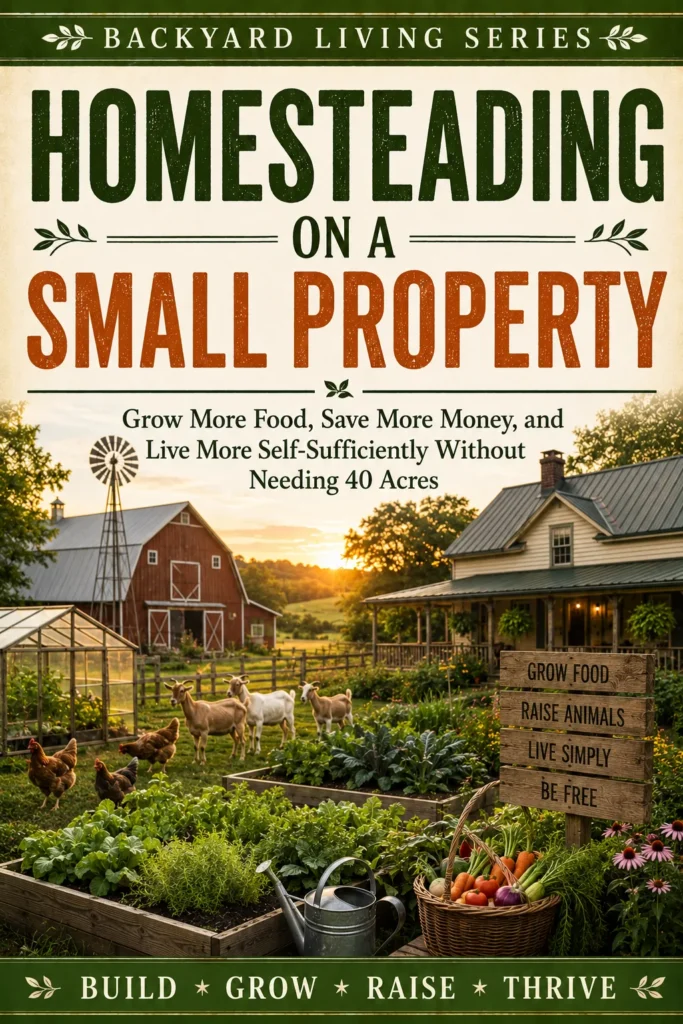
Homesteading on a Small Property expands on each of these topics with clear, step-by-step guidance designed specifically for beginners. From avoiding common homesteading mistakes and growing more food in a small backyard to becoming more self-sufficient, this book shows you how to make the most of the space you have. You’ll discover how to plan your homestead, choose the right animals for your property, grow fresh vegetables and fruit, and develop practical skills that help you rely less on outside resources. You’ll also learn how to turn even a ¼-acre lot into a productive, rewarding homestead without feeling overwhelmed or spending a fortune. Whether you have a suburban backyard or a small piece of land, you’ll discover that successful homesteading isn’t about how much property you own. It’s about making the most of what you have. 🏡🌱
More Homesteading Articles
If you found this article helpful, these beginner guides are a great next step:
Get Your FREE Backyard Starter Toolkit
Download our free Backyard Starter Toolkit, packed with printable planners, checklists, and beginner resources to help you build, grow, raise, and thrive.
About the Author
Steve McChesney is the founder of Backyard Living Books and has spent decades guiding homeowners to build, grow, raise, and preserve more from their own backyards. Through practical, beginner-friendly guides, he encourages people to tackle one backyard project at a time and enjoy the satisfaction that comes with learning new skills.