

Wilting in a raised bed usually means your plants are losing water faster than their roots can replace it. But that doesn’t always mean the soil is dry. Overwatering, compacted soil, root damage, heat, pests, and disease can all produce that same droopy look.
Look closely before reaching for the hose. A quick diagnosis saves your plants and keeps you from creating a second problem. We recommend checking the soil, the stems, and the leaves first. The pattern often tells you what’s going on.
Start by figuring out what kind of wilt you see
Temporary afternoon wilt
Many vegetables wilt a little during a hot afternoon and recover by evening. Tomato and squash plants are especially dramatic about this. Their large leaves lose moisture quickly in bright sun.
Push a finger about two inches into the soil near the plant, not right against the stem. The soil should feel cool and slightly damp. If the leaves perk up as temperatures drop, the plant may simply be struggling with heat rather than suffering from a serious problem.
Persistent wilt needs attention
Wilt that continues into the morning deserves a closer look. Check whether the soil is dusty and pulling away from the bed wall. Also look for yellow lower leaves, mushy stems, chewed foliage, or a sour smell from the soil.
If wilting persists despite appropriate soil moisture, examining the root system may help identify the problem. Healthy roots are generally firm, although their natural color varies by plant species. Soft, mushy, or badly damaged roots may indicate root rot, disease, or prolonged exposure to saturated soil. Inspect roots carefully and avoid disturbing healthy plants unnecessarily.
For a broader look at bed setup, planting, and seasonal care, see Raised Bed Gardening for Beginners: The Complete Step-by-Step Guide. A bed that was filled or positioned poorly can create watering trouble long before the first wilt appears.
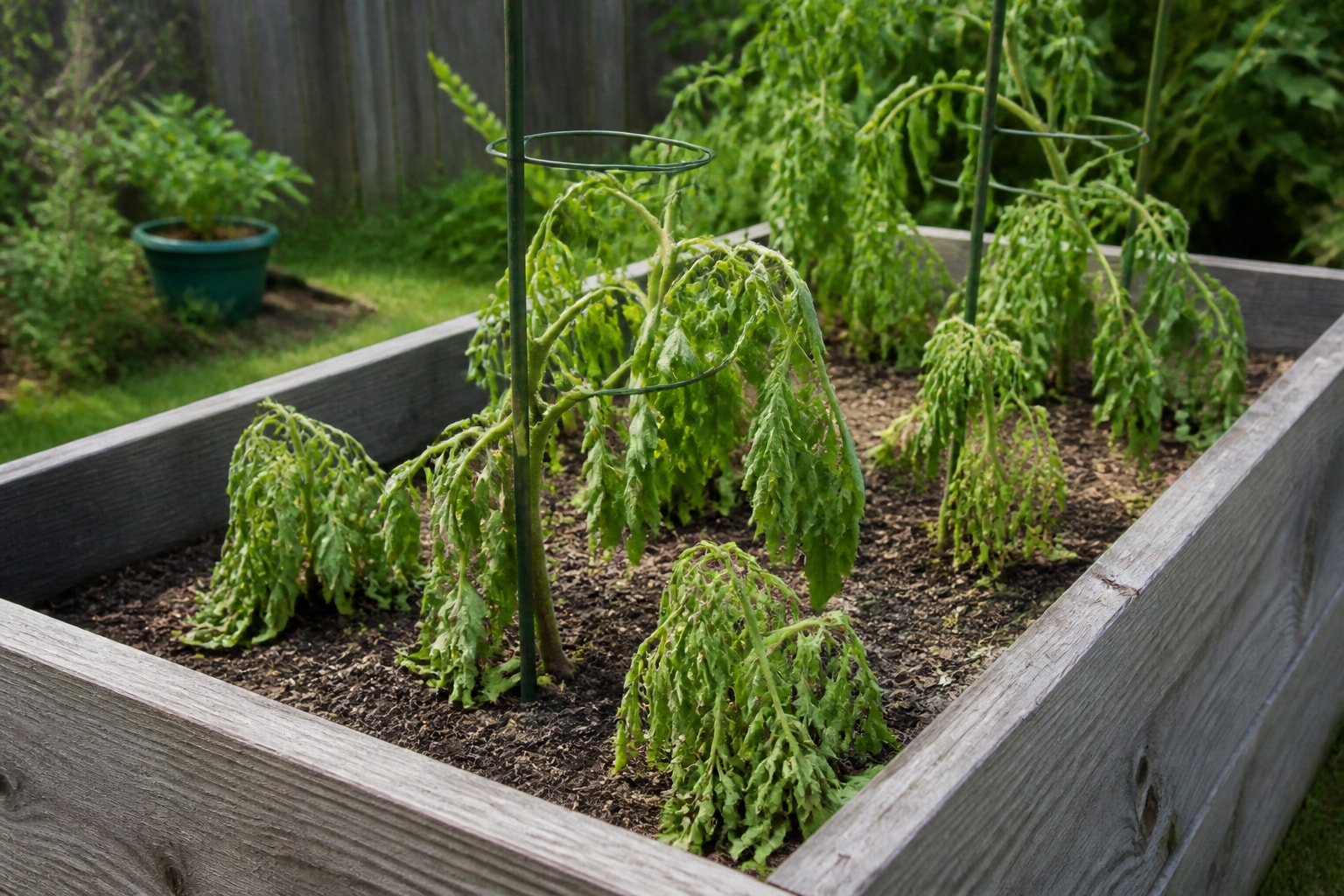
Watering mistakes are the most common cause
Dry soil below a damp surface
New gardeners often water the top inch and stop. Raised beds can dry out deeper down, especially when the soil contains a lot of compost or light potting material. A short sprinkle may leave the surface wet while the main root zone stays dry.
Water slowly at the base of the plant, allowing moisture to penetrate the main root zone. For many established vegetables, this means moistening the soil approximately 6 to 12 inches deep, depending on the crop and the depth of the raised bed. Check moisture with a small trowel rather than guessing from the surface. Drip irrigation, soaker hoses, or a gentle watering wand can all deliver water effectively when used correctly.
Too much water can look almost identical
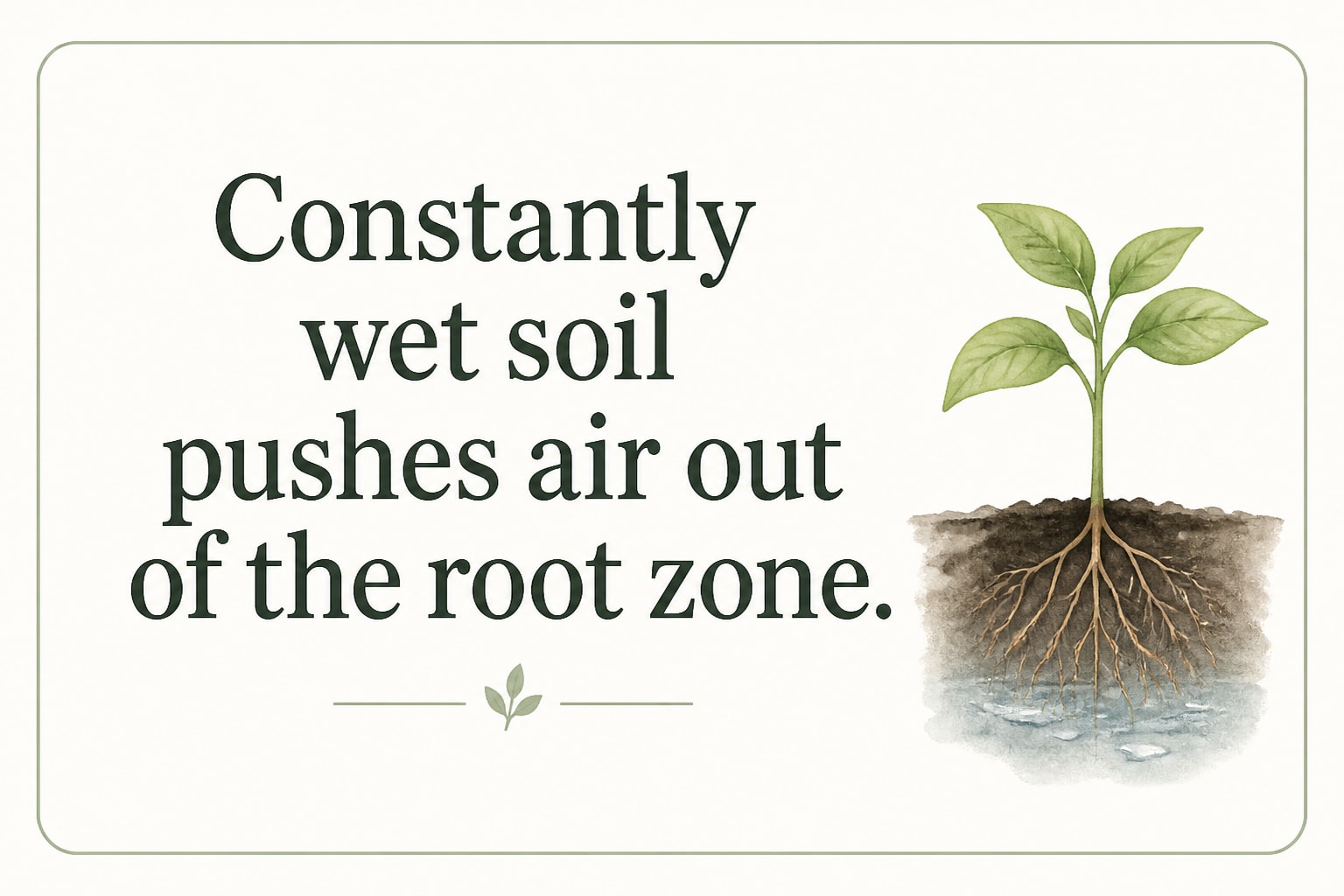
Constantly wet soil pushes air out of the root zone. Roots need oxygen. Without it, they stop functioning well, and the plant wilts even though plenty of water is present.
Don’t water by the calendar alone. Weather, plant size, soil mix, and bed location all matter. During a cool, cloudy week, your vegetables may need far less water than they did during a hot stretch.
- Check moisture below the surface before watering.
- Water deeply instead of giving frequent shallow sprinkles.
- Water in the morning when possible.
- Keep leaves dry when disease has been a problem.
- Add two to three inches of mulch, leaving space around each stem.
Mulch slows evaporation and helps even out moisture swings. Straw, shredded leaves, and untreated grass clippings can work well. Avoid piling mulch against stems. That damp contact invites trouble.
Our Raised Bed Garden Watering and Maintenance: A Complete Beginner’s Guide covers watering schedules, mulch, drainage, and routine checks in more detail.
Heat, roots, and soil problems can all cause drooping
Raised beds heat up quickly
Raised beds often warm more quickly than surrounding garden soil and may dry faster because of their exposed sides and elevated growing surface. However, good drainage is not automatic. Soil composition, bed depth, and conditions beneath the bed all influence how water moves. Dark-colored bed walls, reflected heat from patios, and afternoon sun against fences can also increase heat stress during summer.
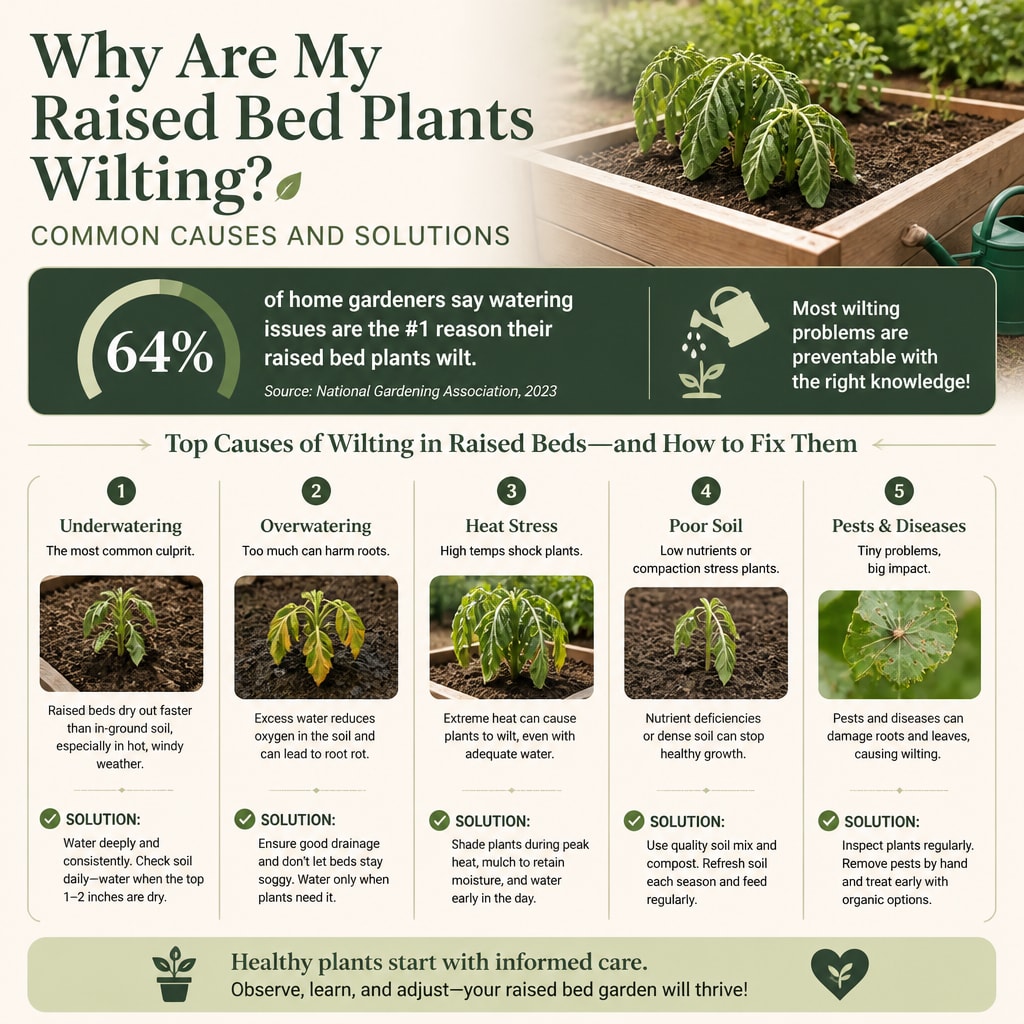
Provide temporary shade during a heat wave, particularly for lettuce, spinach, radishes, and newly transplanted seedlings. A length of shade cloth over simple hoops works better than placing a sheet directly on the plants. Tomatoes and peppers enjoy sun, but even they need consistent moisture during extreme heat.
Transplant shock and damaged roots
Newly planted seedlings commonly wilt for a few days. Their roots were disturbed, and the leaves are still losing water at the old rate. Keep the soil evenly moist, protect them from harsh afternoon sun for a short period, and avoid soaking the foliage every few hours.
Root damage can also happen when we cultivate too deeply around established plants. Many vegetable roots sit close to the surface. A hand cultivator can slice through them in seconds. Pull weeds while they’re small, and loosen only the top inch or two where roots won’t be disturbed.
Compacted soil and poor drainage
Soil that forms a hard crust may repel water or keep it from moving evenly. Soil that stays muddy after a day without rain may need more air space. Raised beds aren’t automatically well-drained. The result depends on the materials used to fill them and whether water can escape below.
Adding a small amount of sand to heavy clay soil rarely improves drainage and may create an even denser growing medium. Instead, improve soil structure gradually with well-finished compost and appropriate organic matter. Avoid working the soil when it is saturated, and make sure excess water can drain into the underlying ground or through suitable drainage openings. If the bed sits in a low area where water collects, addressing that drainage problem may be necessary.
Pests and diseases sometimes imitate a watering problem
Inspect the stem and lower leaves
Squash vine borers can cause a squash plant to wilt suddenly, often even when the soil is moist. Look for a small hole, sawdust-like material, or a split stem near the base. Cucumber beetles and other pests may spread bacterial wilt, which can make a plant collapse quickly.
Tomatoes may wilt because of root damage, stem injuries, fungal or bacterial diseases, or environmental stress. Wilting that begins on one side of a plant can sometimes indicate a vascular disease, but this symptom alone is not enough for a reliable diagnosis. Examine the stem, roots, and surrounding plants for additional clues. If a serious disease is suspected, consult your local Cooperative Extension service for identification and management recommendations. Plants with confirmed severe, untreatable diseases may need to be removed to reduce the risk of spread.
What to do next
When disease is suspected, avoid unnecessary contact between affected and healthy plants. Remove fallen or heavily infected leaves, sanitize tools after cutting diseased tissue, and avoid handling healthy plants immediately after working with infected ones. Crop rotation can help manage certain soilborne diseases, although rotation is more challenging in small raised bed gardens. When possible, avoid planting closely related crops in the same bed year after year, and follow crop-specific recommendations from your local Cooperative Extension service.
Don’t panic over one wilted leaf. Plants get bumped, leaves age, and heat happens. Look for a pattern: many plants wilting together suggests weather or watering. One plant collapsing alone points more toward roots, pests, or disease.
FAQs for Why Are My Raised Bed Plants Wilting? Common Causes and Solutions
Should I water wilted plants immediately?
Check the soil first. When it feels dry two inches down, water slowly and thoroughly at the base. When it’s already damp, more water may worsen the problem. Look at the roots, stem, and leaves instead.
Why are my plants wilting even though the soil is wet?
Wet soil can deprive roots of oxygen, especially when drainage is poor. Root rot, compacted soil, stem damage, and vascular diseases can also stop a plant from moving water upward. Let the bed drain, inspect the base of the plant, and avoid watering again until the upper few inches begin to dry.
Give your raised bed a simple daily check
Most wilting problems become easier to solve when we stop guessing and check the root zone. Feel the soil, watch how plants recover overnight, and inspect stems before changing your watering routine. Deep, consistent watering and good drainage prevent a surprising number of issues.
🌱 FREE DOWNLOAD: Your First Raised Bed Garden
A Beginner-Friendly Guide to Getting Started
Thinking about growing your own vegetables in a raised bed? Start with a simple plan that helps you avoid costly mistakes and build a garden you can enjoy for years.
Our FREE Your First Raised Bed Garden guide provides practical, beginner-friendly information to help you:
- Choose a suitable location with enough sunlight.
- Plan the size and layout of your raised garden bed.
- Understand the basics of preparing healthy garden soil.
- Select vegetables that are appropriate for beginners.
- Get started with planting, watering, and caring for your garden.
You don’t need a huge backyard, expensive equipment, or years of gardening experience to get started!
Get Your FREE Raised Bed Gardening Guide
Free PDF guide from Backyard Living Books.
📗 Ready to Grow Your Own Fresh Vegetables?
Creating a productive raised bed garden takes thoughtful planning, healthy soil, and a little know-how.
Take the guesswork out of raised bed gardening!
Raised Bed Gardening Made Easy: Plans, Soil Mixes, Planting Secrets, and Beginner-Friendly Harvests is a practical guide designed to help you:
- Plan and build raised garden beds that fit your space.
- Choose materials and prepare the right soil mix.
- Select and plant vegetables for productive harvests.
- Understand watering, fertilizing, and routine garden maintenance.
- Avoid common mistakes that can waste time and money.
Whether you’re planting your first garden or looking to improve an existing one, this book will help you garden with greater confidence.
Explore Raised Bed Gardening Made Easy
🌿 Want More FREE Raised Bed Gardening Tips?
Visit our Gardening Learning Center for helpful articles, practical advice, and beginner-friendly resources covering everything from soil preparation and vegetable planting to watering, pest prevention, and seasonal gardening.
Explore the Gardening Learning Center
Part of the Backyard Living Series: Build • Grow • Raise • Thrive.