Backyard Learning Center
Learn practical backyard skills one project at a time through beginner-friendly articles, seasonal tips, and step-by-step guides that help you build, grow, raise, and thrive.
Why Raised Bed Gardens Produce Better Vegetables Than Traditional Gardens
(August 2026 – Estimated Reading Time: 8 Minutes)
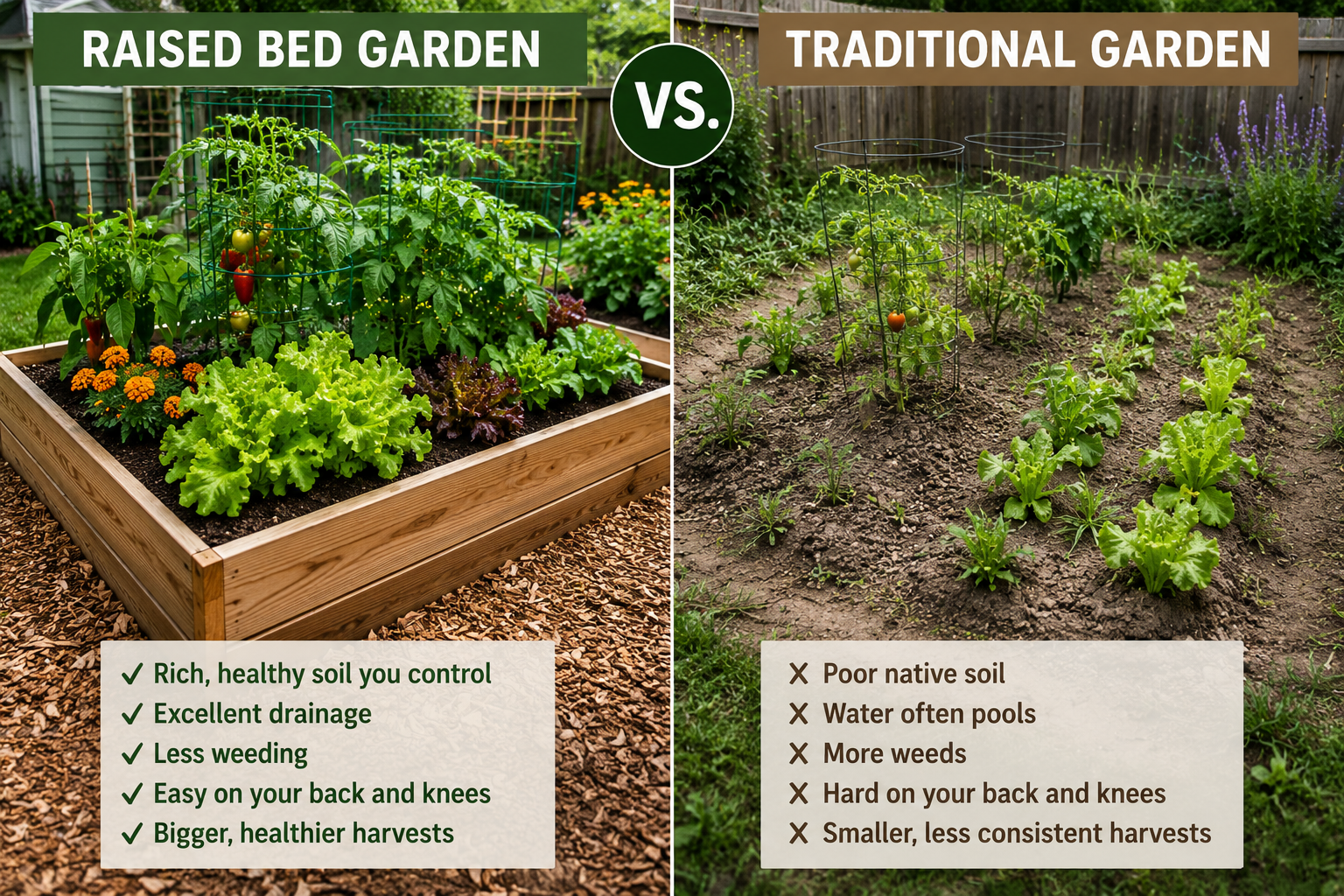
If you’ve ever admired a neighbor’s overflowing tomato plants or baskets filled with crisp lettuce and wondered what their secret was, the answer may be simpler than you think. More and more home gardeners are discovering that raised bed gardens consistently produce healthier plants, larger harvests, and fewer headaches than traditional in-ground gardens.
While both gardening methods can grow excellent vegetables, raised beds solve many of the problems that frustrate beginners. Poor soil, weeds, drainage issues, and compacted ground can all make gardening more difficult than it needs to be. Raised beds give you greater control over nearly every aspect of your garden, making success much easier to achieve.
Whether you’re planting your very first garden or looking for ways to improve your harvests, here’s why raised bed gardens have become the preferred choice for gardeners across the country.
You Control the Soil
One of the biggest advantages of a raised bed is that you start with fresh, healthy soil instead of trying to improve whatever happens to be in your yard.
Many homeowners discover that their native soil isn’t ideal for growing vegetables. It may be mostly clay that becomes sticky after rain and hard as concrete during dry weather. Others deal with sandy soil that drains so quickly it struggles to hold moisture or nutrients. Some yards even contain construction debris or poor-quality fill dirt left behind when the home was built.
A raised bed allows you to skip those problems entirely.
Instead of fighting poor soil year after year, you fill the bed with a rich mixture of compost, topsoil, and organic matter designed specifically for growing vegetables. Healthy soil provides plants with the nutrients, air, and moisture they need to develop strong root systems.
The result is healthier plants from the very beginning.
Better Drainage Means Healthier Roots
Vegetables dislike sitting in soggy soil.
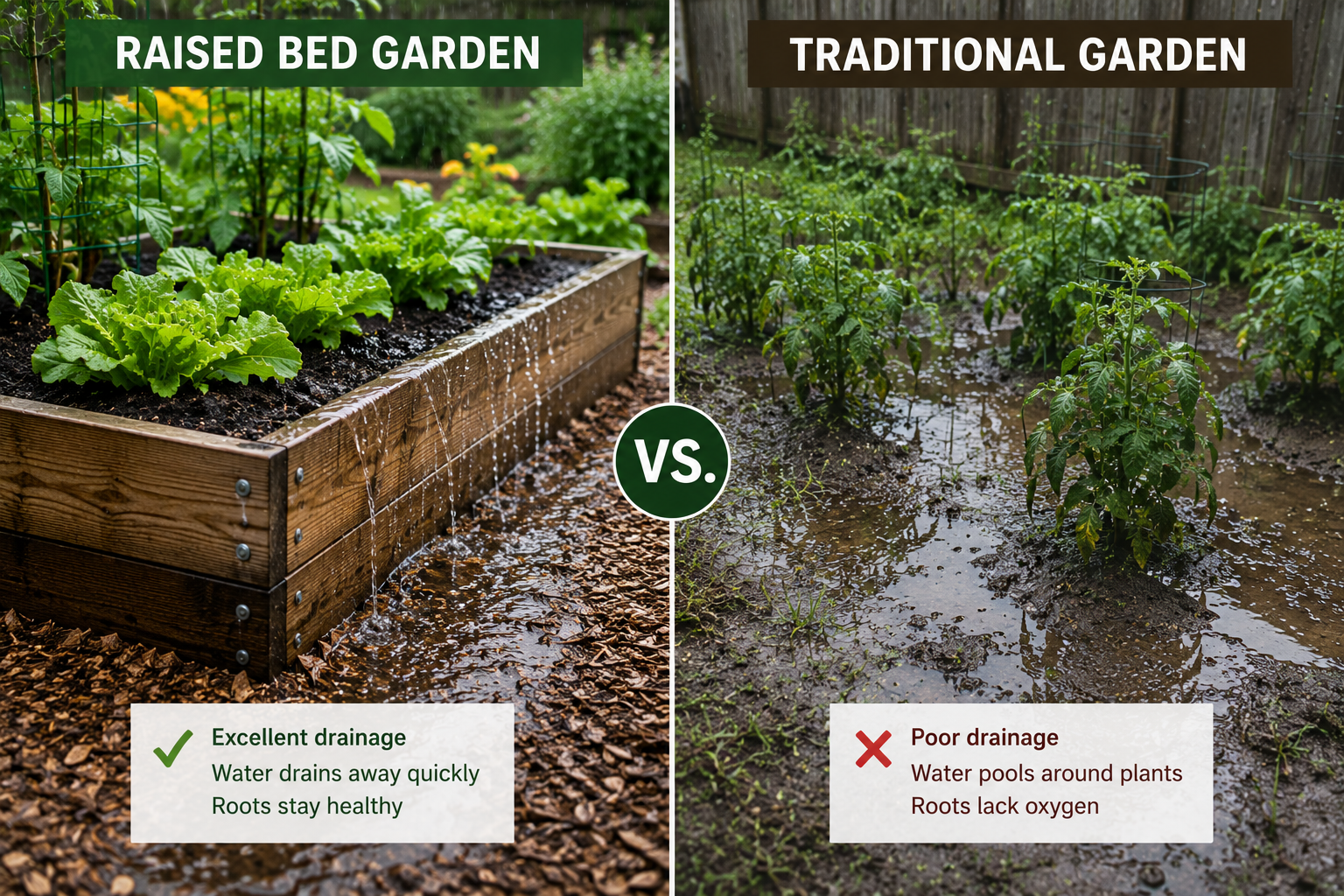
After a heavy rain, many traditional gardens stay wet for days. Excess water fills the tiny air spaces in the soil, leaving plant roots without the oxygen they need to thrive. Prolonged wet conditions can lead to root rot, fungal diseases, and slow plant growth.
Raised beds naturally drain better because they sit above the surrounding ground.
Excess water moves downward and away from the root zone much more quickly. At the same time, the rich soil mixture inside the bed retains enough moisture to keep plants growing between waterings.
This balance of drainage and moisture creates an environment where roots can expand rapidly, allowing plants to absorb more nutrients and produce larger harvests.
Soil Doesn't Become Compacted
One of the most overlooked reasons raised beds perform so well is that gardeners rarely walk on the growing soil.
In a traditional garden, it’s common to step between rows while planting, weeding, or harvesting. Every footstep presses the soil particles closer together, reducing the tiny pockets of air that roots need.
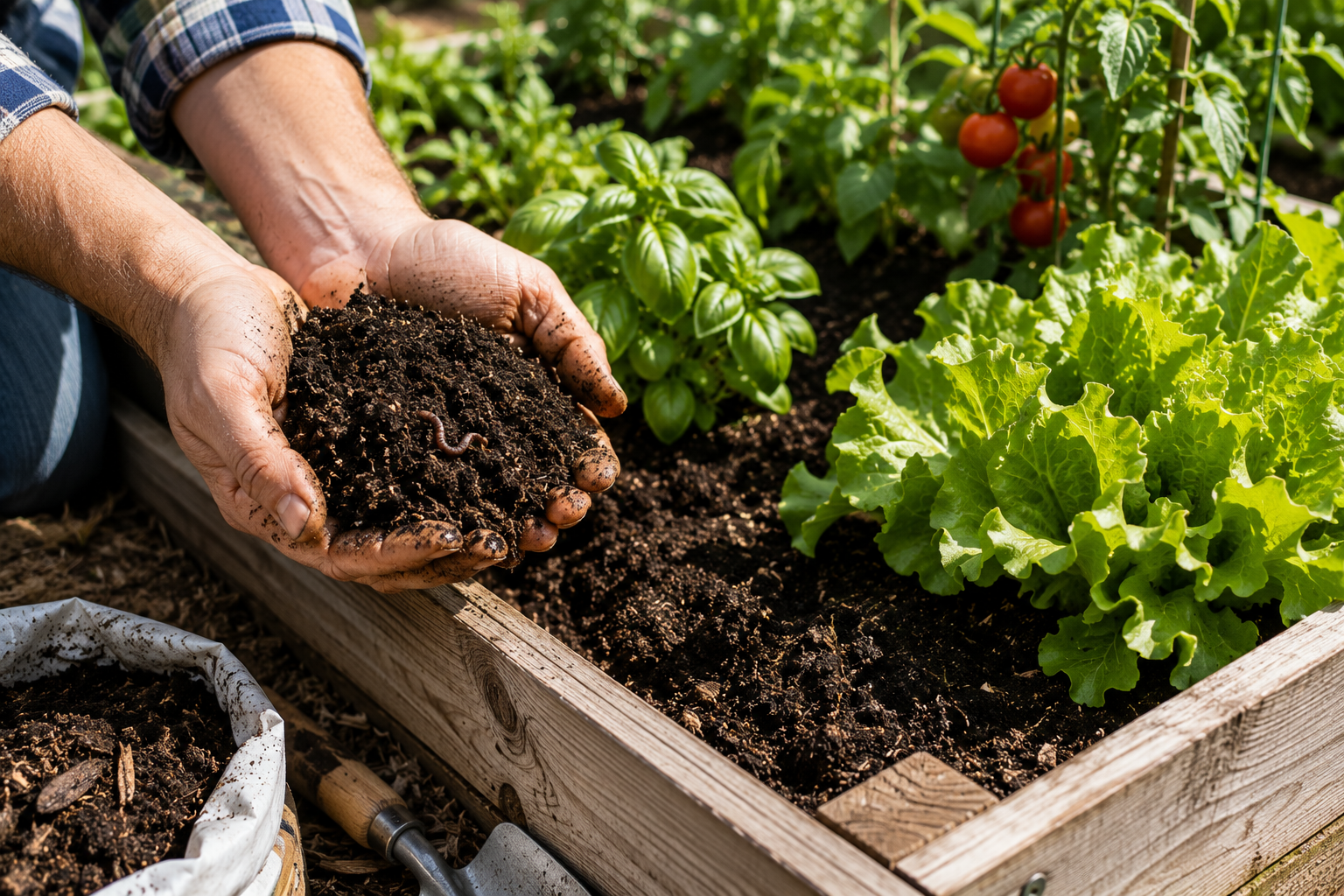
Compacted soil makes it difficult for roots to spread, limits water infiltration, and slows overall plant growth.
Raised beds eliminate much of this problem because you work from the sides instead of walking through the planting area. The soil remains loose, fluffy, and well aerated throughout the growing season.
Your vegetables reward you with stronger growth and healthier root systems.
Fewer Weeds to Battle
Ask any experienced gardener what consumes the most time, and weeds will usually make the list.
Traditional gardens often contain thousands of dormant weed seeds waiting for the right conditions to sprout. Every time you till the soil, you bring more of those seeds to the surface.
Raised beds significantly reduce weed pressure.
Since you’re starting with clean soil, there are usually far fewer weed seeds to begin with. The defined planting area also makes it easier to apply mulch, which blocks sunlight from reaching weed seeds while helping the soil retain moisture.
When weeds do appear, they’re usually easy to remove because the loose soil allows the entire root system to come out with very little effort.
Instead of spending hours pulling weeds, you can spend more time enjoying your garden.
Earlier Spring Planting
Gardeners are always eager to get outside after a long winter.
Raised beds often warm up faster than surrounding ground because they’re elevated above the soil surface. The additional exposure to sunlight and air allows the growing medium to reach planting temperatures sooner.
This can give you an earlier start on cool-season crops such as lettuce, spinach, peas, radishes, and carrots.
In many areas, getting plants established just a week or two earlier can extend the harvest season considerably.
Longer Growing Seasons
The benefits don’t stop once summer arrives.
Raised beds often maintain better growing conditions well into the fall. Healthy soil continues draining efficiently during autumn rains while retaining enough warmth to support late-season vegetables.
Many gardeners also find it easier to add simple season extenders such as row covers, cold frames, or low tunnels over raised beds.
With minimal effort, you can continue harvesting vegetables long after traditional gardens have finished producing.
Water Is Used More Efficiently
Water is becoming an increasingly valuable resource.
Traditional gardens frequently require watering large areas, including pathways where nothing is growing.
Raised beds allow you to water only the soil where your vegetables are planted.
Because the growing area is smaller and more concentrated, irrigation becomes far more efficient. Drip irrigation systems and soaker hoses work exceptionally well in raised beds, delivering water directly to plant roots with very little waste.
This not only conserves water but also helps reduce many common fungal diseases since the foliage stays drier.
Easier on Your Back and Knees
Gardening should be enjoyable, not physically exhausting.
Many people stop gardening because bending, kneeling, and squatting become increasingly uncomfortable.
Raised beds bring the garden closer to you.
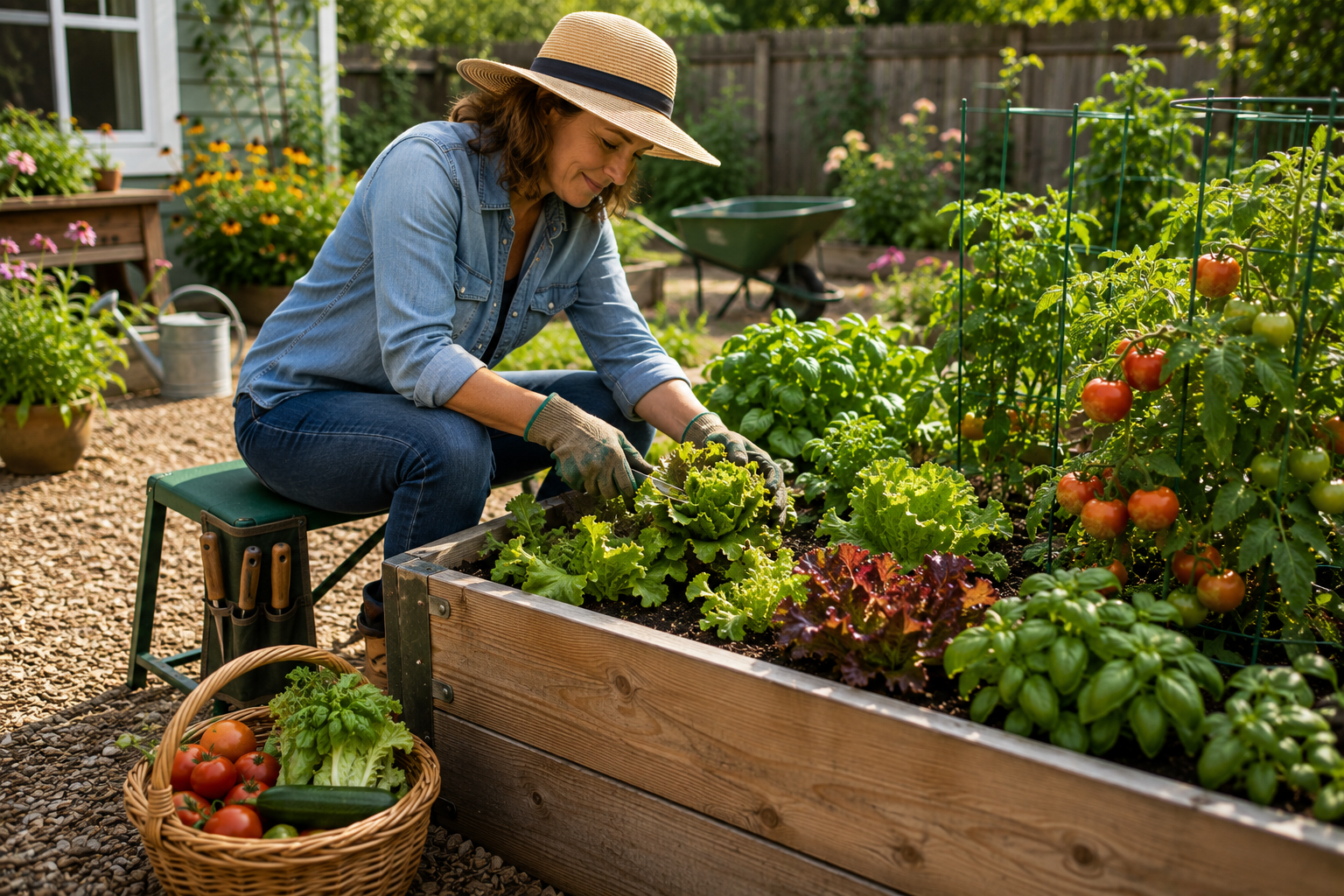
Even beds that are only 10 to 12 inches high reduce much of the bending required during planting, weeding, and harvesting. Taller raised beds can make gardening accessible for older adults or anyone with mobility concerns.
Instead of spending your afternoon on your hands and knees, you can comfortably care for your plants while standing or sitting beside the bed.
For many gardeners, this benefit alone makes raised beds worthwhile.
Better Plant Spacing
Traditional row gardening was originally designed for large farms where equipment needed room to pass between rows.
Home gardens don’t need all that empty space.
Raised beds encourage planting in blocks or grids rather than long rows. This allows vegetables to be spaced more efficiently while still providing enough room for healthy growth.
As plants mature, their leaves shade the soil surface.
This natural canopy helps suppress weeds, reduce evaporation, and keep the soil cooler during hot weather.
The result is more vegetables harvested from the same amount of space.
Pest Problems Can Be Easier to Manage
No garden is completely free from insects or other pests, but raised beds make many problems easier to control.
The clearly defined growing area allows gardeners to install protective covers quickly when needed.
Floating row covers can protect young seedlings from insects while still allowing sunlight and water to reach the plants.
Raised beds also make it easier to inspect plants regularly for signs of damage before problems spread throughout the garden.
Early detection almost always leads to easier solutions.
A Neater, More Attractive Garden
There’s no denying it.
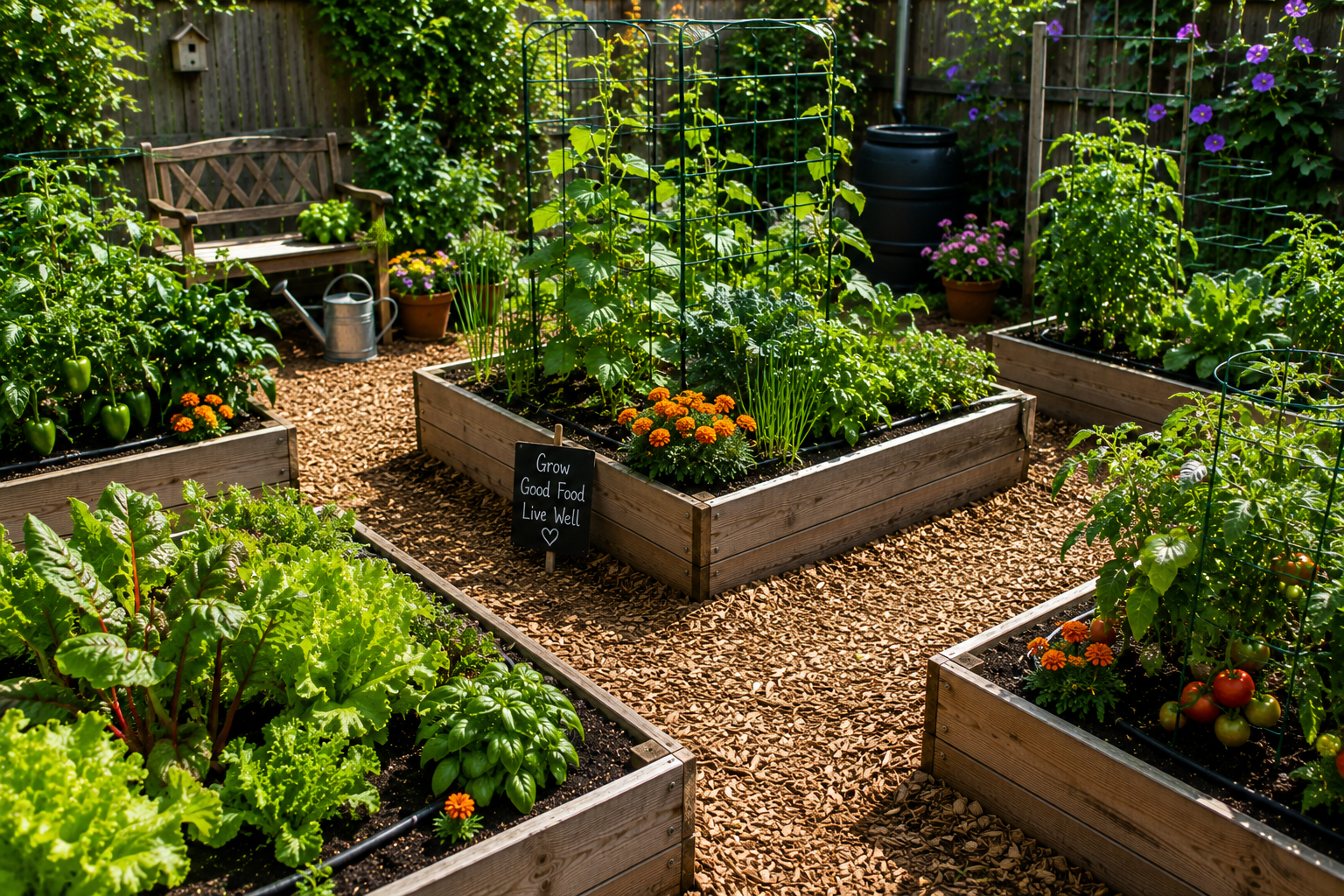
Raised beds simply look organized.
Wood, composite, brick, or stone borders create clean lines that define the garden space. Mulched walkways stay cleaner after rain, and individual planting areas appear tidy throughout the growing season.
This organized appearance often encourages gardeners to spend more time maintaining the garden because every task feels manageable.
A well-designed raised bed garden can also become an attractive feature in your backyard, blending beautifully with patios, fences, pathways, and landscaping.
Gardening Becomes Less Intimidating
One reason many beginners give up is that traditional gardens can feel overwhelming.
Large areas require extensive tilling, weeding, watering, and maintenance.
Raised beds naturally divide the work into smaller, manageable sections.
Instead of worrying about a huge garden, you focus on one bed at a time.
Planting becomes simpler.
Watering takes less time.
Harvesting is more organized.
Success builds confidence, and confidence encourages gardeners to expand gradually as their experience grows.
Are Raised Beds Right for Everyone?
Raised beds do require an initial investment in materials and soil.
You’ll need lumber, blocks, metal panels, or another edging material, along with enough soil to fill each bed.
However, many gardeners find that this upfront cost pays for itself over time through larger harvests, reduced maintenance, lower water usage, and fewer gardening frustrations.
Even a single 4-foot by 8-foot raised bed can produce an impressive amount of fresh vegetables throughout the growing season.
You don’t have to build an entire backyard garden all at once.
Many successful gardeners begin with one raised bed, learn what grows well in their area, and gradually add additional beds each season.
The Bottom Line
Raised bed gardening isn’t about making gardening more complicated. It’s about removing many of the obstacles that prevent gardeners from succeeding.
Better soil, improved drainage, fewer weeds, healthier roots, easier maintenance, and larger harvests all work together to create an environment where vegetables can thrive.
Whether your goal is fresh salads, homegrown tomatoes, or enough vegetables to help reduce your grocery bill, raised beds provide one of the simplest ways to improve your chances of success.
Ready to Grow More with Less Work?
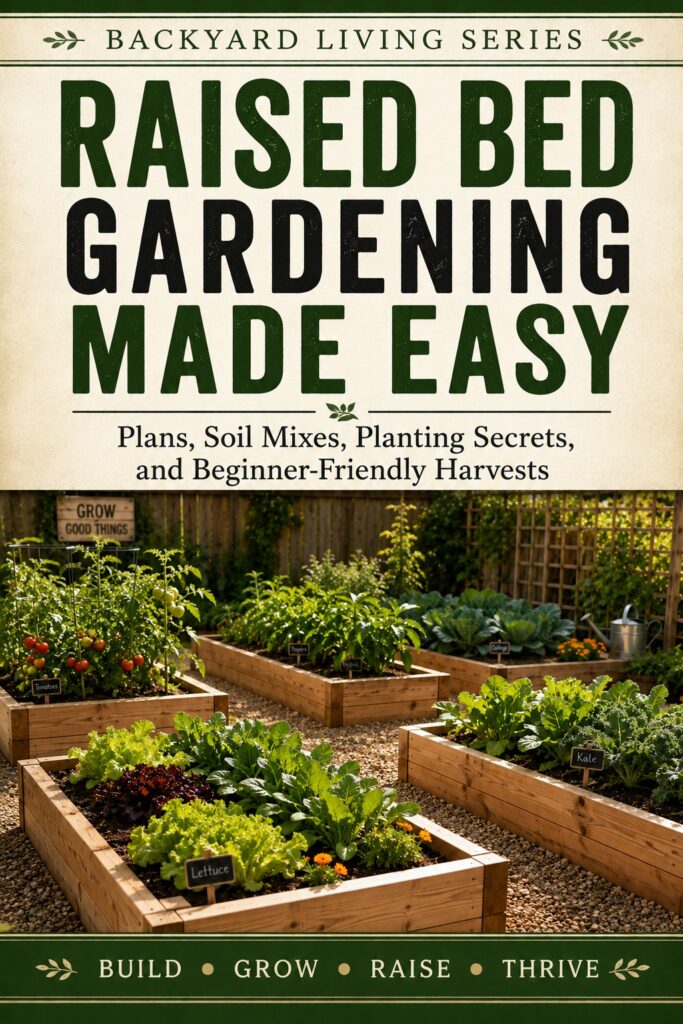
Raised Bed Gardening Made Easy expands on each of these topics with clear, step-by-step guidance designed specifically for beginner gardeners. From planning and building your first raised beds to choosing the best soil, growing healthy vegetables, watering efficiently, managing pests naturally, and extending your harvest season, the book provides practical instruction to help you grow an abundant garden with confidence. 🌱
More Raised Bed Gardening Articles
If you found this article helpful, these beginner guides are a great next step:
Get Your FREE Backyard Starter Toolkit
Download our free Backyard Starter Toolkit, packed with printable planners, checklists, and beginner resources to help you build, grow, raise, and thrive.
About the Author
Steve McChesney is the founder of Backyard Living Books and has spent decades helping homeowners build, grow, raise, and preserve more from their own backyards. Through practical, beginner-friendly guides, he encourages people to tackle one backyard project at a time and enjoy the satisfaction that comes with learning new skills.