
Backyard Learning Center
Learn practical backyard skills one project at a time through beginner-friendly articles, seasonal tips, and step-by-step guides that help you build, grow, raise, and thrive.
How Much Money Can a Raised Bed Garden Really Save?
(July 2026 – Estimated Reading Time: 8 Minutes)
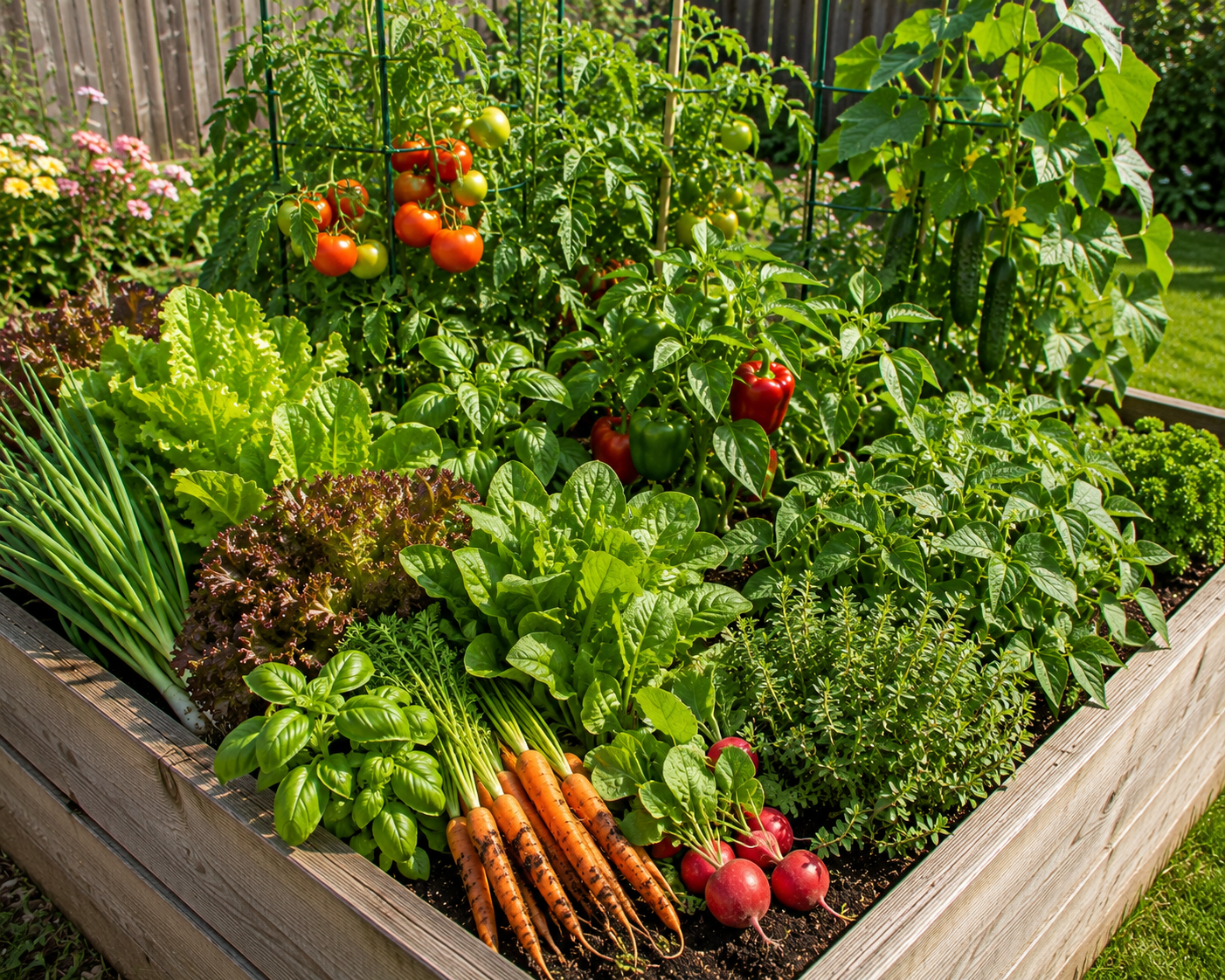
Walk through the produce section of any grocery store, and it’s easy to understand why more people are starting vegetable gardens.
Tomatoes that cost several dollars a pound.
Fresh herbs packaged in tiny plastic containers.
Bell peppers that seem to get more expensive every year.
It’s enough to make anyone wonder:
Can a backyard garden actually save money?
The short answer is yes.
While a garden isn’t completely free, a well-planned raised bed can produce hundreds of dollars’ worth of fresh vegetables each season. Even better, you’ll enjoy produce that’s often fresher, more flavorful, and harvested just minutes before it reaches your dinner table.
Let’s take a realistic look at the numbers.
The Initial Investment
Every garden requires a small upfront investment.
For a basic 4-foot by 8-foot raised bed, you might spend approximately:
|
Item |
Estimated Cost |
|
Lumber or raised bed kit |
$80–$150 |
|
Screws or hardware |
$10–$20 |
|
Soil and compost |
$75–$150 |
|
Mulch |
$10–$20 |
|
Seeds or starter plants |
$20–$40 |
Estimated first-year total: $195 to $380
That may sound expensive at first.
But unlike groceries, much of this cost only happens once.
The raised bed itself may last ten years or longer.
Garden tools can last decades.
Future seasons usually require only compost, mulch, and new seeds.
The Cost Drops Every Year
Once your raised bed is established, annual expenses become much smaller.
A typical yearly budget might include:
- Compost: $20 to $40
- Mulch: $10 to $20
- Seeds: $15 to $30
- Occasional fertilizer: $10 to $20
That’s often less than $100 per year for an established raised bed.
Meanwhile, the vegetables keep coming.
What Can One Raised Bed Produce?
Many people underestimate how productive a single raised bed can be.
A properly managed 4-foot by 8-foot bed can grow combinations such as:
- Two tomato plants
- Two pepper plants
- Bush beans
- Leaf lettuce
- Spinach
- Radishes
- Carrots
- Herbs
- Green onions
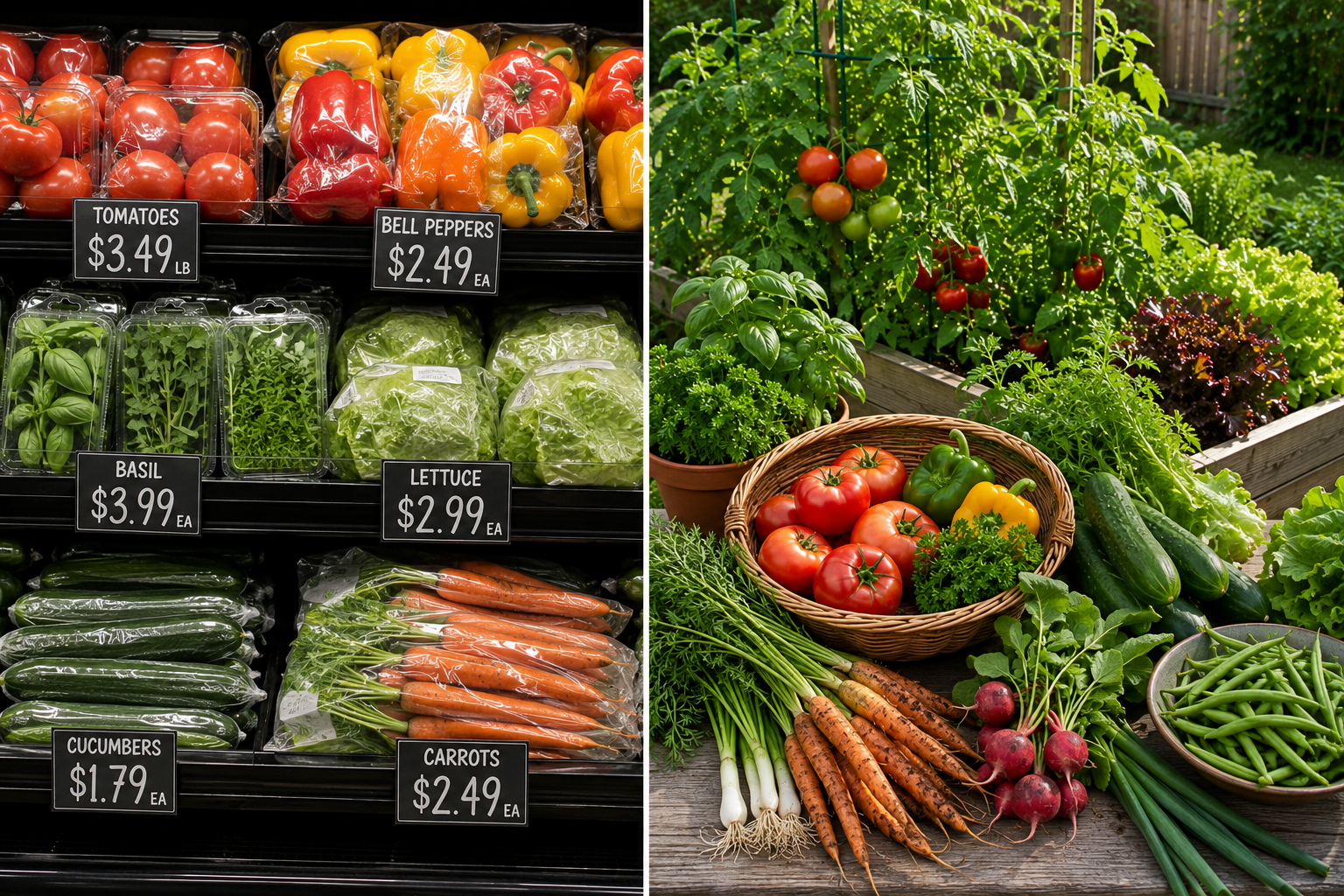
With succession planting, the same space may produce several different crops throughout the growing season.
Early lettuce gives way to tomatoes.
Spring spinach is replaced by beans.
Radishes are harvested before cucumbers spread.
You’re harvesting from the same bed for months.
Tomatoes Alone Can Pay for the Bed
Let’s start with America’s favorite garden vegetable.
One healthy tomato plant commonly produces 15 to 30 pounds of tomatoes during a growing season.
Many gardeners harvest considerably more.
If fresh tomatoes sell for around $3 per pound, one productive plant could easily produce:
20 pounds × $3 = $60
Two tomato plants?
Approximately $120 worth of tomatoes.
And that’s just one crop.
Fresh Herbs Are Surprisingly Expensive
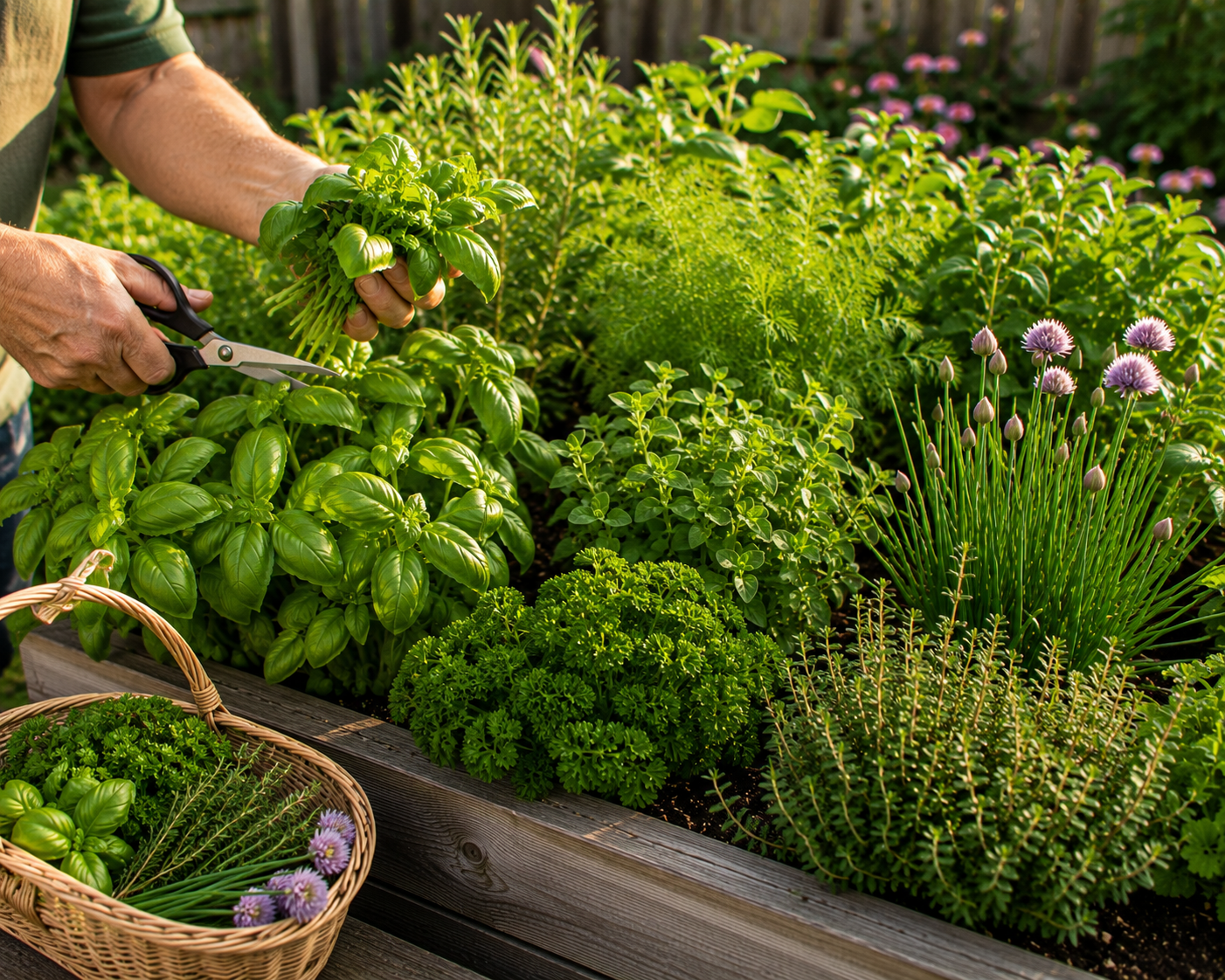
Herbs may be one of the biggest bargains in gardening.
A small package of basil at the grocery store often costs $3 to $5.
Yet one healthy basil plant can provide harvest after harvest throughout the summer.
The same is true for:
- Parsley
- Chives
- Oregano
- Thyme
- Dill
Instead of buying small packages every week, you simply step outside with a pair of scissors.
Many gardeners save well over $100 each year on herbs alone.
Lettuce Keeps Giving
Leaf lettuce is another outstanding value.
Instead of harvesting the entire plant, you pick only the outer leaves.
The center continues growing.
One planting can provide salads for weeks.
When grocery prices climb, having a continuous supply of fresh lettuce becomes especially rewarding.
Even better, you harvest only what you need.
Nothing sits forgotten in the refrigerator until it spoils.
Peppers Produce for Months
Bell peppers often sell for $1 to $2 each, sometimes much more during certain times of the year.
A single healthy pepper plant can produce dozens of peppers over an entire season.
Just four plants may provide enough peppers for fresh meals, freezing, grilling, and sharing with neighbors.
Zucchini: The Garden Legend
Ask experienced gardeners about zucchini and you’ll probably hear a laugh.
There’s a reason.
Healthy zucchini plants are remarkably productive.
Just one or two plants often produce more squash than most families can eat fresh.
Many gardeners freeze shredded zucchini for breads and muffins or share extras with friends.
Buying that amount at the grocery store would become surprisingly expensive.
Green Beans Add Up Quickly
Fresh green beans often cost several dollars per pound.
Bush beans are inexpensive to grow from seed and produce heavily over several weeks.
With succession planting, you can continue harvesting throughout much of the summer.
They’re also excellent candidates for freezing.
A few packets of seeds can supply many meals.
Carrots and Radishes Stretch the Budget
Root vegetables don’t usually receive as much attention as tomatoes, but they provide excellent value.
Carrots store well.
Radishes mature quickly.
Both grow easily from inexpensive seed packets.
Because seeds cost so little, even modest harvests provide excellent returns.
Don't Forget the Savings You Can't Measure
Money isn’t the only benefit of gardening.
Many rewards never appear on a spreadsheet.
Fresher Food
Most grocery store vegetables were harvested days before reaching your kitchen.
Sometimes much longer.
Garden vegetables often go from plant to plate in minutes.
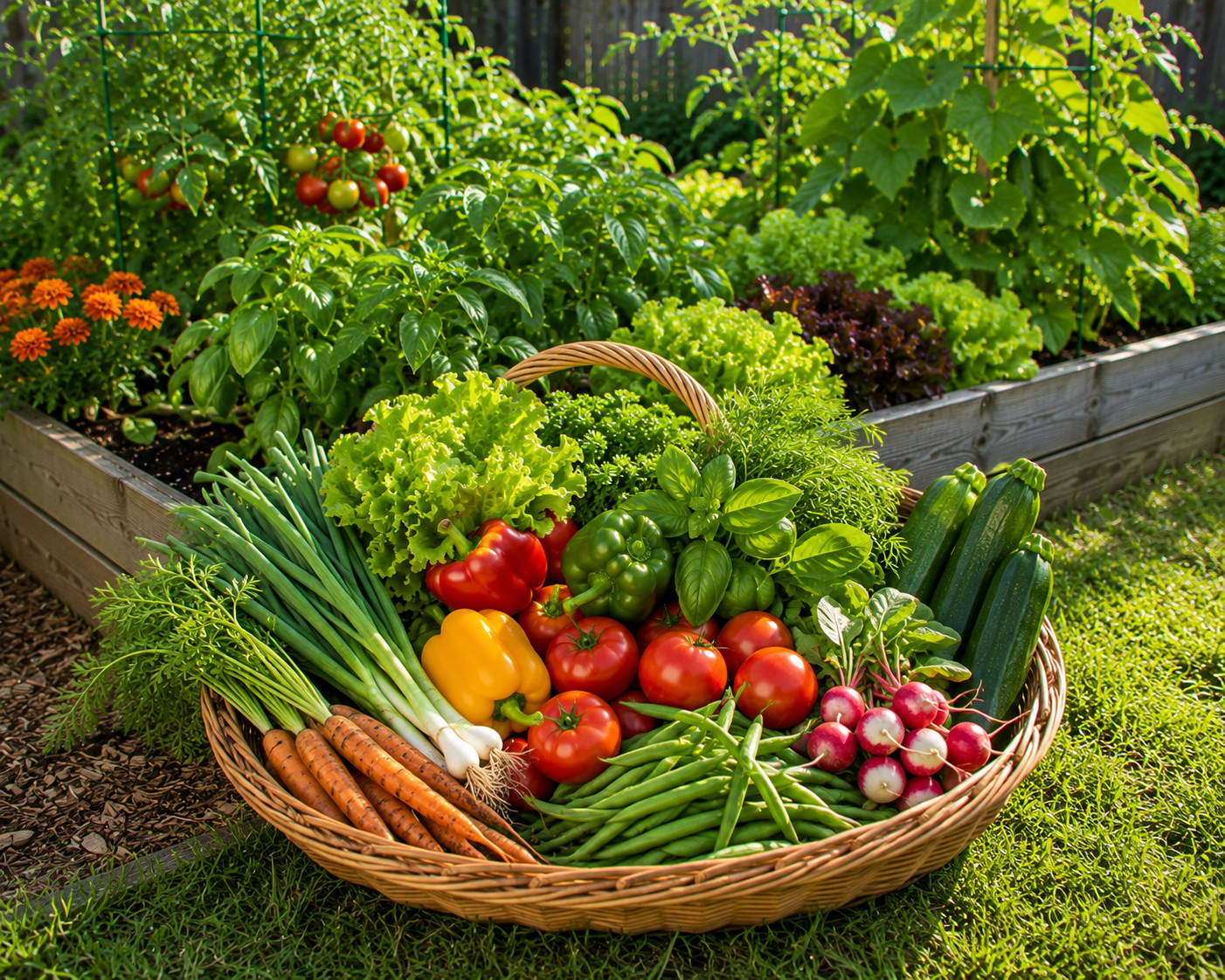
That freshness improves both flavor and nutrition.
Less Food Waste
Gardeners harvest exactly what they need.
Need one tomato?
Pick one tomato.
Need a handful of lettuce?
Harvest only that much.
Food stays growing until you’re ready to eat it.
Healthier Meals
When fresh vegetables are only a few steps away, many people naturally eat more of them.
Salads become more common.
Fresh herbs replace processed seasonings.
Garden vegetables often become the centerpiece of family meals.
Those healthier eating habits have value that extends far beyond grocery savings.
Gardening Can Reduce Stress
Countless gardeners describe spending time in the garden as relaxing.
Pulling weeds.
Watering plants.
Watching tomatoes ripen.
Listening to bees moving among the flowers.
For many people, gardening becomes one of life’s simplest pleasures.
It’s difficult to assign a dollar value to that.
Growing Your Own Seedlings Saves Even More
Starter plants are convenient.
They’re also expensive.
A single tomato transplant might cost $4 to $6.
A packet of tomato seeds costing about the same price may contain 25 to 50 seeds.
Learning to start seedlings indoors dramatically lowers gardening costs over time.
Many gardeners eventually grow nearly everything from seed.
Compost Reduces Future Costs
Every year your garden produces valuable raw materials.
Vegetable scraps.
Grass clippings.
Autumn leaves.
Coffee grounds.
Instead of throwing these away, compost them.
Homemade compost gradually replaces purchased soil amendments while continually improving your raised beds.
It’s one of the easiest ways to reduce gardening expenses year after year.
Save Seeds from Your Best Plants
Many vegetables produce seeds that can be collected for future gardens.
Examples include:
- Beans
- Peas
- Lettuce
- Tomatoes (heirloom varieties)
- Peppers
Saving seeds reduces future purchases while gradually selecting plants that perform well in your own garden.
It’s a tradition gardeners have practiced for generations.
Grow What You Actually Eat
One common beginner mistake is growing vegetables simply because they’re easy.
Instead, think about your grocery cart.
Do you buy:
- Tomatoes?
- Lettuce?
- Peppers?
- Cucumbers?
- Herbs?
- Green beans?
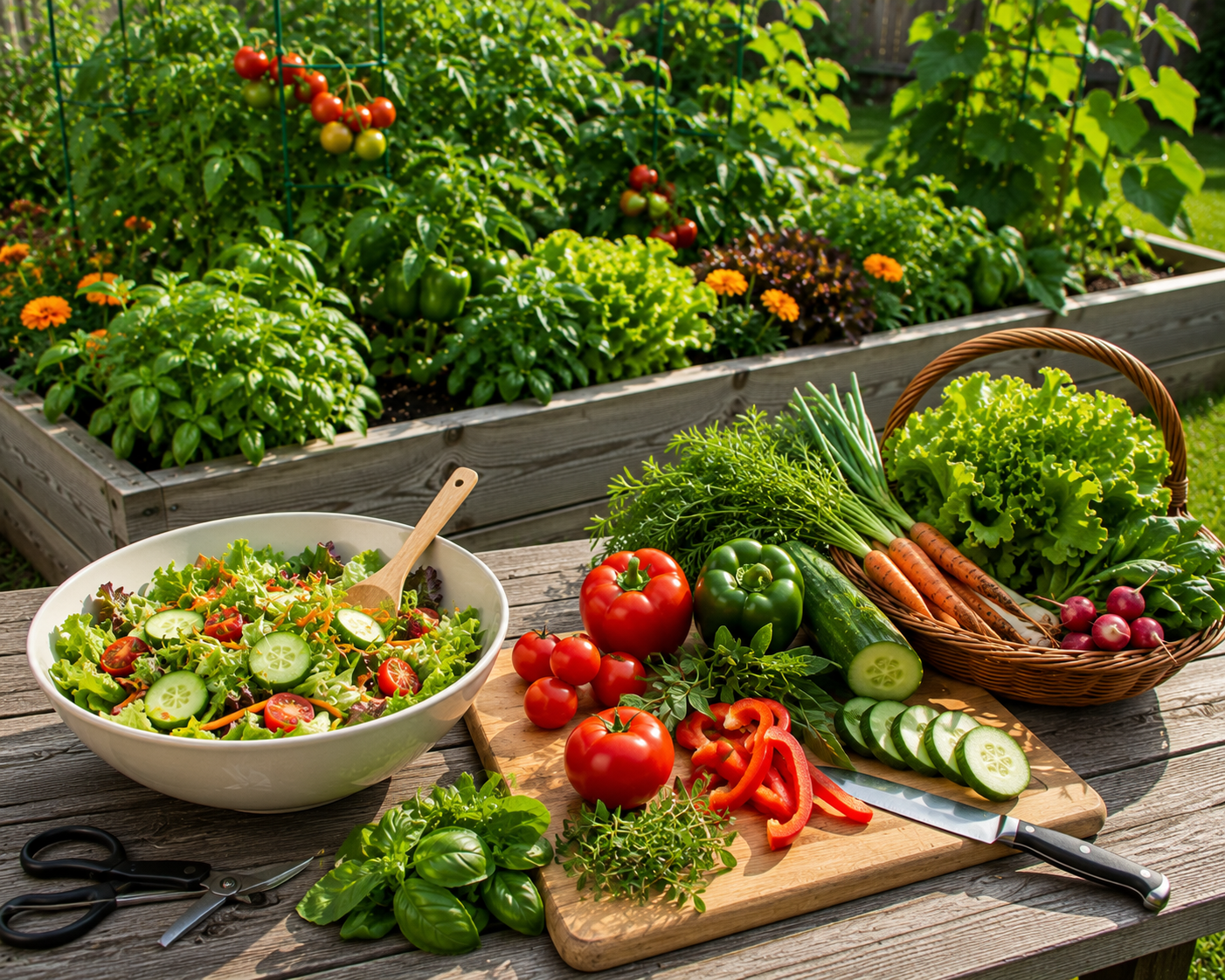
Grow the vegetables your family enjoys eating most.
That’s where the greatest savings occur.
Preserve the Harvest
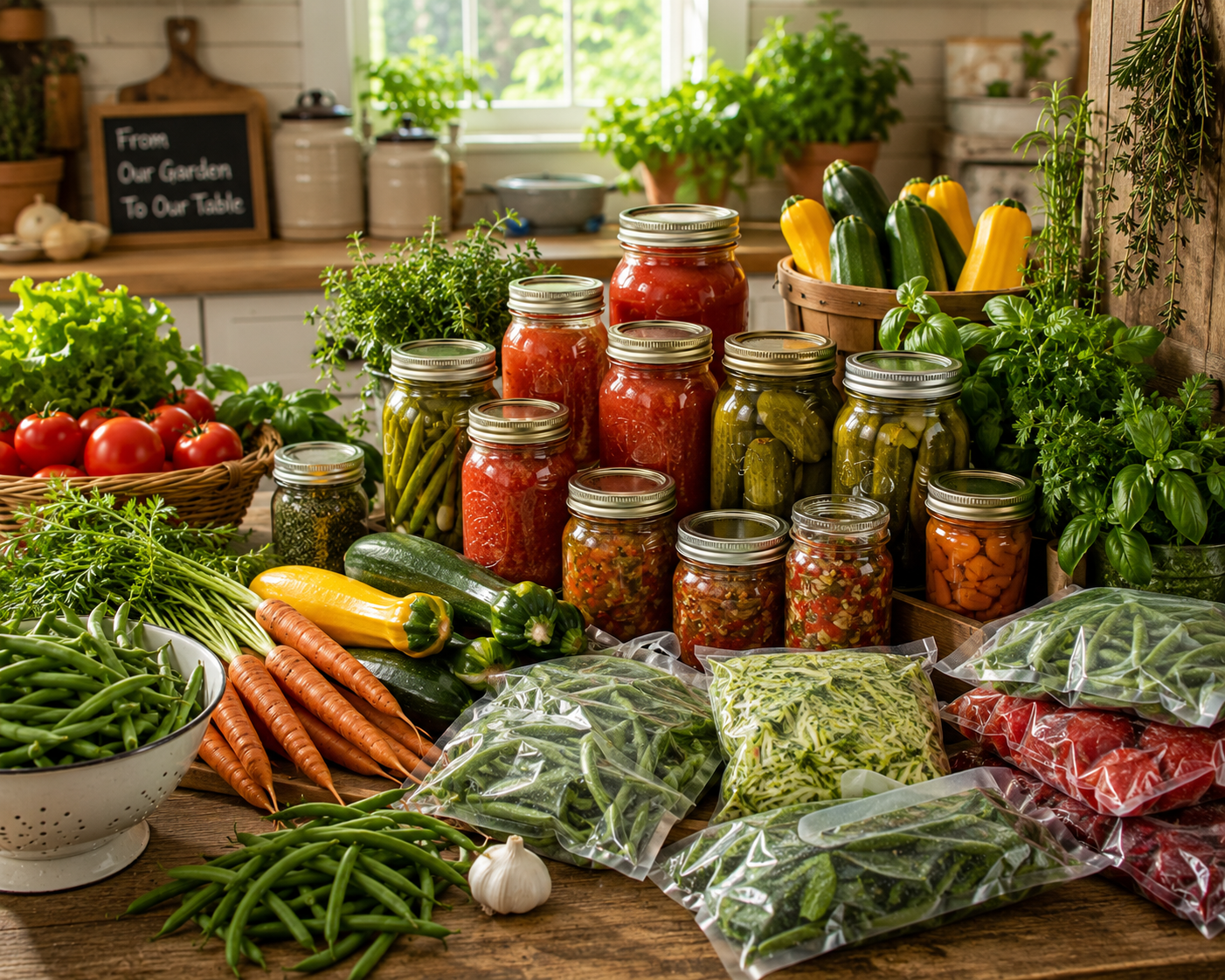
Sometimes your garden produces more than you can eat fresh.
That’s a wonderful problem to have.
Extra vegetables can be:
- Frozen
- Canned
- Dehydrated
- Pickled
- Shared with family and friends
Every preserved tomato, jar of green beans, or frozen bag of peppers represents groceries you won’t need to buy later.
Your garden keeps paying dividends long after the growing season ends.
So… Can a Raised Bed Really Save Money?
Let’s look at a realistic example.
Annual garden costs after the first year:
- Compost
- Seeds
- Mulch
- Miscellaneous supplies
Approximately $75 to $100
Now consider a modest harvest:
- Tomatoes: $120
- Peppers: $60
- Lettuce: $50
- Herbs: $100
- Green beans: $40
- Cucumbers: $40
- Carrots and radishes: $30
Estimated value: Approximately $440
Many experienced gardeners harvest considerably more than this.
Some produce enough vegetables from several raised beds to offset a substantial portion of their summer grocery bill.
The Bottom Line
Raised bed gardening isn’t a get-rich-quick plan.
It’s something even better.
A relatively small investment can provide fresh, flavorful vegetables for years while lowering grocery costs, encouraging healthier meals, reducing food waste, and creating a hobby that millions of people genuinely enjoy.
The first tomato picked warm from the vine.
Fresh basil clipped moments before dinner.
A crisp cucumber that never saw the inside of a delivery truck.
Those are rewards that extend far beyond dollars and cents.
Ready to Grow More with Less Work?
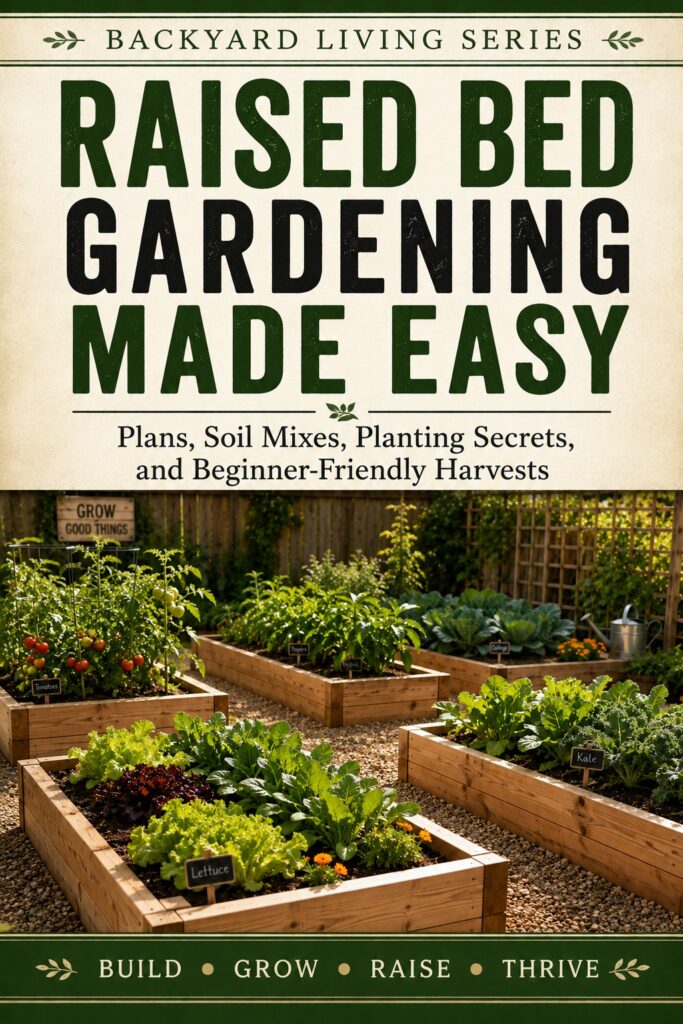
Raised Bed Gardening Made Easy expands on each of these topics with clear, step-by-step guidance designed specifically for beginner gardeners. From planning and building your first raised beds to choosing the best soil, growing healthy vegetables, watering efficiently, managing pests naturally, and extending your harvest season, the book provides practical instruction to help you grow an abundant garden with confidence. 🌱
More Raised Bed Gardening Articles
If you found this article helpful, these beginner guides are a great next step:
Get Your FREE Backyard Starter Toolkit
Download our free Backyard Starter Toolkit, packed with printable planners, checklists, and beginner resources to help you build, grow, raise, and thrive.
About the Author
Steve McChesney is the founder of Backyard Living Books and has spent decades helping homeowners build, grow, raise, and preserve more from their own backyards. Through practical, beginner-friendly guides, he encourages people to tackle one backyard project at a time and enjoy the satisfaction that comes with learning new skills.