
Backyard Learning Center
Learn practical backyard skills one project at a time through beginner-friendly articles, seasonal tips, and step-by-step guides that help you build, grow, raise, and thrive.
10 Vegetables Every First-Time Gardener Should Grow
(July 2026 – Estimated Reading Time: 7 Minutes)
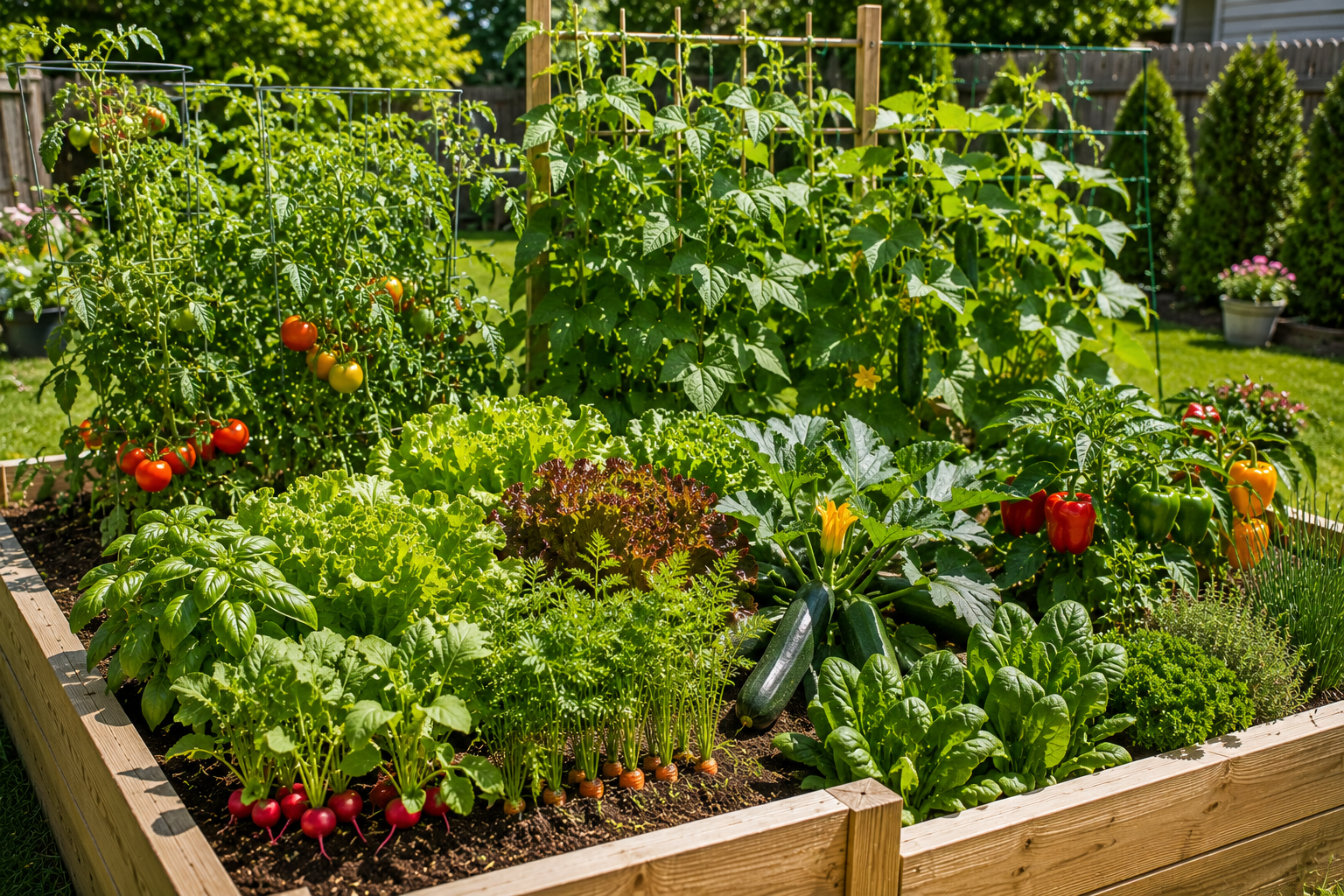
Starting your first vegetable garden is exciting.
It’s also easy to become overwhelmed.
Walk through the seed aisle of any garden center and you’ll find hundreds of choices. Tomatoes in every color imaginable. Dozens of peppers. Beans, squash, cucumbers, herbs, leafy greens, and vegetables you’ve probably never heard of before.
Many first-time gardeners make the mistake of trying to grow a little bit of everything.
Unfortunately, that often leads to disappointment. Some vegetables require very long growing seasons. Others need careful pruning, constant pest management, or specific soil conditions. While they’re certainly worth growing later, they’re not always the best place to begin.
The good news is that many vegetables are remarkably forgiving. They germinate easily, produce dependable harvests, and reward even inexperienced gardeners with fresh food throughout the season.
If you’re planting your very first raised bed, these ten vegetables offer an excellent place to start.
1. Tomatoes
If there’s one vegetable that inspires people to start gardening, it’s probably the tomato.
Technically a fruit, tomatoes remain the centerpiece of countless backyard gardens because nothing compares to the flavor of a vine-ripened tomato picked just minutes before dinner.
For beginners, choose varieties labeled as disease resistant whenever possible.
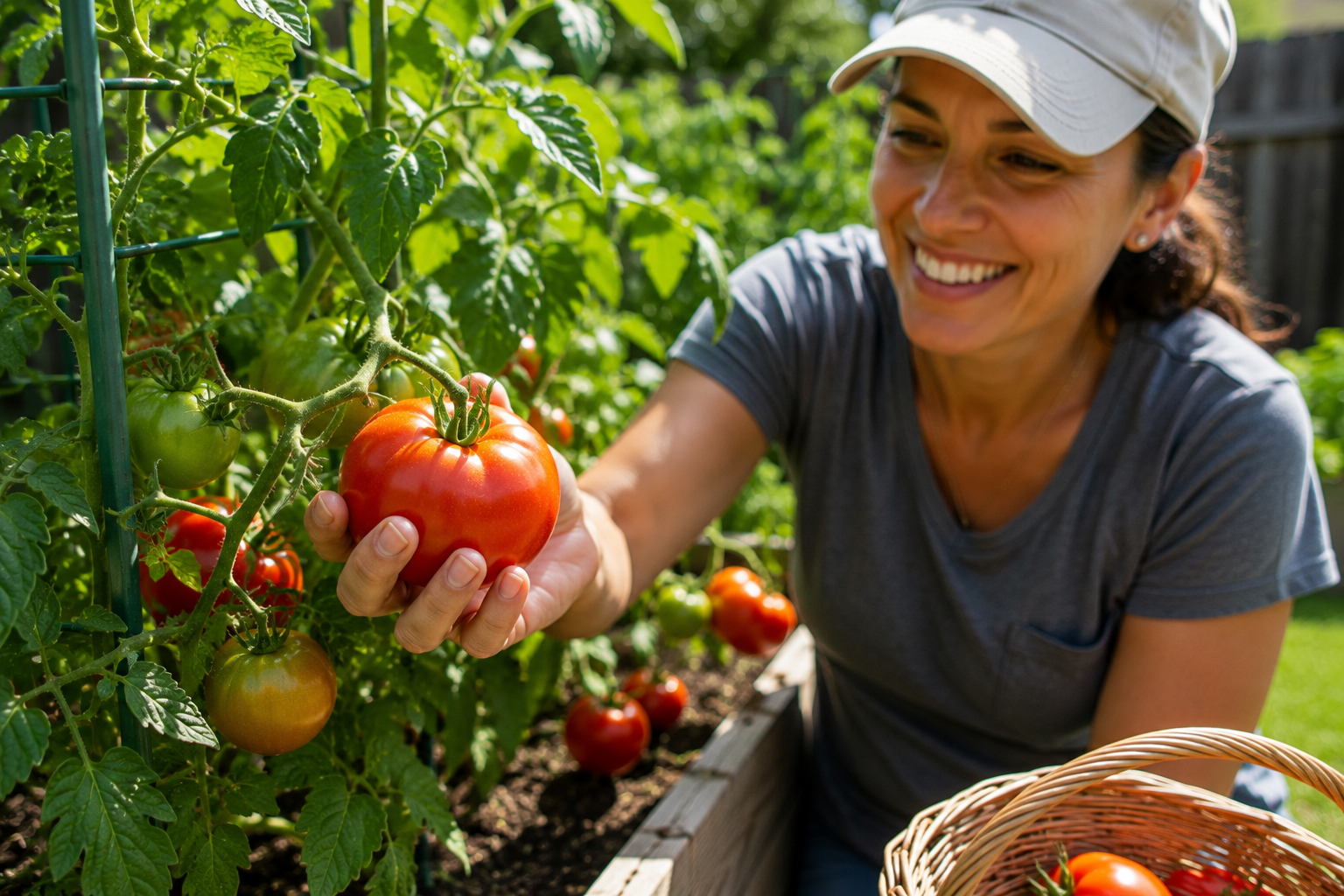
Cherry tomatoes are especially rewarding because they mature earlier, continue producing for months, and are generally more forgiving than large slicing varieties.
Tomatoes need:
- Six to eight hours of sunlight
- Rich, well-drained soil
- Consistent watering
- A cage or stake for support
One common mistake is watering heavily one day and allowing the soil to dry completely the next. Consistent moisture helps prevent cracking and blossom end rot.
With proper care, one healthy tomato plant can produce dozens, and sometimes hundreds, of tomatoes over the course of a season.
- Leaf Lettuce
If patience isn’t your strongest quality, lettuce is the perfect crop.
Many varieties are ready to harvest in as little as 30 days.
Leaf lettuce is especially beginner friendly because you don’t need to harvest the entire plant at once. Simply pick the outer leaves while allowing the center to continue growing.
This “cut-and-come-again” approach provides fresh salads for weeks.
Lettuce grows best when temperatures are cool, making it an excellent choice for spring and fall gardens.
Give it:
- Partial to full sun
- Even moisture
- Rich soil
- Light fertilizing
Once summer heat arrives, many lettuce varieties begin producing flowers and develop a bitter flavor. Planting successive crops every few weeks helps extend your harvest.
- Bush Beans
Bush beans are one of the easiest vegetables you’ll ever grow.
Unlike pole beans, they don’t require trellises or supports, making them ideal for beginners.
Simply sow the seeds directly into warm soil and wait.
Within a week or two, sturdy young plants begin emerging.
Bush beans produce heavily over several weeks and require very little maintenance beyond regular watering.
They’re also natural nitrogen fixers, meaning they help improve your garden soil by working with beneficial bacteria around their roots.
Harvest beans while they’re young and tender for the best flavor.
Frequent harvesting encourages even more production.
- Radishes
Few vegetables reward new gardeners faster than radishes.
Some varieties mature in only three to four weeks.
Their rapid growth makes them perfect for children, impatient gardeners, or anyone wanting quick success.
Radishes thrive during cooler weather and can often be planted before many other vegetables.
Loose soil is especially important because compacted ground can produce misshapen roots.
Harvest promptly once they reach full size.
Waiting too long often results in woody, overly spicy radishes.
5. Cucumbers
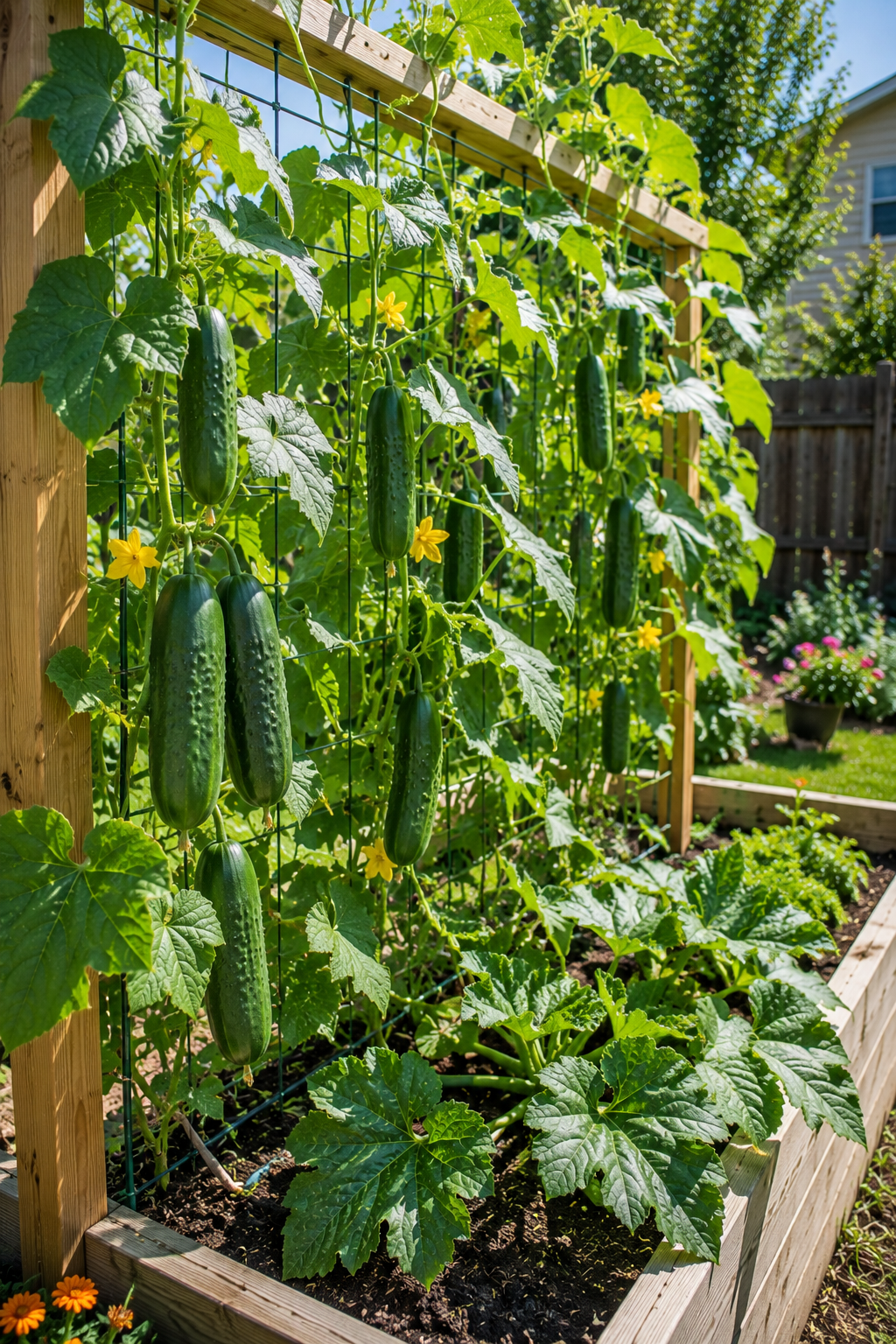
Fresh cucumbers from the garden taste remarkably different from many grocery store varieties.
They’re crisp, refreshing, and incredibly productive.
Even one or two healthy plants can produce enough cucumbers for salads, sandwiches, and homemade pickles throughout much of the summer.
Cucumbers appreciate:
- Full sun
- Warm weather
- Consistent moisture
- Rich soil
Growing them vertically on a trellis saves space while improving air circulation and keeping fruit cleaner.
Watch your plants regularly once flowering begins.
Cucumbers can seem to appear almost overnight.
- Peppers
Whether you enjoy sweet bell peppers or spicy jalapeños, peppers are another excellent beginner crop.
They require little pruning and generally experience fewer disease problems than tomatoes.
Peppers enjoy warm temperatures and plenty of sunshine.
Unlike lettuce or spinach, they dislike cold weather, so wait until the danger of frost has passed before planting outdoors.
Avoid overwatering.
Peppers actually prefer slightly drier conditions than many gardeners expect.
Harvest green peppers early or allow them to mature into red, yellow, orange, or chocolate-colored varieties depending on the type you’re growing.
- Zucchini
Gardeners often joke that once zucchini starts producing, you’ll be looking for neighbors who will accept your extras.
There’s a reason for that.
Healthy zucchini plants are incredibly productive.
Just one or two plants often supply enough squash for an entire family.
Zucchini grows rapidly and produces continuously once harvesting begins.
The biggest secret?
Harvest while the fruit is still relatively small.
Young zucchini is more tender, has better flavor, and encourages the plant to continue producing.
Check your plants every day during peak season.
A zucchini can double in size surprisingly quickly.
- Carrots
Fresh carrots offer sweetness and crispness that’s difficult to find in grocery stores.
Although they take longer to mature than radishes, they’re still an excellent crop for beginning gardeners.
Success starts with loose, stone-free soil.
Rocks or compacted ground often produce forked or twisted carrots.
Keep the soil consistently moist during germination, which may take one to three weeks.
Many gardeners become concerned because carrots seem slow to emerge.
Patience pays off.
Once established, carrots require very little attention until harvest.
- Spinach
Spinach thrives during the cooler months of spring and fall.
Rich in vitamins and minerals, it’s one of the healthiest vegetables you can grow.
Like lettuce, spinach appreciates consistent moisture and fertile soil.
Harvest outer leaves first, allowing the center of the plant to continue producing.
If warm weather arrives quickly, spinach may bolt, sending up a flower stalk and becoming bitter.
Planting early in spring or again in late summer often produces the best harvests.
- Herbs
Although technically not vegetables, herbs deserve a place in every beginner garden.
They’re productive, attractive, and add incredible flavor to home-cooked meals.
Some excellent starter herbs include:
- Basil
- Parsley
- Chives
- Dill
- Cilantro
- Oregano
- Thyme
Fresh herbs often cost several dollars per package at the grocery store.
Growing your own means they’re only a few steps from your kitchen whenever you need them.
Many herbs also attract beneficial pollinators while helping create a healthier garden ecosystem.
A Few Vegetables to Save for Later
Every gardener eventually develops favorite crops, but a few vegetables tend to frustrate beginners.
Consider waiting until you’ve gained a little experience before tackling:
- Cauliflower
- Celery
- Artichokes
- Brussels sprouts
- Large pumpkins
- Melons in small gardens
These crops often require longer growing seasons, more space, or more careful management.
Starting with easier vegetables helps build confidence while producing dependable harvests.
Don’t Forget About Succession Planting
One of the biggest surprises for new gardeners is discovering that many vegetables can be planted more than once each season.
Instead of planting everything on one weekend, stagger your planting dates.
For example:
- Sow lettuce every two to three weeks.
- Plant another row of bush beans after the first begins flowering.
- Continue planting radishes throughout spring and fall.
This technique, known as succession planting, provides fresh vegetables over a much longer period instead of producing everything at once.
Mix Fast Growers with Slow Growers
A simple strategy used by experienced gardeners is pairing quick crops with slower ones.
For example:
- Plant radishes between tomatoes.
- Grow lettuce around young peppers.
- Harvest spinach before summer vegetables need the extra room.
By the time larger plants spread out, the quick-growing vegetables have already been harvested.
This allows you to produce more food from the same raised bed.
Start Small and Grow Your Skills
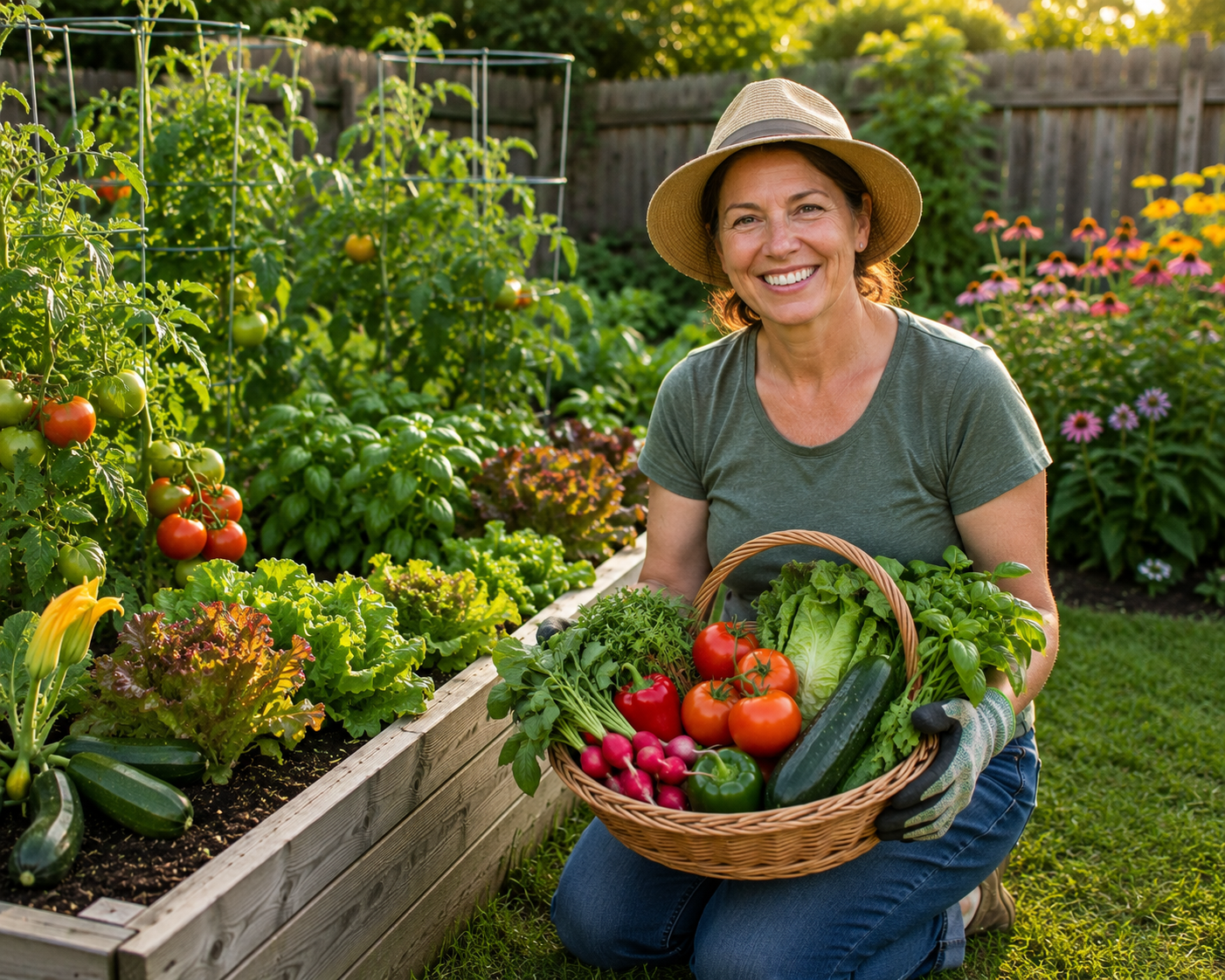
It’s tempting to build several raised beds and fill every inch with vegetables.
Resist that temptation.
A single well-maintained raised bed usually produces far more food than most first-time gardeners expect.
As you gain experience, you’ll learn which vegetables your family enjoys most, how much to plant, and which varieties perform best in your local climate.
Every season teaches something new.
That’s one of gardening’s greatest rewards.
The Bottom Line
The easiest gardens are rarely the ones with the most vegetables.
They’re the ones filled with crops that match a gardener’s experience and growing conditions.
Tomatoes, lettuce, bush beans, radishes, cucumbers, peppers, zucchini, carrots, spinach, and herbs have earned their reputation because they’re productive, dependable, and rewarding for beginners.
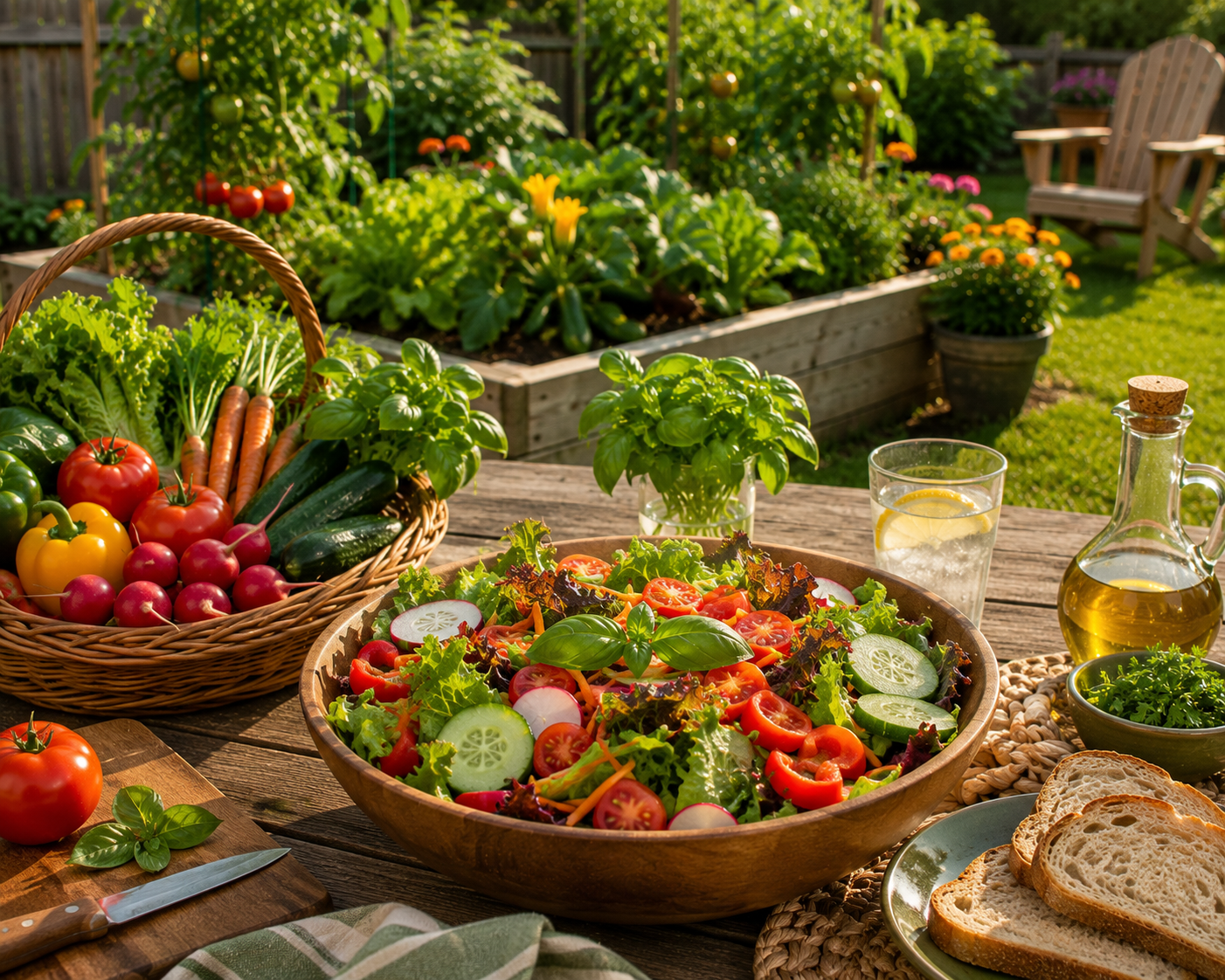
Start with these proven favorites, learn their growing habits, and celebrate every harvest, whether it’s your first handful of lettuce or your hundredth tomato.
Before long, you’ll have the confidence to branch out into new varieties and larger gardens.
Ready to Grow More with Less Work?
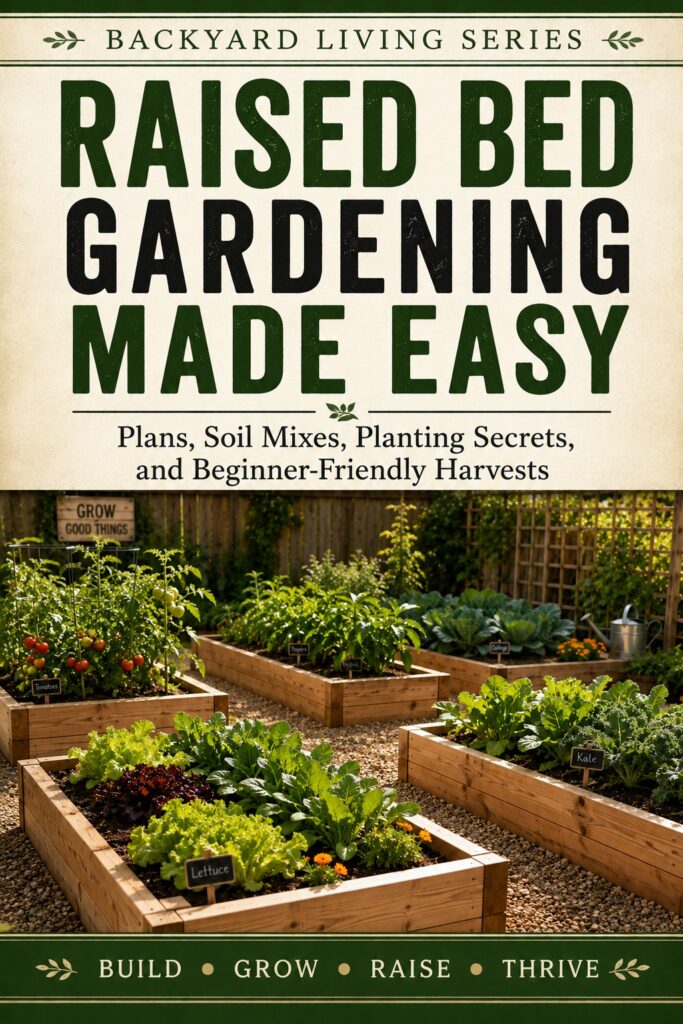
Raised Bed Gardening Made Easy expands on each of these topics with clear, step-by-step guidance designed specifically for beginner gardeners. From planning and building your first raised beds to choosing the best soil, growing healthy vegetables, watering efficiently, managing pests naturally, and extending your harvest season, the book provides practical instruction to help you grow an abundant garden with confidence. 🌱
More Raised Bed Gardening Articles
If you found this article helpful, these beginner guides are a great next step:
Get Your FREE Backyard Starter Toolkit
Download our free Backyard Starter Toolkit, packed with printable planners, checklists, and beginner resources to help you build, grow, raise, and thrive.
About the Author
Steve McChesney is the founder of Backyard Living Books and has spent decades helping homeowners build, grow, raise, and preserve more from their own backyards. Through practical, beginner-friendly guides, he encourages people to tackle one backyard project at a time and enjoy the satisfaction that comes with learning new skills.